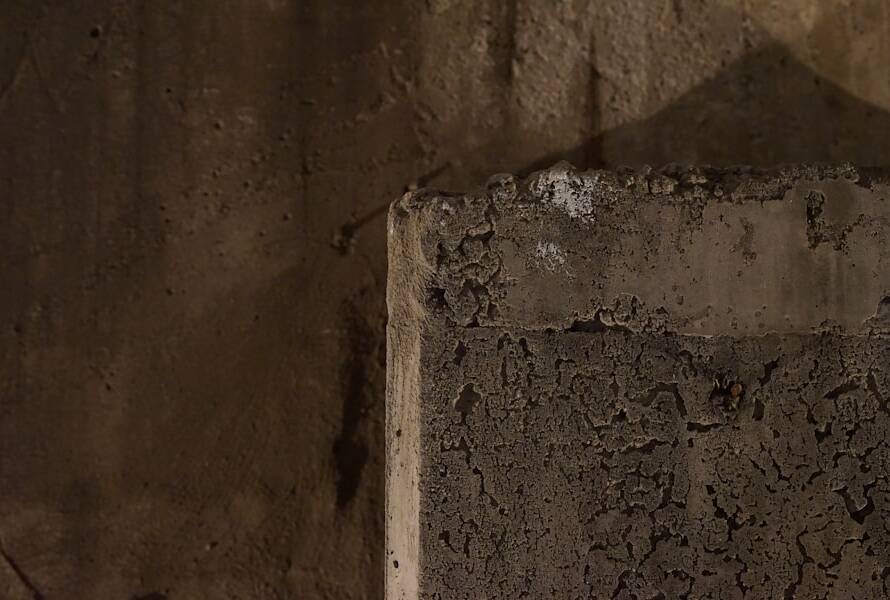
Water damage is often a silent intruder, creeping into homes and businesses without immediate notice. Homeowners frequently overlook the subtle signs that indicate a potential problem. For instance, discoloration on walls or ceilings, often appearing as yellow or brown stains, can be an early warning sign of water intrusion.
These stains may seem innocuous at first, but they can indicate a more significant issue lurking behind the surface. Additionally, peeling paint or wallpaper can signal moisture buildup, which, if left unaddressed, can lead to mold growth and structural damage. Another common sign of water damage is the presence of musty odors.
This unpleasant smell often arises from mold or mildew, which thrive in damp environments. Homeowners may dismiss these odors as mere nuisances, but they can be indicative of serious underlying issues. Furthermore, warped or buckled flooring can also point to water damage.
When wood absorbs moisture, it expands and distorts, leading to unsightly and potentially hazardous flooring conditions. Ignoring these signs not only compromises the integrity of the home but can also lead to costly repairs down the line.
Key Takeaways
- Ignoring the signs of water damage can lead to costly repairs and health hazards.
- Using improper waterproofing materials can result in ineffective protection against water intrusion.
- Neglecting proper drainage systems can lead to water pooling around the foundation, causing structural damage.
- Failing to address foundation cracks can allow water to seep into the basement, leading to mold and mildew growth.
- Not consulting with a professional waterproofing contractor can result in inadequate waterproofing solutions and wasted time and money.
- Overlooking the importance of gutters and downspouts can lead to water accumulation around the foundation, contributing to basement leaks.
- Underestimating the impact of landscaping on basement waterproofing can result in poor drainage and increased risk of water damage.
- Disregarding regular maintenance and inspections can lead to unnoticed issues and worsen the condition of the basement over time.
Using Improper Waterproofing Materials
The Limitations of Standard Paint
Using standard paint as a waterproofing agent is a common misstep. While it may provide a temporary barrier against moisture, it lacks the durability and effectiveness of specialized waterproofing products designed for long-term protection. These materials are engineered to withstand hydrostatic pressure and resist mold growth, making them far superior for basement applications.
The Dangers of DIY Solutions
Some individuals may resort to DIY solutions that lack the necessary technical specifications for effective waterproofing. For instance, using tar or asphalt-based products may seem like a cost-effective option; however, these materials can deteriorate over time when exposed to moisture and temperature fluctuations. The result is often a false sense of security that leads to more significant issues later on.
Investing in High-Quality Waterproofing Materials
Investing in high-quality waterproofing materials tailored to the specific needs of the property is essential for ensuring lasting protection against water damage. By choosing the right materials, homeowners can avoid costly repairs and ensure a safe and secure living space.
Neglecting Proper Drainage Systems
A well-designed drainage system is fundamental in preventing water from accumulating around a property’s foundation. Unfortunately, many homeowners neglect this critical aspect of home maintenance. Poor drainage can lead to water pooling near the foundation, increasing the risk of seepage into basements and crawl spaces.
For instance, if downspouts are not directed away from the foundation or if gutters are clogged with debris, rainwater can overflow and saturate the soil surrounding the home. This excess moisture can exert pressure on foundation walls, leading to cracks and leaks. Additionally, the absence of proper grading around the property can exacerbate drainage issues.
Ideally, the ground should slope away from the foundation to facilitate water runoff. When this grading is not implemented correctly, water can accumulate at the base of the home, creating an environment ripe for water damage. Installing French drains or sump pumps can be effective solutions for managing excess water and directing it away from vulnerable areas.
By prioritizing proper drainage systems, homeowners can significantly reduce the risk of water intrusion and its associated problems.
Failing to Address Foundation Cracks
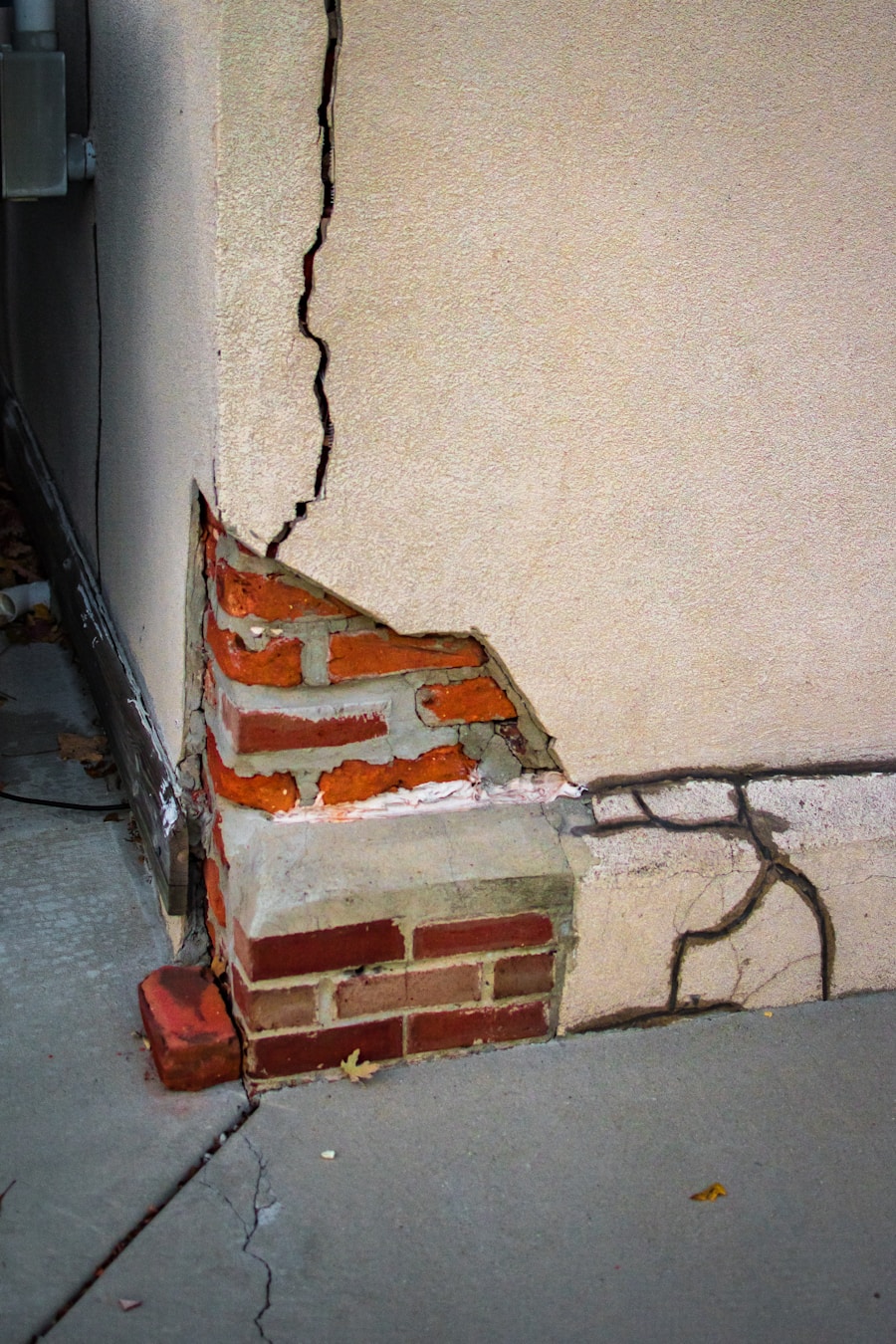
Foundation cracks are often dismissed as minor cosmetic issues; however, they can be indicative of serious structural problems that require immediate attention. Small cracks may seem harmless at first glance, but they can widen over time due to shifting soil or changes in moisture levels. If left unaddressed, these cracks can allow water to seep into the basement or crawl space, leading to extensive damage and costly repairs.
It is crucial for homeowners to regularly inspect their foundations for any signs of cracking and take prompt action when they are discovered. Repairing foundation cracks involves more than just filling them with caulk or sealant; it requires a comprehensive approach that addresses the underlying causes of the cracks. This may involve stabilizing the foundation through underpinning or installing drainage systems to alleviate hydrostatic pressure.
In some cases, consulting with a structural engineer may be necessary to assess the severity of the issue and recommend appropriate solutions. By proactively addressing foundation cracks, homeowners can protect their properties from water damage and maintain their structural integrity.
Not Consulting with a Professional Waterproofing Contractor
Many homeowners underestimate the complexity of waterproofing their properties and attempt to tackle it themselves or rely on unqualified individuals for assistance. This approach often leads to inadequate solutions that fail to address the root causes of water intrusion. Consulting with a professional waterproofing contractor is essential for ensuring that the right strategies and materials are employed for effective protection against moisture.
These experts possess specialized knowledge and experience in identifying vulnerabilities within a property and implementing tailored solutions. A professional contractor will conduct a thorough assessment of the property, taking into account factors such as soil composition, drainage patterns, and existing waterproofing measures. They can recommend appropriate techniques such as interior drainage systems, exterior waterproofing membranes, or sump pump installations based on the specific needs of the home.
Furthermore, professional contractors are familiar with local building codes and regulations, ensuring that all work is compliant and up to standard. By investing in professional expertise, homeowners can achieve peace of mind knowing that their properties are adequately protected against water damage.
Overlooking the Importance of Gutters and Downspouts
The Consequences of Clogged Gutters
Clogged gutters can lead to overflow during heavy rainfall, causing water to cascade down the sides of the house instead of being channeled away effectively. This overflow can saturate the soil around the foundation, increasing the risk of seepage into basements and crawl spaces.
Maintenance is Key
Regular cleaning and inspection of gutters are essential for maintaining their effectiveness.
Additionally, downspouts should be directed at least six feet away from the foundation to prevent water from pooling near vulnerable areas.
Prevention is the Best Solution
Installing gutter guards can also help minimize debris accumulation and reduce maintenance efforts. By prioritizing gutter and downspout maintenance, homeowners can significantly mitigate the risk of water damage caused by improper drainage.
Underestimating the Impact of Landscaping on Basement Waterproofing
Landscaping choices can have a profound impact on basement waterproofing efforts. Many homeowners fail to consider how plants, trees, and hardscaping elements affect water drainage around their properties. For instance, large trees with extensive root systems can absorb significant amounts of moisture from the soil; however, their roots can also disrupt drainage systems if they grow too close to foundations or underground pipes.
Additionally, certain landscaping features such as retaining walls or decorative stonework can inadvertently redirect water toward the foundation rather than away from it. Proper landscaping design should prioritize effective drainage while enhancing aesthetic appeal. Homeowners should consider incorporating native plants that require less water and are better suited for local soil conditions.
Furthermore, creating swales or berms in the landscape can help redirect water away from the foundation during heavy rainfall events. By thoughtfully planning landscaping elements with an eye toward drainage considerations, homeowners can bolster their basement waterproofing efforts and reduce the risk of water intrusion.
Disregarding Regular Maintenance and Inspections
Regular maintenance and inspections are vital components of effective waterproofing strategies that many homeowners neglect over time. Just as routine check-ups are essential for maintaining personal health, regular assessments of a property’s waterproofing measures are crucial for ensuring long-term protection against water damage. Homeowners should schedule periodic inspections to identify any signs of wear or deterioration in waterproofing systems such as membranes, sealants, or drainage components.
In addition to scheduled inspections, homeowners should remain vigilant throughout the year for any changes that may indicate potential issues. Seasonal changes can impact moisture levels around a property; therefore, monitoring for signs of leaks or water intrusion after heavy rains or snowmelt is essential. Addressing minor issues promptly can prevent them from escalating into more significant problems that require costly repairs.
By committing to regular maintenance and inspections, homeowners can safeguard their properties against water damage and ensure that their waterproofing measures remain effective over time.
One related article that can provide valuable insights is “Functional Enhancements: Smart Renovations” from basementremodelingesg.com. This article may offer tips on how to make the most of your basement space while ensuring it remains dry and protected from water damage. By learning from the experiences of others, you can avoid costly mistakes and create a functional and beautiful basement that adds value to your home.
FAQs
What are the top 5 basement waterproofing mistakes to avoid in Brooklyn?
1. Neglecting proper drainage and grading around the foundation.
2. Failing to address cracks and gaps in the basement walls and floors.
3. Not installing a sump pump or maintaining an existing one.
4. Using improper waterproofing materials or techniques.
5. Ignoring the importance of professional inspection and maintenance.
Why is proper drainage and grading important for basement waterproofing in Brooklyn?
Proper drainage and grading help to prevent water from pooling around the foundation, which can lead to leaks and seepage into the basement.
How can cracks and gaps in the basement walls and floors impact waterproofing in Brooklyn?
Cracks and gaps can allow water to seep into the basement, leading to moisture issues and potential flooding during heavy rainfall.
What role does a sump pump play in basement waterproofing in Brooklyn?
A sump pump helps to remove excess water from the basement, preventing flooding and water damage.
Why is it important to use the right waterproofing materials and techniques in Brooklyn?
Using the wrong materials or techniques can result in ineffective waterproofing, leading to ongoing moisture problems in the basement.
How can professional inspection and maintenance help with basement waterproofing in Brooklyn?
Professional inspection and maintenance can identify potential issues early and ensure that the waterproofing system is functioning properly to protect the basement from water damage.