


Basement insulation plays a crucial role in the overall energy efficiency of a home. It serves as a barrier against heat loss during the colder months and helps maintain a cooler environment in the summer. Insulating your basement can significantly reduce energy bills, as it minimizes the workload on heating and cooling systems.
Furthermore, a well-insulated basement contributes to a more comfortable living space, preventing drafts and cold spots that can make the area uninviting. The benefits extend beyond mere comfort; proper insulation can also protect your home from moisture-related issues, such as mold and mildew, which thrive in damp, uninsulated environments. Moreover, basement insulation can enhance the value of your property.
Potential buyers often look for homes that are energy-efficient and comfortable year-round. An insulated basement can be a selling point, showcasing that the homeowner has taken steps to improve energy efficiency and overall living conditions.
By investing in quality insulation, homeowners not only comply with these regulations but also contribute to a more sustainable future.
Key Takeaways
- Proper basement insulation is important for energy efficiency and preventing moisture and mold issues
- Assess your basement’s insulation needs by checking for existing insulation, moisture problems, and potential air leaks
- Choose insulation materials that are suitable for your basement’s specific needs, such as fiberglass, foam board, or spray foam
- Prepare your basement for insulation installation by cleaning and repairing any moisture or structural issues
- Install insulation in your basement carefully and thoroughly to ensure maximum effectiveness
- Seal air leaks and drafts to further improve the insulation and energy efficiency of your basement
- Consider additional measures such as vapor barriers or radiant heat barriers for improved insulation
- Maintain your insulated basement by regularly checking for moisture, mold, and air leaks to ensure long-term comfort and energy efficiency
Assessing Your Basement’s Insulation Needs
Identifying Signs of Moisture Intrusion
Homeowners should look for signs of moisture intrusion, such as water stains on walls or floors, which can indicate inadequate insulation or ventilation. Additionally, checking for drafts around windows, doors, and other openings can provide insight into how well the basement is currently insulated.
Understanding Local Climate Conditions
Another critical aspect of this assessment is understanding the climate in which you live. Different regions have varying insulation requirements based on temperature fluctuations and humidity levels. For instance, homes in colder climates may require thicker insulation to combat extreme cold, while those in warmer areas might focus on reflective barriers to keep heat out.
Seeking Professional Guidance
Consulting with a professional can provide valuable insights into the specific insulation needs of your basement based on local climate conditions and building codes.
Choosing the Right Insulation Materials
Selecting the appropriate insulation materials is vital for achieving optimal energy efficiency and comfort in your basement. There are several types of insulation available, each with its unique properties and benefits. Fiberglass batts are a popular choice due to their affordability and ease of installation.
They are non-combustible and resistant to moisture when properly installed, making them suitable for many basement applications. However, fiberglass batts must be installed correctly to avoid gaps that can lead to thermal bridging. Another option is spray foam insulation, which provides an excellent air seal and high R-value per inch.
This type of insulation expands upon application, filling gaps and cracks that traditional materials might miss. While spray foam tends to be more expensive than fiberglass, its superior insulating properties can lead to significant long-term energy savings. Rigid foam board is another viable choice, particularly for foundation walls.
It offers high insulating values and is resistant to moisture, making it ideal for below-grade applications.
Preparing Your Basement for Insulation Installation
Preparation is key to ensuring a successful insulation installation in your basement. Before beginning the process, it is essential to clean the area thoroughly. Remove any debris, old insulation materials, or items that may obstruct access to walls or ceilings.
This step not only creates a safer working environment but also allows for a more accurate assessment of the space that needs insulation. Additionally, addressing any moisture issues before installing insulation is critical. If there are signs of water intrusion or high humidity levels, it may be necessary to install a vapor barrier or improve drainage around the foundation before proceeding with insulation.
This could involve sealing cracks in walls or floors and ensuring gutters and downspouts direct water away from the foundation. Taking these steps will help prevent future moisture problems that could compromise the effectiveness of your insulation.
Installing Insulation in Your Basement
Once the preparation is complete, it’s time to install the chosen insulation materials. For fiberglass batts, begin by measuring the spaces between studs or joists and cutting the batts to fit snugly within these cavities. It’s important to ensure that there are no gaps or compression in the batts, as this can significantly reduce their insulating effectiveness.
Use a staple gun to secure the batts in place if necessary. For spray foam insulation, follow the manufacturer’s instructions carefully during application. It’s advisable to wear protective gear such as gloves and goggles due to the chemicals involved in spray foam products.
The foam should be applied evenly across surfaces, ensuring that it fills all gaps and voids effectively. Rigid foam board installation involves cutting panels to size and securing them against walls using adhesive or mechanical fasteners. In all cases, attention to detail during installation will yield better results in terms of energy efficiency and comfort.
Sealing Air Leaks and Drafts
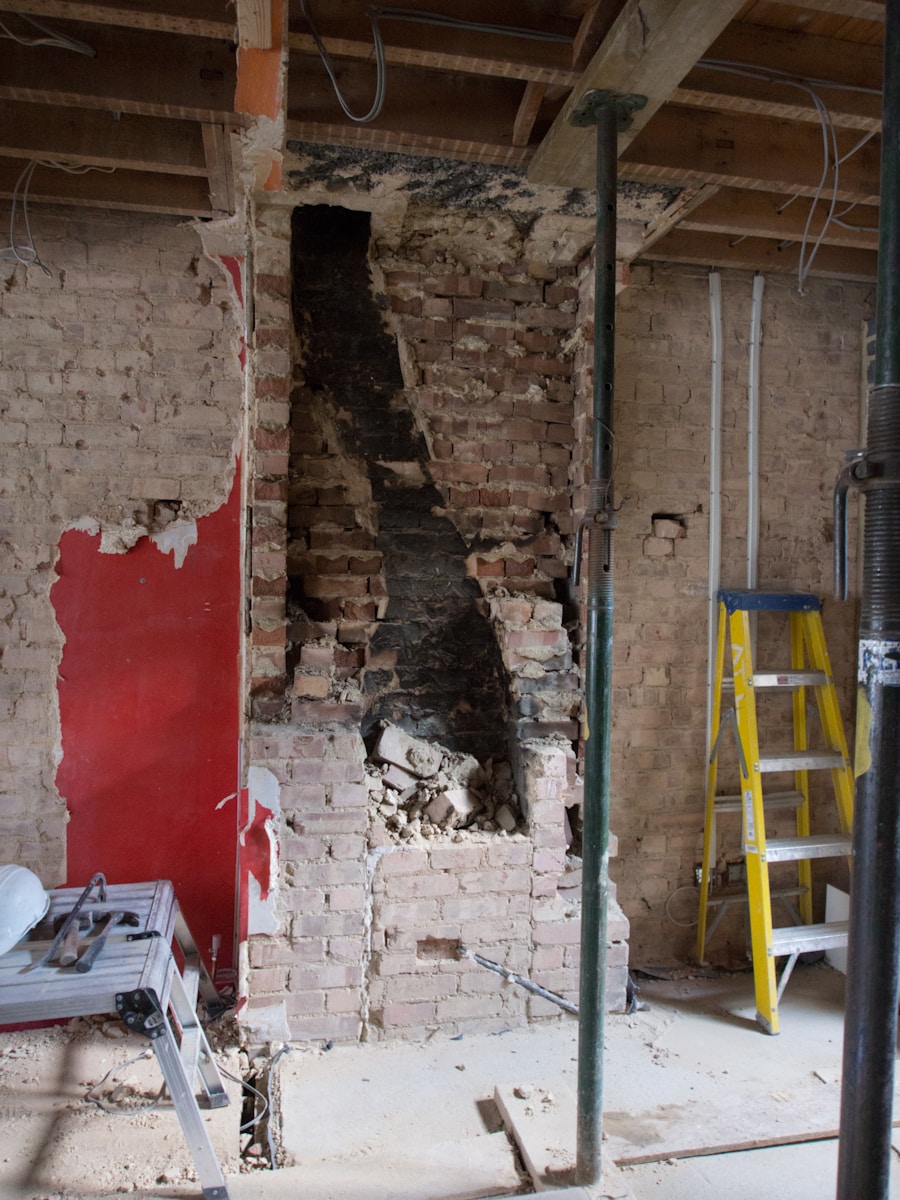
Air Leaks: Common Areas to Check
Air leaks often occur around windows and doors, electrical outlets, plumbing penetrations, and gaps between walls and floors.
Sealing Air Leaks Effectively
To seal air leaks, caulk or spray foam can be used around windows and doors to create a tight seal. For larger gaps or holes where pipes or wires enter the basement, expanding foam sealant is an excellent choice as it expands to fill voids completely. Additionally, weatherstripping can be applied to doors and windows to further reduce drafts.
Benefits of Sealing Air Leaks
By taking these measures, homeowners can significantly enhance their basement’s energy efficiency while improving overall comfort levels.
Considering Additional Measures for Improved Insulation
In addition to traditional insulation methods, there are several supplementary measures that homeowners can consider for improved thermal performance in their basements. One effective strategy is installing a radiant barrier on ceilings or walls that face unconditioned spaces such as crawl spaces or attics. Radiant barriers reflect heat away from living spaces during hot months while retaining warmth during colder months.
Another option is incorporating insulated concrete forms (ICFs) if you are building or renovating your basement from scratch. ICFs consist of expanded polystyrene foam blocks that serve as both formwork for concrete walls and insulation once the concrete is poured. This method provides excellent thermal performance while also enhancing structural integrity.
Additionally, installing a dehumidifier can help control moisture levels in the basement environment, further protecting against mold growth and maintaining comfort levels throughout the year. These additional measures can complement traditional insulation methods and create a more energy-efficient living space.
Maintaining Your Insulated Basement for Long-Term Comfort
Once your basement has been insulated effectively, ongoing maintenance is crucial for ensuring long-term comfort and efficiency. Regular inspections should be conducted to check for any signs of moisture intrusion or damage to insulation materials. Homeowners should also monitor humidity levels within the basement; ideally, they should remain between 30% and 50%.
If humidity levels rise above this range, it may indicate a need for additional ventilation or dehumidification measures. Furthermore, keeping gutters clean and ensuring proper drainage around the foundation will help prevent water from seeping into the basement area over time. Regularly checking seals around windows and doors will also help maintain an airtight environment within the basement space.
By staying proactive about maintenance tasks, homeowners can enjoy the benefits of their insulated basements for years to come while minimizing potential issues related to moisture or energy inefficiency.
If you’re looking to transform your basement space beyond just insulation, check out this article on renovation tips to transform your space. It offers valuable insights and ideas on how to make the most out of your basement renovation project. Whether you’re looking to create a cozy living area, a home office, or a playroom for the kids, this article has you covered with practical tips and inspiration.
FAQs
What are the benefits of insulating a Brooklyn basement for year-round comfort?
Insulating a Brooklyn basement can help regulate the temperature, reduce energy costs, and create a more comfortable living space throughout the year.
What are the different types of insulation that can be used in a Brooklyn basement?
Common types of insulation for Brooklyn basements include fiberglass, foam board, spray foam, and rigid foam insulation.
How can I determine the best insulation for my Brooklyn basement?
Factors to consider when choosing insulation for a Brooklyn basement include the basement’s moisture levels, the desired R-value, and the budget for the project.
What are some common areas in a Brooklyn basement that should be insulated?
Key areas to insulate in a Brooklyn basement include the walls, floors, and rim joists to prevent heat loss and moisture infiltration.
Are there any special considerations for insulating a Brooklyn basement due to the climate?
Brooklyn’s climate may require additional moisture control measures and insulation with higher R-values to ensure year-round comfort and energy efficiency.
Can I insulate my Brooklyn basement myself, or should I hire a professional?
While some homeowners may choose to insulate their Brooklyn basement themselves, hiring a professional can ensure proper installation and compliance with local building codes.

