Humidity plays a critical role in the overall health and longevity of basement flooring. In regions like Brooklyn, where humidity levels can fluctuate significantly, understanding these impacts is essential for homeowners. High humidity can lead to a variety of problems, including mold growth, warping of flooring materials, and an overall decline in indoor air quality.
When moisture levels rise, the air becomes saturated, and this excess moisture can seep into porous materials, including wood and certain types of tile. This infiltration can compromise the structural integrity of the flooring and create an environment conducive to mold and mildew. Moreover, the effects of humidity are not limited to just the flooring itself.
High moisture levels can also affect the entire basement environment, leading to unpleasant odors and discomfort. For instance, when humidity levels exceed 60%, it can create a breeding ground for allergens and irritants, which can exacerbate respiratory issues for occupants. Homeowners must recognize that the impact of humidity extends beyond aesthetics; it can affect health, safety, and property value.
Therefore, understanding how humidity interacts with basement flooring is crucial for making informed decisions about materials and maintenance.
Key Takeaways
- High humidity can cause damage to basement flooring, including warping, buckling, and mold growth.
- Choose flooring materials that are resistant to moisture and humidity, such as ceramic tile, vinyl, or concrete.
- Proper ventilation and dehumidification are essential for controlling humidity levels in the basement.
- Regular cleaning and maintenance practices, such as mopping up spills promptly and using a dehumidifier, can help prevent damage from humidity.
- Address moisture and water intrusion issues promptly to prevent long-term damage to basement flooring.
Choosing the Right Flooring Materials for Brooklyn’s Humid Climate
Selecting appropriate flooring materials is paramount for basements in humid climates like Brooklyn. Certain materials are inherently more resistant to moisture than others. For instance, vinyl flooring is a popular choice due to its water-resistant properties and ease of maintenance.
Unlike wood or laminate, vinyl does not absorb moisture, making it less susceptible to warping or mold growth. Additionally, luxury vinyl tiles (LVT) offer a wide range of designs that can mimic natural materials while providing superior durability against humidity. Another excellent option is ceramic or porcelain tile.
These materials are not only water-resistant but also easy to clean and maintain. They do not warp or swell when exposed to moisture, making them ideal for basement environments. Furthermore, tiles can be installed with grout that is specifically designed to resist mold and mildew, enhancing their suitability for humid conditions.
Homeowners should also consider using area rugs or mats that are designed for high-moisture areas to add comfort without compromising the integrity of the flooring beneath.
Implementing Proper Ventilation and Dehumidification
Effective ventilation and dehumidification are essential strategies for managing humidity levels in basements. Proper ventilation helps to circulate air and reduce moisture buildup, which can mitigate the adverse effects of high humidity on flooring materials. Homeowners can achieve this by installing vents or exhaust fans that promote airflow.
Additionally, opening windows when weather permits can help to exchange stale air with fresh air from outside, further reducing humidity levels. Dehumidifiers are another critical tool in combating excess moisture in basements. These devices work by extracting moisture from the air, thereby lowering humidity levels to a more manageable range.
For optimal results, homeowners should choose a dehumidifier that is appropriately sized for their basement space. Regularly monitoring humidity levels with a hygrometer can also help determine when dehumidification is necessary. By implementing these strategies, homeowners can create a healthier environment that protects their flooring and enhances overall comfort.
Regular Cleaning and Maintenance Practices
Regular cleaning and maintenance practices are vital for preserving the integrity of basement flooring in humid climates. Dust, dirt, and organic matter can accumulate over time, providing a breeding ground for mold and mildew if not addressed promptly. Homeowners should establish a routine cleaning schedule that includes sweeping or vacuuming to remove debris and mopping with appropriate cleaning solutions that inhibit mold growth.
In addition to routine cleaning, periodic inspections of the flooring are essential. Homeowners should look for signs of moisture damage, such as discoloration or warping, which may indicate underlying issues that need to be addressed. If any problems are detected, prompt action should be taken to mitigate further damage.
This proactive approach not only extends the life of the flooring but also contributes to a healthier living environment by reducing allergens and irritants.
Addressing Moisture and Water Intrusion Issues
Moisture and water intrusion are significant concerns for basements, particularly in areas prone to heavy rainfall or flooding. Identifying the sources of moisture is the first step in addressing these issues effectively. Common sources include leaks from plumbing fixtures, cracks in the foundation, or inadequate drainage systems around the home.
Homeowners should conduct thorough inspections to identify any potential entry points for water. Once sources of moisture have been identified, appropriate measures must be taken to rectify them. This may involve sealing cracks in the foundation with waterproof sealants or installing sump pumps to manage groundwater effectively.
Additionally, ensuring that gutters and downspouts direct water away from the foundation can help prevent water intrusion during heavy rains. By addressing these issues proactively, homeowners can protect their basement flooring from water damage and maintain a dry environment.
Protecting Basement Flooring from Mold and Mildew
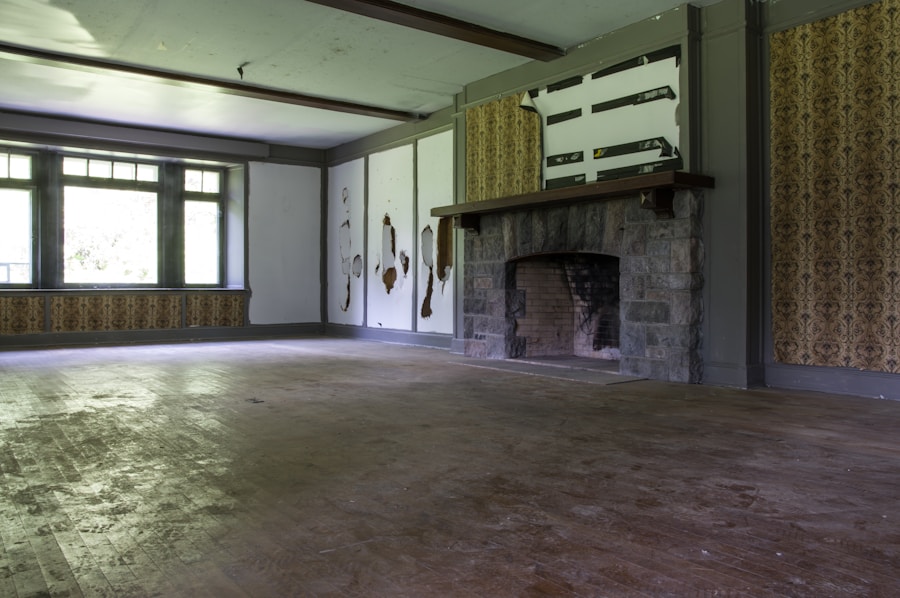
Mold and mildew pose significant threats to basement flooring, particularly in humid climates where moisture levels are high. To protect against these threats, homeowners should implement several preventive measures. First and foremost, maintaining low humidity levels through dehumidification is crucial.
Keeping humidity below 60% significantly reduces the likelihood of mold growth. In addition to controlling humidity, using mold-resistant products during installation can provide an extra layer of protection. For example, mold-resistant paints and sealants can be applied to walls and floors to inhibit mold growth.
Furthermore, regular cleaning with mold-inhibiting solutions can help keep surfaces free from spores that may settle on flooring materials. Homeowners should also ensure proper drainage around their property to prevent water accumulation near the foundation, which can contribute to mold growth.
Preventing Warping and Buckling of Flooring Materials
Warping and buckling are common issues associated with high humidity levels in basements, particularly for wood-based flooring materials. To prevent these problems, it is essential to choose flooring materials that are specifically designed for high-moisture environments. As previously mentioned, options like vinyl or tile are less prone to warping compared to traditional hardwood.
In addition to selecting appropriate materials, acclimating flooring before installation is crucial. This process involves allowing the flooring to adjust to the basement’s temperature and humidity levels prior to installation. Furthermore, maintaining consistent indoor temperatures through climate control systems can help minimize fluctuations that contribute to warping.
Homeowners should also avoid placing rugs or carpets directly on top of wood floors without proper moisture barriers in place.
Seeking Professional Help for Basement Flooring Maintenance
While many homeowners may feel comfortable handling basic maintenance tasks themselves, seeking professional help for basement flooring maintenance can provide significant benefits. Professionals possess specialized knowledge and experience in identifying potential issues that may not be immediately apparent to untrained eyes. They can conduct thorough inspections and recommend tailored solutions based on specific conditions within the basement.
Additionally, professionals have access to advanced tools and techniques that can effectively address moisture issues and ensure proper installation of flooring materials. For instance, they may utilize infrared cameras to detect hidden moisture behind walls or under floors that could lead to future problems if left unaddressed. By investing in professional services for basement flooring maintenance, homeowners can ensure a long-lasting solution that protects their investment while enhancing the overall comfort of their living space.
If you’re looking for budget-friendly solutions to upgrade your basement flooring in Brooklyn’s humid climate, you may want to check out this article on affordable upgrades and budget-friendly solutions. This article offers tips and ideas on how to improve your basement flooring without breaking the bank. Additionally, for smart renovations and functional enhancements to your basement, you can also read this article on functional enhancements and smart renovations. These resources can provide valuable insights and inspiration for maintaining your basement flooring in a humid climate.
FAQs
What are the common challenges of maintaining basement flooring in Brooklyn’s humid climate?
Brooklyn’s humid climate can lead to issues such as mold and mildew growth, warping of wood flooring, and moisture damage to carpeting or other floor coverings.
How can I prevent mold and mildew growth on basement flooring in Brooklyn?
To prevent mold and mildew growth, it’s important to keep the basement well-ventilated, use a dehumidifier to control moisture levels, and regularly clean and inspect the flooring for any signs of mold or mildew.
What are some recommended flooring options for basements in Brooklyn’s humid climate?
Some recommended flooring options for basements in Brooklyn’s humid climate include ceramic tile, luxury vinyl planks, and epoxy flooring, as these materials are more resistant to moisture and humidity.
How often should I inspect and maintain basement flooring in Brooklyn?
It’s recommended to inspect and maintain basement flooring in Brooklyn at least once every few months, especially during the humid summer months, to check for any signs of moisture damage, mold, or mildew.
Are there any specific cleaning products or methods recommended for maintaining basement flooring in Brooklyn’s humid climate?
Using a mild detergent and water solution for regular cleaning, and a bleach solution for mold and mildew removal, can help maintain basement flooring in Brooklyn’s humid climate. It’s important to follow the manufacturer’s recommendations for cleaning and maintenance.