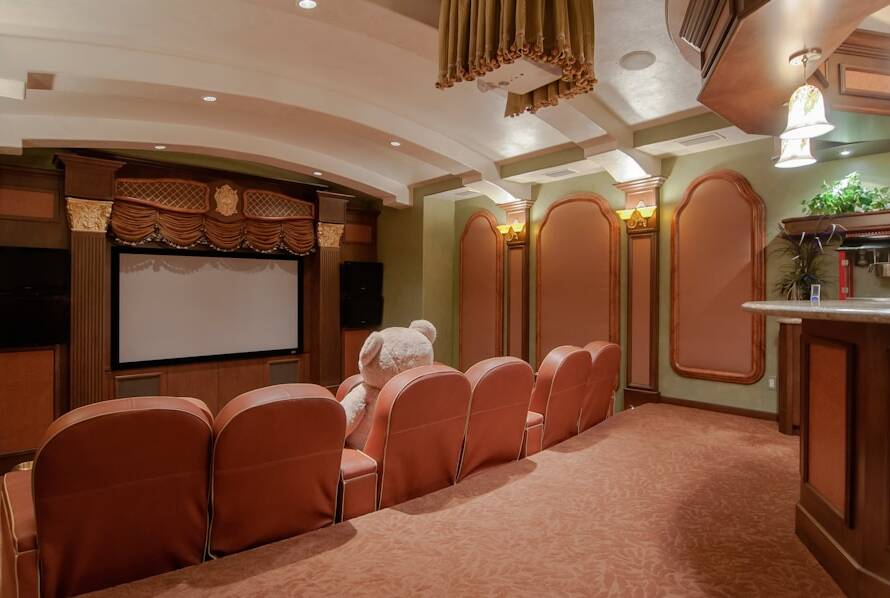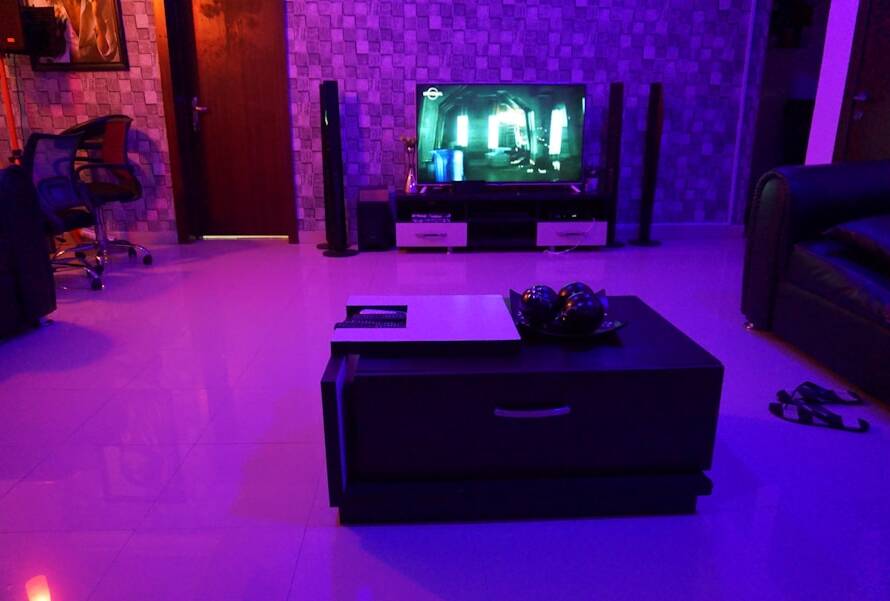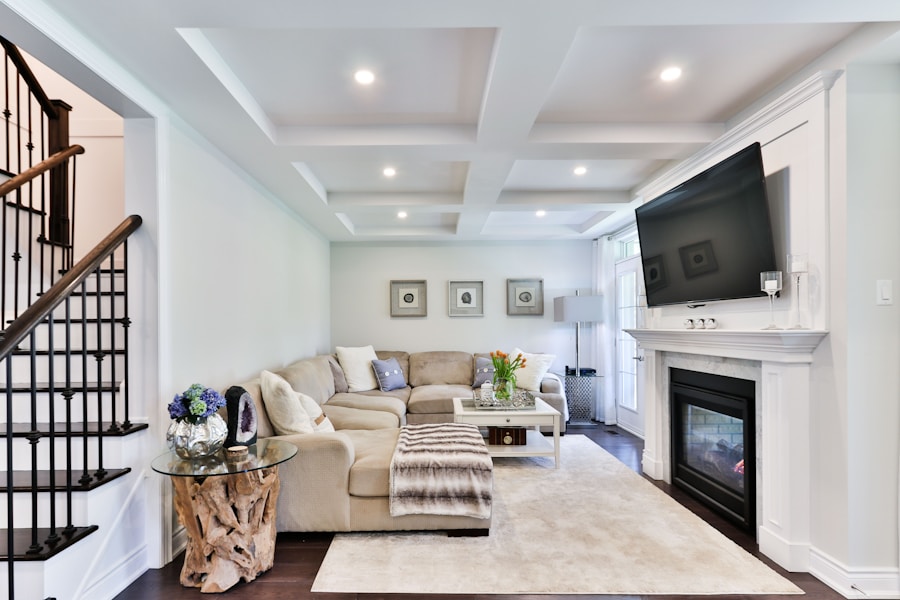
When embarking on the journey to create a home theater in your basement, the first step is to assess the available space meticulously. The dimensions of your basement will significantly influence the design and functionality of your theater. Begin by measuring the length, width, and height of the room.
Consider any architectural features such as support beams, windows, and ductwork that may affect the layout. A standard home theater requires a minimum space of around 12 feet by 18 feet to accommodate a large screen and comfortable seating, but larger spaces can provide more flexibility in design and equipment placement. Once you have a clear understanding of the dimensions, it’s essential to visualize how you want to arrange the seating, screen, and audio equipment.
A common layout involves placing the screen on one of the shorter walls, with seating arranged in rows behind it. This configuration allows for optimal viewing angles and sound distribution. However, if your basement has an irregular shape or features like low ceilings, you may need to get creative with your layout.
Consider using a tiered seating arrangement to enhance sightlines or placing the screen at an angle to maximize space. The goal is to create a layout that not only fits your equipment but also provides an immersive viewing experience.
Key Takeaways
- Assess the size and layout of your basement to determine the best use of space for a home theater.
- Soundproof and treat the acoustics of the room to create an optimal audio environment for a home theater.
- Enhance the viewing experience with proper lighting control to set the right mood and reduce glare on the screen.
- Select the best audio and video equipment for your space to create a high-quality home theater system.
- Create a cozy and functional viewing area with comfortable seating for an enjoyable movie-watching experience.
Soundproofing and Acoustic Treatment: Creating the Ideal Audio Environment
Soundproofing is a critical aspect of designing a home theater, especially in a basement where noise can easily escape or enter from other areas of the house. To achieve an optimal audio environment, start by sealing any gaps or cracks in walls, floors, and ceilings that could allow sound leakage. Acoustic caulk can be used to fill these gaps effectively.
Additionally, consider adding mass to your walls by using soundproof drywall or adding an extra layer of drywall with Green Glue in between to dampen vibrations. Once you have addressed soundproofing, focus on acoustic treatment to enhance sound quality within the room. This involves strategically placing acoustic panels, bass traps, and diffusers throughout the space.
Acoustic panels can be mounted on walls to absorb sound reflections, while bass traps placed in corners help manage low-frequency sounds that can muddy audio clarity. The placement of these treatments should be based on the room’s specific acoustics; for instance, first reflection points—where sound bounces off walls before reaching the listener—are prime locations for panel installation. By carefully considering both soundproofing and acoustic treatment, you can create a theater environment that delivers rich, immersive audio without disturbing other areas of your home.
Lighting Control: Enhancing the Viewing Experience with Proper Lighting
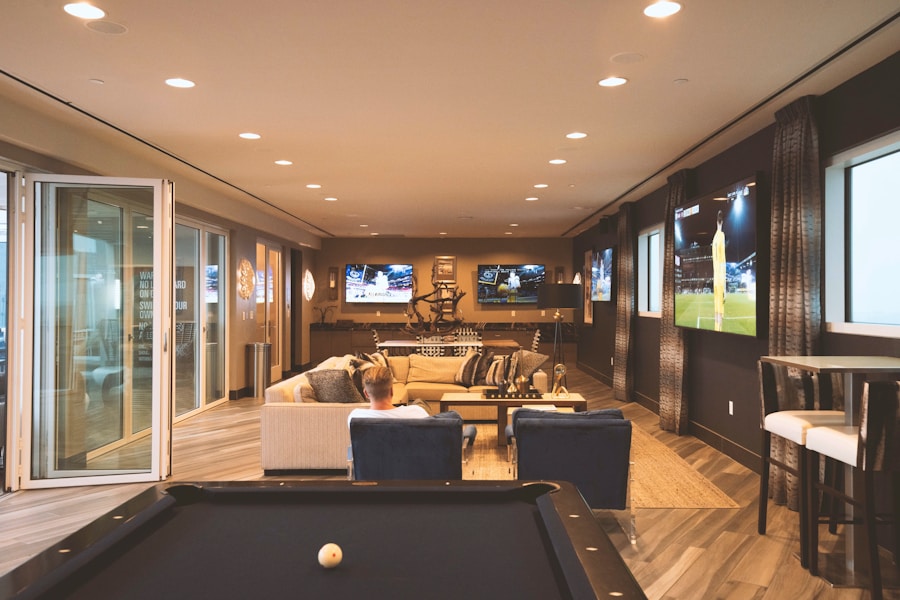
Lighting plays a pivotal role in setting the mood for your home theater experience. A well-designed lighting scheme can enhance the viewing experience while also providing functional illumination when needed. Start by assessing the natural light sources in your basement; if there are windows, consider installing blackout curtains or shades to eliminate any unwanted light during movie time.
This will help create a dark environment that is conducive to watching films and enhances the contrast of your screen. In addition to controlling natural light, you should incorporate layered lighting solutions that allow for flexibility in brightness levels. Recessed lighting can provide general illumination without being obtrusive, while dimmable sconces or LED strip lights can add ambiance and allow for mood adjustments during different viewing scenarios.
Smart lighting systems can also be programmed to adjust automatically based on the time of day or specific activities, such as movie watching or gaming. By thoughtfully designing your lighting control system, you can ensure that your home theater is both functional and inviting.
Choosing the Right Audio and Video Equipment: Selecting the Best Home Theater System for Your Space
Selecting the right audio and video equipment is crucial for achieving an exceptional home theater experience. The first step is to choose a display that fits your space and viewing preferences.
For larger basements, a projector may provide a cinematic feel, while smaller spaces might benefit from a high-quality TV that offers vibrant colors and sharp images. Audio equipment is equally important in creating an immersive experience. A surround sound system is typically recommended for home theaters, as it provides a three-dimensional audio experience that enhances movie watching.
Consider investing in a receiver that supports modern audio formats like Dolby Atmos or DTS:X for an even more engaging sound experience. Additionally, speaker placement is vital; front speakers should be positioned at ear level when seated, while surround speakers should be placed slightly above ear level for optimal sound immersion. By carefully selecting and positioning your audio and video equipment, you can create a home theater that rivals commercial cinemas.
Seating and Comfort: Creating a Cozy and Functional Viewing Area
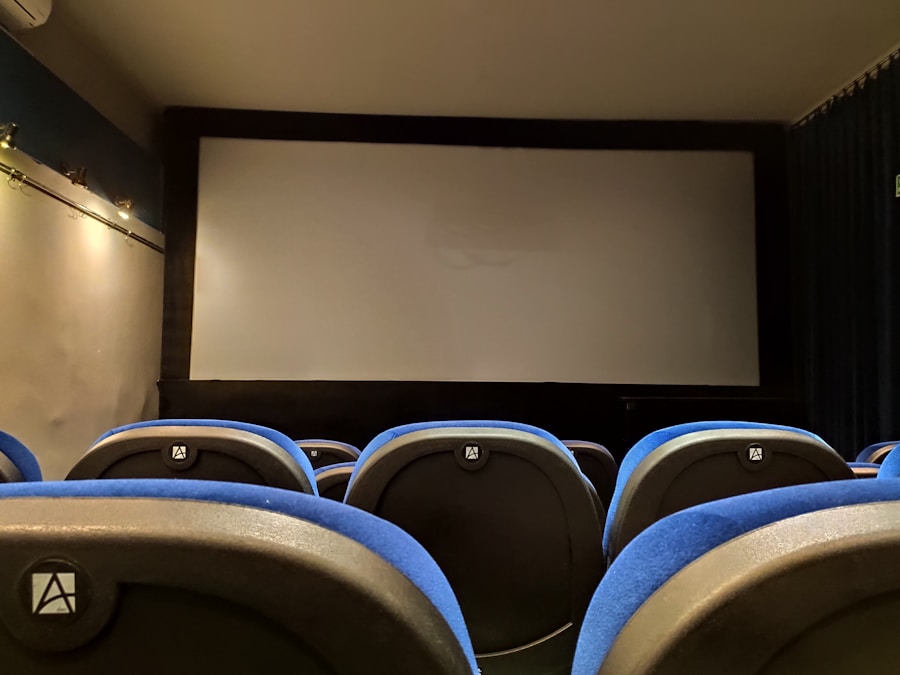
Comfort is paramount when designing your home theater seating area. The type of seating you choose will significantly impact how enjoyable your viewing experience is over extended periods. Recliners are a popular choice for home theaters due to their ergonomic design and ability to provide support during long movie marathons.
Look for models with built-in cup holders and adjustable headrests for added convenience. In addition to individual seating options, consider the layout of your seating arrangement. A tiered seating design can enhance sightlines for all viewers, ensuring that everyone has an unobstructed view of the screen.
If space allows, include a small table or side shelf for snacks and drinks to keep everything within reach without disrupting the viewing experience. Furthermore, incorporating soft textiles such as throw blankets or plush cushions can enhance comfort while also adding a touch of style to your theater decor.
Storage and Organization: Maximizing Space for Media and Equipment
Assessing Your Storage Needs
An organized home theater not only looks better but also enhances functionality by making it easier to access media and equipment when needed. Start by evaluating your storage needs based on the types of media you own—DVDs, Blu-rays, gaming consoles, streaming devices—and any additional equipment like remotes or cables.
Optimizing Storage with Cabinetry and Shelving
Built-in cabinetry can be an excellent solution for concealing equipment while providing easy access when needed. Consider incorporating shelving units or media cabinets that complement your overall design aesthetic while maximizing vertical space.
Adding Personality and Managing Cords
Open shelving can display collectibles or decorative items related to film and entertainment, adding personality to your theater while keeping everything organized. Additionally, cable management solutions such as raceways or cable boxes can help keep cords tidy and out of sight, contributing to a clean and polished look.
Connectivity and Networking: Ensuring Seamless Integration of Devices and Streaming Services
In today’s digital age, connectivity is essential for any home theater setup. Ensuring seamless integration of devices requires careful planning regarding networking capabilities and device compatibility. Start by assessing your internet connection; a wired Ethernet connection is often more reliable than Wi-Fi for streaming high-definition content without interruptions.
If running cables isn’t feasible, consider investing in a high-quality Wi-Fi mesh system to ensure strong coverage throughout your basement. Next, evaluate how you plan to connect various devices such as gaming consoles, streaming devices, Blu-ray players, and sound systems.
Additionally, consider using universal remotes or smart home systems that allow you to control all devices from one interface, streamlining the user experience and reducing clutter from multiple remotes.
Aesthetics and Decor: Designing a Stylish and Inviting Home Theater Atmosphere
The aesthetic appeal of your home theater contributes significantly to its overall atmosphere and enjoyment factor. Start by selecting a color palette that reflects your personal style while also enhancing the cinematic experience; darker colors tend to absorb light better and create an immersive environment conducive to movie watching. Consider using paint or wallpaper with sound-absorbing properties to further enhance acoustics while adding visual interest.
Decorative elements such as framed movie posters, themed artwork, or even custom wall murals can personalize your space and make it feel unique. Incorporating soft furnishings like area rugs can help with sound absorption while also adding warmth to the room’s design. Lighting fixtures should also align with your aesthetic vision; stylish sconces or pendant lights can serve as focal points while providing functional illumination when needed.
By thoughtfully considering aesthetics and decor elements, you can create a stylish yet inviting atmosphere that enhances every viewing experience in your home theater.
If you’re considering converting your basement into a home theater in Brooklyn, you may also want to explore the option of transforming it into a home office. This article provides valuable insights and tips on how to optimize your basement space for a productive work environment. Additionally, you can check out the FAQs section on the website for answers to common questions about basement remodeling. For more inspiration and ideas, you can also read through the blog posts in the