Basement waterproofing is a critical aspect of home maintenance that often goes overlooked by homeowners. The basement, being the lowest part of a house, is particularly susceptible to water intrusion due to its proximity to the ground and the natural water table. When water seeps into a basement, it can lead to a myriad of problems, including structural damage, mold growth, and a decline in indoor air quality.
The importance of waterproofing cannot be overstated; it serves as a protective barrier against moisture that can compromise the integrity of the home and the health of its occupants. Moreover, waterproofing a basement is not merely about preventing water damage; it also enhances the overall value of a property. A dry, well-maintained basement can be transformed into usable living space, such as a home office, gym, or guest suite.
This added functionality can significantly increase a home’s market value.
Therefore, investing in basement waterproofing is not just a preventive measure; it is also a strategic decision that can yield long-term financial benefits.
Key Takeaways
- Basement waterproofing is crucial for protecting your home from water damage and mold growth.
- Common solutions for basement waterproofing include interior and exterior drainage systems, sump pumps, and sealants.
- Brooklyn homeowners can benefit from basement waterproofing by preventing structural damage, improving indoor air quality, and increasing property value.
- The cost of basement waterproofing varies depending on the size of the basement and the chosen waterproofing method.
- Signs that your basement needs waterproofing include musty odors, water stains, and visible cracks in the walls or floors.
- It’s important to find a reputable and experienced basement waterproofing contractor to ensure the job is done correctly.
- While DIY waterproofing methods may be cost-effective, professional waterproofing offers long-term reliability and expertise.
- Basement waterproofing is a worthwhile investment for homeowners looking to protect their property and maintain a healthy living environment.
Common Basement Waterproofing Solutions
There are several effective solutions for basement waterproofing, each tailored to address specific issues related to water intrusion. One of the most common methods is the installation of interior drainage systems. This involves placing a network of pipes along the perimeter of the basement floor that collects and directs water to a sump pump.
The sump pump then expels the water away from the foundation, preventing it from accumulating in the basement. This solution is particularly effective in areas with high groundwater levels or heavy rainfall. Another popular method is exterior waterproofing, which involves excavating around the foundation and applying a waterproof membrane to the exterior walls.
This membrane acts as a barrier against moisture penetration and is often combined with proper grading and drainage systems to redirect water away from the foundation. While this method can be more labor-intensive and costly than interior solutions, it provides a more comprehensive approach to preventing water intrusion. Additionally, some homeowners opt for a combination of both interior and exterior solutions to ensure maximum protection against water damage.
The Benefits of Basement Waterproofing for Brooklyn Homeowners
For homeowners in Brooklyn, the benefits of basement waterproofing extend beyond mere protection against water damage. One significant advantage is the prevention of mold and mildew growth, which can thrive in damp environments. Mold not only poses health risks but can also lead to costly remediation efforts if left unchecked.
By waterproofing their basements, homeowners can create a healthier living environment for their families, reducing the risk of respiratory issues and allergies associated with mold exposure. Furthermore, waterproofing can enhance energy efficiency within the home. A damp basement can lead to increased humidity levels throughout the house, making heating and cooling systems work harder to maintain comfortable temperatures.
By keeping the basement dry, homeowners can improve their HVAC system’s efficiency, potentially lowering energy bills. Additionally, a well-maintained basement can serve as valuable storage space or even be converted into livable areas, providing further utility and enjoyment for residents.
The Cost of Basement Waterproofing
The cost of basement waterproofing can vary significantly based on several factors, including the size of the basement, the severity of the water intrusion problem, and the chosen waterproofing method. On average, homeowners can expect to pay anywhere from $1,500 to $5,000 for basic interior waterproofing solutions. More extensive exterior waterproofing projects may range from $5,000 to $15,000 or more, depending on excavation needs and additional drainage systems.
While these costs may seem substantial upfront, it is essential to consider them in light of potential long-term savings. Water damage can lead to expensive repairs and decreased property value over time. By investing in waterproofing now, homeowners can avoid these future costs and protect their investment in their property.
Additionally, many contractors offer financing options or warranties that can make the initial investment more manageable.
Signs that Your Basement Needs Waterproofing
Recognizing the signs that your basement requires waterproofing is crucial for preventing more severe issues down the line. One of the most obvious indicators is visible water intrusion during heavy rain or snowmelt. Puddles forming on the floor or walls are clear signs that moisture is entering your basement and should be addressed immediately.
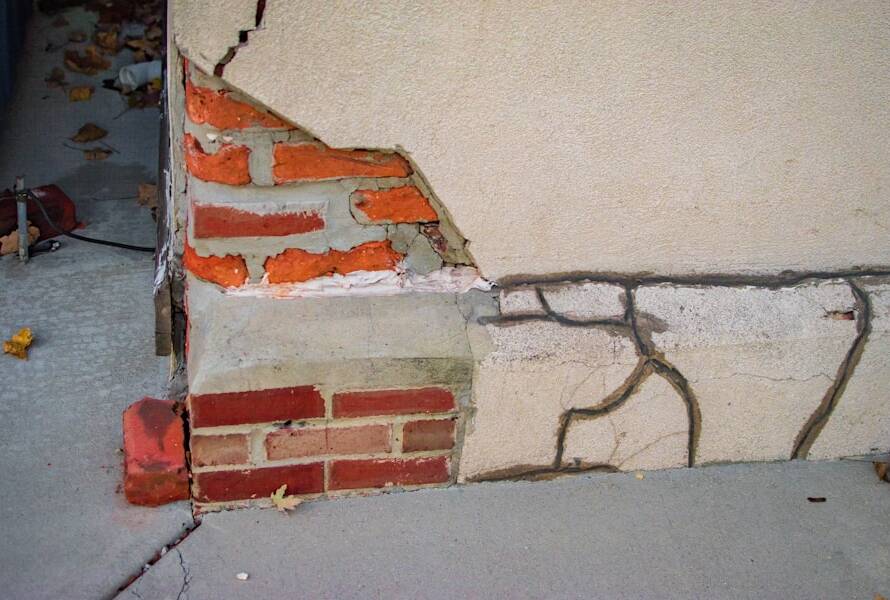
Additionally, homeowners should be vigilant for signs of mold growth or musty odors, which often indicate prolonged dampness in the area. Cracks in the foundation walls or floor are another significant warning sign that should not be ignored. These cracks can allow water to seep through and may indicate underlying structural issues exacerbated by moisture infiltration.
Furthermore, if you notice increased humidity levels in your home or condensation on windows and walls, it may be time to consider waterproofing solutions to mitigate these problems before they escalate.
Finding the Right Basement Waterproofing Contractor
Research and Referrals
Selecting the right contractor for basement waterproofing is crucial to ensure the job is done correctly and effectively. Homeowners should start by researching local contractors with experience in waterproofing projects specific to their area. Reading online reviews and testimonials can provide insight into a contractor’s reputation and quality of work. Additionally, seeking recommendations from friends or family who have undergone similar projects can lead to trustworthy referrals.
Evaluating Contractors
Once potential contractors have been identified, it is crucial to obtain multiple estimates and ask detailed questions about their proposed methods and materials. A reputable contractor should be willing to explain their approach and provide references from previous clients.
Verifying Credentials
Furthermore, verifying that the contractor is licensed and insured will protect homeowners from liability in case of accidents during the project. Taking these steps will help ensure that homeowners find a qualified professional who can deliver effective waterproofing solutions tailored to their specific needs.
DIY vs Professional Basement Waterproofing
When it comes to basement waterproofing, homeowners often face the dilemma of whether to tackle the project themselves or hire a professional contractor. DIY solutions may seem appealing due to potential cost savings; however, they come with inherent risks and challenges. Many DIY methods may only address surface-level issues without tackling underlying problems such as poor drainage or structural weaknesses.
Additionally, improper installation of waterproofing systems can lead to further complications down the line. On the other hand, hiring a professional contractor brings expertise and experience to the table. Professionals are equipped with specialized tools and knowledge about local building codes and regulations that DIYers may not be familiar with.
They can conduct thorough assessments of the basement’s condition and recommend appropriate solutions tailored to specific issues. While professional services may require a higher initial investment, they often result in more effective long-term outcomes and peace of mind for homeowners.
Is Basement Waterproofing Worth the Investment?
Investing in basement waterproofing is undoubtedly worth considering for any homeowner looking to protect their property from water damage and its associated risks. The benefits extend beyond mere prevention; they encompass improved indoor air quality, enhanced energy efficiency, and increased property value. While upfront costs may vary based on individual circumstances, the long-term savings associated with avoiding extensive repairs make it a prudent financial decision.
Ultimately, whether through professional services or well-researched DIY methods, ensuring that your basement remains dry and functional is an investment in your home’s future. As climate patterns continue to shift and extreme weather events become more common, proactive measures like basement waterproofing will play an increasingly vital role in safeguarding homes against water-related issues.
If you’re considering investing in basement waterproofing for your Brooklyn home, you may also be interested in exploring green architecture ideas for eco-friendly homes. This article provides valuable insights on how to make your home more sustainable while also improving its overall value.