
Natural light and ventilation are fundamental elements that significantly enhance the quality of living spaces. The presence of ample natural light not only brightens interiors but also contributes to the psychological well-being of inhabitants. Studies have shown that exposure to natural light can improve mood, increase productivity, and even regulate circadian rhythms, leading to better sleep patterns.
For instance, a living room with floor-to-ceiling windows not only creates a visual connection with the outdoors but also allows for passive solar heating during colder months, reducing reliance on artificial lighting and heating. Ventilation is equally crucial, as it ensures a continuous flow of fresh air, which is essential for maintaining indoor air quality.
Proper ventilation systems can help mitigate issues such as mold growth, allergens, and indoor pollutants. Homes designed with cross-ventilation in mind—where windows are strategically placed to allow breezes to flow through—can significantly reduce the need for air conditioning. For example, a home situated in a coastal area might benefit from prevailing winds, allowing for natural cooling during hot summer months.
Incorporating operable windows and vents can further enhance this effect, creating a comfortable living environment that promotes health and well-being.
Key Takeaways
- Natural light and ventilation are essential for a healthy living environment, so look for homes with ample windows and good airflow.
- Proper insulation and heating are crucial for maintaining a comfortable and energy-efficient home, so check for well-insulated properties with efficient heating systems.
- A functional layout and space optimization can make a small home feel spacious and practical, so prioritize homes with a well-thought-out design.
- Adequate storage solutions are important for keeping a home organized and clutter-free, so look for properties with ample storage space.
- A well-maintained and safe environment is essential for peace of mind, so prioritize properties that are well-maintained and located in safe neighborhoods.
Proper Insulation and Heating
Proper insulation is a critical component of energy efficiency in any home. It acts as a barrier against heat loss in winter and heat gain in summer, thereby reducing the need for excessive heating or cooling. Insulation materials such as fiberglass, foam board, and cellulose can be installed in walls, attics, and floors to create a thermal envelope that keeps indoor temperatures stable.
For instance, a well-insulated attic can prevent heat from escaping during cold months, which not only enhances comfort but also lowers energy bills. The U.S. Department of Energy recommends specific R-values for insulation based on climate zones, emphasizing the importance of tailored insulation solutions.
Heating systems must also be efficient and appropriate for the size and layout of the home. Modern heating technologies such as heat pumps and radiant floor heating offer energy-efficient alternatives to traditional systems. Heat pumps, for example, can provide both heating and cooling by transferring heat rather than generating it through combustion.
This dual functionality makes them an attractive option for homeowners looking to reduce their carbon footprint while maintaining comfort throughout the year. Additionally, smart thermostats can optimize heating schedules based on occupancy patterns, further enhancing energy efficiency.
Functional Layout and Space Optimization
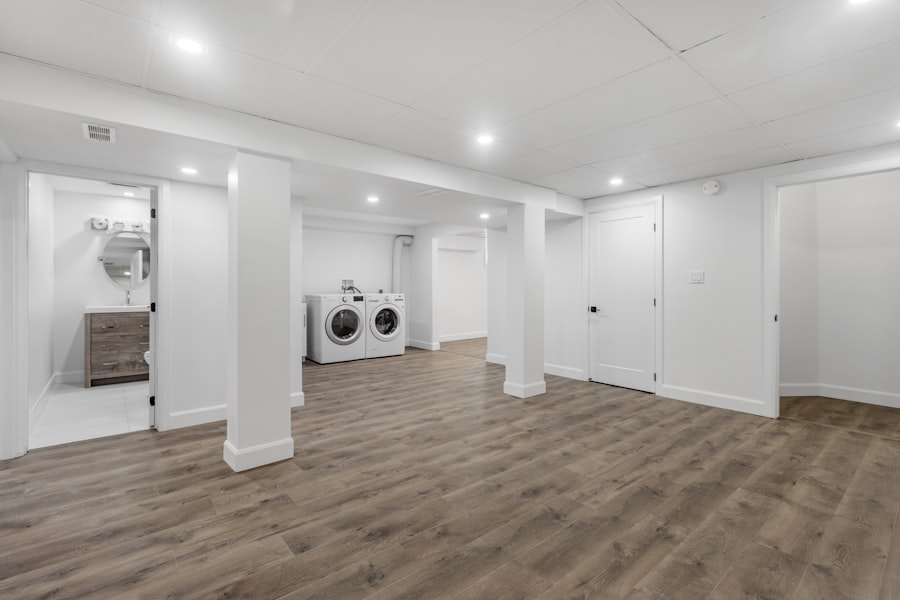
A functional layout is essential for maximizing the usability of a home’s space. Open-concept designs have gained popularity as they create a sense of spaciousness and facilitate social interaction among family members. For example, combining the kitchen, dining, and living areas into one cohesive space allows for seamless movement and communication during gatherings.
However, it is crucial to balance openness with designated areas that serve specific purposes; this can be achieved through strategic furniture placement or the use of room dividers. Space optimization goes hand-in-hand with layout design. Innovative storage solutions such as built-in shelves, under-stair storage, and multi-functional furniture can help homeowners make the most of limited square footage.
For instance, a sofa bed can transform a living room into a guest room when needed, while ottomans with hidden compartments can provide additional seating without sacrificing storage space. Furthermore, vertical storage options like wall-mounted shelves can draw the eye upward, creating an illusion of height in smaller rooms. By thoughtfully considering both layout and storage solutions, homeowners can create environments that are not only aesthetically pleasing but also highly functional.
Adequate Storage Solutions
Adequate storage solutions are vital for maintaining an organized and clutter-free living environment. In modern homes where space may be at a premium, effective storage becomes even more critical. Custom cabinetry in kitchens and bathrooms can provide tailored solutions that maximize every inch of available space.
For example, pull-out pantry shelves allow homeowners to access items easily without having to dig through deep cabinets. Similarly, built-in closets with adjustable shelving can accommodate various items while keeping them neatly stored away.
Wall-mounted racks for bicycles or hooks for outdoor gear can free up floor space while keeping items easily accessible. Furthermore, incorporating furniture with built-in storage—such as beds with drawers underneath or coffee tables with lift-top compartments—can provide additional options for stowing away belongings without compromising on style or functionality. By prioritizing adequate storage solutions, homeowners can create environments that promote organization and efficiency.
Well-Maintained and Safe Environment
A well-maintained and safe environment is paramount for ensuring the health and well-being of residents. Regular maintenance tasks such as cleaning gutters, servicing HVAC systems, and inspecting roofs can prevent larger issues from arising down the line. For instance, neglecting roof maintenance can lead to leaks that compromise structural integrity and create hazardous living conditions.
Homeowners should establish a routine maintenance schedule to address these tasks proactively. Safety features are equally important in creating a secure living environment. Installing smoke detectors, carbon monoxide detectors, and security systems can provide peace of mind for residents.
Additionally, ensuring that stairways are well-lit and equipped with handrails can prevent accidents in homes with multiple levels. Outdoor spaces should also be considered; proper lighting in walkways and secure fencing around pools can enhance safety for children and pets alike. By prioritizing maintenance and safety features, homeowners can foster an environment that supports both comfort and security.
Access to Outdoor Space
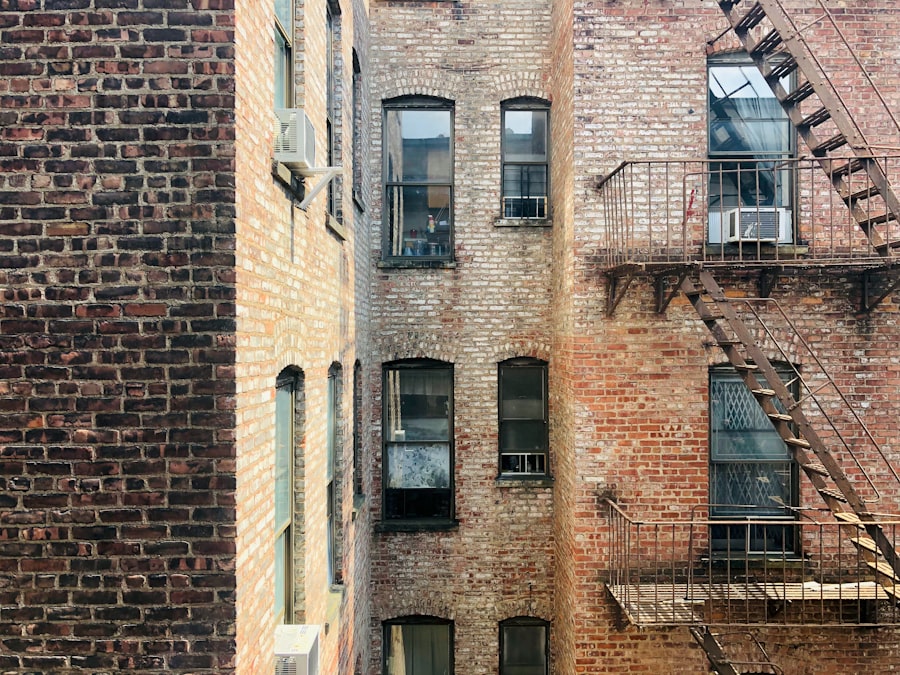
Access to outdoor space is a significant factor in enhancing the quality of life within a home. Outdoor areas such as gardens, patios, or balconies provide opportunities for relaxation, recreation, and socialization. A well-designed outdoor space can serve as an extension of the home itself; for example, a patio equipped with comfortable seating and a grill can become a favorite gathering spot during warm months.
Landscaping elements such as trees and shrubs not only beautify the area but also provide shade and privacy. Moreover, outdoor spaces contribute positively to mental health by offering residents a connection to nature. Studies have shown that spending time outdoors can reduce stress levels and improve overall well-being.
Incorporating features like vegetable gardens or flower beds encourages residents to engage with their surroundings actively while promoting sustainability through homegrown produce. Access to outdoor space fosters a sense of community as well; neighborhoods with parks or communal gardens often see increased social interaction among residents.
Soundproofing and Privacy
Soundproofing is an essential consideration in residential design that directly impacts comfort and privacy. In urban environments where noise pollution is prevalent, effective soundproofing measures can create a sanctuary within the home. Techniques such as using sound-absorbing materials in walls and ceilings or installing double-glazed windows can significantly reduce external noise intrusion.
For instance, homes located near busy streets may benefit from acoustic panels that dampen sound waves while enhancing aesthetic appeal. Privacy is another critical aspect of residential design that goes hand-in-hand with soundproofing. Thoughtful placement of windows and landscaping elements like hedges or fences can shield outdoor spaces from prying eyes while allowing natural light to filter through.
Interior design choices such as room layouts that separate private areas from communal spaces also contribute to a sense of privacy within the home. By prioritizing soundproofing and privacy measures, homeowners can create tranquil environments conducive to relaxation and personal reflection.
Updated and Modern Amenities
Updated and modern amenities play a pivotal role in enhancing the functionality and appeal of a home. Homeowners increasingly seek features that not only improve convenience but also align with contemporary lifestyles. Smart home technology has revolutionized how residents interact with their living spaces; devices such as smart thermostats, lighting systems, and security cameras allow for remote control via smartphones or voice commands.
For example, smart thermostats learn user preferences over time, optimizing energy usage while maintaining comfort levels. In addition to smart technology, modern amenities often include energy-efficient appliances that reduce environmental impact while saving on utility bills. Energy Star-rated refrigerators, dishwashers, and washing machines consume less energy than their traditional counterparts without sacrificing performance.
Furthermore, incorporating sustainable materials such as bamboo flooring or recycled countertops reflects a commitment to eco-friendly living while enhancing aesthetic appeal. By integrating updated amenities into their homes, residents can enjoy enhanced convenience while contributing positively to environmental sustainability.
Proximity to Public Transportation and Amenities
Proximity to public transportation and essential amenities is a significant consideration for many homebuyers today. Living near public transit options such as bus stops or train stations provides residents with convenient access to employment centers, educational institutions, and recreational activities without relying solely on personal vehicles. This accessibility not only reduces commuting times but also promotes sustainable living by encouraging the use of public transport over cars.
In addition to transportation options, proximity to amenities such as grocery stores, healthcare facilities, parks, and entertainment venues enhances overall quality of life. Neighborhoods with walkable access to these services foster community engagement by encouraging residents to explore their surroundings on foot or by bike. For instance, communities designed with pedestrian-friendly pathways often see increased social interaction among residents as they frequent local shops or parks together.
By prioritizing proximity to public transportation and amenities, homeowners can enjoy greater convenience while contributing to vibrant community dynamics.
Community and Neighborhood Engagement
Community engagement is an essential aspect of creating a fulfilling living experience within residential neighborhoods. Active participation in local events fosters connections among residents while promoting a sense of belonging. Neighborhood associations often organize activities such as block parties or clean-up days that encourage residents to come together for shared goals.
These interactions not only strengthen community ties but also enhance safety through increased vigilance among neighbors. Moreover, engaged communities tend to advocate for improvements in local infrastructure and services. Residents who actively participate in town hall meetings or community forums have the opportunity to voice their concerns regarding issues such as traffic safety or park maintenance.
This collective action can lead to positive changes that benefit everyone in the neighborhood—such as improved public spaces or enhanced public safety measures—ultimately contributing to an enriched living environment.
Affordability and Cost-Effective Living Options
Affordability remains a critical factor in housing decisions for many individuals and families today. As housing prices continue to rise in urban areas, finding cost-effective living options becomes increasingly important for maintaining financial stability without sacrificing quality of life. One approach is exploring alternative housing models such as co-housing or tiny homes that offer lower costs while fostering community living.
Additionally, energy-efficient upgrades can lead to long-term savings on utility bills; investing in insulation or energy-efficient appliances may require upfront costs but often results in significant savings over time. Programs offering financial incentives for sustainable upgrades further enhance affordability by making these improvements more accessible to homeowners on tight budgets. By prioritizing affordability through innovative housing solutions and energy-efficient practices, individuals can achieve comfortable living arrangements without compromising their financial well-being.
In exploring what makes a Brooklyn basement apartment truly livable, it’s essential to consider various aspects of basement remodeling that can transform a space into a comfortable and functional living area. A related article that provides valuable insights is Renovation Tips: Transform Your Space. This article offers practical advice on how to effectively renovate a basement, focusing on maximizing space, enhancing lighting, and selecting the right materials to create a welcoming environment. By integrating these renovation tips, you can ensure that your basement apartment not only meets livability standards but also becomes a stylish and inviting home.
FAQs
What are the key factors that make a Brooklyn basement apartment truly livable?
The key factors that make a Brooklyn basement apartment truly livable include natural light, proper ventilation, adequate ceiling height, soundproofing, and access to outdoor space.
How can natural light be incorporated into a Brooklyn basement apartment?
Natural light can be incorporated into a Brooklyn basement apartment through the use of window wells, light wells, or strategically placed windows to allow sunlight to enter the space.
What are some ways to ensure proper ventilation in a Brooklyn basement apartment?
Proper ventilation in a Brooklyn basement apartment can be ensured through the installation of exhaust fans, air vents, and dehumidifiers to prevent moisture buildup and improve air circulation.
What is considered adequate ceiling height for a Brooklyn basement apartment?
Adequate ceiling height for a Brooklyn basement apartment is typically considered to be at least 7 feet to create a more open and spacious feel within the living space.
How can soundproofing be implemented in a Brooklyn basement apartment?
Soundproofing in a Brooklyn basement apartment can be implemented through the use of soundproof insulation, acoustic panels, and double-paned windows to minimize noise from the outside environment.
Why is access to outdoor space important for a Brooklyn basement apartment?
Access to outdoor space is important for a Brooklyn basement apartment as it provides residents with a connection to nature, fresh air, and additional living space for relaxation and recreation.