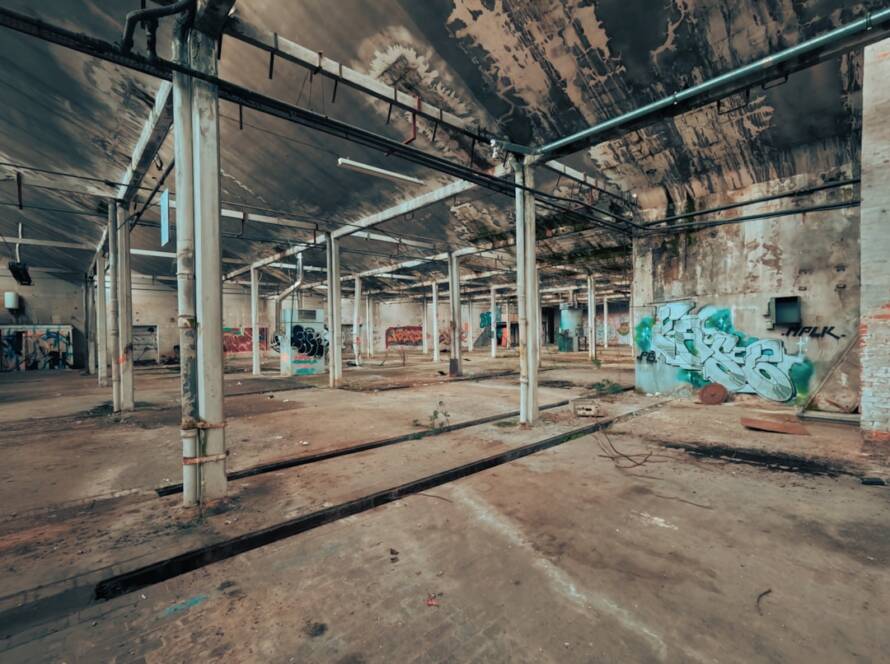
The basement environment is unique and often presents challenges that differ significantly from other areas of a home. Typically, basements are located below ground level, which means they are more susceptible to moisture intrusion, temperature fluctuations, and limited natural light. These factors can influence not only the comfort of the space but also the choice of flooring materials.
Understanding the specific characteristics of a basement is crucial for homeowners looking to create a functional and inviting in-law suite. Basements often have concrete floors, which can be cold and uninviting. This is compounded by the fact that they are usually less insulated than other parts of the house.
The lack of insulation can lead to drafts and temperature inconsistencies, making it essential to choose flooring that can withstand these conditions while also providing warmth and comfort. Additionally, basements may have lower ceilings, which can affect the overall design and feel of the space. Therefore, when planning a basement in-law suite, it is vital to consider how the flooring will interact with these environmental factors.
Key Takeaways
- The basement environment can be prone to moisture and humidity, making it important to choose flooring options that can withstand these conditions.
- When considering moisture and humidity, it’s crucial to explore flooring options that are resistant to water damage and mold growth.
- Durability and maintenance should be key factors when assessing flooring options for a basement in-law suite, as the space may experience heavy foot traffic and potential wear and tear.
- Balancing aesthetics and functionality is essential when choosing flooring for a basement in-law suite, as it should complement the overall design while also being practical for the space.
- Budgeting for flooring installation in a basement in-law suite should include not only the cost of materials, but also professional installation and potential maintenance expenses.
Considering Moisture and Humidity
Moisture and humidity are two critical factors that must be taken into account when selecting flooring for a basement in-law suite. Basements are prone to dampness due to their subterranean location, which can lead to mold growth and structural damage if not properly managed. High humidity levels can also affect the integrity of certain flooring materials, making it essential to choose options that are resistant to moisture.
For instance, vinyl and tile are often recommended for basements because they are less likely to warp or swell when exposed to moisture. In addition to selecting moisture-resistant materials, homeowners should also consider implementing a comprehensive moisture control strategy. This may include installing a dehumidifier to maintain optimal humidity levels, sealing any cracks in the foundation, and ensuring proper drainage around the exterior of the home.
By addressing moisture issues proactively, homeowners can create a healthier living environment while extending the lifespan of their chosen flooring materials.
Exploring Flooring Options
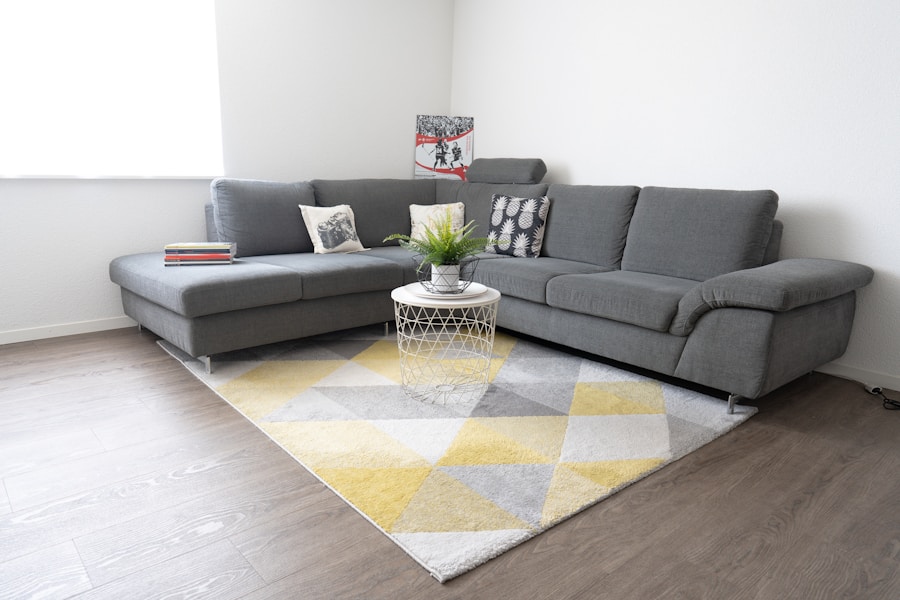
When it comes to flooring options for a basement in-law suite, there is a wide array of materials available, each with its own set of advantages and disadvantages. One popular choice is luxury vinyl plank (LVP), which mimics the appearance of hardwood while offering superior water resistance. LVP is not only durable but also comfortable underfoot, making it an excellent option for creating a cozy atmosphere in a basement suite.
Additionally, its ease of installation and maintenance makes it appealing for homeowners looking for a practical solution.
Tiles come in various styles and colors, allowing homeowners to customize their space according to their aesthetic preferences.
However, while tiles are durable, they can be cold and hard underfoot, which may necessitate the addition of area rugs or underfloor heating systems for added comfort. Carpet tiles are also worth considering; they provide warmth and comfort while being relatively easy to replace if damaged.
Assessing Durability and Maintenance
Durability is a crucial factor when selecting flooring for a basement in-law suite, as this space will likely experience high foot traffic and potential wear over time. Materials such as luxury vinyl and tile are known for their resilience against scratches, dents, and stains, making them ideal choices for busy households. In contrast, traditional hardwood flooring may not hold up as well in a basement environment due to its susceptibility to moisture damage.
Maintenance requirements also play a significant role in the decision-making process. Some flooring options require regular sealing or special cleaning products to maintain their appearance and functionality. For instance, while tile floors are easy to clean with standard household cleaners, grout lines may require periodic sealing to prevent staining and moisture infiltration.
On the other hand, luxury vinyl plank flooring typically requires minimal maintenance—regular sweeping and occasional mopping are usually sufficient to keep it looking new.
Balancing Aesthetics and Functionality
Creating an inviting atmosphere in a basement in-law suite involves striking a balance between aesthetics and functionality. Homeowners often desire a space that feels warm and welcoming while also being practical for everyday use. Flooring plays a significant role in achieving this balance; for example, choosing a warm-toned luxury vinyl plank can create an inviting ambiance while still providing durability against moisture.
Incorporating design elements such as area rugs can enhance the aesthetic appeal of the space while adding comfort underfoot. Rugs can also help define different areas within the suite, such as separating the sleeping area from the living space. Additionally, color choices can influence how spacious or cozy the room feels; lighter colors tend to make spaces appear larger, while darker tones can create an intimate atmosphere.
Ultimately, homeowners should consider how their flooring choices will complement their overall design vision while meeting practical needs.
Budgeting for Flooring Installation

Budgeting for flooring installation in a basement in-law suite requires careful consideration of both material costs and labor expenses. The price of flooring materials can vary widely based on quality, brand, and type; for instance, luxury vinyl plank may range from $2 to $7 per square foot, while high-end ceramic tiles can cost upwards of $10 per square foot or more. Homeowners should also factor in additional costs such as underlayment, adhesives, or moisture barriers that may be necessary for certain installations.
Labor costs can also significantly impact the overall budget. Hiring professional installers ensures that the flooring is laid correctly and efficiently but can add anywhere from $1 to $5 per square foot to the total cost depending on the complexity of the job. Homeowners who are handy may consider DIY installation as a way to save money; however, it’s essential to have a clear understanding of the installation process and any necessary tools before embarking on this route.
Seeking Professional Advice and Installation
Consulting with professionals can provide invaluable insights when selecting flooring for a basement in-law suite. Flooring specialists can offer guidance on the best materials suited for specific environmental conditions while considering factors such as foot traffic and aesthetic preferences. They can also help homeowners navigate potential pitfalls related to moisture management and installation techniques.
Experienced installers understand how to properly prepare the subfloor and address any moisture issues that may arise during installation. Additionally, many manufacturers offer warranties on their products when installed by certified professionals, providing homeowners with peace of mind regarding their investment.
Maintaining the Basement In-Law Suite Flooring
Once the flooring has been installed in a basement in-law suite, ongoing maintenance is essential to ensure its longevity and appearance. Regular cleaning routines should be established based on the type of flooring chosen; for example, luxury vinyl plank typically requires sweeping or vacuuming followed by damp mopping with a gentle cleaner designed for vinyl surfaces. Tile floors may need more frequent scrubbing of grout lines to prevent discoloration.
In addition to routine cleaning, homeowners should periodically inspect their flooring for signs of wear or damage. Addressing issues such as scratches or loose tiles promptly can prevent more significant problems down the line. For carpets or carpet tiles, regular vacuuming and occasional deep cleaning will help maintain their appearance and hygiene.
By implementing these maintenance practices, homeowners can ensure that their basement in-law suite remains a comfortable and inviting space for years to come.
When considering how to choose the best flooring for a basement in-law suite in Brooklyn, it is important to also think about the overall design and layout of the space. A related article that could provide valuable insights is Basement Bar Lounge Installations. This article discusses how to create a stylish and functional bar and lounge area in a basement, which could be a great addition to an in-law suite. By incorporating elements from this article into your basement renovation project, you can create a space that is not only comfortable for guests but also perfect for entertaining.
FAQs
What are the factors to consider when choosing flooring for a basement in-law suite in Brooklyn?
When choosing flooring for a basement in-law suite in Brooklyn, it’s important to consider factors such as moisture resistance, durability, comfort, and style. Since basements are prone to moisture, it’s crucial to select flooring that can withstand potential water damage.
What are some moisture-resistant flooring options for a basement in-law suite?
Some moisture-resistant flooring options for a basement in-law suite in Brooklyn include luxury vinyl planks, ceramic or porcelain tile, and concrete. These materials are less susceptible to water damage and can withstand the humidity levels often found in basements.
What are the most durable flooring options for a basement in-law suite?
The most durable flooring options for a basement in-law suite in Brooklyn include ceramic or porcelain tile, luxury vinyl planks, and concrete. These materials are resistant to wear and tear, making them suitable for high-traffic areas.
What are the most comfortable flooring options for a basement in-law suite?
For comfort in a basement in-law suite, consider options such as carpet, cork, or engineered wood. These materials provide a softer feel underfoot and can help to insulate the space, making it more comfortable for living and walking.
What flooring options are popular for basement in-law suites in Brooklyn?
Popular flooring options for basement in-law suites in Brooklyn include luxury vinyl planks, ceramic or porcelain tile, and engineered wood. These materials offer a combination of style, durability, and moisture resistance, making them well-suited for basement living spaces.