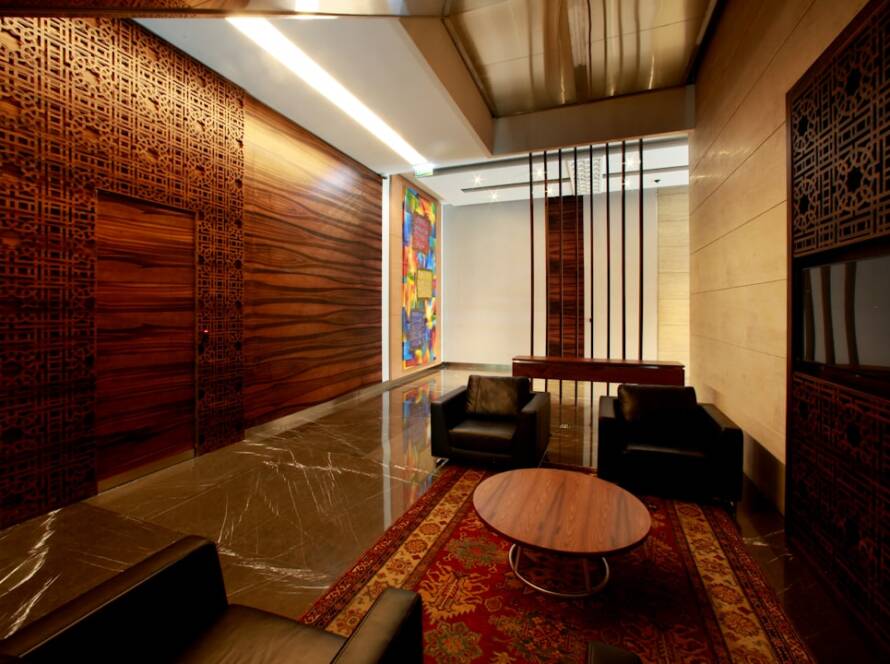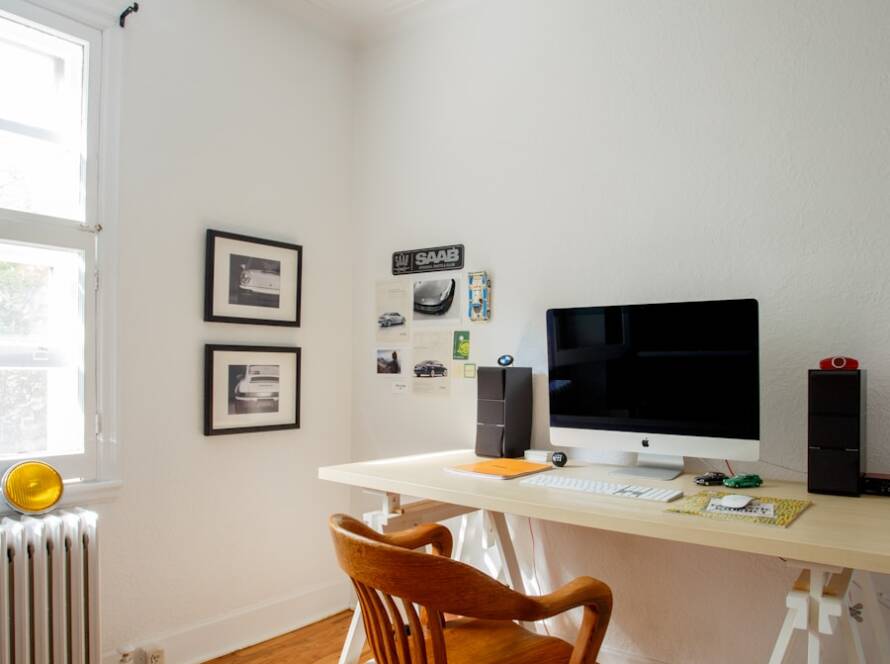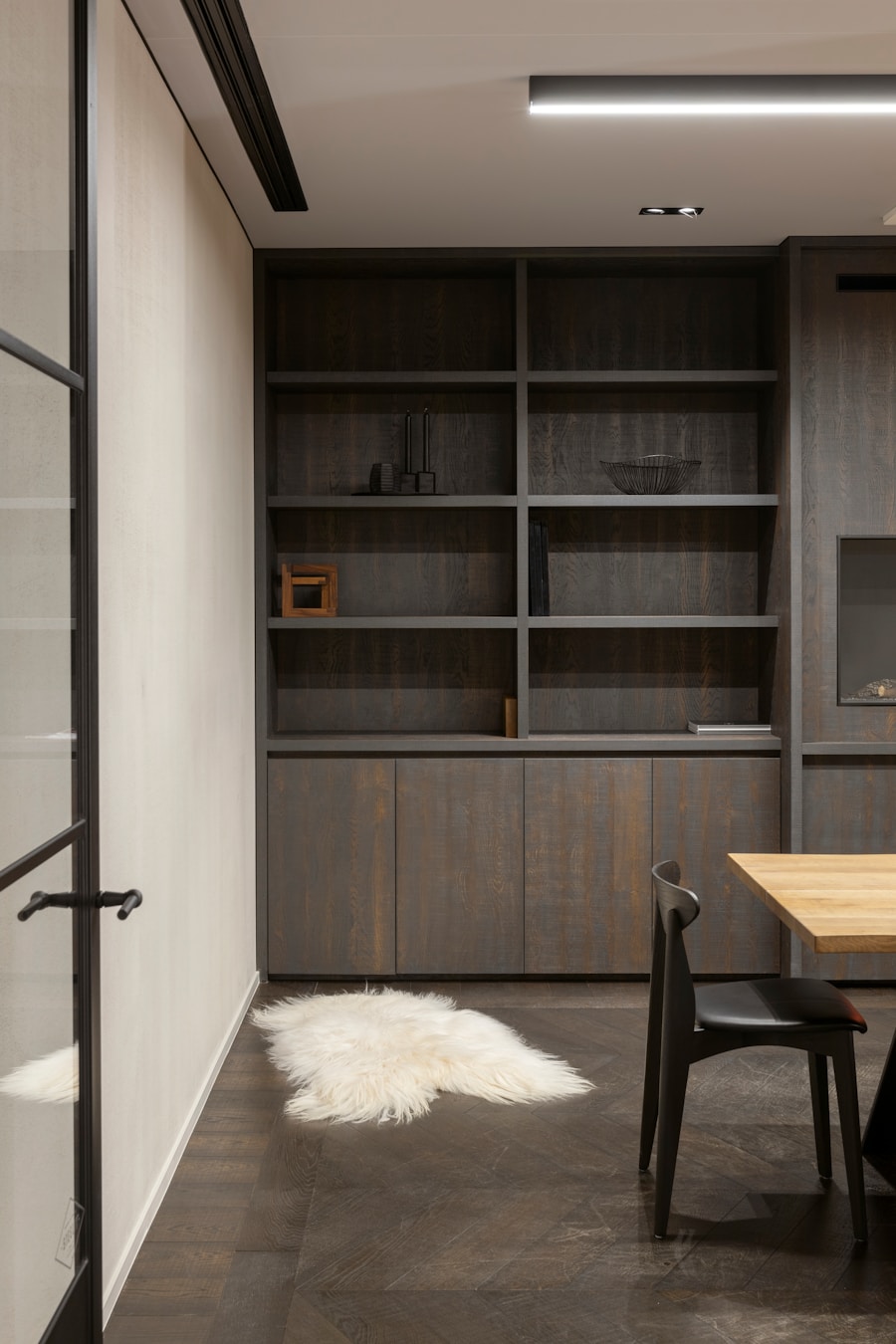
Custom shelving in a basement office offers a multitude of advantages that can significantly enhance both the functionality and aesthetics of the space. One of the primary benefits is the ability to tailor the shelving to fit the unique dimensions and layout of the basement. Unlike pre-fabricated shelving units, which may not utilize the available space efficiently, custom shelving can be designed to maximize every inch.
By creating bespoke shelving, you can ensure that every corner is utilized effectively, providing ample storage for books, files, and office supplies. Moreover, custom shelving allows for a personalized touch that reflects your style and needs.
Whether you prefer a minimalist design or something more ornate, custom shelving can be crafted to match your vision. This personalization extends beyond aesthetics; it also encompasses functionality. For instance, you can incorporate specific features such as adjustable shelves, built-in lighting, or even hidden compartments for sensitive materials.
This level of customization not only enhances the usability of your basement office but also creates an environment that inspires productivity and creativity.
Key Takeaways
- Custom shelving in your basement office can maximize space and improve organization
- Consider design elements such as size, shape, and color when planning custom shelving
- Choose durable and moisture-resistant materials for custom shelving in a basement environment
- Utilize vertical space and incorporate multi-functional shelving to maximize storage
- Incorporate features like built-in desks and lighting to enhance the functionality of your basement office with custom shelving
Design Considerations for Custom Shelving in a Basement Office
When embarking on the journey of designing custom shelving for your basement office, several key considerations must be taken into account to ensure that the final product meets your needs effectively.
Basements often have unique architectural features such as sloped ceilings or exposed beams that can influence shelving design.
It’s essential to measure the available space accurately and consider how the shelving will interact with these features. For example, if you have a low ceiling, opting for shorter shelves or vertical storage solutions can help maintain an open feel while still providing necessary storage. Another critical design consideration is the intended use of the shelving.
Will it primarily hold books and documents, or will it also display decorative items? Understanding the purpose of your shelving will guide decisions regarding shelf depth, spacing, and materials. If you plan to store heavier items like binders or equipment, sturdier materials and reinforced shelving may be necessary.
Conversely, if your focus is on displaying awards or personal memorabilia, you might prioritize aesthetics over weight-bearing capacity. Additionally, think about how the shelving will integrate with other elements in your office, such as desks and seating arrangements, to create a cohesive and functional workspace.
Finding the Right Materials for Custom Shelving

Selecting the appropriate materials for custom shelving is crucial in achieving both durability and visual appeal. The choice of material will largely depend on the intended use of the shelves as well as the overall design aesthetic of your basement office. Common materials include wood, metal, and engineered composites, each offering distinct advantages.
Solid wood is often favored for its classic look and strength; however, it can be susceptible to moisture damage in basements unless properly treated or sealed. Plywood or MDF (medium-density fiberboard) can be excellent alternatives, providing a smooth surface for painting or veneering while being more resistant to warping. Metal shelving is another option that has gained popularity due to its industrial aesthetic and durability.
Metal shelves can support significant weight and are often used in combination with wood for a mixed-material look that adds character to the space. Additionally, consider finishes that complement your office decor; for instance, powder-coated metal can come in various colors to match your design scheme. When selecting materials, it’s also essential to factor in maintenance requirements; some materials may require more upkeep than others to maintain their appearance over time.
Maximizing Space with Custom Shelving in a Basement Office
Maximizing space in a basement office through custom shelving involves strategic planning and innovative design solutions. One effective approach is to utilize vertical space by installing tall shelving units that reach up to the ceiling. This not only draws the eye upward, creating an illusion of height in a potentially cramped area but also provides additional storage without taking up valuable floor space.
Incorporating ladder systems or rolling shelves can further enhance accessibility to higher shelves while maintaining a sleek look. Another strategy is to create multi-functional shelving units that serve more than one purpose. For example, a shelf can double as a workspace by incorporating a fold-down desk feature or include built-in lighting for added functionality.
Corner shelves are also an excellent way to utilize otherwise wasted space; they can be designed to fit snugly into corners while providing ample storage for books or decorative items. By thinking creatively about how to use every inch of your basement office, you can create a highly efficient workspace that feels open and organized.
Incorporating Functionality into Your Basement Office with Custom Shelving
Functionality is paramount when designing custom shelving for a basement office, as it directly impacts productivity and organization. One way to enhance functionality is by incorporating adjustable shelves that can be repositioned based on changing needs. This flexibility allows you to accommodate different types of items over time without needing to invest in new shelving units.
Additionally, integrating built-in features such as cable management systems can help keep cords organized and out of sight, contributing to a cleaner workspace. Another functional aspect to consider is the inclusion of dedicated spaces for specific items. For instance, creating designated areas for office supplies, technology equipment, or reference materials can streamline your workflow and make it easier to find what you need when you need it.
You might also consider adding pull-out drawers or bins within your shelving units for smaller items that could easily get lost on open shelves. By prioritizing functionality in your custom shelving design, you create an environment that supports your work habits and enhances overall efficiency.
Custom Shelving Installation Considerations for Your Basement Office
The installation process for custom shelving in a basement office requires careful planning and execution to ensure safety and stability. One of the first considerations is assessing the wall structure where the shelves will be mounted. Basements often have concrete walls or other materials that may require special anchors or brackets for secure installation.
It’s crucial to use appropriate hardware that can support the weight of the shelves and their contents while adhering to local building codes. Additionally, consider the layout during installation to ensure that shelves are positioned at comfortable heights for accessibility. This may involve adjusting shelf heights based on who will be using the office most frequently—whether it’s you or other family members or employees.
If you’re not comfortable with DIY installation, hiring a professional can ensure that everything is installed correctly and safely, providing peace of mind that your custom shelving will stand the test of time.
Tips for Organizing and Styling Your Custom Shelving in Your Basement Office
Once your custom shelving is installed, organizing and styling it effectively can transform your basement office into an inviting and functional workspace. Start by categorizing items based on their use; for example, keep frequently accessed materials at eye level while storing less-used items higher up or further back on shelves. Utilizing bins or baskets can help contain smaller items and prevent clutter from accumulating on open shelves.
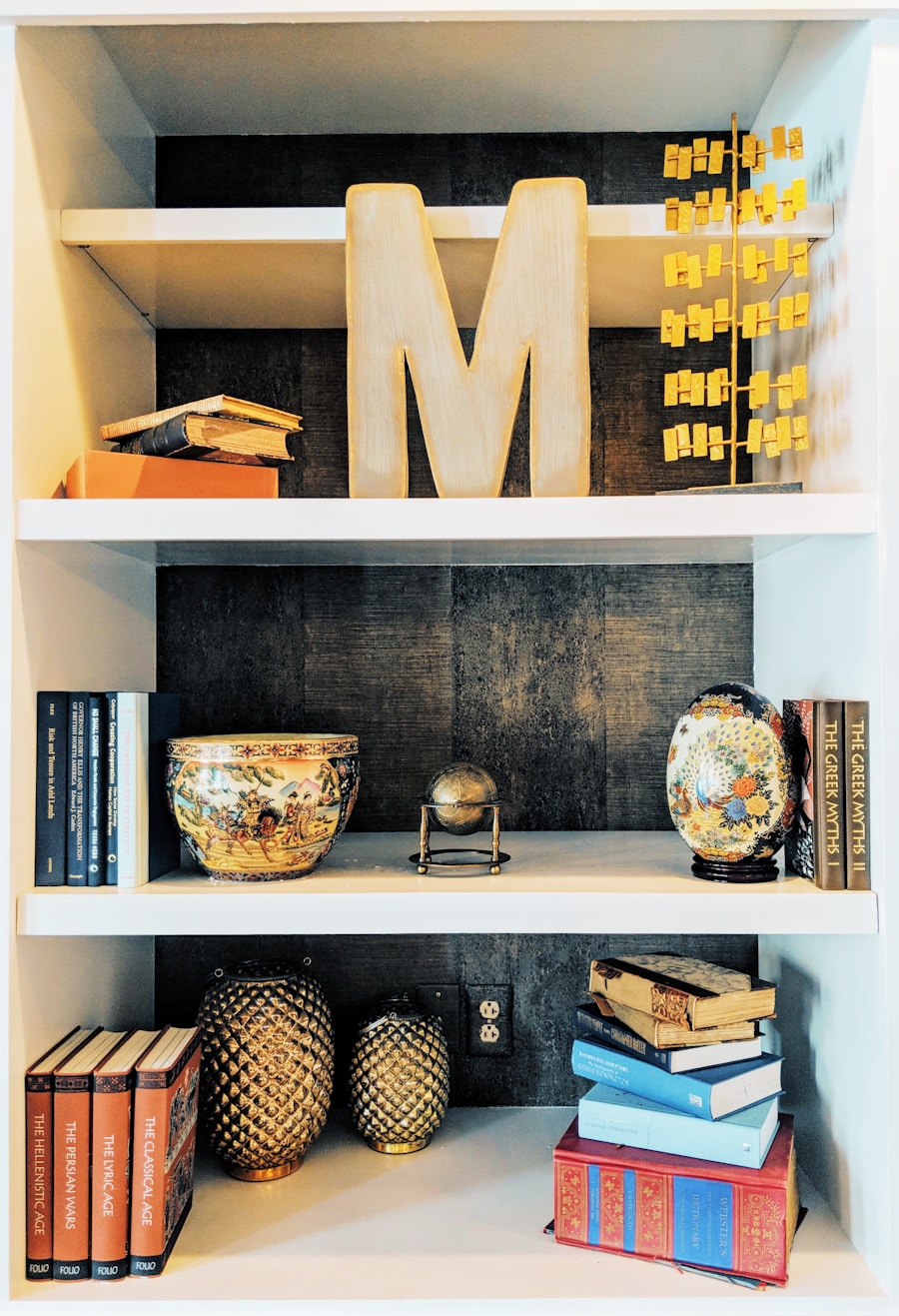
Styling your shelves is equally important in creating an aesthetically pleasing environment. Incorporate decorative elements such as plants, framed photos, or art pieces alongside functional items like books and files. Mixing textures—such as wood with metal accents—can add visual interest while maintaining a cohesive look throughout the office.
Remember that less is often more; leaving some space empty can create a sense of balance and prevent overcrowding.
Budgeting for Custom Shelving in Your Basement Office Remodel
Budgeting for custom shelving in your basement office remodel requires careful consideration of various factors including materials, design complexity, and installation costs. Begin by determining how much you are willing to invest in this aspect of your remodel; this will guide your choices throughout the process. Custom shelving can range significantly in price depending on whether you opt for high-end materials like solid hardwood or more economical options like MDF.
It’s also wise to account for additional costs such as professional installation if you choose not to undertake this task yourself. Don’t forget to include expenses related to finishing touches like paint or stain if you plan to customize the appearance further after installation. By creating a detailed budget that encompasses all aspects of your custom shelving project, you can ensure that you stay within financial limits while achieving a functional and stylish basement office space tailored to your needs.
When redesigning your basement office in Brooklyn, consider incorporating custom shelving to maximize space and organization. Custom shelving can provide a sleek and modern look while also serving a practical purpose. For more inspiration on how to transform your basement into a functional and stylish space, check out this article on outdoor oasis remodeling ideas for your backyard. This article offers creative ideas on how to create a relaxing and inviting outdoor space, which can serve as a great source of inspiration for your basement office remodel.
FAQs
What are the benefits of incorporating custom shelving in a basement office remodel?
Custom shelving in a basement office remodel can maximize storage space, create a more organized and efficient workspace, and add a personalized touch to the design.
What are some popular materials for custom shelving in a basement office remodel?
Popular materials for custom shelving in a basement office remodel include wood, metal, and laminate. Each material offers different aesthetic and functional benefits.
How can custom shelving be tailored to fit the specific needs of a basement office?
Custom shelving can be tailored to fit the specific needs of a basement office by considering the types of items that need to be stored, the available space, and the overall design aesthetic of the office.
What are some design considerations for incorporating custom shelving in a basement office remodel?
Design considerations for incorporating custom shelving in a basement office remodel include the overall style of the office, the desired level of visibility for the shelving, and the integration of the shelving with other design elements.
What are the potential cost considerations for incorporating custom shelving in a basement office remodel?
Cost considerations for incorporating custom shelving in a basement office remodel include the materials used, the size and complexity of the shelving design, and any additional features such as lighting or built-in desk space.