When embarking on the journey of designing a basement kitchenette, the first step is to thoroughly assess the space at hand. This involves not only measuring the dimensions of the area but also considering its overall layout and functionality. A basement kitchenette often serves multiple purposes, from a casual dining area to a space for entertaining guests or even a secondary cooking zone for larger households.
Understanding how you intend to use the kitchenette will guide your decisions regarding appliances, storage solutions, and, importantly, lighting. The layout of your basement kitchenette should facilitate ease of movement and accessibility. For instance, if you envision hosting gatherings, an open layout that connects seamlessly with a living area can enhance social interactions.
Conversely, if the kitchenette is primarily for personal use, a more compact design may suffice. Consider the placement of essential appliances such as the refrigerator, sink, and stove; they should be arranged in a manner that promotes efficiency. The classic work triangle—where the sink, stove, and refrigerator form a triangular layout—can be particularly effective in optimizing workflow.
Additionally, take note of any architectural features such as support beams or low ceilings that may influence your design choices.
Key Takeaways
- Understanding the layout and functionality of your basement kitchenette is crucial for assessing the space effectively.
- When choosing lighting fixtures for your basement kitchenette, consider options that provide adequate illumination and complement the overall design.
- Layering light in your basement kitchenette helps create a balanced and functional lighting scheme that caters to different needs and activities.
- Utilize windows and other sources of natural light to maximize the brightness and warmth in your basement kitchenette.
- Ensure adequate task lighting in cooking and food preparation areas to facilitate safe and efficient work in your basement kitchenette.
Choosing the Right Lighting Fixtures: Finding the Best Options for Your Basement Kitchenette
Considering Style and Functionality
When choosing lighting, consider the style of your kitchenette—whether it leans towards modern minimalism, rustic charm, or something in between.
Task Lighting and Ambiance
In addition to style, functionality should be at the forefront of your decision-making process. For instance, if your kitchenette features a breakfast bar or dining area, consider installing adjustable pendant lights that can be dimmed to create a cozy atmosphere during meals.
Under-Cabinet Lighting Options
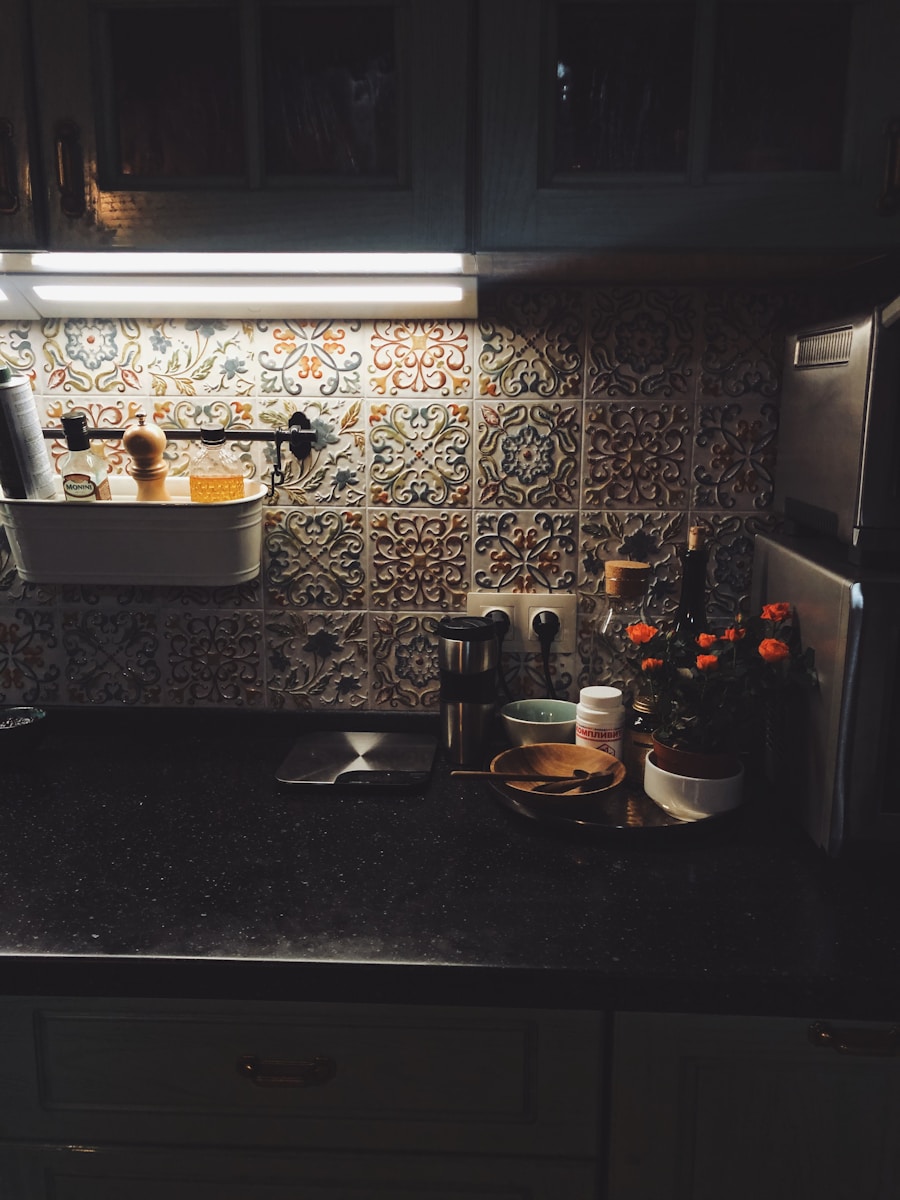
Under-cabinet lighting is another excellent option for enhancing visibility in work areas without overwhelming the space with brightness. LED strip lights can be easily installed beneath cabinets to provide task lighting while also adding a modern touch to your kitchenette.
Layering Light: Creating a Balanced and Functional Lighting Scheme
A well-designed lighting scheme incorporates multiple layers of light to achieve balance and functionality. This approach typically includes ambient, task, and accent lighting, each serving a distinct purpose while contributing to the overall atmosphere of the kitchenette. Ambient lighting provides general illumination and sets the stage for the space; it can be achieved through ceiling-mounted fixtures or wall sconces that distribute light evenly throughout the area.
Task lighting is essential for specific activities such as cooking and food preparation. This type of lighting should be strategically placed to illuminate work surfaces without casting shadows. For example, installing pendant lights directly above countertops or using under-cabinet lights can ensure that these areas are well-lit during meal prep.
Accent lighting, on the other hand, adds visual interest by highlighting architectural features or decorative elements within the kitchenette. This could include spotlighting artwork or using backlit shelves to showcase glassware or cookbooks.
Maximizing Natural Light: Utilizing Windows and Other Sources of Natural Light
Natural light can significantly enhance the ambiance of a basement kitchenette, making it feel more spacious and inviting. If your basement has windows, consider how to maximize this natural light source. Opt for sheer window treatments that allow sunlight to filter through while maintaining privacy.
Additionally, strategically placing mirrors can help reflect light around the room, creating an illusion of depth and brightness. If windows are limited or absent altogether, consider alternative ways to bring in natural light. Installing a skylight can be an excellent solution for illuminating a basement space without compromising privacy.
Skylights not only provide direct sunlight but also create a connection with the outdoors, making the kitchenette feel more open and airy. Another option is to incorporate light tubes or solar tubes, which channel natural light from the roof into your basement through reflective tubing.
Task Lighting: Ensuring Adequate Illumination for Cooking and Food Preparation Areas
Task lighting is paramount in any kitchen setting, but it becomes even more critical in a basement kitchenette where natural light may be limited. Proper task lighting ensures that cooking and food preparation areas are well-lit, reducing the risk of accidents and enhancing efficiency during meal prep. When planning your task lighting, focus on key areas such as countertops, sinks, and cooking surfaces.
Under-cabinet lighting is one of the most effective ways to provide task illumination in a basement kitchenette. By installing LED strip lights or puck lights beneath cabinets, you can create a bright workspace that makes chopping vegetables or reading recipes much easier. Additionally, consider using adjustable fixtures that allow you to direct light exactly where it’s needed most.
For instance, swing-arm wall sconces can be positioned over specific work areas to provide focused illumination without cluttering countertops with additional fixtures.
Ambient Lighting: Setting the Mood and Creating a Warm, Inviting Atmosphere
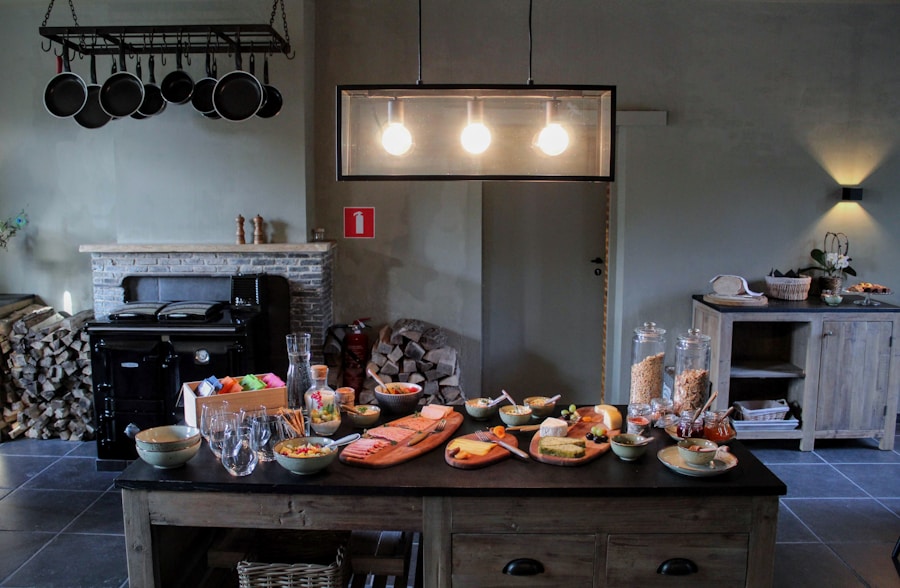
Ambient lighting plays a crucial role in establishing the overall mood of your basement kitchenette. It provides general illumination that allows occupants to navigate the space comfortably while also contributing to its aesthetic appeal. The key to effective ambient lighting lies in its ability to create a warm and inviting atmosphere that encourages social interaction and relaxation.
To achieve this effect, consider using dimmable fixtures that allow you to adjust the brightness according to different occasions. For example, brighter settings may be ideal for cooking or cleaning tasks, while softer lighting can create a cozy environment for entertaining guests or enjoying family meals. Incorporating warm-toned bulbs can also enhance the inviting quality of your ambient lighting; these bulbs emit a soft glow that mimics natural sunlight and fosters a sense of comfort.
Accent Lighting: Highlighting Architectural Features and Adding Visual Interest
Accent lighting serves as an artistic element within your basement kitchenette design by drawing attention to specific features or decor items. This type of lighting can transform an ordinary space into one that feels curated and thoughtfully designed. Whether it’s highlighting unique architectural details like exposed beams or showcasing decorative elements such as artwork or stylish dishware, accent lighting adds depth and character to your kitchenette.
Consider using track lighting or adjustable spotlights to create dynamic accent features throughout your space. For instance, you might install track lights along a wall displaying framed photographs or artwork to create a gallery-like effect. Alternatively, backlighting shelves with LED strips can add an ethereal glow that highlights glassware or cookbooks while providing additional ambient light in the room.
Maintenance and Safety: Ensuring Proper Installation and Regular Maintenance of Your Basement Kitchenette Lighting
Once you have established an effective lighting scheme for your basement kitchenette, it’s essential to prioritize maintenance and safety to ensure longevity and functionality. Proper installation is critical; hiring a qualified electrician can help avoid potential hazards associated with improper wiring or fixture placement. This is especially important in areas prone to moisture, such as kitchens and basements where water may accumulate.
Dust and grime can accumulate on light bulbs and fixtures over time, diminishing their brightness and efficiency. Schedule routine cleanings to wipe down surfaces and replace any burnt-out bulbs promptly.
Additionally, consider conducting periodic checks on wiring and connections to ensure everything remains secure and functional. By prioritizing maintenance and safety measures, you can enjoy a well-lit basement kitchenette that serves as both a practical cooking space and an inviting gathering area for years to come.
If you’re looking to transform your basement kitchenette into a dream space, you may want to check out this article on crafting dream homes with step-by-step transformations. This article offers innovative home solutions for a modern lifestyle, which can be particularly helpful when trying to maximize the functionality and aesthetic appeal of a compact space like a basement kitchenette. By incorporating clever architectural solutions, you can create a well-lit and stylish kitchenette that meets all your needs.
FAQs
What are the benefits of proper lighting in a basement kitchenette?
Proper lighting in a basement kitchenette can make the space feel brighter, more inviting, and safer to use. It can also help to highlight the design and features of the kitchenette.
What are some lighting options for a basement kitchenette?
Some lighting options for a basement kitchenette include recessed lighting, track lighting, pendant lights, under cabinet lighting, and wall sconces. Each option offers different benefits and can be used in combination for optimal illumination.
How can I maximize natural light in a basement kitchenette?
To maximize natural light in a basement kitchenette, consider installing larger windows or adding a window well to allow more light to enter the space. Additionally, using light-colored paint and reflective surfaces can help to bounce natural light around the room.
What are some tips for choosing the right lighting fixtures for a basement kitchenette?
When choosing lighting fixtures for a basement kitchenette, consider the size and layout of the space, the desired ambiance, and the functionality of the fixtures. It’s also important to consider energy efficiency and the overall design aesthetic of the kitchenette.
How can I ensure proper installation of lighting in a basement kitchenette?
Proper installation of lighting in a basement kitchenette involves following local building codes, hiring a licensed electrician if necessary, and ensuring that the fixtures are securely mounted and wired correctly. It’s important to prioritize safety and functionality during the installation process.