As remote work becomes increasingly prevalent, many individuals are transforming their basements into functional office spaces. However, basements often present unique challenges, such as limited natural light, temperature fluctuations, and potential dampness. To create a productive and comfortable workspace, it is essential to consider energy-efficient solutions that not only enhance the functionality of the space but also contribute to sustainability.
By implementing energy-efficient ideas, homeowners can reduce their carbon footprint while enjoying a well-designed office that meets their professional needs. Energy efficiency in a basement office goes beyond merely reducing energy consumption; it encompasses a holistic approach to design and functionality. This includes selecting appropriate materials, optimizing lighting, and ensuring proper insulation.
By focusing on these aspects, individuals can create an environment that fosters productivity while minimizing energy costs. The following sections will delve into specific strategies and solutions that can be employed to achieve an energy-efficient basement office, ensuring that the space is both comfortable and environmentally friendly.
Key Takeaways
- Proper lighting is essential for basement offices, consider LED lights and natural light sources.
- Good insulation and temperature control are crucial for a comfortable and energy-efficient basement office.
- Sustainable flooring options like bamboo or cork can enhance the eco-friendliness of a basement office.
- Energy-efficient appliances and electronics can help reduce energy consumption in a basement office.
- Incorporating natural elements like plants and natural materials can improve the overall ambiance of a basement office.
Lighting Solutions for Basement Offices
LED Lighting: A Brighter Solution
LED lighting is an effective approach, consuming significantly less energy than traditional incandescent bulbs while providing a brighter and more focused light. LED fixtures come in various styles, allowing for creative design choices that can complement the overall aesthetic of the basement office.
Desk lamps with adjustable brightness levels can provide targeted illumination for specific tasks, reducing eye strain and enhancing productivity.
Maximizing Light with Strategic Placement
Moreover, strategically placing mirrors can help reflect light throughout the room, creating an illusion of a larger space while maximizing the available light. By combining these lighting solutions, homeowners can create a well-lit environment that promotes focus and efficiency without incurring high energy costs.
Insulation and Temperature Control in Basement Offices
Basements are often prone to temperature fluctuations due to their underground location. Proper insulation is essential for maintaining a comfortable working environment while also improving energy efficiency. Insulating walls, ceilings, and floors can help regulate temperature, preventing heat loss during colder months and keeping the space cool in the summer.
Materials such as spray foam insulation or rigid foam boards are excellent choices for basement applications, as they provide superior thermal resistance and moisture control. In addition to insulation, implementing an effective temperature control system is vital for comfort in a basement office. Energy-efficient heating and cooling systems, such as ductless mini-split systems or programmable thermostats, allow for precise temperature regulation without excessive energy consumption.
These systems can be tailored to the specific needs of the basement office, ensuring that the space remains comfortable year-round. By investing in proper insulation and temperature control solutions, homeowners can create a conducive work environment while minimizing energy waste.
Sustainable Flooring Options for Basement Offices
The choice of flooring in a basement office can significantly impact both aesthetics and energy efficiency. Sustainable flooring options not only contribute to a healthier indoor environment but also reduce the overall carbon footprint of the space. Bamboo flooring is an excellent choice due to its rapid growth rate and renewability.
It is durable, easy to maintain, and provides a warm aesthetic that can enhance the overall design of the office. Another sustainable option is cork flooring, which is harvested from the bark of cork oak trees without harming the tree itself. Cork is naturally insulating, providing thermal benefits that can help regulate temperature in the basement office.
Additionally, it has sound-absorbing properties that can reduce noise levels, creating a quieter workspace conducive to concentration. By selecting sustainable flooring materials like bamboo or cork, homeowners can create an eco-friendly basement office that aligns with their values while providing a stylish and functional environment.
Energy-Efficient Appliances and Electronics for Basement Offices
In today’s digital age, offices are filled with various appliances and electronics that consume significant amounts of energy. To enhance energy efficiency in a basement office, it is crucial to select appliances that are designed with sustainability in mind. Energy Star-rated devices are a great starting point; these appliances meet strict energy efficiency guidelines set by the U.S.
Environmental Protection Agency (EPA).
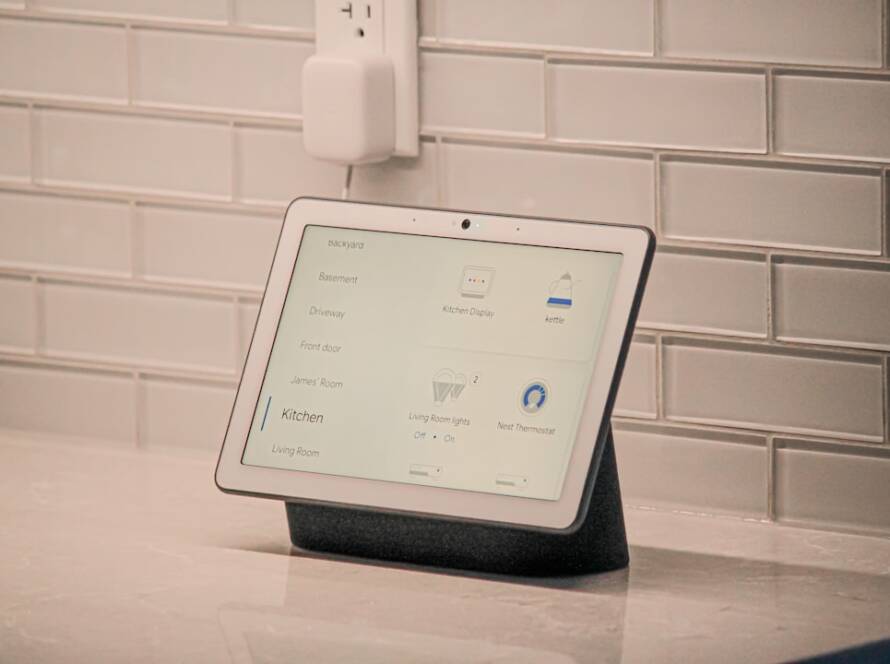
Moreover, implementing smart technology can further optimize energy usage in the basement office.
Smart power strips can automatically cut power to devices when they are not in use, preventing phantom energy drain from electronics left on standby. Additionally, utilizing cloud-based services can reduce the need for physical storage devices and servers, which often consume considerable energy. By carefully selecting energy-efficient appliances and integrating smart technology into their workspace, homeowners can significantly reduce their energy consumption while maintaining productivity.
Incorporating Natural Elements into Basement Office Design
Incorporating Plants
Indoor plants not only improve air quality but also add a touch of greenery that can make the space feel more inviting. Low-maintenance options such as snake plants or pothos are ideal for basements with limited natural light.
Using Natural Materials
In addition to plants, using natural materials in furniture and decor can create a warm and inviting atmosphere. Wooden desks or shelves made from reclaimed wood not only add character but also contribute to sustainability by repurposing materials that would otherwise go to waste.
Creating a Comfortable Environment
Natural textiles such as cotton or wool for curtains and upholstery can further enhance the organic feel of the space while providing comfort. By thoughtfully integrating natural elements into the design of a basement office, homeowners can create an environment that promotes well-being and productivity.
Utilizing Renewable Energy Sources for Basement Offices
As awareness of climate change grows, many individuals are seeking ways to incorporate renewable energy sources into their homes, including basement offices. Solar panels are one of the most popular options for harnessing renewable energy. By installing solar panels on the roof of their home, homeowners can generate clean electricity to power their basement office and other areas of their residence.
This not only reduces reliance on fossil fuels but also lowers electricity bills over time. In addition to solar power, homeowners may consider wind turbines if they live in areas with sufficient wind resources. Small-scale wind turbines can generate electricity for personal use, further enhancing energy independence.
Additionally, utilizing geothermal heating and cooling systems can provide an efficient way to regulate temperature in a basement office by tapping into the earth’s stable underground temperatures. By embracing renewable energy sources, individuals can create a sustainable workspace that aligns with their environmental values while enjoying long-term cost savings.
Tips for Creating a Comfortable and Productive Basement Office Environment
Creating a comfortable and productive basement office environment requires careful consideration of various factors beyond just aesthetics and energy efficiency. Ergonomics should be a top priority; investing in an adjustable chair and desk can promote better posture and reduce discomfort during long working hours. Additionally, incorporating personal touches such as artwork or motivational quotes can enhance creativity and make the space feel more personalized.
Acoustic considerations are also essential in a basement office setting. Soundproofing measures such as acoustic panels or rugs can help minimize noise distractions from outside or other areas of the home. Furthermore, establishing a clear organizational system with storage solutions like shelves or filing cabinets can help maintain orderliness in the workspace, allowing for better focus on tasks at hand.
By addressing these aspects thoughtfully, homeowners can cultivate an environment that not only supports productivity but also enhances overall well-being while working from home.
If you’re looking for more inspiration on transforming your basement into a functional and stylish space, check out this article on transformative remodels from drab to fab. This article showcases some incredible before and after photos of basement renovations that will surely spark some ideas for your own project.
FAQs
What are some energy-efficient basement office ideas for sustainable Brooklyn homes?
Some energy-efficient basement office ideas for sustainable Brooklyn homes include using natural light, insulating the space, using energy-efficient appliances and electronics, and incorporating sustainable materials in the design and construction.
How can natural light be utilized in a basement office for energy efficiency?
Natural light can be utilized in a basement office for energy efficiency by installing larger windows or skylights, using light-colored paint on walls and ceilings to reflect light, and strategically placing mirrors to bounce light around the space.
What are some ways to insulate a basement office for energy efficiency?
Ways to insulate a basement office for energy efficiency include adding insulation to the walls, ceiling, and floors, sealing any air leaks or drafts, and using thermal curtains or window treatments to retain heat in the winter and keep the space cool in the summer.
How can energy-efficient appliances and electronics be incorporated into a basement office?
Energy-efficient appliances and electronics can be incorporated into a basement office by choosing ENERGY STAR rated products, using LED or CFL light bulbs, and utilizing power strips to easily turn off multiple devices when not in use.
What are some examples of sustainable materials that can be used in the design and construction of a basement office?
Examples of sustainable materials that can be used in the design and construction of a basement office include bamboo flooring, reclaimed wood furniture, low-VOC paints and finishes, and recycled glass or metal accents.