Engineered hardwood flooring has gained significant popularity in recent years, and for good reason. One of the primary benefits of this flooring type is its construction, which consists of multiple layers of wood veneer bonded together. This layered design not only enhances stability but also allows for greater versatility in installation.
Unlike solid hardwood, engineered hardwood can be installed in various environments, including over concrete slabs and in areas with fluctuating temperatures. This adaptability makes it an ideal choice for homeowners looking to achieve the aesthetic of hardwood without the limitations that solid wood often imposes. Another notable advantage of engineered hardwood is its ability to mimic the appearance of solid hardwood while often being more cost-effective.
With advancements in manufacturing technology, the top layer of engineered hardwood can be crafted from high-quality species such as oak, maple, or hickory, providing the same rich look and feel as traditional hardwood. Additionally, engineered hardwood is available in a wide range of finishes and styles, allowing homeowners to select a product that complements their interior design seamlessly. This combination of aesthetic appeal and practical benefits makes engineered hardwood a compelling choice for many homeowners.
Key Takeaways
- Engineered hardwood flooring offers the beauty of real wood with added durability and stability.
- Engineered hardwood is perfect for basements due to its resistance to moisture and humidity.
- Engineered hardwood can withstand moisture and humidity better than traditional hardwood.
- Engineered hardwood is durable and long-lasting, making it a great choice for basements.
- Engineered hardwood adds aesthetic appeal to Brooklyn basements while being easy to maintain and clean.
Why Engineered Hardwood is Perfect for Basements
Basements present unique challenges when it comes to flooring options due to their susceptibility to moisture and humidity. Engineered hardwood is particularly well-suited for these environments because of its construction. The multiple layers of wood are designed to resist warping and buckling, which are common issues with solid hardwood when exposed to moisture.
This inherent stability allows homeowners to install engineered hardwood in basements without the constant worry of damage from humidity fluctuations. Moreover, the installation process for engineered hardwood in basements is relatively straightforward. Many products come with a click-lock system that allows for easy floating installations over concrete subfloors.
This means that homeowners can achieve a beautiful wood floor in their basement without the need for extensive preparation or additional underlayment. The ease of installation combined with the flooring’s resilience makes engineered hardwood an ideal choice for transforming basements into inviting living spaces.
How Engineered Hardwood Can Withstand Moisture and Humidity
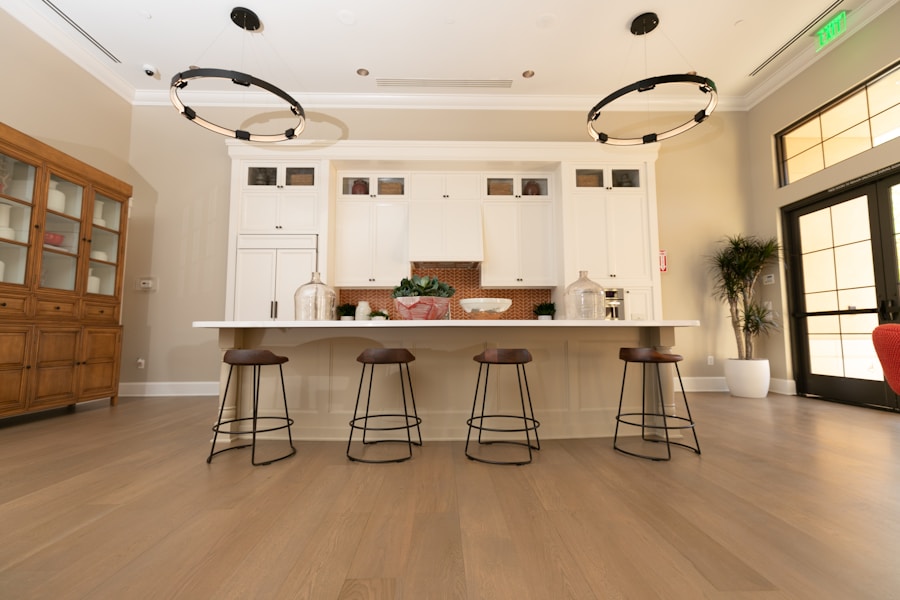
One of the standout features of engineered hardwood flooring is its ability to withstand moisture and humidity better than traditional solid hardwood. The construction of engineered hardwood involves a core made from high-density fiberboard (HDF) or plywood, which provides a robust foundation that is less prone to moisture-related issues. This core is designed to resist expansion and contraction, which are common problems associated with changes in humidity levels.
As a result, engineered hardwood maintains its structural integrity even in environments where moisture levels fluctuate.
These finishes create a barrier that helps protect the wood from spills and humidity, making it an excellent choice for basements where water intrusion can occur.
Homeowners can enjoy the beauty of wood flooring without the constant fear of damage from moisture, allowing them to create comfortable and stylish spaces in their basements.
The Durability and Longevity of Engineered Hardwood in Basements
Durability is a critical factor when selecting flooring for basements, and engineered hardwood excels in this area. The layered construction not only provides stability but also contributes to its overall strength. Engineered hardwood is designed to withstand heavy foot traffic, making it suitable for busy households or spaces that may see frequent use.
Unlike solid hardwood, which can be prone to scratches and dents, engineered hardwood often features a durable top layer that can resist wear and tear. In terms of longevity, engineered hardwood can last for decades with proper care and maintenance. Many products come with warranties ranging from 25 years to a lifetime, reflecting the confidence manufacturers have in their durability.
Homeowners can refinish engineered hardwood floors if they choose a thicker veneer layer, allowing them to restore the floor’s appearance over time. This ability to rejuvenate the flooring adds to its lifespan, making it a wise investment for basement renovations.
The Aesthetic Appeal of Engineered Hardwood in Brooklyn Basements
In urban settings like Brooklyn, where space is often at a premium, creating an inviting atmosphere in basements can significantly enhance a home’s overall appeal. Engineered hardwood offers a wide variety of styles, colors, and finishes that can complement any design aesthetic. Whether homeowners prefer a rustic farmhouse look or a sleek modern finish, there are options available that can transform a basement into a stylish retreat.
The natural beauty of wood grain patterns adds warmth and character to basement spaces that might otherwise feel cold or uninviting. Engineered hardwood can be stained or finished in various ways to achieve the desired look, allowing homeowners to customize their basements according to their personal tastes. Additionally, the reflective qualities of certain finishes can help brighten up darker basement areas, creating an illusion of more space and light.
The Easy Maintenance and Cleaning of Engineered Hardwood
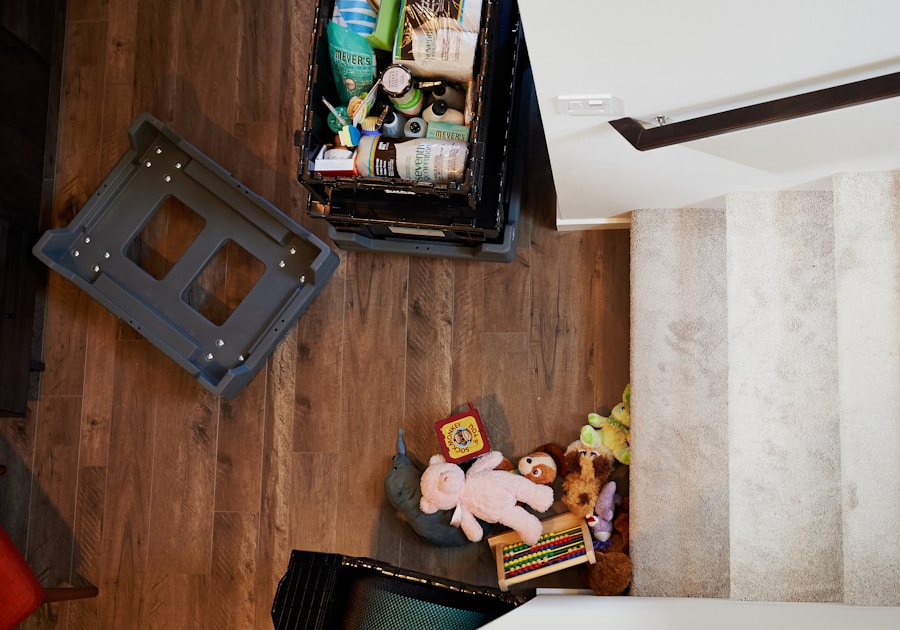
One of the practical advantages of engineered hardwood flooring is its ease of maintenance. Unlike carpets that trap dust and allergens or tile that requires grout cleaning, engineered hardwood can be maintained with minimal effort. Regular sweeping or vacuuming is typically sufficient to keep the surface free from dirt and debris.
For deeper cleaning, a damp mop with a manufacturer-recommended cleaner can restore the floor’s shine without damaging the finish. Furthermore, engineered hardwood is less susceptible to staining compared to other flooring materials. The protective finishes applied during manufacturing help repel spills and stains, making it easier for homeowners to maintain a clean and attractive appearance over time.
This low-maintenance aspect is particularly appealing for busy families or individuals who want beautiful flooring without the hassle of extensive upkeep.
The Eco-Friendly and Sustainable Nature of Engineered Hardwood
As environmental concerns continue to shape consumer choices, engineered hardwood stands out as an eco-friendly flooring option. Many manufacturers source their wood from sustainably managed forests, ensuring that the materials used are harvested responsibly. This commitment to sustainability helps reduce deforestation and promotes responsible forestry practices.
Additionally, because engineered hardwood uses less solid wood than traditional flooring options, it maximizes the use of each tree harvested.
This efficient use of resources not only minimizes waste but also contributes to lower carbon footprints associated with production and transportation.
The Cost-Effectiveness of Engineered Hardwood for Brooklyn Basements
When considering flooring options for basements in Brooklyn, cost-effectiveness is often a significant factor for homeowners. Engineered hardwood typically comes at a lower price point than solid hardwood while still providing an authentic wood look and feel. This affordability makes it accessible for those looking to enhance their living spaces without breaking the bank.
Moreover, the long-term value of engineered hardwood should not be overlooked. Its durability means fewer replacements over time compared to other flooring types that may wear out more quickly. Additionally, the potential for refinishing adds further value by extending the life of the floor without requiring complete replacement.
In urban areas where renovation costs can quickly add up, engineered hardwood presents an economically sound choice that balances aesthetics with practicality.
If you are considering remodeling your Brooklyn basement, you may also find the article “Room by Room Step by Step Remodeling Guides” helpful. This guide offers detailed instructions on how to tackle each room in your basement renovation project. Whether you are creating a basement apartment or in-law suite, the article “Basement Apartments and In-Law Suites” provides valuable insights and tips. Additionally, if you are interested in the real estate aspect of basement renovations, you may want to check out the article on the website discussing real estate trends related to basement remodeling. Source
FAQs
What is engineered hardwood?
Engineered hardwood is a type of flooring that is made up of multiple layers of wood. The top layer is a hardwood veneer, while the bottom layers are made of plywood or high-density fiberboard. This construction gives engineered hardwood added stability and resistance to moisture, making it a popular choice for basements.
Why is engineered hardwood ideal for a Brooklyn basement?
Engineered hardwood is ideal for a Brooklyn basement due to its resistance to moisture. Basements are prone to high humidity levels and potential water damage, so having a flooring option that can withstand these conditions is important. Additionally, engineered hardwood is more stable than solid hardwood, making it less susceptible to warping and buckling in the presence of moisture.
What are the benefits of using engineered hardwood in a basement?
Some benefits of using engineered hardwood in a basement include its durability, resistance to moisture, and ease of installation. It also provides the aesthetic appeal of real hardwood flooring without the risk of damage from moisture.
Can engineered hardwood be installed over concrete in a basement?
Yes, engineered hardwood can be installed over concrete in a basement. However, it is important to use a moisture barrier and follow proper installation techniques to ensure the longevity of the flooring. Additionally, it is recommended to choose an engineered hardwood with a thicker top veneer for added durability in a basement environment.