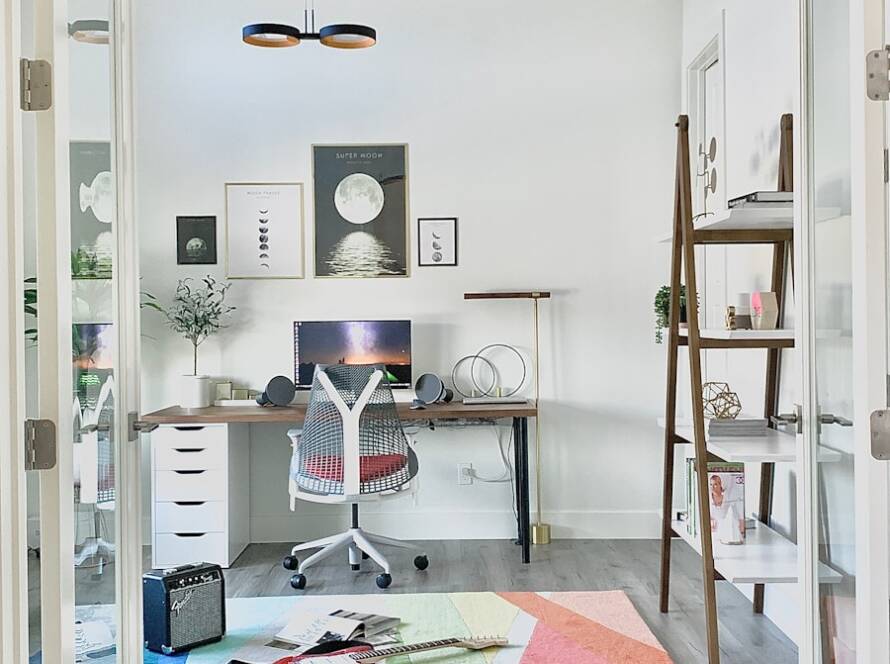
Transforming a basement into a warm and inviting space can significantly enhance the overall comfort and functionality of a home. Basements often serve as underutilized areas, relegated to storage or laundry duties, but with thoughtful design and decor, they can become cozy retreats, entertainment zones, or even functional living spaces. The key to achieving this transformation lies in understanding the unique challenges that basements present, such as moisture control, temperature regulation, and lighting.
By addressing these factors, homeowners can create an environment that is not only aesthetically pleasing but also comfortable year-round. Creating a warm and cozy basement involves a multi-faceted approach that includes selecting appropriate flooring materials, incorporating heating solutions, and adding decorative elements that enhance the overall ambiance. Each of these components plays a crucial role in ensuring that the basement feels inviting rather than cold and unwelcoming.
For instance, the choice of flooring can significantly impact both the visual appeal and the thermal comfort of the space. Additionally, integrating heating options like radiant floor heating can provide an extra layer of warmth that is particularly beneficial in cooler climates. By carefully considering these elements, homeowners can turn their basements into functional and enjoyable spaces that reflect their personal style.
Key Takeaways
- A warm and cozy basement can be achieved through thoughtful flooring choices and additional heating options.
- When choosing flooring materials for your basement, consider factors such as moisture resistance, durability, and comfort.
- Brooklyn basements have unique considerations such as potential moisture issues and the need for insulation and warmth.
- Radiant heating can be a great addition to basement flooring for added warmth and comfort, especially in colder climates like Brooklyn.
- Area rugs, carpeting, wood, laminate, vinyl, and linoleum are all great options for adding coziness and style to your Brooklyn basement, each with their own benefits and considerations.
Choosing the Right Flooring Material for Your Basement
Challenges of Traditional Flooring Options
Traditional options like hardwood may not be suitable due to their susceptibility to moisture damage, while concrete floors can feel cold and uninviting.
Alternative Flooring Options
One popular choice for basement flooring is carpet tiles. These tiles provide a soft underfoot feel, which can significantly enhance the warmth of the space. They are also relatively easy to install and replace if damaged or stained. Carpet tiles come in various colors and patterns, allowing homeowners to customize their basements according to their personal style.
Engineered Wood Flooring: A Durable Alternative
Another option is engineered wood flooring, which offers the aesthetic appeal of hardwood while being more resistant to moisture.
Considerations for Brooklyn Basement Flooring
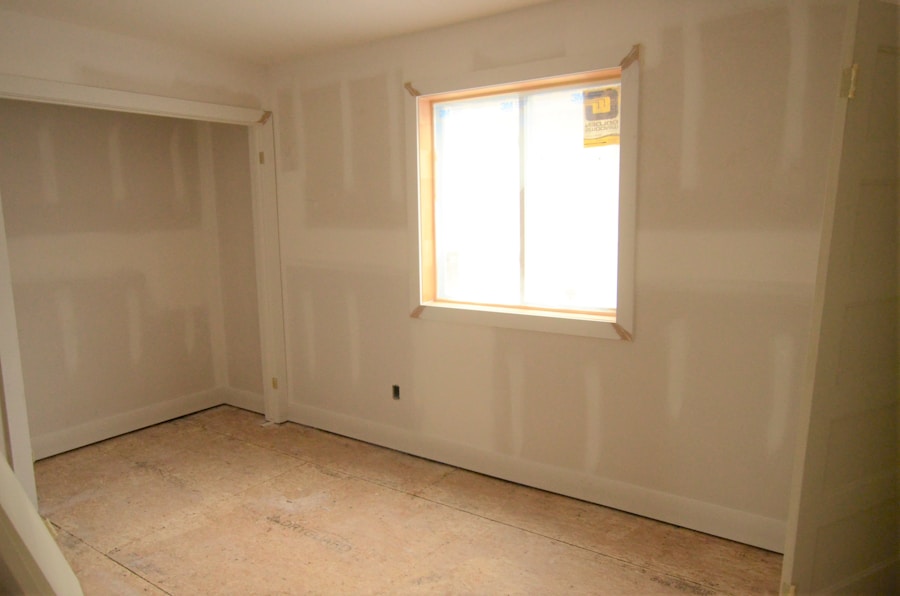
When it comes to choosing flooring for basements in Brooklyn, several local factors must be taken into account. The climate in Brooklyn can be quite variable, with cold winters and humid summers, which means that moisture control is paramount. Homeowners should consider flooring materials that can withstand these fluctuations without compromising on comfort or style.
Additionally, many older Brooklyn homes may have unique architectural features or structural challenges that could influence flooring choices. Another consideration is the potential for flooding or water seepage, particularly in areas prone to heavy rainfall or snowmelt. Homeowners should invest in moisture-resistant flooring options or implement proper waterproofing measures before installation.
For instance, luxury vinyl planks (LVP) are an excellent choice for Brooklyn basements due to their water resistance and ability to mimic the look of natural materials like wood or stone. Furthermore, LVP is available in various styles and colors, making it easy to find a design that complements the existing decor of the home.
Installing Radiant Heating for Added Warmth
Incorporating radiant heating into a basement can dramatically improve its comfort level during colder months. Radiant heating systems work by warming the floor itself, which then radiates heat throughout the room. This method of heating is particularly effective in basements, where traditional heating methods may struggle to maintain a consistent temperature due to cold concrete floors.
There are two primary types of radiant heating systems: electric and hydronic. Electric radiant heating systems use electric cables or mats installed under the flooring to generate heat, making them relatively easy to install in smaller areas or during renovations.
Hydronic systems, on the other hand, circulate warm water through pipes beneath the floor and are often more efficient for larger spaces. While the initial investment for radiant heating may be higher than traditional heating methods, the long-term energy savings and increased comfort make it a worthwhile consideration for any basement renovation project.
Adding Area Rugs and Carpeting for Coziness
Once the flooring has been selected and installed, adding area rugs and carpeting can further enhance the coziness of a basement space. Rugs not only provide additional warmth underfoot but also serve as decorative elements that can tie together various design aspects of the room. Choosing rugs with rich textures and warm colors can create an inviting atmosphere that encourages relaxation and socialization.
In addition to aesthetic benefits, area rugs can also help define different zones within an open basement layout. For example, placing a large area rug under a seating arrangement can create a distinct living area, while smaller rugs can delineate spaces for games or reading nooks. When selecting rugs for a basement, it’s essential to consider materials that are durable and easy to clean, especially if the space will be used frequently or by children and pets.
Synthetic fibers like polypropylene are excellent choices due to their stain resistance and ability to withstand high traffic.
Incorporating Wood or Laminate Flooring for a Rustic Feel
The Benefits of Laminate Flooring
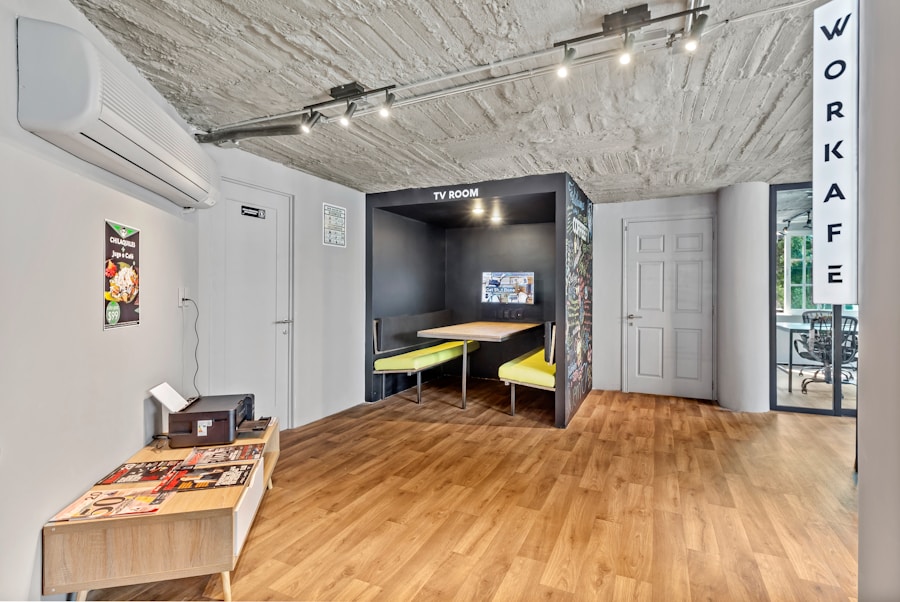
Laminate flooring is an excellent alternative to traditional hardwood, offering enhanced durability and moisture resistance. It consists of multiple layers, including a high-density fiberboard core that provides stability and strength.
Achieving a Natural Look
Many laminate options come with textured finishes that closely resemble natural wood grains, allowing homeowners to achieve the desired rustic look without compromising on practicality.
A Budget-Friendly Option
Additionally, laminate flooring is often more affordable than solid hardwood, making it an attractive option for those looking to create a cozy basement without breaking the bank.
Using Vinyl or Linoleum for Easy Maintenance and Durability
Vinyl and linoleum are two flooring options that stand out for their ease of maintenance and durability—qualities that are particularly important in basement environments. Both materials are resistant to moisture and stains, making them ideal choices for areas prone to spills or humidity. Vinyl flooring comes in various styles, including planks and tiles that can mimic natural materials like wood or stone while providing superior water resistance.
Linoleum is another excellent option for basement flooring due to its natural composition—made from linseed oil, cork dust, wood flour, and other renewable materials—making it an eco-friendly choice. It is available in a wide range of colors and patterns, allowing homeowners to express their style while benefiting from its durability. Both vinyl and linoleum require minimal upkeep; regular sweeping and occasional mopping are usually sufficient to keep them looking fresh.
Bringing Comfort and Style to Your Brooklyn Basement
Creating a warm and cozy basement in Brooklyn involves careful consideration of various elements such as flooring materials, heating solutions, and decorative accents. By selecting appropriate flooring options like carpet tiles, engineered wood, or luxury vinyl planks, homeowners can ensure their basements are both functional and inviting. Incorporating radiant heating systems adds an extra layer of comfort during colder months while area rugs enhance the overall coziness of the space.
Additionally, integrating rustic elements through wood or laminate flooring can evoke a sense of warmth and charm that makes the basement feel like an extension of the home rather than just an underground space. Finally, choosing easy-to-maintain options like vinyl or linoleum ensures that homeowners can enjoy their cozy basements without being burdened by extensive upkeep. With thoughtful planning and execution, any Brooklyn homeowner can transform their basement into a stylish sanctuary that reflects their personal taste while providing comfort year-round.
If you’re looking to revitalize your home with key renovation strategies, you may want to check out this article on innovative home solutions for a modern lifestyle. This article offers tailored architectural solutions for custom home builds, which can help you create a warm and cozy basement with the right flooring in Brooklyn. By incorporating these innovative solutions into your renovation project, you can transform your basement into a comfortable and inviting space for your family and guests to enjoy.
FAQs
What are the benefits of creating a warm and cozy basement with the right flooring?
Creating a warm and cozy basement with the right flooring can make the space more inviting and comfortable for relaxation, entertaining, and other activities. It can also help to improve insulation and energy efficiency in the basement.
What are some popular flooring options for creating a warm and cozy basement?
Popular flooring options for creating a warm and cozy basement include carpet, cork, vinyl, and engineered wood. These materials provide warmth, comfort, and insulation for the basement space.
How can I choose the right flooring for my basement in Brooklyn?
When choosing the right flooring for your basement in Brooklyn, consider factors such as moisture resistance, insulation, and comfort. It’s important to select a flooring material that can withstand the unique conditions of a basement environment.
What are some tips for maintaining warm and cozy flooring in a basement?
To maintain warm and cozy flooring in a basement, it’s important to keep the space clean and dry. Regular vacuuming and cleaning can help to preserve the comfort and appearance of the flooring. Additionally, addressing any moisture issues in the basement can help to prevent damage to the flooring.
Can I install radiant heating in my basement to create a warm and cozy environment?
Yes, radiant heating can be installed in a basement to create a warm and cozy environment. This type of heating system can be installed beneath various types of flooring to provide consistent warmth and comfort in the basement space.