As remote work becomes increasingly prevalent, many individuals are transforming their basements into functional office spaces. However, basements often present unique challenges, such as limited natural light, temperature fluctuations, and potential moisture issues. To create a comfortable and productive work environment, it is essential to consider energy-efficient solutions that not only enhance the workspace but also contribute to sustainability.
By implementing energy-efficient basement office ideas, homeowners can reduce their carbon footprint while enjoying a more pleasant and cost-effective workspace. Energy efficiency in a basement office goes beyond merely installing energy-saving light bulbs or using a programmable thermostat. It encompasses a holistic approach that integrates lighting, insulation, ventilation, and the selection of appliances and materials.
By focusing on these elements, individuals can create a workspace that is not only functional but also environmentally friendly. This article will explore various strategies for designing an energy-efficient basement office, providing practical tips and insights to help you optimize your workspace.
Key Takeaways
- Basement offices can be energy-efficient with the right design and equipment
- Use LED lighting and task lighting to save energy and create a well-lit workspace
- Proper insulation and temperature control are essential for a comfortable and energy-efficient basement office
- Utilize natural ventilation through windows and fans to reduce the need for air conditioning
- Choose energy-efficient appliances and electronics, and consider sustainable materials and furniture for a greener office space
Lighting Solutions for Basement Offices
Energy Efficiency with LED Lighting
Unlike traditional incandescent bulbs, LEDs consume significantly less energy and have a lifespan of up to 25,000 hours. This means fewer replacements and lower energy bills over time.
Layered Lighting Design
This can be achieved by combining ambient lighting with task lighting and accent lighting. For instance, recessed ceiling lights can provide general illumination, while desk lamps with adjustable brightness can offer focused light for reading or working on detailed tasks.
Flexibility with Dimmer Switches
Furthermore, incorporating dimmer switches allows for flexibility in adjusting the light levels according to the time of day or specific tasks, enhancing both comfort and energy efficiency.
Insulation and Temperature Control in Basement Offices
Basements are often prone to temperature fluctuations due to their below-ground location. Proper insulation is vital for maintaining a comfortable working environment while minimizing energy consumption. Insulating walls, floors, and ceilings can significantly reduce heat loss during colder months and keep the space cooler in the summer.
Materials such as spray foam insulation or rigid foam boards are effective options that provide high R-values, ensuring optimal thermal performance. In addition to insulation, temperature control systems play a critical role in energy efficiency. Installing a programmable thermostat allows users to set specific heating and cooling schedules based on their work hours, reducing energy waste when the office is unoccupied.
Furthermore, consider using energy-efficient heating and cooling systems, such as ductless mini-split systems or heat pumps, which provide targeted climate control without the energy losses associated with traditional HVAC systems. By combining effective insulation with smart temperature control solutions, basement offices can achieve a comfortable atmosphere while minimizing energy consumption.
Utilizing Natural Ventilation in Basement Offices
Natural ventilation is an often-overlooked aspect of creating an energy-efficient basement office. While basements may lack windows or have limited access to fresh air, there are still ways to enhance airflow and improve indoor air quality. One effective method is to install operable windows or vents that allow for cross-ventilation when outdoor conditions permit.
This not only helps regulate temperature but also reduces reliance on mechanical ventilation systems. In addition to windows, consider incorporating exhaust fans to facilitate air exchange. These fans can help expel stale air while drawing in fresh air from outside, creating a healthier work environment.
Additionally, strategically placing plants throughout the office can further enhance air quality by absorbing carbon dioxide and releasing oxygen.
Energy-Efficient Appliances and Electronics for Basement Offices
The choice of appliances and electronics in a basement office can significantly impact overall energy consumption. Opting for energy-efficient models not only reduces electricity bills but also contributes to a more sustainable workspace. When selecting computers, printers, and other office equipment, look for ENERGY STAR-rated products that meet strict efficiency guidelines set by the U.S.
Environmental Protection Agency. In addition to choosing energy-efficient devices, consider implementing power management strategies to minimize energy waste. For instance, utilizing smart power strips can help eliminate phantom loads—energy consumed by devices when they are turned off but still plugged in.
Furthermore, encourage good habits such as turning off equipment when not in use or utilizing sleep mode features on computers and monitors. By being mindful of appliance choices and usage patterns, basement offices can significantly reduce their energy footprint.
Incorporating Sustainable Materials and Furniture in Basement Offices
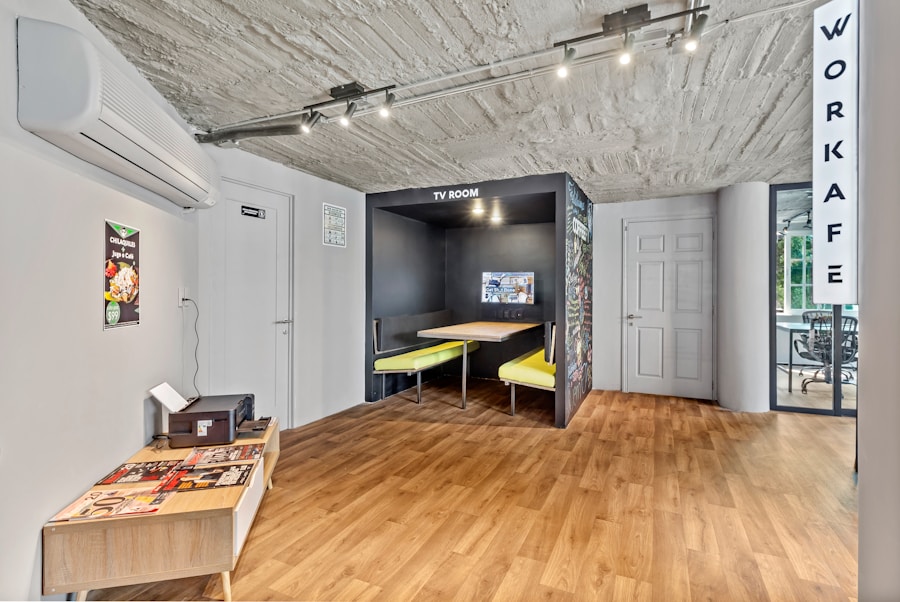
Sustainable Furniture and Decor
When selecting furniture and decor, prioritize sustainable materials that are sourced responsibly and have minimal environmental impact. For example, furniture made from reclaimed wood or bamboo is not only aesthetically pleasing but also eco-friendly due to its renewable nature.
Considering the Material Lifecycle
Additionally, consider the lifecycle of the materials used in your office space. Opting for products with low volatile organic compound (VOC) emissions can improve indoor air quality while reducing harmful pollutants released into the environment. Many manufacturers now offer eco-friendly paints, adhesives, and finishes that meet these criteria.
Creating a Healthier Environment
By consciously choosing sustainable materials and furniture for your basement office, you contribute to a healthier environment both inside your workspace and beyond.
Greenery and Biophilic Design in Basement Offices
Incorporating greenery into a basement office can enhance both aesthetics and well-being while promoting energy efficiency. Biophilic design principles emphasize the connection between nature and the built environment, fostering a sense of tranquility and productivity. Adding plants not only improves air quality but also creates a more inviting atmosphere that can reduce stress levels.
When selecting plants for a basement office, consider species that thrive in low-light conditions, such as snake plants or pothos. These plants require minimal maintenance while providing significant benefits to indoor air quality. Additionally, vertical gardens or living walls can be an innovative way to integrate greenery into limited spaces while maximizing visual appeal.
Tips for Maintaining Energy Efficiency in Basement Offices
Maintaining energy efficiency in a basement office requires ongoing attention and proactive measures. Regularly inspecting insulation for any gaps or wear can help prevent heat loss or gain throughout the year. Sealing cracks around windows and doors with weatherstripping or caulk can further enhance thermal performance while keeping moisture at bay.
Another essential aspect of maintaining energy efficiency is conducting routine maintenance on heating and cooling systems. Regularly changing air filters ensures optimal airflow and efficiency while extending the lifespan of HVAC equipment. Additionally, consider scheduling annual professional inspections to identify any potential issues before they escalate into costly repairs.
Lastly, fostering an energy-conscious culture within your workspace can lead to long-term sustainability benefits. Encourage habits such as turning off lights when leaving the room or utilizing natural light whenever possible. By instilling these practices among all users of the basement office, you create an environment that prioritizes energy efficiency while promoting productivity and well-being.
By implementing these strategies for creating an energy-efficient basement office, individuals can enjoy a comfortable workspace that aligns with sustainable practices while reducing their environmental impact. From lighting solutions to sustainable materials and ongoing maintenance tips, each element contributes to an overall approach that enhances both functionality and eco-friendliness in this unique work environment.
If you are looking to incorporate retro styles into your modern Brooklyn home, you may want to consider checking out the article on incorporating retro styles into modern homes. This article provides tips and ideas on how to seamlessly blend vintage elements into your contemporary space, creating a unique and stylish aesthetic. By combining old-school charm with modern design, you can create a home that is both timeless and on-trend.
FAQs
What are some energy-efficient basement office ideas for sustainable Brooklyn homes?
Some energy-efficient basement office ideas for sustainable Brooklyn homes include using natural light, insulating the space, using energy-efficient appliances and electronics, and incorporating sustainable materials in the design and construction of the office.
How can natural light be utilized in a basement office for energy efficiency?
Natural light can be utilized in a basement office for energy efficiency by installing larger windows or skylights, using light-colored paint on the walls and ceiling to reflect light, and positioning workstations near the natural light sources to reduce the need for artificial lighting.
What are some ways to insulate a basement office for energy efficiency?
Some ways to insulate a basement office for energy efficiency include insulating the walls, ceiling, and floors with materials such as foam board, spray foam insulation, or fiberglass insulation. Additionally, sealing any air leaks and ensuring proper ventilation can also contribute to energy efficiency.
How can energy-efficient appliances and electronics be incorporated into a basement office?
Energy-efficient appliances and electronics can be incorporated into a basement office by choosing ENERGY STAR rated products, using LED lighting, and investing in energy-efficient computers, printers, and other office equipment. Additionally, using power strips and smart power management systems can help reduce energy consumption.
What are some sustainable materials that can be used in the design and construction of a basement office?
Some sustainable materials that can be used in the design and construction of a basement office include reclaimed wood for flooring and furniture, bamboo for desks and shelving, recycled glass for countertops, and low-VOC paints and finishes. Additionally, using eco-friendly insulation and sustainable flooring options can also contribute to a more sustainable office space.