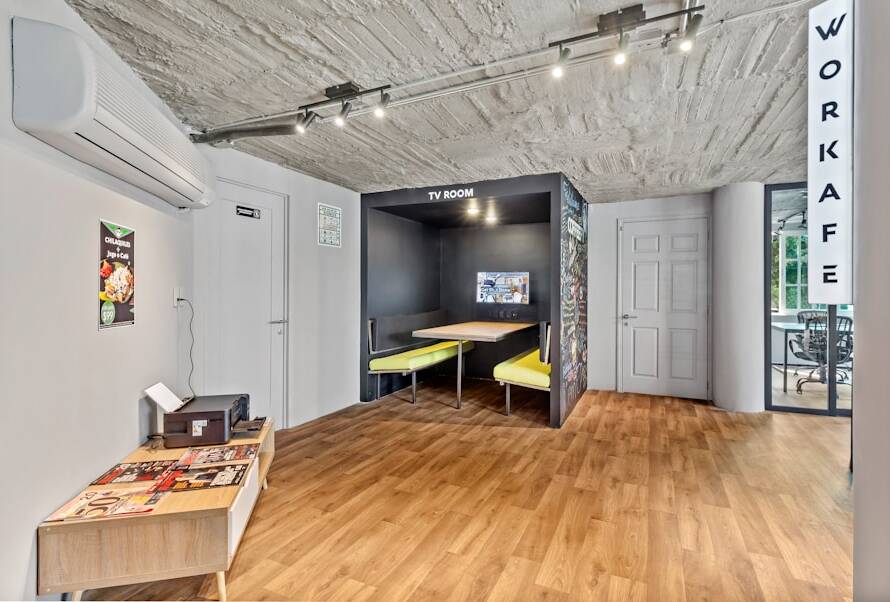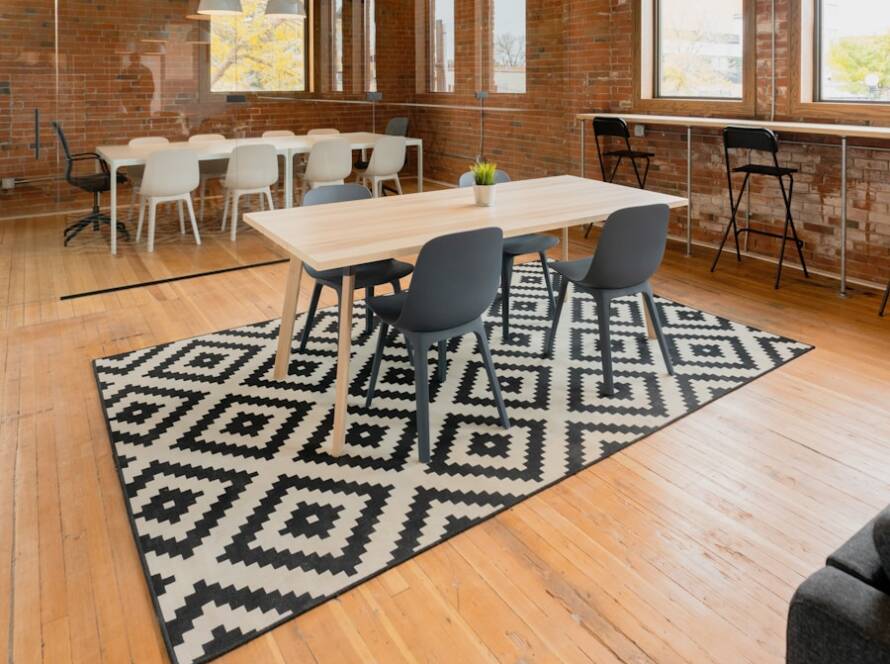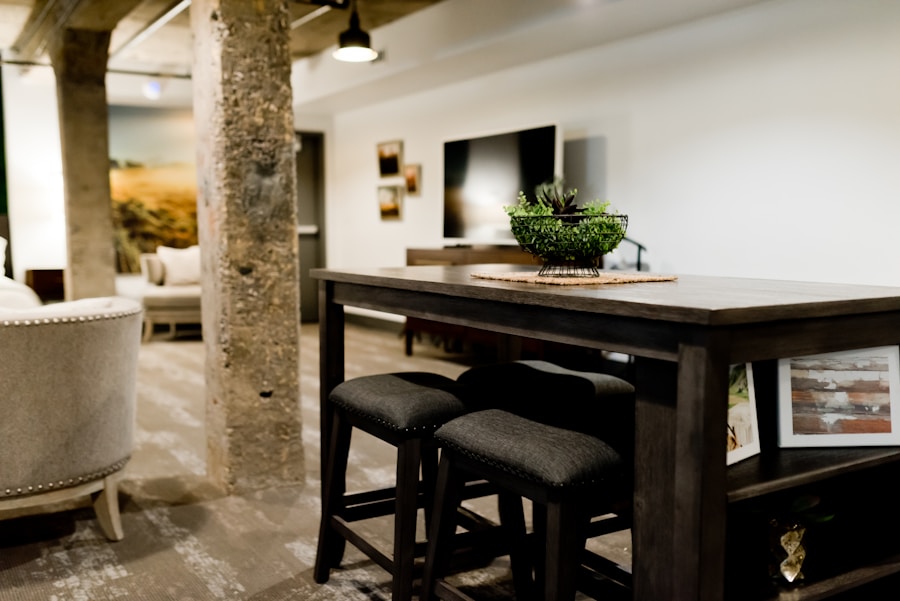
When it comes to concrete flooring, the finish you choose can dramatically influence the overall aesthetic and functionality of the space. There are several types of finishes available, each offering unique characteristics that can complement various design styles. For instance, a polished concrete finish is highly reflective and can create a sleek, modern look that is particularly appealing in contemporary settings.
This type of finish is achieved through grinding and honing the surface, followed by the application of a concrete sealer. The result is a smooth, glossy surface that not only enhances the visual appeal but also makes cleaning and maintenance easier. On the other hand, a matte or honed finish provides a more subdued appearance, which can be ideal for spaces that require a softer touch.
This finish is less reflective and can help to hide imperfections in the concrete, making it a practical choice for high-traffic areas. Additionally, textured finishes, such as broom-finished or exposed aggregate, can add character and grip to the surface, making them suitable for outdoor applications or areas where slip resistance is a priority. Ultimately, the choice of finish should align with both the aesthetic goals and functional requirements of the space, ensuring that the concrete flooring serves its intended purpose while enhancing the overall design.
Key Takeaways
- Choose a concrete finish that complements the overall aesthetic of the space and meets the practical needs of the area.
- Incorporate color and pattern into the concrete flooring to add visual interest and personality to the space.
- Add texture and depth to the concrete flooring through techniques such as stamping, scoring, or staining.
- Select the right lighting to enhance the beauty of the concrete flooring and create the desired ambiance in the space.
- Choose modern furniture and decor that complements the industrial look of concrete flooring and creates a cohesive design.
Incorporating Color and Pattern
Color and pattern are essential elements in transforming plain concrete into a visually striking feature of any interior or exterior space. One popular method for adding color to concrete is through integral pigments, which are mixed directly into the concrete before it is poured. This technique allows for a uniform color throughout the slab, providing a consistent look that can range from subtle earth tones to vibrant hues.
For those looking to make a bold statement, acid staining is another option that can create rich, variegated colors and patterns on the surface of cured concrete. This process involves applying a chemical stain that reacts with the minerals in the concrete, resulting in unique color variations that mimic natural stone. In addition to color, incorporating patterns into concrete can elevate its design potential significantly.
Stamped concrete is a popular choice for creating intricate designs that resemble brick, stone, or tile. This technique involves pressing molds into freshly poured concrete to create texture and pattern before it sets. The versatility of stamped concrete allows homeowners and designers to achieve a wide range of looks, from rustic cobblestones to elegant slate tiles.
Furthermore, decorative saw cuts can be used to create linear patterns or geometric shapes on the surface of cured concrete, adding an artistic touch without compromising durability. By thoughtfully integrating color and pattern into concrete flooring, one can achieve a customized look that enhances the overall ambiance of the space.
Adding Texture and Depth
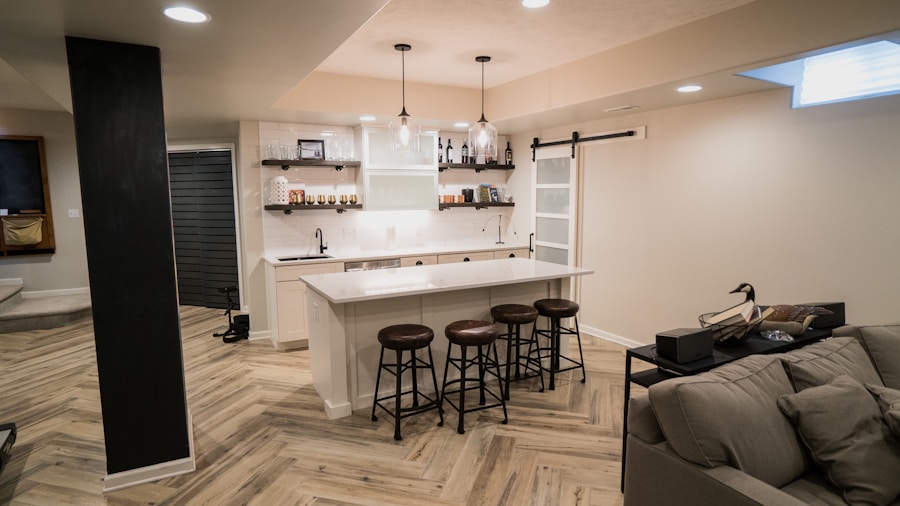
Texture plays a crucial role in enhancing the visual interest and tactile experience of concrete flooring. By introducing various textural elements, designers can create depth and dimension that elevate the overall aesthetic appeal. One effective way to add texture is through the use of aggregates in the concrete mix.
Exposed aggregate finishes reveal small stones or pebbles embedded within the concrete, creating a rugged yet sophisticated look. This type of finish not only adds visual interest but also provides slip resistance, making it suitable for outdoor patios or walkways. Another method for introducing texture is through decorative overlays or micro-toppings.
These thin layers of polymer-modified concrete can be applied over existing surfaces to create a new look without the need for complete replacement.
Additionally, techniques such as troweling or brushing can be employed to manipulate the surface texture further, allowing for creative expression in design.
By thoughtfully incorporating texture into concrete flooring, one can create spaces that are not only visually appealing but also engaging to the touch.
Selecting the Right Lighting
Lighting is an often-overlooked aspect of interior design that can significantly impact how concrete flooring is perceived within a space. The right lighting can enhance the color and texture of concrete surfaces while creating an inviting atmosphere. Natural light is one of the best ways to showcase concrete flooring; large windows or skylights can flood a room with sunlight, highlighting the unique characteristics of the material.
The interplay between light and shadow can accentuate textures and patterns, making the flooring appear more dynamic throughout different times of day. In addition to natural light, artificial lighting plays a vital role in setting the mood and functionality of a space. Recessed lighting can provide subtle illumination that highlights specific areas without overwhelming the overall design.
Pendant lights or chandeliers can serve as focal points while casting warm light that softens the starkness often associated with concrete. Moreover, strategically placed floor lamps or wall sconces can create layers of light that enhance depth and dimension in the room. By carefully considering lighting options, one can transform concrete flooring from a mere structural element into a stunning visual feature that contributes to the overall ambiance.
Choosing Modern Furniture and Decor
The selection of furniture and decor is critical in complementing concrete flooring and achieving a cohesive design aesthetic. Modern furniture pieces often feature clean lines and minimalist designs that harmonize well with the industrial nature of concrete. For instance, sleek metal or glass tables paired with upholstered chairs can create an elegant contrast against the raw texture of concrete floors.
Additionally, furniture with organic shapes or natural materials can soften the starkness of concrete while adding warmth to the space.
Area rugs can introduce color and pattern while providing comfort underfoot, making them an excellent addition to living rooms or dining areas with concrete floors.
Artwork featuring bold colors or abstract designs can draw attention to specific areas while reflecting personal style. Accessories like vases or sculptures made from materials such as wood or ceramics can add visual interest and warmth to an otherwise cool environment. By thoughtfully selecting modern furniture and decor that complements concrete flooring, one can create a harmonious and inviting atmosphere.
Incorporating Greenery and Natural Elements
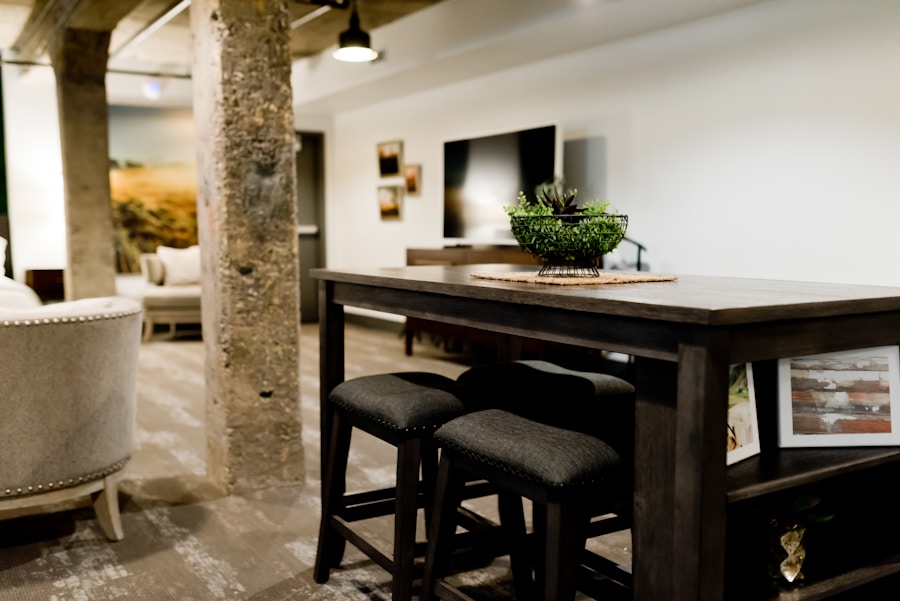
Integrating greenery and natural elements into spaces with concrete flooring can significantly enhance their aesthetic appeal while promoting a sense of tranquility. Plants bring life and vibrancy to interiors, creating a striking contrast against the hard surfaces of concrete. For instance, large potted plants like fiddle leaf figs or snake plants can serve as focal points in living areas or entryways, softening the industrial feel of concrete while improving air quality.
In addition to potted plants, incorporating natural materials such as wood or stone can further enhance the connection between indoor spaces and nature. Wooden furniture pieces or decorative accents made from reclaimed wood can introduce warmth and texture that balances out the coolness of concrete floors. Stone elements like slate or river rock can be used in planters or as decorative features within landscaping designs for outdoor spaces.
By thoughtfully incorporating greenery and natural materials into designs featuring concrete flooring, one can create environments that feel both grounded and inviting.
Creating a Functional Layout
A well-thought-out layout is essential for maximizing both functionality and aesthetics in spaces with concrete flooring. The arrangement of furniture should facilitate movement while creating distinct zones for various activities within an open floor plan. For example, in a living area with concrete floors, placing seating arrangements around a central coffee table encourages conversation while allowing for easy flow throughout the space.
In addition to furniture placement, considering how different areas interact with one another is crucial for creating a cohesive design. For instance, if transitioning from an indoor space with polished concrete floors to an outdoor patio with exposed aggregate finishes, using similar color palettes or materials can help bridge these areas visually. Furthermore, incorporating multi-functional furniture pieces—such as ottomans that double as storage—can optimize space while maintaining an uncluttered appearance.
By focusing on creating a functional layout that considers both movement and interaction within spaces featuring concrete flooring, one can achieve an inviting atmosphere that meets practical needs.
Maintaining and Caring for Concrete Flooring
Maintaining and caring for concrete flooring is essential to ensure its longevity and appearance over time. Regular cleaning is crucial; sweeping or vacuuming should be done frequently to remove dirt and debris that may scratch or dull the surface. For deeper cleaning, using a pH-neutral cleaner specifically designed for concrete surfaces will help maintain its integrity without causing damage.
Sealing is another important aspect of maintenance that protects against stains and moisture penetration. Depending on foot traffic levels and exposure to elements, resealing may be necessary every few years to keep surfaces looking their best. In addition to sealing, addressing any cracks or chips promptly will prevent further damage from occurring over time.
By implementing these maintenance practices consistently, one can preserve the beauty and functionality of concrete flooring for years to come while enjoying its many benefits in design.
If you’re looking to create a modern look in your Brooklyn basement, you may also be interested in learning about the importance of typography in design. Check out this article on typography to see how you can use fonts and text to enhance the overall aesthetic of your space. Additionally, consider incorporating an open concept layout to expand your space and create a more modern feel. This article on open concept design offers tips and ideas for achieving a contemporary look in your basement. And if you’re debating between DIY and professional remodeling, this article on DIY vs professional basement remodeling can help you make an informed decision.
FAQs
What are the benefits of using concrete flooring in a basement?
Concrete flooring in a basement offers durability, easy maintenance, and a modern aesthetic. It is also resistant to moisture and can be customized with various finishes and colors.
What are the different finishes available for concrete flooring?
Some popular finishes for concrete flooring include polished, stained, stamped, and epoxy coatings. Each finish offers a unique look and can be customized to suit the desired aesthetic.
Is concrete flooring suitable for all types of basements?
Concrete flooring is suitable for most basements, but it is important to ensure that the basement is properly sealed and free from excessive moisture. It is also important to consider insulation and heating options for the basement.
Can concrete flooring be installed over existing flooring in a basement?
In some cases, concrete flooring can be installed over existing flooring in a basement, but it is important to consult with a professional to assess the condition of the existing flooring and determine the best approach for installation.
How can I maintain concrete flooring in my basement?
Maintaining concrete flooring in a basement is relatively easy. Regular sweeping and mopping with a mild detergent are usually sufficient to keep the floor clean. It is also important to reseal the floor periodically to maintain its durability and appearance.
What are the cost considerations for installing concrete flooring in a basement?
The cost of installing concrete flooring in a basement can vary depending on factors such as the size of the space, the chosen finish, and any necessary preparation work. It is recommended to obtain quotes from professional contractors to determine the specific cost for your project.