Once you have a clear understanding of the space, consider how you plan to use it. Will it be a dedicated office for remote work, a creative studio, or a multi-functional area? This will guide your decisions on layout and furniture selection.
For instance, if you need to accommodate multiple functions, you might want to create distinct zones within the space. Using rugs or furniture placement can help delineate these areas without the need for physical barriers. Furthermore, think about traffic flow; ensure that there is enough room to move around comfortably without bumping into furniture or obstacles.
By thoroughly assessing your basement’s layout and dimensions, you can make informed decisions that enhance both functionality and aesthetics.
Key Takeaways
- Understanding the layout and dimensions of your small basement space is crucial for maximizing its potential as a home office.
- Explore various lighting options to create a well-lit and productive work environment in a basement with limited natural light.
- Efficient storage solutions such as built-in shelving and multi-functional furniture are essential for small basement home offices.
- Choose furniture that fits the scale of your space and serves multiple purposes to avoid overwhelming the room.
- Creating a comfortable and ergonomic workspace is crucial for productivity, consider investing in a quality chair and adding personal touches to personalize the space.
Lighting Solutions: Since basements tend to have limited natural light, it’s important to consider various lighting options to create a well-lit and productive work environment. Start by evaluating the existing light sources in your basement. If there are windows, consider how you can maximize their potential by using sheer curtains that allow light to filter through while maintaining privacy.
If natural light is scarce, you will need to rely on artificial lighting to brighten the space effectively. Layered lighting is key; this involves combining ambient, task, and accent lighting to create a balanced atmosphere. For instance, overhead fixtures can provide general illumination, while desk lamps can offer focused light for specific tasks.
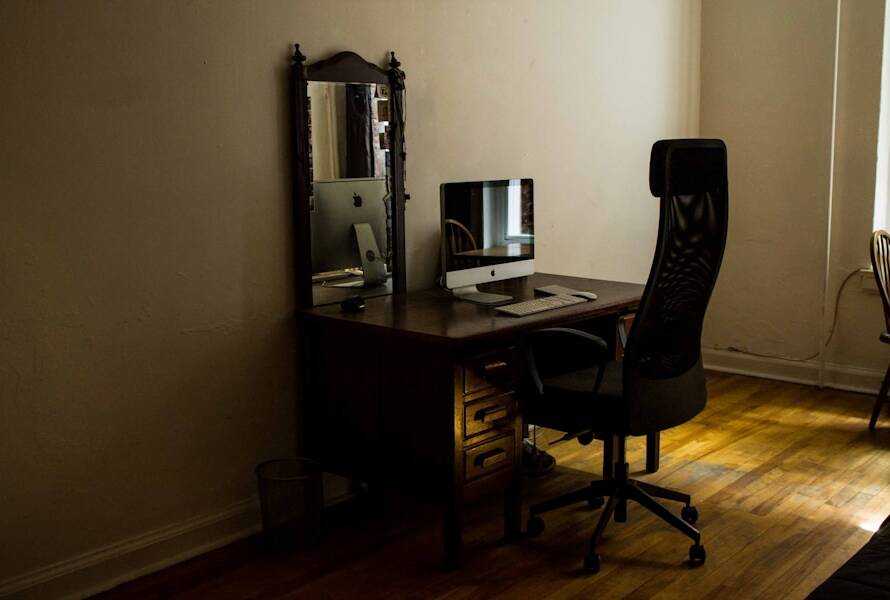
In addition to traditional lighting fixtures, consider incorporating mirrors into your design. Strategically placing mirrors can reflect light around the room, making it feel more open and airy. A large mirror on one wall can create an illusion of depth, while smaller decorative mirrors can add visual interest and enhance the overall aesthetic.
LED strip lights are another innovative option; they can be installed under shelves or along the edges of furniture to provide subtle illumination without taking up valuable space. By thoughtfully addressing your lighting needs, you can transform your basement into a bright and inviting home office that fosters productivity.
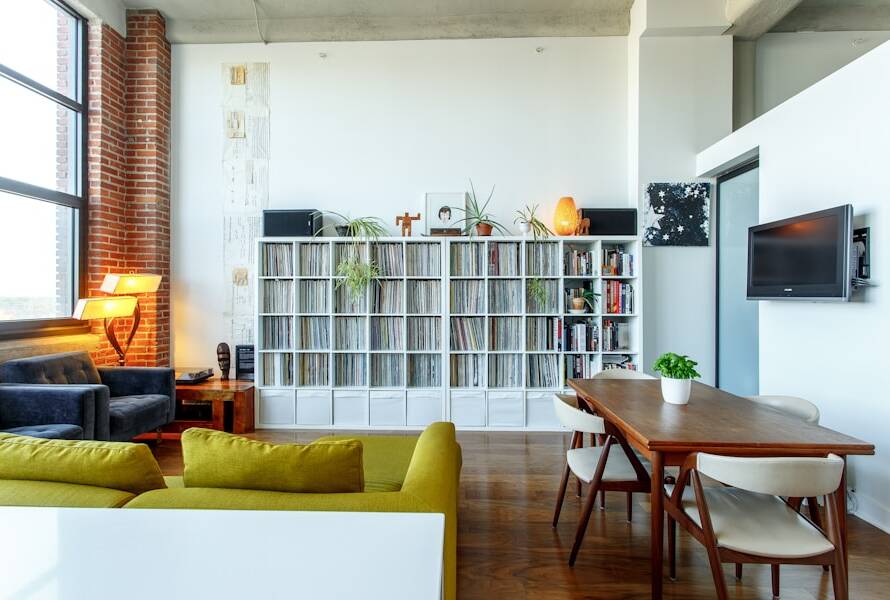
Storage Solutions: With limited space, efficient storage solutions are essential in a small basement office. One effective approach is to utilize vertical space by installing built-in shelving units that reach up to the ceiling. This not only maximizes storage capacity but also draws the eye upward, creating an illusion of height in the room.
Open shelving can be used to display books, decorative items, or office supplies, while closed cabinets can help conceal clutter and maintain a tidy appearance. Wall-mounted organizers are another excellent option; they can hold everything from files to stationery without taking up floor space.
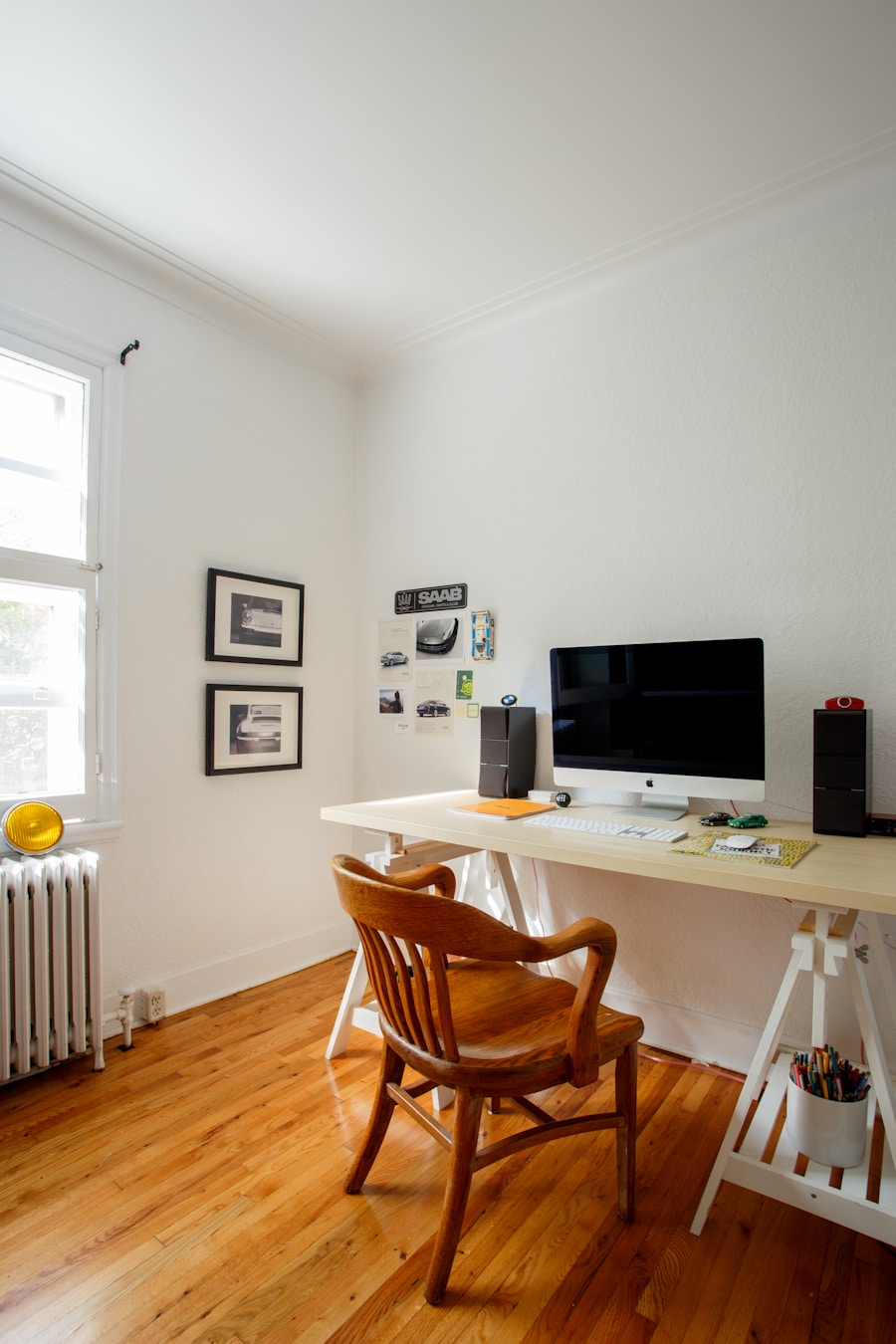
Multi-functional furniture is also a smart choice for small spaces. Consider a desk with built-in drawers or a fold-out table that can be tucked away when not in use. Ottomans with hidden storage compartments can serve as seating while providing a place to stash away miscellaneous items.
Additionally, pegboards can be an innovative storage solution; they allow you to customize your organization system by hanging tools, notes, or even plants in a visually appealing way. By implementing these storage strategies, you can keep your workspace organized and efficient, allowing you to focus on your tasks without distractions.
Furniture Selection: Choosing furniture that fits the scale of your space and serves multiple purposes is vital in a small basement office. Start by selecting a compact desk that meets your work needs without overwhelming the room. Look for designs that offer built-in storage options or those that can be easily folded away when not in use.
A corner desk can be an excellent choice for maximizing space while providing ample surface area for your computer and other work materials. Additionally, consider height-adjustable desks that allow you to alternate between sitting and standing throughout the day, promoting better posture and overall health.
Ergonomic chairs are another essential component of your office setup. A chair that provides proper support will enhance comfort during long working hours and reduce the risk of strain or injury. Look for chairs with adjustable features such as seat height, armrests, and lumbar support to ensure a customized fit.
Versatile storage units are also important; opt for pieces that can serve multiple functions, such as a bookshelf that doubles as a room divider or a filing cabinet that can also act as extra seating.
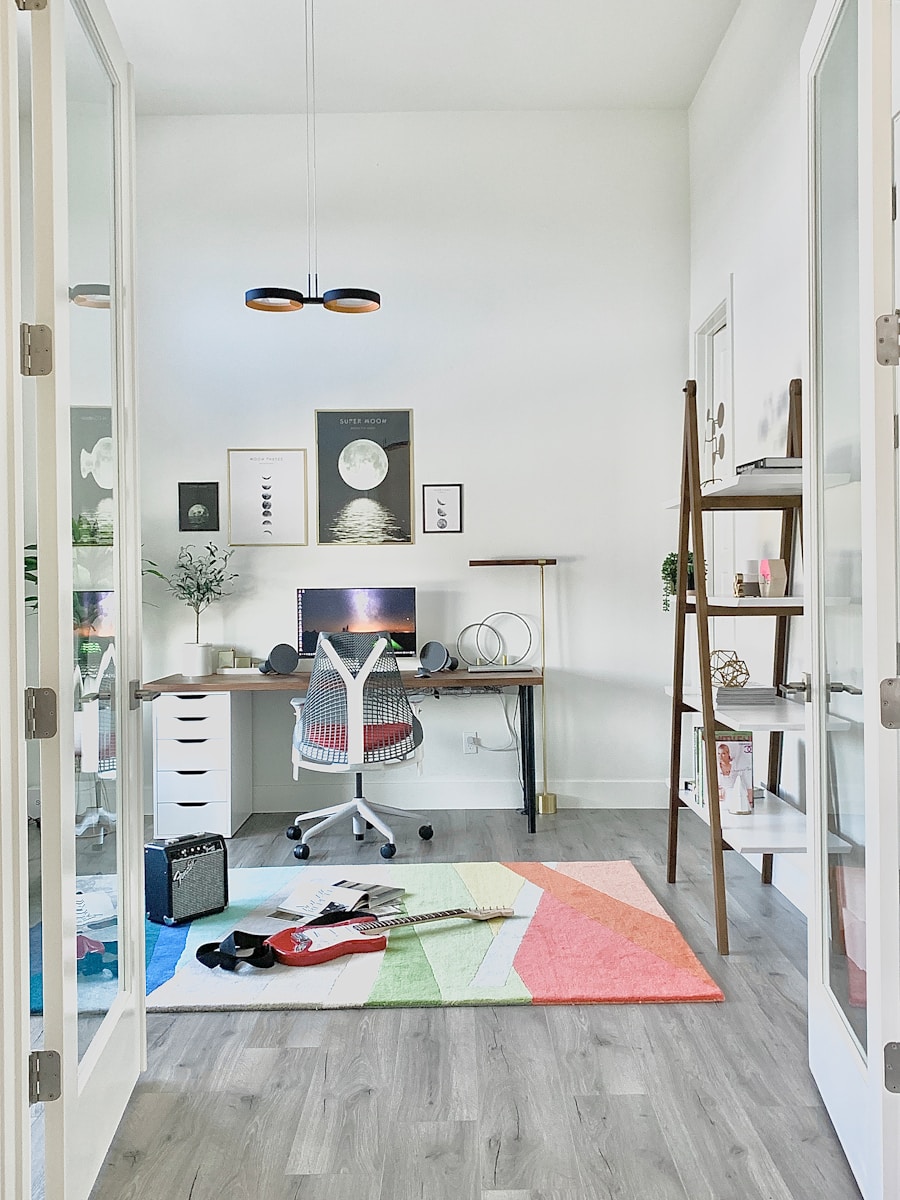
Designing for Comfort: Creating a comfortable and ergonomic workspace is crucial for productivity in your home office. Investing in quality furniture is just the beginning; consider adding elements that enhance the overall comfort of the space. A plush area rug can provide warmth underfoot and help define your workspace while also adding texture and color to the room.
This is particularly important in basements where cold concrete floors may detract from comfort levels. Choose rugs that are easy to clean and durable enough to withstand daily use.
Incorporating plants into your design can also significantly improve comfort and air quality. Indoor plants not only add a touch of nature but also have been shown to reduce stress and increase productivity. Consider low-maintenance options such as snake plants or pothos that thrive in lower light conditions typical of basements.
Additionally, artwork or personal photographs can help create a welcoming atmosphere; choose pieces that inspire you or evoke positive emotions. By thoughtfully designing your workspace with comfort in mind, you will foster an environment conducive to creativity and focus.
Technology Integration: Planning for the integration of technology in your home office design is essential for creating an efficient workspace. Start by considering the placement of electrical outlets; ensure they are conveniently located near your desk and any other technology hubs you may have, such as printers or charging stations. If your basement lacks sufficient outlets, it may be worth consulting an electrician to install additional ones or consider using power strips with surge protection.
Internet connectivity is another critical aspect of technology integration. If possible, position your desk near a router or invest in a Wi-Fi extender to ensure strong internet access throughout your workspace. Organizing cords and cables is equally important; use cable management solutions such as clips or sleeves to keep them tidy and out of sight.
This not only enhances the aesthetic appeal of your office but also reduces tripping hazards and makes cleaning easier. By carefully planning for technology integration, you can create a seamless workspace that supports your productivity without unnecessary distractions.
Personalizing the Space: Infusing your personality into the design of your home office is essential for creating an inspiring environment that motivates you to work effectively. Start by selecting artwork that resonates with you—this could be anything from framed prints of your favorite artists to motivational quotes that encourage you during challenging tasks. Personal photographs can also add warmth and familiarity; consider creating a gallery wall featuring images of loved ones or memorable experiences.
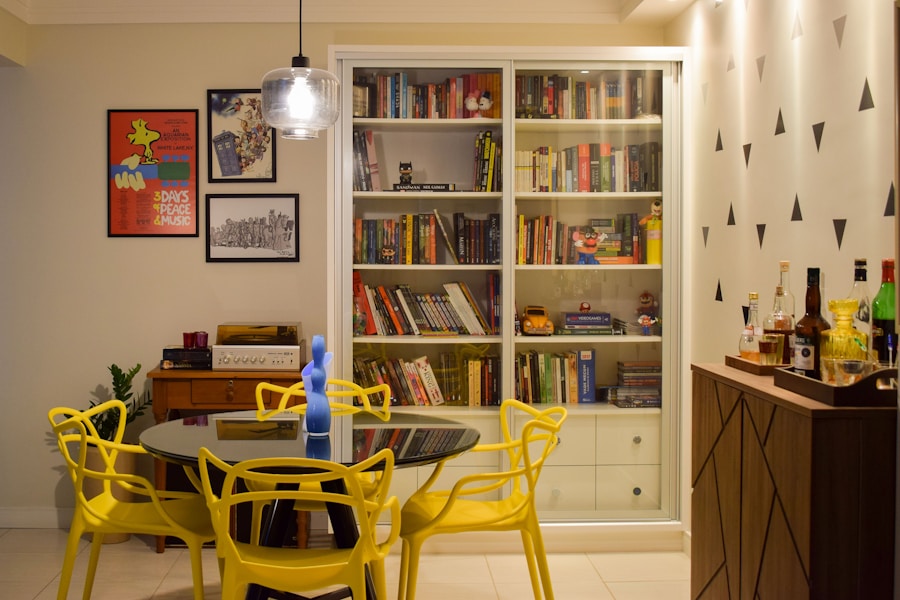
In addition to artwork, decorative elements such as unique desk accessories or themed decor can reflect your interests and style. For example, if you love travel, incorporate souvenirs from different places you’ve visited into your design. A well-curated bookshelf filled with books that inspire you not only serves as storage but also adds character to the room.
Consider using color schemes that evoke feelings of calmness or creativity; soft blues or greens can promote tranquility while vibrant yellows or oranges may stimulate energy and enthusiasm. By personalizing your space with meaningful touches, you will cultivate an environment that feels uniquely yours.
Creating a Productive Atmosphere: Consideration of acoustics and air quality in your basement workspace is vital for fostering productivity and comfort. Basements often have unique sound dynamics due to their enclosed nature; soundproofing options such as acoustic panels or heavy curtains can help minimize distractions from outside noise or echoes within the room. These elements not only improve sound quality but also contribute to an overall sense of calmness in your workspace.
Air quality is another critical factor; basements may sometimes feel stuffy due to limited ventilation. Investing in an air purifier can significantly enhance air quality by filtering out dust, allergens, and other pollutants that may affect your health and concentration levels. Additionally, incorporating plants into your design not only adds aesthetic value but also helps improve air quality naturally through photosynthesis.
Consider using plants known for their air-purifying properties, such as spider plants or peace lilies. By addressing both acoustics and air quality in your basement office design, you will create an environment conducive to focus and productivity while ensuring comfort throughout your workday.
If you’re looking to revitalize your home with key renovation strategies, check out this article from basementremodelingesg.com. Their expert basement finishing services can help transform your small basement space into a productive home office in Brooklyn. Learn more about their services and how they can help you maximize your space by visiting basementremodelingesg.com.
FAQs
What are some tips for maximizing small basement spaces for a productive home office in Brooklyn?
Some tips for maximizing small basement spaces for a productive home office in Brooklyn include utilizing vertical storage, incorporating multifunctional furniture, maximizing natural light, and creating a designated work area.
How can vertical storage be utilized in a small basement home office?
Vertical storage can be utilized in a small basement home office by installing shelves, wall-mounted cabinets, and utilizing hanging organizers to maximize storage space without taking up valuable floor space.
What are some examples of multifunctional furniture for a small basement home office?
Examples of multifunctional furniture for a small basement home office include fold-down desks, wall-mounted desks, storage ottomans, and convertible sofa beds that can serve as a guest bed when needed.
How can natural light be maximized in a small basement home office?
Natural light can be maximized in a small basement home office by strategically placing mirrors to reflect light, using light-colored paint on walls and ceilings, and installing window wells or light wells to bring in natural light from above.
What are some ideas for creating a designated work area in a small basement home office?
Ideas for creating a designated work area in a small basement home office include using room dividers, area rugs, and strategic furniture placement to define the workspace within the larger basement area.