Before embarking on any renovation or design project, a thorough assessment of the basement space is essential. This initial evaluation involves understanding the dimensions, layout, and existing features of the basement. Take precise measurements of the area, noting the height of the ceilings, the placement of windows, and any structural elements such as support beams or columns.
These factors will significantly influence your design choices and the overall functionality of the space. For instance, a low ceiling may limit your options for overhead lighting or tall furniture, while a large, open area could allow for more versatile arrangements. Additionally, consider the intended purpose of the basement.
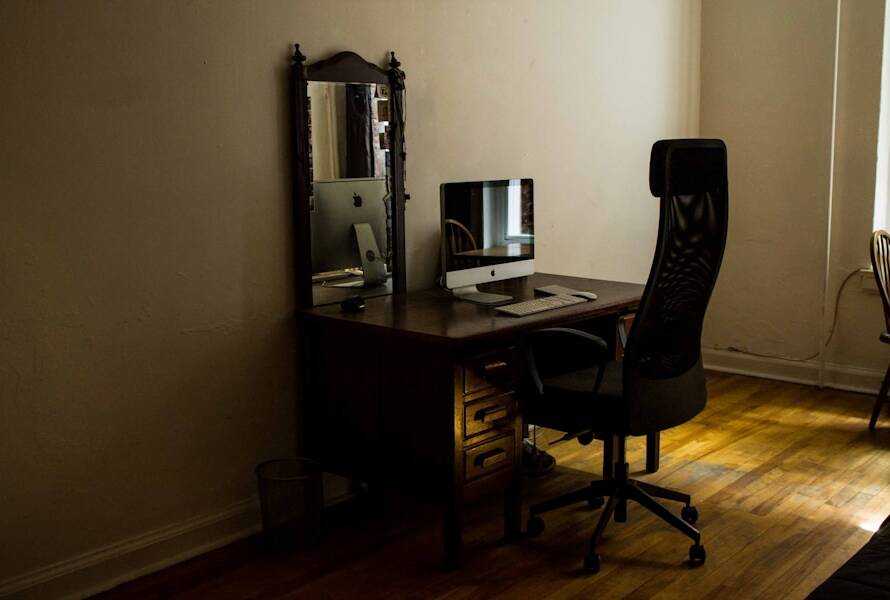
Will it serve as a family room, a home office, a gym, or perhaps a guest suite? Each function requires different considerations in terms of layout and design. For example, if you plan to create a home theater, you might prioritize soundproofing and seating arrangements, while a home office would necessitate adequate electrical outlets and a comfortable workspace.
By clearly defining the purpose of the basement, you can make informed decisions that enhance both its utility and aesthetic appeal.
Key Takeaways
- Assess your basement space to determine its potential use and any necessary renovations
- Choose the right flooring material that is durable, moisture-resistant, and suitable for the intended use of the space
- Consider moisture and humidity levels in the basement to prevent mold and mildew growth
- Insulate and soundproof the basement to improve energy efficiency and create a comfortable environment
- Add proper lighting to brighten the space and make it more inviting for various activities
- Select comfortable furniture that fits the space and enhances its functionality
- Incorporate personal touches to make the basement feel like a natural extension of your home
- Maintain a clean and organized space to maximize its usability and enjoyment
Choosing the Right Flooring Material
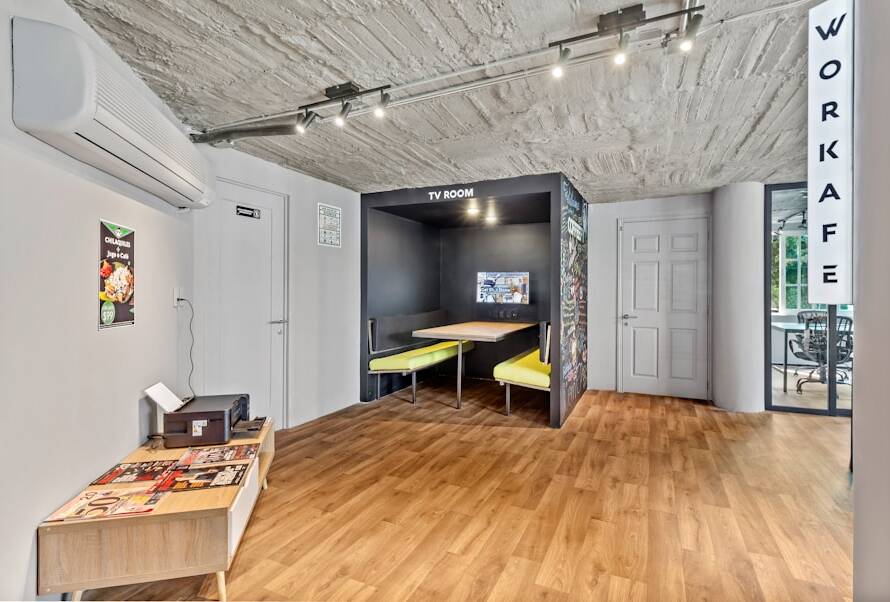
Selecting the appropriate flooring material for your basement is crucial, as it must withstand unique challenges such as moisture and temperature fluctuations. Traditional options like hardwood may not be suitable due to their susceptibility to warping in damp environments. Instead, consider materials specifically designed for basements, such as vinyl plank flooring or tile.
Vinyl plank offers the warmth and aesthetic of wood while being waterproof and easy to maintain. It is available in various styles and colors, allowing for customization to match your overall design theme. Another excellent option is ceramic or porcelain tile, which is not only durable but also resistant to moisture.
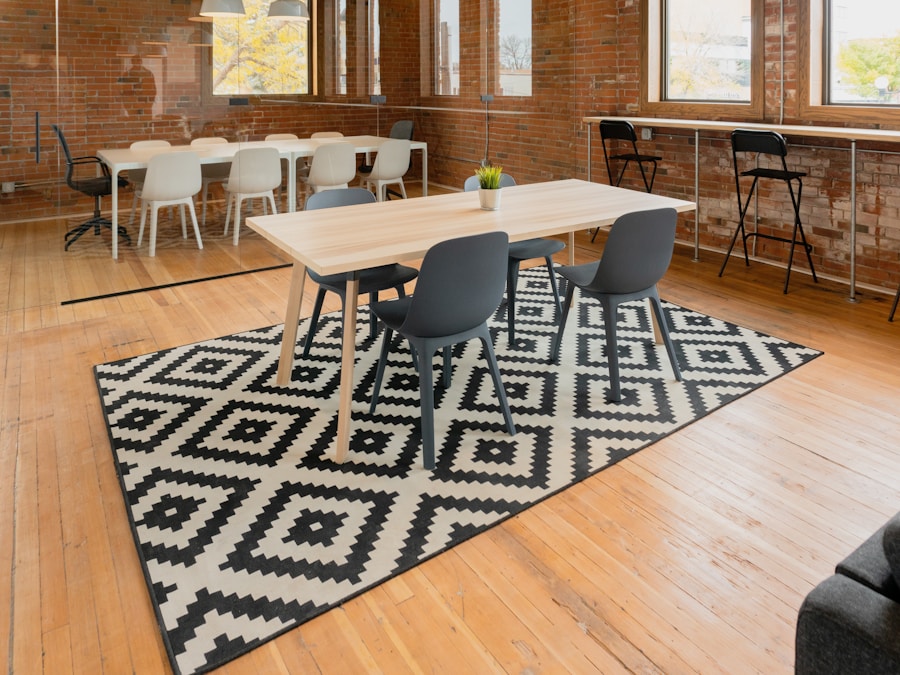
Tiles can be laid in various patterns to create visual interest and can be complemented with area rugs for added comfort. If you prefer a softer underfoot feel, consider carpet tiles. These modular pieces can be easily replaced if damaged and provide warmth and sound absorption.
When choosing flooring, also think about insulation; some products come with built-in underlayment that can help regulate temperature and reduce noise transmission.
Considering Moisture and Humidity Levels
Moisture control is one of the most critical aspects of basement design. Basements are often prone to dampness due to their location below ground level, which can lead to mold growth and structural damage if not properly managed. Before proceeding with any renovations, conduct a thorough inspection for signs of moisture intrusion, such as water stains on walls or floors, musty odors, or visible mold.
If you identify any issues, it’s essential to address them before moving forward with your design plans. Installing a dehumidifier can be an effective way to manage humidity levels in your basement. These devices help maintain optimal moisture levels, preventing mold growth and creating a more comfortable environment.
Additionally, consider waterproofing measures such as sealing cracks in walls and floors with appropriate sealants or applying a waterproof membrane during renovations. Proper ventilation is also vital; installing vents or using exhaust fans can help circulate air and reduce humidity levels. By taking these precautions, you can create a healthier living space that remains comfortable year-round.
Insulating and Soundproofing
Insulation plays a dual role in basement design: it helps regulate temperature and provides soundproofing benefits. Given that basements are often cooler than the rest of the house, proper insulation can make a significant difference in comfort levels. Insulating walls with foam board or fiberglass batts can help retain heat during colder months while keeping the space cooler in summer.
Soundproofing is another important consideration, especially if your basement will be used for activities that generate noise, such as watching movies or playing music. Acoustic panels can be installed on walls to absorb sound and reduce echo, creating a more enjoyable auditory experience.
Additionally, using soundproofing materials in the ceiling can help minimize noise transfer between floors. If you’re planning to use the basement as a guest suite or rental space, these soundproofing measures will ensure privacy for both occupants and those living above.
Adding Proper Lighting
Lighting is a critical element in basement design that can dramatically affect the ambiance and functionality of the space. Given that basements often lack natural light, it’s essential to incorporate various lighting sources to create a warm and inviting atmosphere. Start with overhead lighting; recessed lights or flush-mount fixtures can provide general illumination without taking up valuable space.
Consider using dimmable options to adjust brightness levels according to different activities. In addition to overhead lighting, task lighting is vital for specific areas such as reading nooks or workspaces. Table lamps or floor lamps can add both functionality and style while providing focused light where it’s needed most.
Accent lighting can also enhance the aesthetic appeal of your basement; wall sconces or LED strip lights can highlight architectural features or artwork. By layering different types of lighting, you can create a dynamic environment that feels both cozy and well-lit.
Selecting Comfortable Furniture
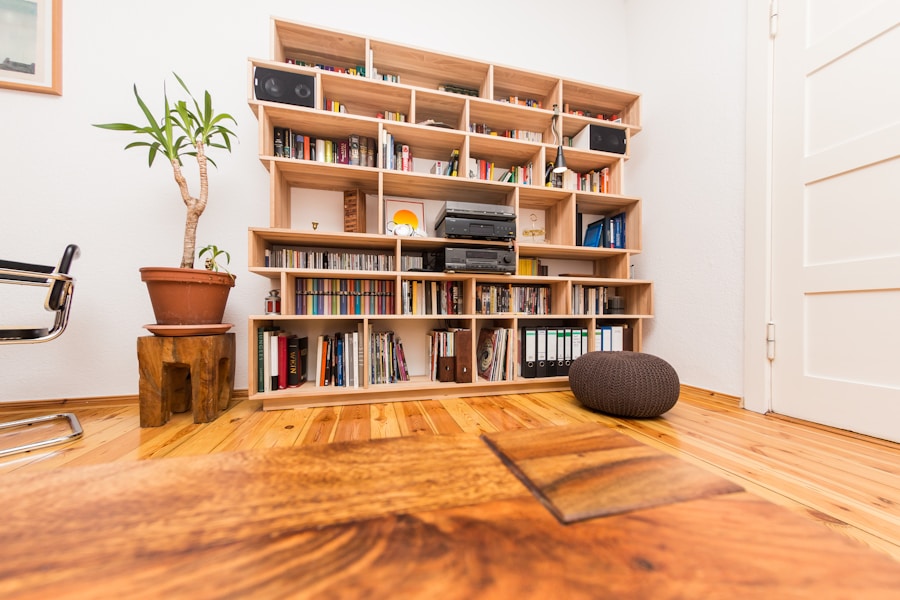
The choice of furniture in your basement should reflect its intended use while prioritizing comfort and style. If you envision a family room or entertainment area, opt for plush sofas and chairs that invite relaxation. Sectional sofas are particularly popular for their versatility; they can accommodate larger groups while providing ample seating space.
Consider incorporating ottomans or bean bags for additional seating options that are easy to move around. For multi-functional spaces like home offices or gyms, choose furniture that serves dual purposes. A fold-out desk can provide workspace when needed but can be tucked away when not in use, maximizing floor space.
In a gym setting, consider using storage benches that hold equipment while offering seating for post-workout relaxation. When selecting furniture, prioritize quality materials that withstand wear and tear while maintaining comfort; this ensures your basement remains an inviting space for years to come.
Incorporating Personal Touches
Personalizing your basement is what transforms it from a mere functional area into a true extension of your home. Start by selecting a color palette that resonates with your style; whether you prefer bold hues or soft neutrals, paint can dramatically change the mood of the space. Wall art is another excellent way to express your personality; consider framing family photos or displaying artwork that inspires you.
Textiles also play a significant role in adding warmth and character to your basement. Throw pillows, blankets, and area rugs can introduce color and texture while making the space feel cozier. Incorporate elements that reflect your interests—such as bookshelves filled with your favorite reads or memorabilia from travels—to create an environment that feels uniquely yours.
By thoughtfully curating these personal touches, you’ll foster an atmosphere that invites relaxation and enjoyment.
Maintaining a Clean and Organized Space
Once your basement is designed and furnished to your liking, maintaining cleanliness and organization becomes paramount to preserving its appeal and functionality. Establishing a regular cleaning routine will help prevent dust accumulation and keep surfaces looking fresh. Consider investing in storage solutions such as shelving units or cabinets to keep items organized and out of sight; this not only declutters the space but also enhances its overall aesthetic.
Incorporate designated areas for specific activities; for example, create a reading nook with bookshelves nearby or set up an exercise corner with storage for equipment. Labeling storage bins can also streamline organization efforts, making it easier to find items when needed. Regularly reassess your belongings; if certain items are no longer used or needed, consider donating them to free up space.
By prioritizing cleanliness and organization, you’ll ensure that your basement remains an enjoyable retreat for years to come.
If you’re looking to design, renovate, and revitalize your home, you may want to check out this article on basementremodelingesg.com.
Their blog also provides valuable insights and tips on basement remodeling, so be sure to visit basementremodelingesg.com for more information.
FAQs
What are the benefits of creating a basement office?
Creating a basement office can provide a quiet and private space for work, away from the distractions of the main living areas. It can also add value to the home and provide a dedicated workspace for remote work or running a business.
Why is the right flooring important for a basement office?
The right flooring is important for a basement office because it can help create a comfortable and productive work environment. It can also help with insulation, moisture resistance, and overall aesthetics.
What are some suitable flooring options for a basement office?
Suitable flooring options for a basement office include engineered hardwood, laminate, vinyl plank, and carpet tiles. These options are durable, moisture-resistant, and can provide a comfortable and professional look for the office space.
How can I ensure the flooring is suitable for a basement environment?
To ensure the flooring is suitable for a basement environment, it’s important to choose materials that are moisture-resistant, easy to clean, and can withstand potential humidity and temperature changes. It’s also important to properly prepare the basement floor before installation to prevent any moisture-related issues.
What are some tips for creating a comfortable basement office with the right flooring?
Some tips for creating a comfortable basement office with the right flooring include choosing a flooring material that complements the overall design of the office, adding area rugs for extra comfort and warmth, and incorporating proper lighting to brighten up the space. Additionally, ensuring good ventilation and air circulation can also contribute to a comfortable work environment.