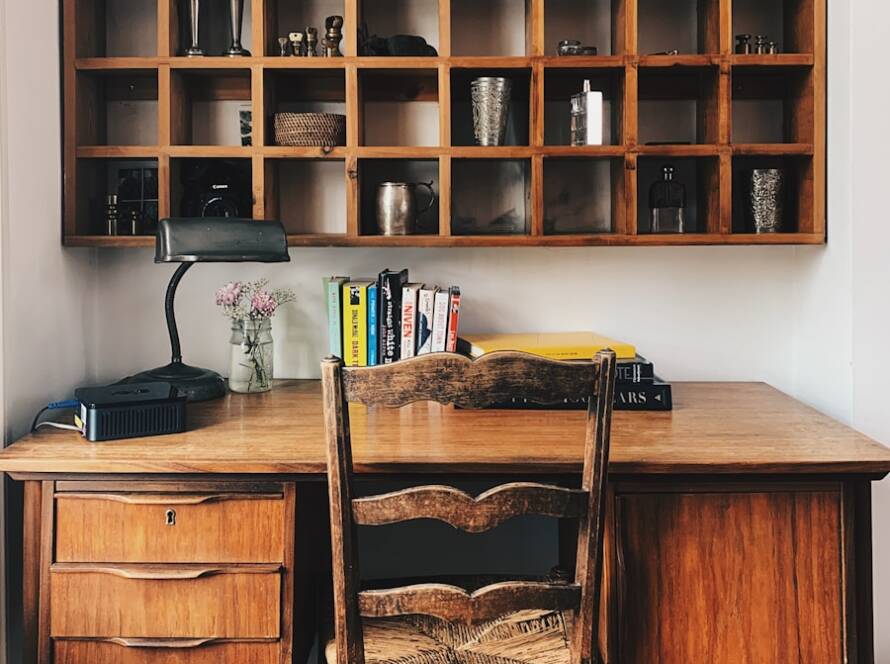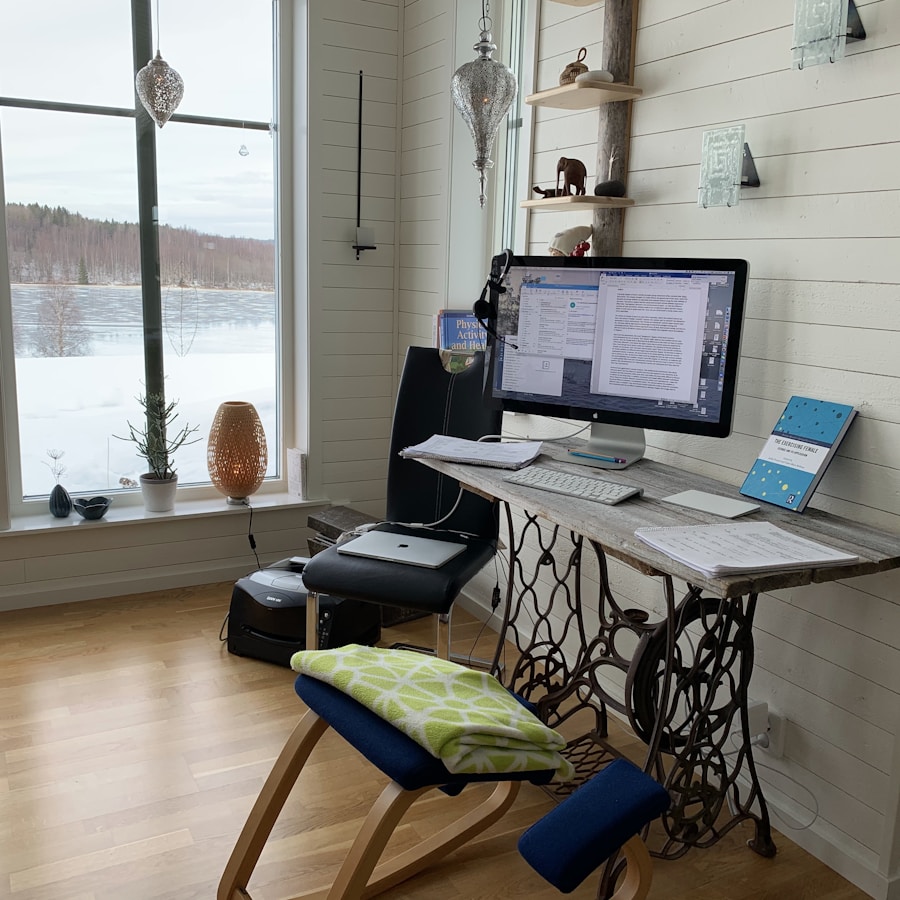
When transforming a basement into a functional home office, the first step is to thoroughly assess the space. This involves taking precise measurements of the area, noting the dimensions of walls, windows, and any structural elements such as support beams or ductwork. Understanding the layout is crucial, as it will dictate how you arrange furniture, technology, and storage solutions.
For instance, if your basement has low ceilings or irregular shapes, you may need to consider how to maximize vertical space or choose furniture that complements the unique contours of the room. Additionally, identifying natural light sources can influence your choice of flooring and color schemes, as well as the overall ambiance of your workspace. Moreover, the size of your basement will play a significant role in determining the type of flooring that is most suitable.
A smaller space may benefit from lighter-colored flooring options that create an illusion of openness, while a larger area might allow for bolder designs or darker hues that add depth. It’s also essential to consider how the layout will affect acoustics; for example, hard flooring materials can amplify sound, which may be distracting in a work environment. By carefully evaluating the dimensions and characteristics of your basement, you can make informed decisions that enhance both functionality and aesthetics.
Key Takeaways
- Understand the layout and size of your basement home office to determine the best flooring options.
- Explore cost-effective flooring options that fit within your budget for your basement home office.
- Select flooring materials that are resistant to moisture and humidity to ensure longevity in your basement home office.
- Choose flooring that complements the aesthetic of your basement home office for a cohesive design.
- Prioritize durability by selecting flooring materials that can withstand heavy foot traffic and potential wear and tear in your basement home office.
Considering Your Budget: Exploring Cost-Effective Flooring Options for Your Basement Home Office
Cost-Effective Options
Vinyl plank flooring is often considered a cost-effective option due to its affordability and ease of installation. It mimics the appearance of hardwood or tile while providing a durable surface that can withstand the unique challenges of a basement environment. Many vinyl options come with built-in moisture resistance, making them ideal for areas prone to dampness.
Laminate Flooring: A Budget-Friendly Alternative
Another budget-friendly alternative is laminate flooring, which offers a wide range of styles and finishes at a fraction of the cost of solid wood. Laminate is relatively easy to install as a floating floor system, which can save on labor costs if you choose to undertake the project yourself.
Long-Term Considerations
However, it’s essential to factor in the long-term costs associated with maintenance and potential replacement. While laminate can be less expensive upfront, it may not hold up as well over time compared to higher-quality materials. Therefore, balancing initial costs with durability and longevity is essential when making your flooring choice.
Understanding the Climate: Selecting Flooring Materials that are Resistant to Moisture and Humidity
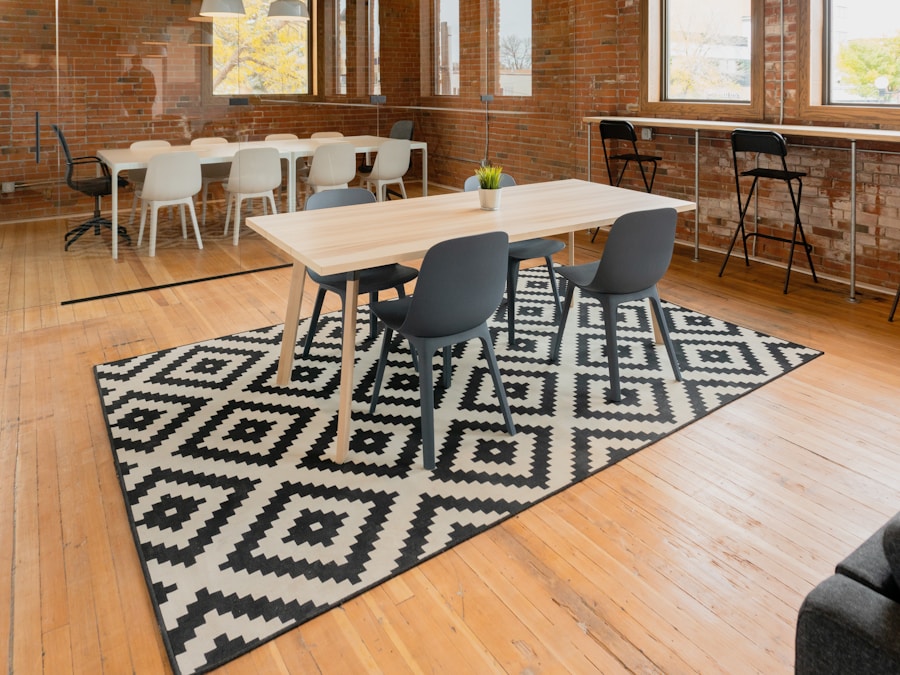
Basements are notorious for their susceptibility to moisture and humidity, making it imperative to select flooring materials that can withstand these conditions. The first step in this process is to assess the climate in your area; regions with high humidity levels or frequent rainfall may require more robust solutions than drier climates. For instance, tile flooring is an excellent choice for moisture-prone areas due to its inherent water resistance and ease of cleaning.
Porcelain tiles, in particular, are dense and less porous than ceramic tiles, making them an ideal option for basements where water intrusion might occur. In addition to tile, luxury vinyl flooring has gained popularity for its ability to resist moisture while providing a warm aesthetic. Many luxury vinyl products are designed specifically for basements and come with warranties that cover moisture-related issues.
When selecting flooring materials, it’s also wise to consider installing a vapor barrier beneath the flooring to further protect against moisture seepage from the ground. This additional layer can help prolong the life of your flooring and maintain a comfortable environment in your home office.
Exploring Design Options: Choosing Flooring that Complements the Aesthetic of Your Basement Home Office
The design of your basement home office should reflect your personal style while also promoting productivity. Flooring plays a significant role in establishing the overall aesthetic of the space. For instance, if you envision a modern workspace, sleek options like polished concrete or large-format tiles can create a contemporary feel.
On the other hand, if you prefer a more traditional look, hardwood or laminate flooring with rich tones can add warmth and character to the room. Color selection is another critical aspect of design. Lighter shades can make a small basement feel more expansive and airy, while darker hues can create a cozy atmosphere conducive to focused work.
Additionally, consider how the flooring will interact with other design elements such as wall colors, furniture styles, and lighting fixtures.
Ultimately, choosing flooring that complements your desired aesthetic will contribute to a cohesive and inspiring workspace.
Evaluating Durability: Selecting Flooring Materials that can Withstand Heavy Foot Traffic and Potential Wear and Tear
Durability is a key consideration when selecting flooring for a basement home office, especially if you anticipate heavy foot traffic or frequent movement within the space. High-quality materials are essential for ensuring that your investment stands the test of time. For instance, commercial-grade carpet tiles are designed to withstand significant wear and tear while providing comfort underfoot.
They are also easy to replace individually if damage occurs, making them a practical choice for busy environments. Hardwood flooring is another durable option but requires careful consideration regarding its finish and maintenance needs. Engineered hardwood offers greater stability in fluctuating humidity levels compared to solid wood and can be an excellent choice for basements.
Additionally, luxury vinyl planks are engineered for durability; they resist scratches and dents while providing a realistic wood or stone appearance. When evaluating durability, it’s crucial to consider not only the material itself but also factors such as installation methods and maintenance requirements that can impact longevity.
Prioritizing Comfort: Selecting Flooring that Provides Insulation and Comfort for Your Basement Home Office
Why Flooring Matters
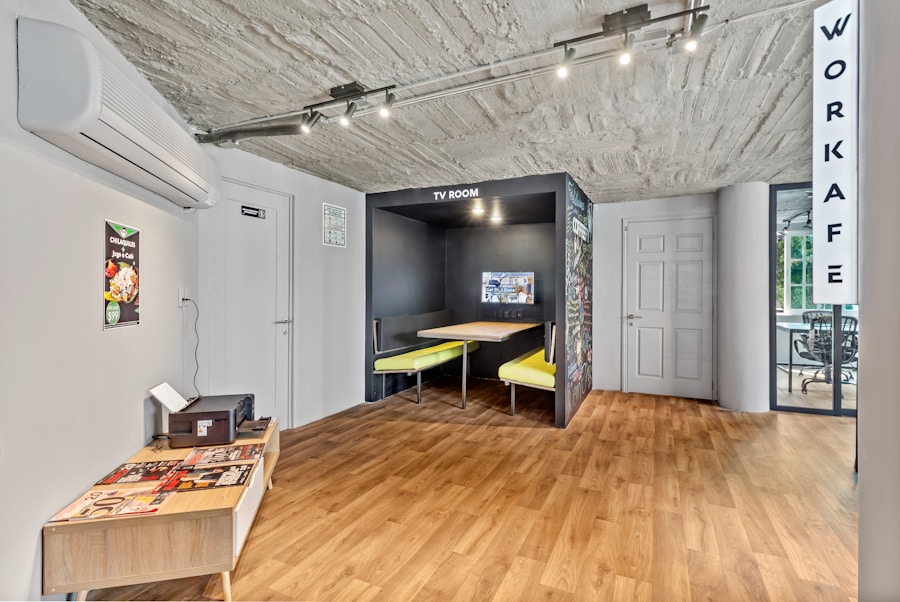
Comfort is paramount in creating an inviting basement home office where you can work efficiently for extended periods. The right flooring can significantly impact how comfortable you feel in this space.
Carpeting: A Popular Choice
Carpeting is often favored for its warmth and cushioning effect; it provides insulation against cold concrete floors while also reducing noise levels—an essential factor in maintaining focus during work hours. If you opt for carpet, consider choosing high-density options that offer better durability and comfort.
Alternative Options for Comfort
For those who prefer hard surface flooring but still want comfort underfoot, adding area rugs can be an effective solution. Rugs not only provide additional cushioning but also allow for flexibility in design and color schemes. Another option is cork flooring, which is naturally insulating and offers a soft feel underfoot while being eco-friendly. Cork also has inherent antimicrobial properties that can contribute to a healthier indoor environment. Prioritizing comfort in your flooring choice will enhance your overall experience in your basement home office.
Exploring Maintenance Needs: Understanding the Cleaning and Upkeep Requirements of Different Flooring Options
Maintenance requirements vary widely among different flooring materials, making it essential to consider how much time and effort you are willing to invest in upkeep when selecting flooring for your basement home office. For example, hardwood floors require regular sweeping or vacuuming to remove dust and debris, along with periodic refinishing to maintain their appearance over time. While they offer timeless beauty, their maintenance needs may not be ideal for everyone.
In contrast, luxury vinyl flooring is known for its low-maintenance qualities; it typically requires only regular sweeping and occasional mopping with a gentle cleaner to keep it looking fresh. Tile floors also offer easy maintenance due to their resistance to stains and spills; however, grout lines may require periodic cleaning to prevent discoloration. If you choose carpet tiles, they can be easily replaced if stained or damaged without needing to replace the entire floor covering.
Understanding these maintenance needs will help you select flooring that aligns with your lifestyle and preferences.
Seeking Professional Advice: Consulting with Flooring Experts to Make Informed Decisions for Your Basement Home Office
Navigating the myriad options available for basement flooring can be overwhelming; therefore, seeking professional advice is invaluable in making informed decisions tailored to your specific needs. Flooring experts can provide insights into the latest trends, materials best suited for basements, and installation techniques that ensure optimal performance over time. They can also help you understand local building codes or regulations that may impact your project.
Consulting with professionals allows you to tap into their expertise regarding moisture management solutions or underlayment options that enhance comfort and durability. Additionally, they can assist in creating a cohesive design plan that aligns with your vision while considering practical aspects such as budget constraints and maintenance requirements. By leveraging professional guidance, you can confidently select flooring that not only meets your functional needs but also enhances the overall aesthetic of your basement home office.
If you’re looking for more ideas and solutions for renovating your home, check out this article on The Best Solutions & Ideas for Renovating Your Home. This article provides a comprehensive guide on how to transform your space and make it more functional and aesthetically pleasing. It’s a great resource to complement the tips on choosing the right flooring for your Brooklyn basement home office.
FAQs
What are the factors to consider when choosing flooring for a basement home office in Brooklyn?
Some factors to consider when choosing flooring for a basement home office in Brooklyn include moisture resistance, durability, comfort, and style.
What are some moisture-resistant flooring options for a basement home office?
Some moisture-resistant flooring options for a basement home office include vinyl plank flooring, ceramic tile, and concrete.
What are the most durable flooring options for a basement home office?
The most durable flooring options for a basement home office include ceramic tile, concrete, and engineered hardwood.
What flooring options provide comfort for a basement home office?
Carpet, cork, and rubber flooring are some options that provide comfort for a basement home office.
What are some popular flooring styles for a basement home office in Brooklyn?
Some popular flooring styles for a basement home office in Brooklyn include modern, industrial, and traditional styles.