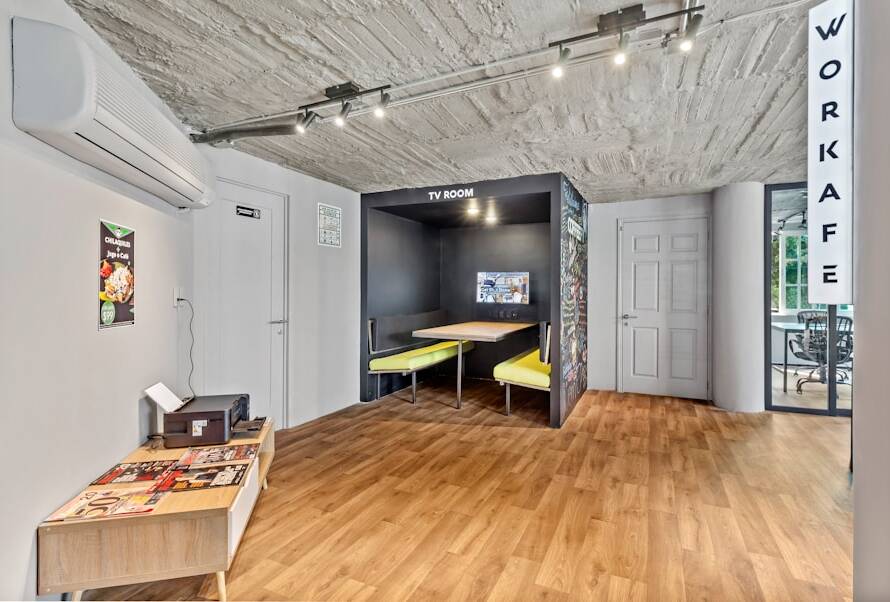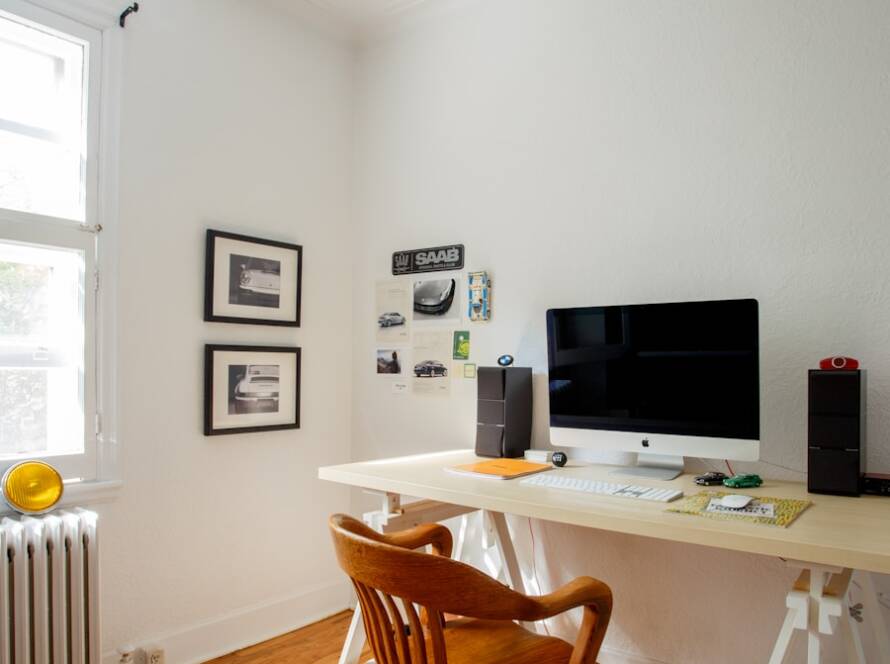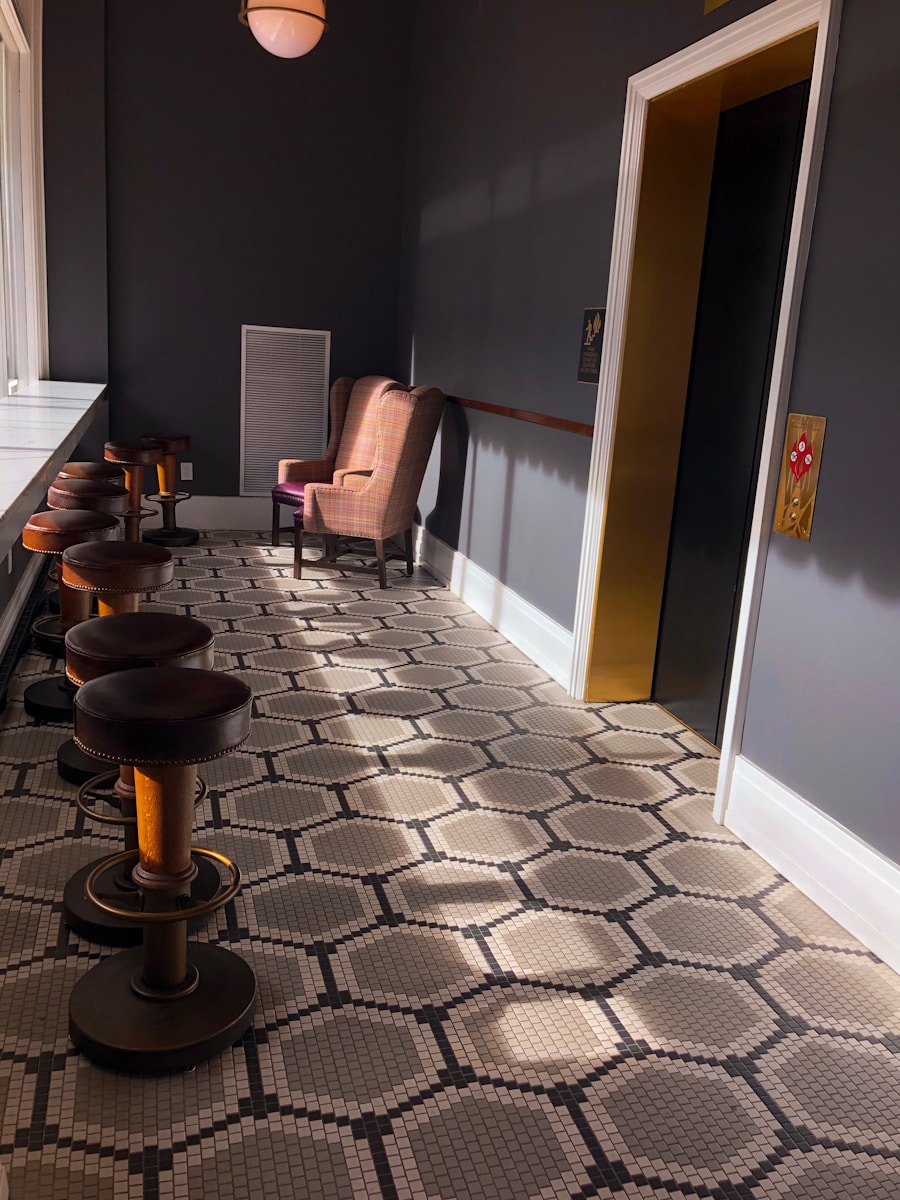
When embarking on the journey of creating a basement bar, it is essential to first clarify its purpose. A basement bar can serve multiple functions, from a casual gathering spot for friends and family to a more sophisticated venue for entertaining guests. Understanding the primary use of the bar will guide decisions regarding its design, layout, and the materials used, including flooring.
For instance, if the bar is intended for lively social gatherings, it may require a more durable and easy-to-clean flooring option that can withstand spills and foot traffic. Conversely, if the space is meant for intimate gatherings or quiet evenings, a cozier, more luxurious flooring material might be appropriate. Additionally, the purpose of your basement bar can influence the overall aesthetic you wish to achieve.
A sports-themed bar may call for vibrant colors and a more casual vibe, while a cocktail lounge might lean towards elegance and sophistication. This understanding will not only help in selecting the right flooring but also in harmonizing it with other elements such as furniture, lighting, and decor. By defining the purpose of your basement bar early in the planning process, you can create a cohesive space that meets your needs and reflects your personal style.
Key Takeaways
- Understanding the purpose of your basement bar is crucial for determining the design and material of the flooring.
- Considering the basement environment, such as moisture and temperature, is important when choosing the right material for your basement bar flooring.
- When choosing the right material for your basement bar flooring, consider options like vinyl, laminate, or engineered wood for durability and moisture resistance.
- Explore design options for your basement bar flooring, such as patterns, colors, and textures, to complement the overall aesthetic of the space.
- Budgeting for basement bar flooring should include the cost of materials, installation, and any necessary maintenance to ensure a long-lasting and functional flooring solution.
Considering the Basement Environment
The Unique Environment of a Bar
Basement Conditions and Flooring Choices
The environment of a basement is unique and often presents challenges that must be addressed when designing a bar. Basements are typically more susceptible to moisture and humidity than other areas of the home, which can lead to issues such as mold growth and damage to flooring materials. Therefore, it is crucial to assess the basement’s current conditions before making any decisions about flooring.
Environmental Factors to Consider
This includes checking for signs of water intrusion, such as dampness on walls or floors, and ensuring that proper drainage systems are in place. Moreover, temperature fluctuations can also affect the basement environment. Basements tend to be cooler than the rest of the house, which can impact both comfort levels and the performance of certain flooring materials.
Choosing the Right Flooring for Your Basement Bar
For example, hardwood floors may warp in response to humidity changes, while tile can feel uncomfortably cold underfoot. Understanding these environmental factors will help you choose flooring that not only looks great but also stands up to the unique conditions of a basement setting. Proper insulation and ventilation can also play a significant role in maintaining a comfortable atmosphere in your basement bar.
Choosing the Right Material for Your Basement Bar Flooring
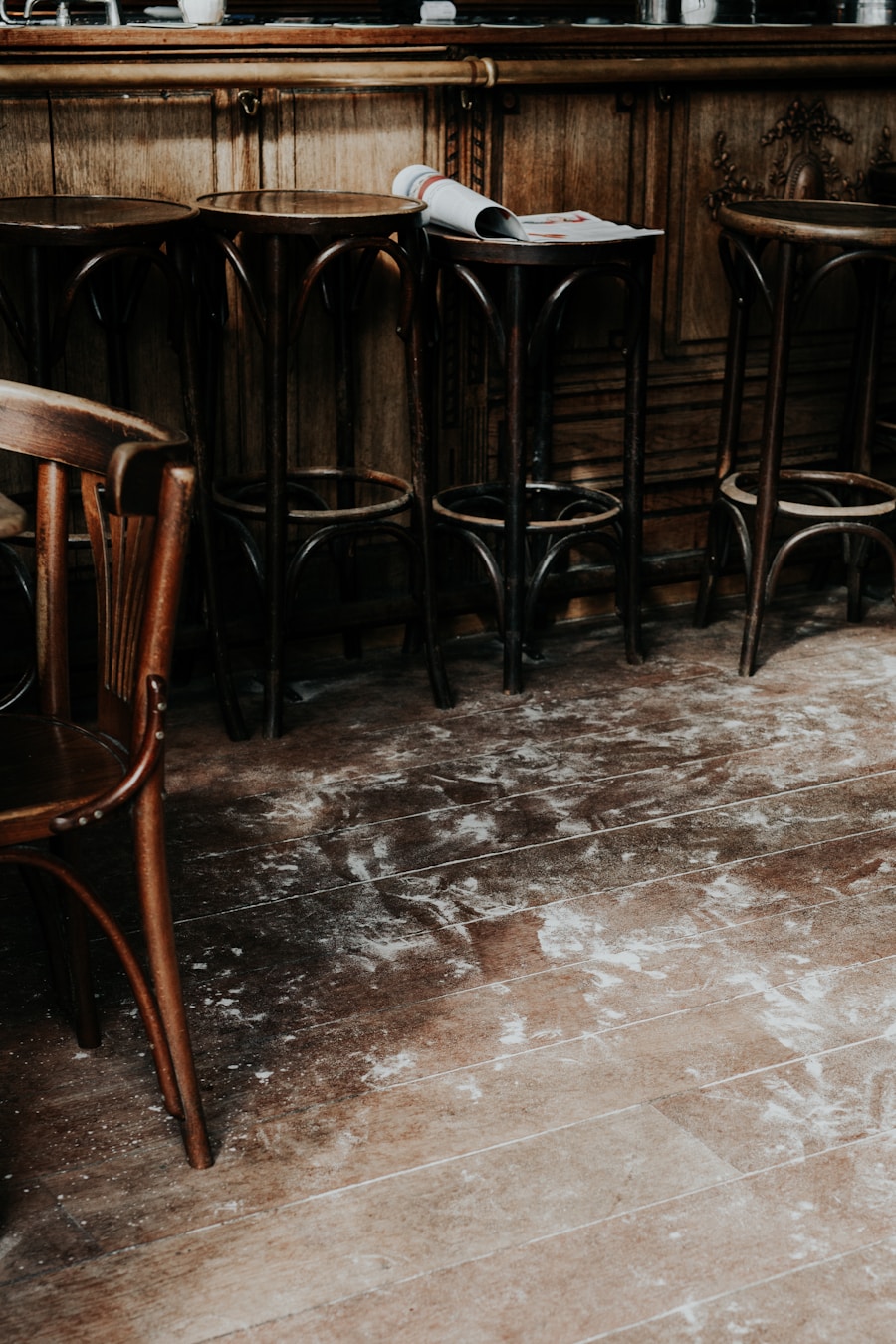
Selecting the right flooring material for your basement bar is a critical decision that will affect both functionality and aesthetics. Given the potential for moisture issues in basements, materials that are resistant to water damage are often recommended. Vinyl flooring is an excellent choice due to its durability and water resistance.
It comes in various styles and colors, allowing you to achieve the desired look without compromising on practicality. Additionally, luxury vinyl planks can mimic the appearance of hardwood or stone while providing superior moisture resistance. Another popular option is tile flooring, particularly porcelain or ceramic tiles.
These materials are not only waterproof but also easy to clean and maintain, making them ideal for a space where spills are likely to occur. Tiles come in an array of designs, from classic to contemporary, enabling you to create a unique atmosphere in your basement bar. However, it’s important to consider that tile can be cold underfoot, so incorporating area rugs or heated flooring systems may enhance comfort.
For those seeking a warmer feel, engineered hardwood could be an option worth exploring. Unlike solid hardwood, engineered hardwood is less susceptible to moisture-related issues due to its layered construction. This type of flooring offers the beauty of natural wood while providing better stability in fluctuating temperatures and humidity levels.
However, it’s essential to ensure that any engineered wood product chosen is rated for below-grade installation.
Exploring Design Options for Your Basement Bar Flooring
Once you have determined the appropriate material for your basement bar flooring, it’s time to delve into design options that will enhance the overall aesthetic of your space. The choice of color and pattern can significantly influence the ambiance of your bar area. For instance, darker tones can create a cozy and intimate atmosphere, while lighter shades can make the space feel more open and airy.
If you opt for vinyl or tile, consider using patterns or textures that add visual interest without overwhelming the space. Incorporating different flooring materials can also be an effective design strategy. For example, you might choose to use tile around the bar area for easy cleanup while opting for plush carpeting in seating areas to create a comfortable lounge feel.
This combination not only delineates different functional zones within your basement bar but also adds depth and character to the overall design. Another design consideration is the use of borders or transitions between different flooring types. A well-defined transition can enhance the visual appeal and provide a polished look to your basement bar.
Additionally, consider how your flooring choice will interact with other elements in the space, such as cabinetry, countertops, and lighting fixtures. Coordinating colors and textures will create a harmonious environment that invites guests to relax and enjoy their time at your bar.
Budgeting for Basement Bar Flooring
Budgeting is an essential aspect of any home improvement project, including installing flooring in your basement bar. The cost of flooring materials can vary widely based on factors such as type, quality, and installation method. Vinyl flooring tends to be one of the more affordable options available, with prices ranging from $2 to $7 per square foot depending on quality and design.
On the other hand, high-end options like luxury vinyl or engineered hardwood can cost significantly more but may offer better durability and aesthetics. In addition to material costs, it’s important to factor in installation expenses if you plan to hire professionals. Installation costs can vary based on complexity; for example, laying tile may require more labor than installing vinyl planks due to cutting and grouting requirements.
If you are considering a DIY approach to save on costs, ensure you have the necessary skills and tools for a successful installation. Don’t forget to account for additional expenses such as underlayment or moisture barriers that may be required for certain flooring types in a basement environment.
By carefully planning your budget and considering all associated costs upfront, you can avoid unexpected expenses down the line.
Installation and Maintenance Considerations
Professional Installation
If you hire professionals, ensure they have experience with basement installations, as these environments require special considerations regarding moisture control and insulation. A qualified contractor will understand how to properly prepare the subfloor and install any necessary moisture barriers.
This includes acclimating materials before installation and using appropriate adhesives or underlayment where required. Additionally, consider investing in quality tools that will make the job easier and yield better results.
Maintenance and Upkeep
Maintenance is another critical aspect of keeping your basement bar flooring looking its best over time. Different materials have varying maintenance requirements; for instance, vinyl floors typically require simple sweeping and occasional mopping with a gentle cleaner, while tile may need grout cleaning periodically to maintain its appearance. Engineered hardwood may require specific cleaning products designed for wood surfaces to prevent damage. Regular maintenance not only enhances the longevity of your flooring but also ensures that your basement bar remains an inviting space for guests. Establishing a cleaning routine based on your chosen material will help keep your bar looking fresh and well-maintained.
Seeking Professional Advice
Navigating the complexities of choosing and installing flooring for your basement bar can be overwhelming; therefore, seeking professional advice is often beneficial. Flooring specialists can provide insights into which materials are best suited for your specific environment while considering factors such as moisture levels and foot traffic patterns. They can also recommend products that align with your budget and design preferences.
Consulting with interior designers or contractors who specialize in basement renovations can further enhance your project’s success. These professionals can help you visualize how different flooring options will work within your overall design scheme and offer suggestions on complementary elements such as cabinetry or lighting fixtures. Their expertise can save you time and money by helping you avoid common pitfalls associated with basement renovations.
Additionally, visiting showrooms or home improvement stores allows you to see samples in person and gain a better understanding of how different materials will look in your space. Many retailers also offer consultations where knowledgeable staff can answer questions about installation methods or maintenance requirements.
Finalizing Your Basement Bar Flooring Decision
After careful consideration of all factors involved—purpose, environment, material options, design choices, budgeting, installation methods, and professional advice—you are now ready to finalize your decision regarding your basement bar flooring. This step should involve reviewing all gathered information and weighing pros and cons based on your specific needs and preferences. It may be helpful to create a checklist that outlines key criteria such as durability, maintenance requirements, aesthetic appeal, and budget constraints.
This checklist will serve as a valuable reference point as you make your final selection. Additionally, consider how each option aligns with your long-term vision for the space; after all, this is an investment in both functionality and enjoyment. Once you have made your decision on flooring material and design, it’s time to move forward with purchasing materials or scheduling installation services.
Ensure that all necessary preparations are made ahead of time so that the process goes smoothly from start to finish. With careful planning and thoughtful consideration throughout each stage of this project, you will soon enjoy a beautifully designed basement bar that serves as an inviting retreat for socializing and relaxation.
If you’re looking to transform your basement into a personal sanctuary, you may want to check out this article on how to turn houses into personal sanctuaries. This article provides valuable tips and ideas on creating a space that reflects your personal style and meets your needs. It could be a great resource to help you design the perfect basement bar for your Brooklyn home.
FAQs
What are the factors to consider when selecting flooring for a basement bar in Brooklyn?
When selecting flooring for a basement bar in Brooklyn, it’s important to consider factors such as moisture resistance, durability, style, and budget. Since basements are prone to moisture, it’s crucial to choose flooring that can withstand potential water damage.
What are some moisture-resistant flooring options for a basement bar?
Some moisture-resistant flooring options for a basement bar in Brooklyn include vinyl plank flooring, ceramic or porcelain tile, and concrete. These materials are less susceptible to water damage and are suitable for basement environments.
What are the most durable flooring options for a high-traffic basement bar?
For a high-traffic basement bar, durable flooring options such as porcelain tile, luxury vinyl plank, and concrete are recommended. These materials can withstand heavy foot traffic and are resistant to wear and tear.
What flooring styles are popular for basement bars in Brooklyn?
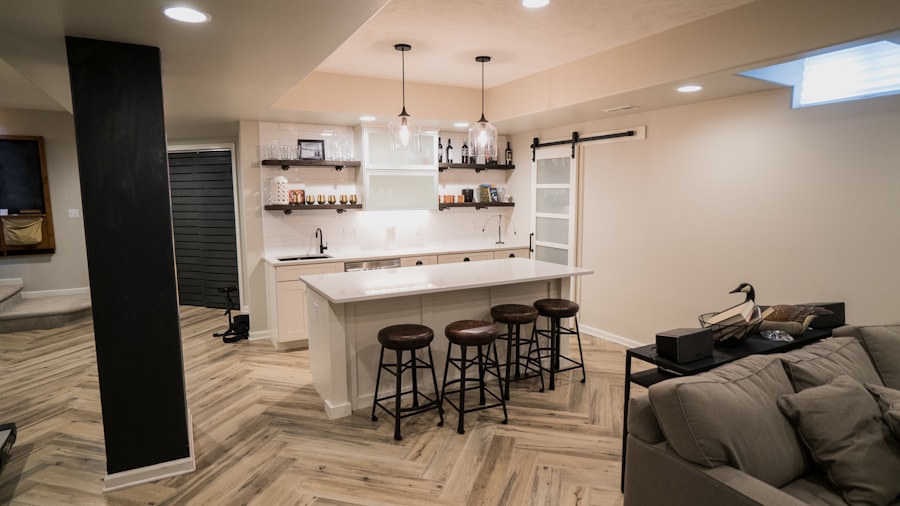
Popular flooring styles for basement bars in Brooklyn include wood-look vinyl plank, stained concrete, and patterned ceramic tile. These styles can add a touch of warmth and character to the basement bar while complementing the overall design aesthetic.
How can I stay within budget when selecting flooring for my basement bar?
To stay within budget when selecting flooring for a basement bar, consider cost-effective options such as laminate flooring, vinyl plank, or stained concrete. Additionally, comparing prices from different suppliers and considering installation costs can help in making a budget-friendly decision.