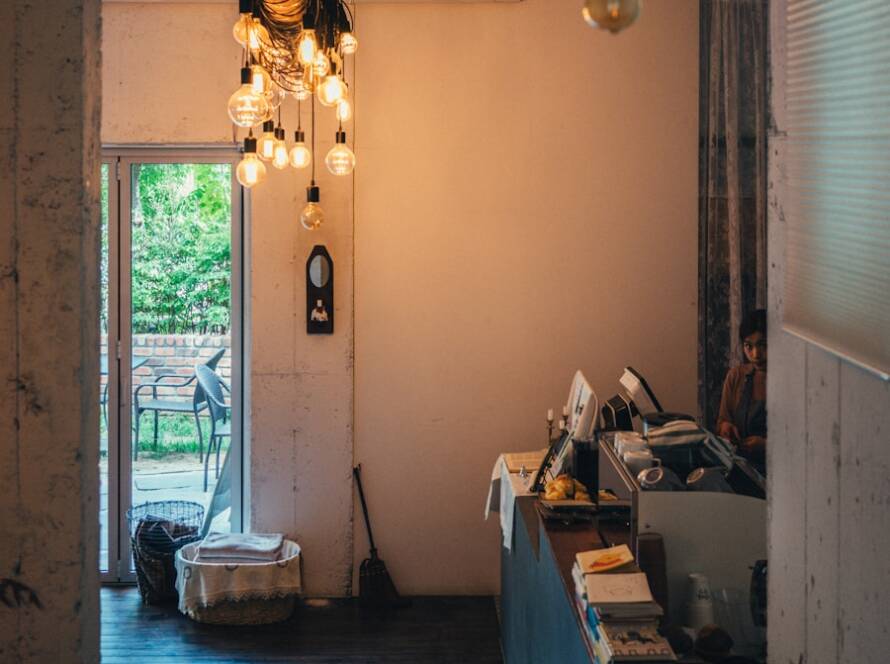
Task lighting is a crucial component of any well-designed space, serving the specific purpose of illuminating areas where focused activities take place. Unlike ambient lighting, which provides overall illumination, task lighting is tailored to enhance visibility for tasks such as reading, writing, cooking, or crafting. The primary goal of task lighting is to reduce eye strain and improve productivity by ensuring that the light is directed precisely where it is needed.
This type of lighting can come from various sources, including desk lamps, pendant lights, and wall-mounted fixtures, each designed to provide concentrated light without overwhelming the surrounding area. The importance of task lighting cannot be overstated, especially in environments where precision is key. For instance, in a home office, a well-placed desk lamp can make a significant difference in comfort and efficiency.
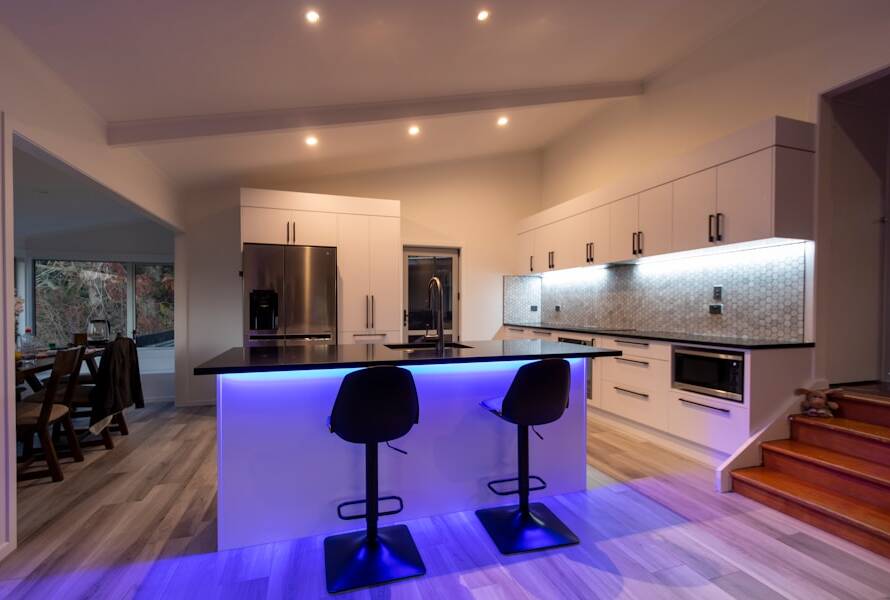
Similarly, in a kitchen, under-cabinet lighting can illuminate countertops, making food preparation safer and more enjoyable. Understanding the nuances of task lighting involves recognizing the different types of fixtures available and how they can be utilized effectively to enhance both functionality and aesthetics in a space.
Key Takeaways
- Task lighting is essential for providing focused light in specific areas for tasks such as reading, cooking, and working.
- When choosing task lighting fixtures, consider factors such as the type of task, the size of the area, and the style of the space.
- Task lighting should be strategically placed in key areas such as desks, kitchen counters, and reading nooks to provide adequate illumination.
- Incorporating dimmer switches allows for flexibility in adjusting the brightness of task lighting to suit different activities and moods.
- Under-cabinet lighting is a practical and effective option for illuminating workspaces such as kitchen counters and desks.
Choosing the Right Task Lighting Fixtures
Desk Lamps: A Popular Choice
Desk lamps are a popular choice for home offices and study areas, providing direct light that can be adjusted to suit individual needs. When selecting a desk lamp, factors such as brightness, color temperature, and adjustability should be taken into account.
Pendant Lights: Effective Task Lighting
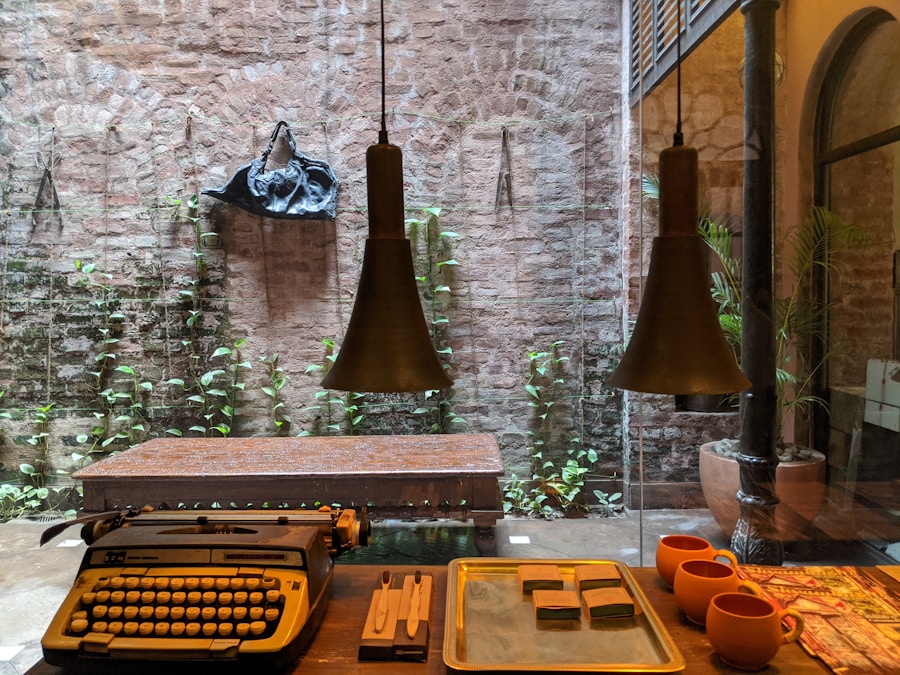
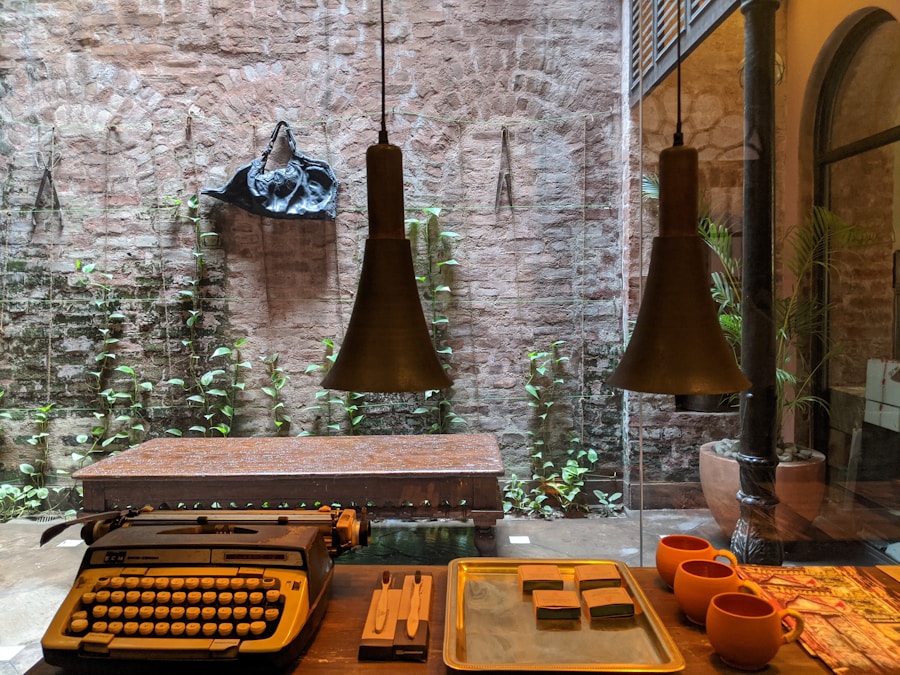
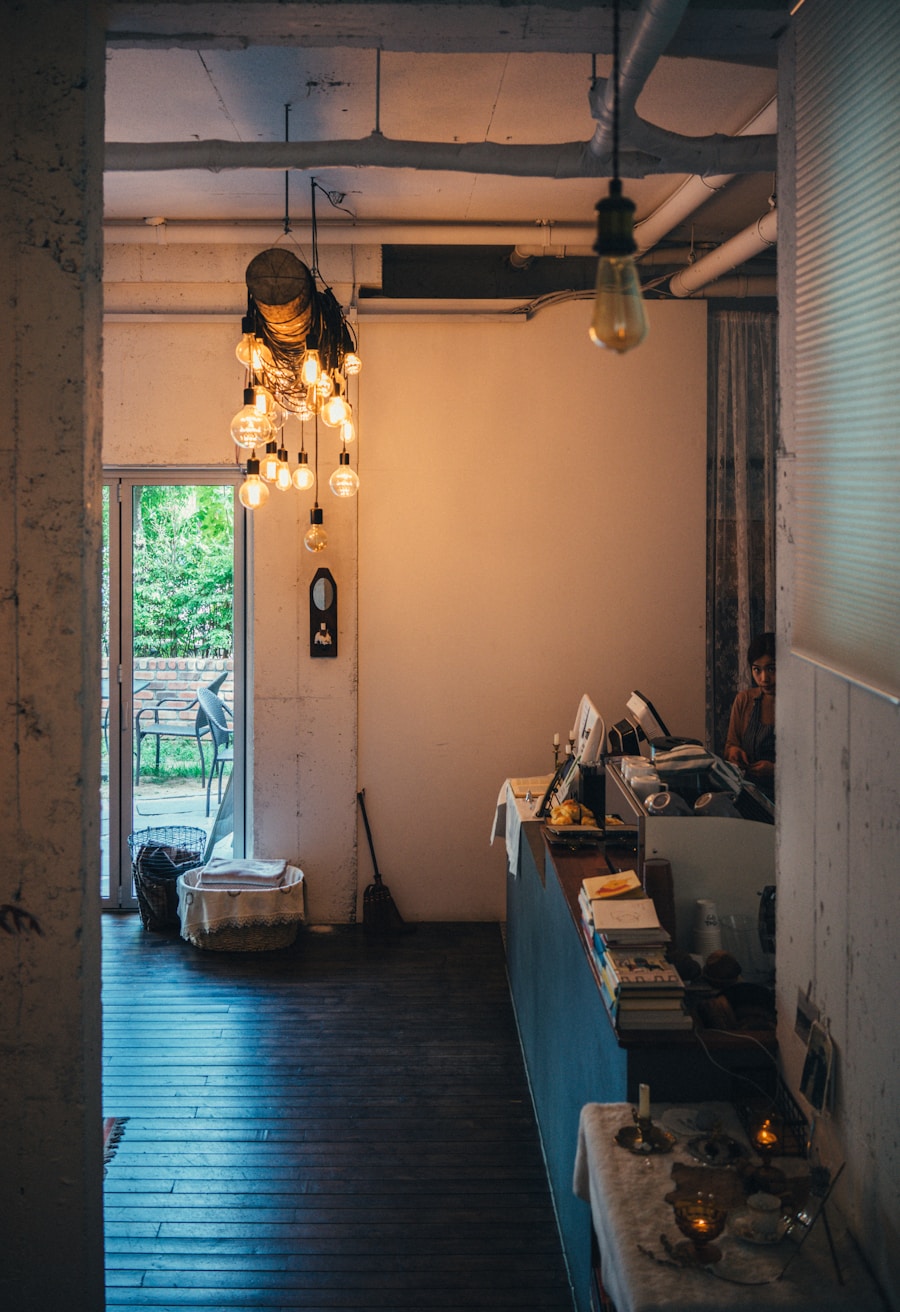
In addition to desk lamps, pendant lights can serve as effective task lighting in areas like kitchens or dining rooms. A pendant light hung above a kitchen island can provide focused illumination for meal preparation while also serving as a stylish design element.
Wall-Mounted Fixtures: Space-Saving and Versatile
Wall-mounted fixtures are another option that can save space while delivering targeted light. Swing-arm wall lamps are particularly versatile, allowing users to adjust the angle and direction of the light as needed.
Ultimately, the right choice of task lighting fixtures will depend on the specific requirements of the space and the activities being performed.
Placing Task Lighting in Key Areas
The placement of task lighting is just as important as the selection of fixtures. Properly positioned task lighting can significantly enhance functionality and comfort in various areas of a home or workspace. In a home office, for instance, placing a desk lamp on one side of the desk can help minimize shadows cast by the user’s hands while writing or typing.
Ideally, the light source should be positioned to the opposite side of the dominant hand to ensure optimal visibility without glare. In kitchens, task lighting should be strategically placed to illuminate work surfaces effectively. Under-cabinet lights are particularly beneficial in this regard, as they provide direct light onto countertops without creating harsh shadows.
Additionally, pendant lights above islands or dining tables can create a warm and inviting atmosphere while also serving as functional task lighting for food preparation or dining activities. By carefully considering the placement of task lighting in key areas, homeowners can create spaces that are not only visually appealing but also highly functional.
Incorporating Dimmer Switches for Versatility
One of the most effective ways to enhance task lighting is by incorporating dimmer switches into the design. Dimmer switches allow users to adjust the brightness of their lighting according to their needs and preferences, providing versatility that can adapt to different activities and times of day. For example, during daytime hours when natural light is abundant, lower brightness levels may suffice for tasks like reading or writing.
Conversely, in the evening or during darker months, increased brightness may be necessary to maintain focus and clarity. The ability to control light intensity also contributes to creating a more comfortable atmosphere. In spaces where multiple activities occur—such as a living room that serves as both a workspace and relaxation area—dimmer switches enable users to transition seamlessly between tasks.
This adaptability not only enhances functionality but also allows for mood-setting during social gatherings or quiet evenings at home. By integrating dimmer switches into task lighting designs, homeowners can achieve a greater level of control over their environment.
Utilizing Under-Cabinet Lighting for Workspaces
Under-cabinet lighting has gained popularity in recent years due to its practicality and aesthetic appeal. This type of task lighting is particularly effective in kitchens but can also be utilized in other workspaces such as craft rooms or home offices. By installing LED strips or puck lights beneath cabinets or shelves, users can illuminate work surfaces without taking up valuable counter space.
This unobtrusive form of lighting provides direct illumination where it is needed most while maintaining an uncluttered appearance. In kitchens, under-cabinet lighting enhances visibility for food preparation tasks while also adding an element of style to the overall design. The soft glow created by these lights can highlight backsplash tiles or countertops, creating visual interest in addition to functionality.
In craft rooms or workshops, under-cabinet lights can illuminate workbenches or tables where detailed projects are undertaken. This focused illumination helps prevent eye strain and ensures that intricate tasks can be completed with precision.
Adding Adjustable Floor Lamps for Flexibility
Versatility in Different Settings
The versatility of adjustable floor lamps means they can easily transition between different tasks and settings. In living rooms or bedrooms, adjustable floor lamps can serve as both functional task lighting and decorative elements. For instance, a stylish arc floor lamp can provide focused light for reading while also enhancing the room’s aesthetic appeal.
Practicality in Home Offices
In home offices, an adjustable floor lamp positioned next to a desk can offer additional illumination when needed without taking up valuable workspace. The ability to customize the direction and intensity of light makes adjustable floor lamps an invaluable asset in any well-lit environment.
Enhancing Ambiance and Productivity
Overall, adjustable floor lamps provide the perfect blend of functionality and style, making them an excellent choice for anyone seeking to enhance their living and working spaces.
Creating a Layered Lighting Design for Depth
A well-thought-out layered lighting design incorporates multiple sources of light to create depth and dimension within a space. This approach combines ambient, task, and accent lighting to achieve a balanced and inviting atmosphere. Task lighting plays a vital role in this design strategy by providing focused illumination where it is most needed while ambient lighting fills in the gaps with softer overall illumination.
For example, in a home office setting, ambient lighting might come from ceiling fixtures or wall sconces that provide general illumination throughout the room. Task lighting would then be added through desk lamps or adjustable floor lamps that focus on specific work areas. Accent lighting can further enhance the design by highlighting artwork or architectural features within the space.
By layering these different types of lighting, homeowners can create an environment that is not only functional but also visually engaging.
Considering Energy-Efficient Task Lighting Options
As energy efficiency becomes increasingly important in modern design, selecting energy-efficient task lighting options is essential for both environmental sustainability and cost savings. LED lights have emerged as one of the most popular choices due to their long lifespan and low energy consumption compared to traditional incandescent bulbs. By opting for LED fixtures in task lighting applications, homeowners can significantly reduce their energy bills while still enjoying bright and effective illumination.
In addition to LEDs, other energy-efficient options include compact fluorescent lamps (CFLs) and smart lighting systems that allow users to control their energy usage more effectively.
By considering these energy-efficient options when designing task lighting solutions, homeowners can create functional spaces that align with sustainable practices while still meeting their specific needs for illumination.
If you’re considering remodeling your Brooklyn basement for better functionality, you may also want to check out this article on DIY vs Professional Basement Remodeling. This article provides valuable insights into the pros and cons of tackling a basement renovation project on your own versus hiring a professional contractor. Making an informed decision on how to approach your basement remodel can ultimately lead to a more successful and satisfying outcome.
FAQs
What is task lighting?
Task lighting is a type of lighting that is specifically designed to provide focused and directed light for performing specific tasks, such as reading, cooking, or working at a desk.
Why is task lighting important in a basement?
Basements often have limited natural light, making it important to have adequate task lighting to improve visibility and functionality in the space. Task lighting can help create a more comfortable and productive environment for various activities.
What are some common types of task lighting for basements?
Common types of task lighting for basements include desk lamps, under-cabinet lighting, track lighting, and adjustable floor lamps. These options can be tailored to the specific needs and layout of the basement space.
How can task lighting improve functionality in a Brooklyn basement?
Task lighting can improve functionality in a Brooklyn basement by providing adequate illumination for specific activities, such as reading, crafting, or working at a home office. It can also enhance the overall ambiance and aesthetics of the space.
What are some tips for using task lighting effectively in a basement?
Some tips for using task lighting effectively in a basement include considering the specific tasks and activities that will take place in the space, choosing the right type and placement of lighting fixtures, and using energy-efficient bulbs to save on electricity costs.