Smart lighting represents a significant advancement in home illumination technology, merging convenience, efficiency, and control into a single system. At its core, smart lighting allows users to manage their lights remotely through smartphones, tablets, or voice-activated devices. This technology typically employs Wi-Fi or Bluetooth connectivity, enabling users to turn lights on or off, dim them, or change their color from virtually anywhere.
The integration of smart lighting into homes not only enhances the aesthetic appeal but also contributes to energy savings and improved security. The evolution of smart lighting has been driven by the increasing demand for home automation and energy efficiency. Traditional lighting systems are often limited in functionality, requiring manual operation and offering little in terms of customization.
In contrast, smart lighting systems can be programmed to respond to specific conditions, such as time of day or occupancy, thereby optimizing energy use.
This level of control not only enhances user experience but also promotes sustainable living practices.
Key Takeaways
- Smart lighting uses technology to control and automate lighting in your home.
- Assess your basement’s lighting needs by considering the layout, usage, and desired ambiance.
- Choose a smart lighting system that is compatible with your basement’s layout and your preferences.
- Install smart lighting fixtures according to the manufacturer’s instructions and safety guidelines.
- Program and customize your smart lighting to create the perfect atmosphere and integrate it with other smart home devices for a seamless experience.
Assessing Your Basement’s Lighting Needs
Before diving into the world of smart lighting, it is essential to assess the specific lighting needs of your basement. Basements often present unique challenges due to their typically lower ceilings, limited natural light, and varied uses ranging from storage spaces to recreational areas.
For example, a basement used primarily for entertainment may require brighter, adjustable lighting options, while a storage area might benefit from more functional, task-oriented illumination. Additionally, consider the existing layout and architectural features of your basement. The color of the walls, the presence of windows or vents, and the overall size of the space can all influence how light is perceived and distributed.
Darker colors absorb more light, necessitating brighter fixtures to achieve the desired ambiance. Conversely, lighter colors can reflect light and create a more open feel. Evaluating these factors will help you determine the appropriate brightness levels and types of smart lighting that will best suit your basement’s unique characteristics.
Choosing the Right Smart Lighting System
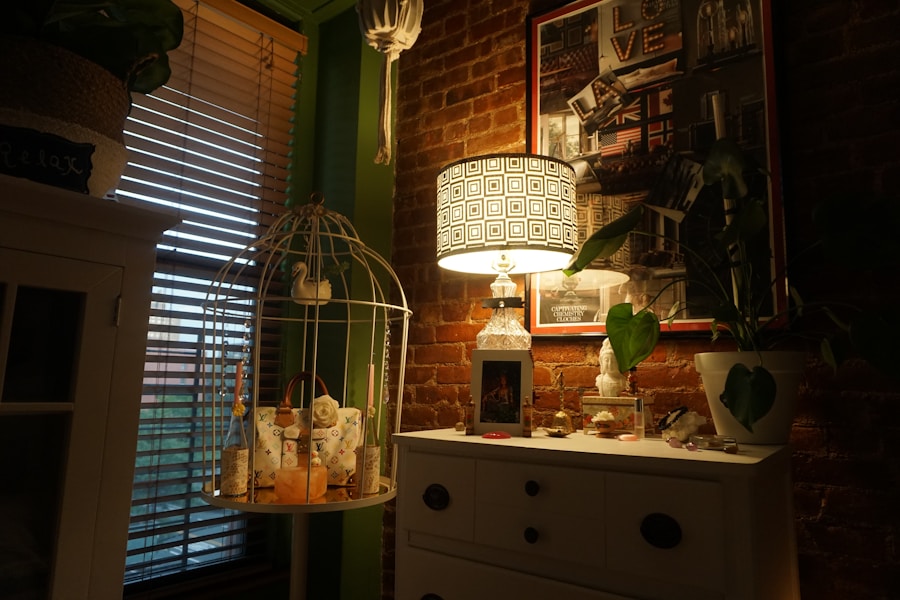
Selecting the right smart lighting system involves understanding the various options available on the market and how they align with your specific needs. There are several types of smart bulbs and fixtures to consider, including LED bulbs that can change color and brightness, smart switches that control existing fixtures, and integrated smart lighting systems that come with built-in connectivity features. Each option has its advantages and potential drawbacks depending on your existing infrastructure and desired level of control.
For instance, if you are looking for a straightforward solution that requires minimal installation effort, smart bulbs may be the best choice. These bulbs can be easily screwed into existing fixtures and controlled via an app or voice command. On the other hand, if you want to maintain your current lighting fixtures while adding smart capabilities, smart switches can be installed in place of traditional wall switches.
Integrated systems may offer more comprehensive features but often require professional installation and a higher initial investment. Evaluating your budget, technical comfort level, and long-term goals will help you make an informed decision.
Installing Smart Lighting Fixtures
Once you have chosen the right smart lighting system for your basement, the next step is installation. Depending on the type of system selected, installation can range from simple to complex. For smart bulbs, installation is as easy as replacing standard bulbs with their smart counterparts.
However, for smart switches or integrated systems, you may need to follow specific electrical guidelines or even hire a professional electrician to ensure safety and compliance with local codes. When installing smart lighting fixtures, it is crucial to consider optimal placement for maximum effectiveness. For example, in a recreational area where activities such as games or movie watching take place, consider installing dimmable lights that can create a cozy atmosphere.
In contrast, areas designated for tasks like laundry or storage may require brighter, more focused lighting. Additionally, ensure that all fixtures are compatible with your chosen smart lighting system to avoid connectivity issues down the line.
Programming and Customizing Smart Lighting
One of the most appealing aspects of smart lighting is its programmability and customization options. After installation, users can set schedules for their lights to turn on or off at specific times, which is particularly useful for enhancing security when away from home. For instance, you can program your basement lights to mimic your usual patterns by turning on at dusk and off at midnight, creating an illusion of occupancy.
Moreover, many smart lighting systems allow for scene creation—predefined settings that adjust multiple lights simultaneously to achieve a desired ambiance. For example, you might create a “Movie Night” scene that dims the lights and sets them to a warm hue while turning off any unnecessary fixtures. This level of customization not only enhances convenience but also allows users to tailor their environment to suit various activities or moods effortlessly.
Integrating Smart Lighting with Other Smart Home Devices

Seamless Control with Home Automation Platforms
Many modern smart lighting systems are designed to work seamlessly with popular home automation platforms like Google Home, Amazon Alexa, or Apple HomeKit. This allows for a unified control experience, where users can manage their lights and other devices from a single interface or using voice commands.
Enhanced Security and Convenience
By integrating smart lighting with other devices, users can create customized routines that enhance their home’s security and convenience. For instance, linking smart lighting with security cameras can trigger lights to turn on automatically when motion is detected, deterring potential intruders. Additionally, integrating smart lighting with smart speakers enables voice control capabilities, allowing users to control their lights with simple voice commands.
Limitless Possibilities with Smart Lighting Integration
The possibilities are endless when smart lighting is integrated with other smart home devices. With the ability to control multiple devices from a single interface or using voice commands, users can create a truly automated and personalized home experience.
Maximizing Energy Efficiency with Smart Lighting
Energy efficiency is one of the most significant benefits of adopting smart lighting solutions in your home. Traditional incandescent bulbs consume more energy and have shorter lifespans compared to modern LED options commonly used in smart lighting systems. By switching to LED smart bulbs, homeowners can reduce their energy consumption significantly while enjoying longer-lasting illumination.
Furthermore, the programmability features inherent in smart lighting systems contribute to energy savings by ensuring that lights are only on when needed. For instance, utilizing motion sensors can automatically turn off lights when no one is present in the basement or adjust brightness levels based on natural light availability during the day. These features not only lower electricity bills but also reduce environmental impact by minimizing unnecessary energy use.
Enjoying the Benefits of Smart Lighting in Your Brooklyn Basement
Incorporating smart lighting into your Brooklyn basement can transform an often overlooked space into a functional and inviting area tailored to your lifestyle needs. Whether you envision a cozy movie theater atmosphere for family nights or a well-lit workspace for hobbies and projects, smart lighting provides the flexibility required to achieve these goals. Moreover, as urban living spaces become increasingly compact in cities like Brooklyn, optimizing every square foot becomes essential.
Smart lighting allows homeowners to maximize their basement’s potential by creating versatile environments that adapt to various activities throughout the day. The ability to control lighting remotely adds an extra layer of convenience for busy city dwellers who may not always be home during traditional hours. Ultimately, embracing smart lighting technology in your basement not only enhances its usability but also contributes positively to energy efficiency and home security—making it a worthwhile investment for any modern homeowner looking to elevate their living experience in Brooklyn’s vibrant urban landscape.
If you’re looking for more ideas on how to maximize space in your basement, check out this article on clever architectural solutions for compact homes. This article provides innovative ways to make the most out of limited space, which can be especially helpful when incorporating smart lighting into your Brooklyn basement. By utilizing these architectural solutions, you can create a functional and stylish living area that is both efficient and aesthetically pleasing.
FAQs
What is smart lighting?
Smart lighting refers to lighting systems that can be controlled remotely through a smartphone, tablet, or smart home device. These systems often include features such as dimming, color changing, and scheduling.
What are the benefits of incorporating smart lighting into a basement?
Incorporating smart lighting into a basement can provide energy efficiency, convenience, and the ability to create different moods and atmospheres. It can also enhance the overall functionality and aesthetics of the space.
What are some popular smart lighting products for basements?
Popular smart lighting products for basements include smart light bulbs, smart light strips, and smart light switches. These products can be easily integrated into existing lighting fixtures and controlled through a smartphone or smart home hub.
How can smart lighting be incorporated into a Brooklyn basement?
Smart lighting can be incorporated into a Brooklyn basement by replacing existing light bulbs with smart bulbs, installing smart light strips for accent lighting, and replacing traditional light switches with smart switches. These upgrades can be done by a professional electrician or as a DIY project.
Are there any considerations to keep in mind when incorporating smart lighting into a basement?
When incorporating smart lighting into a basement, it’s important to consider the layout of the space, the desired lighting effects, and the compatibility of the smart lighting products with existing electrical systems. It’s also important to ensure that the Wi-Fi signal is strong enough to support the smart lighting controls.