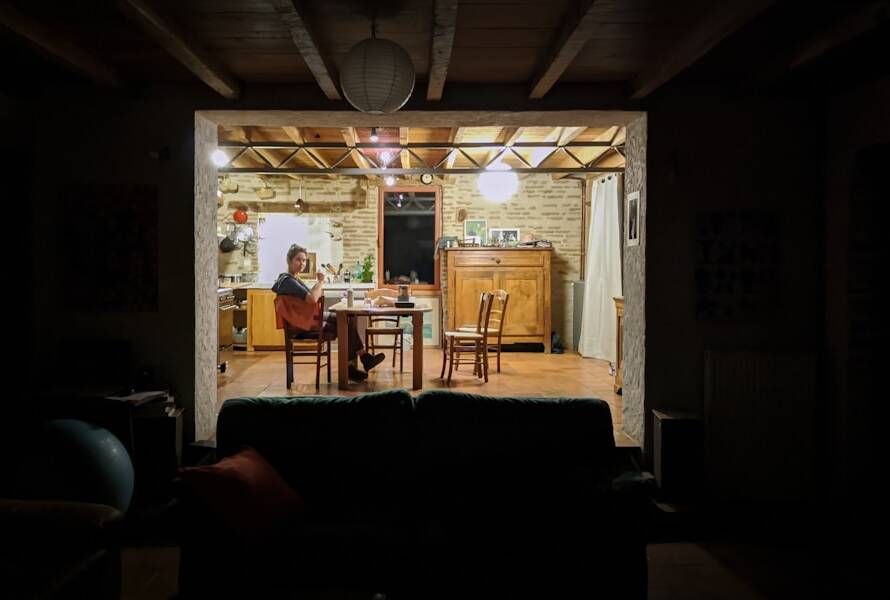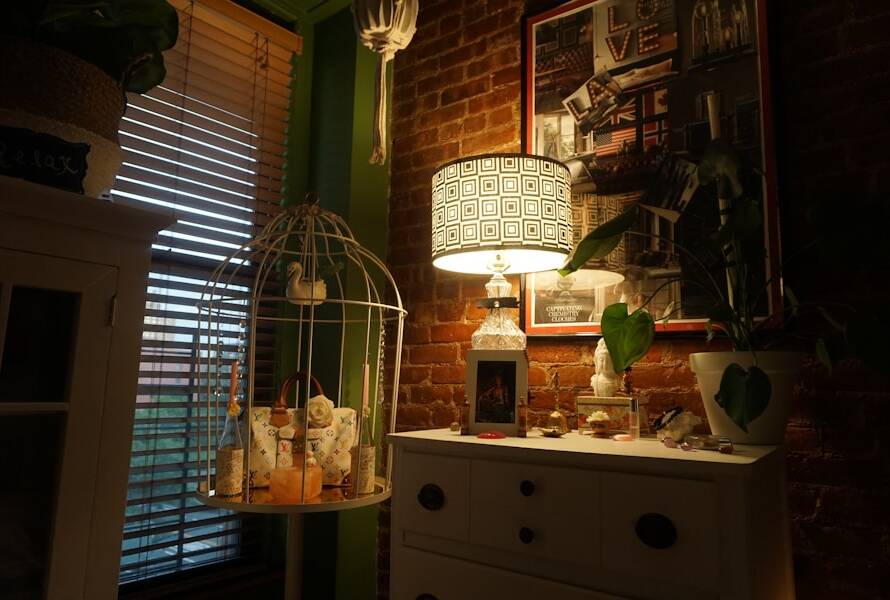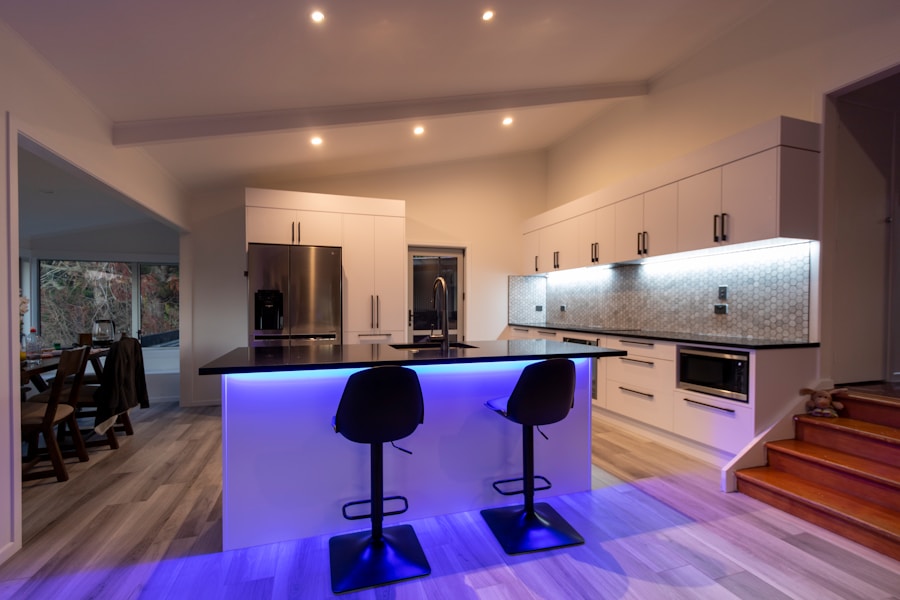
LED strip lighting has gained immense popularity in recent years, particularly for its versatility and energy efficiency. One of the most significant advantages of LED strip lights is their low energy consumption compared to traditional incandescent or fluorescent lighting. This efficiency translates into lower electricity bills, making them an economically sound choice for homeowners.
Additionally, LED lights have a longer lifespan, often lasting up to 50,000 hours or more, which means less frequent replacements and reduced waste. This longevity not only benefits the environment but also saves time and money in the long run. Another compelling benefit of LED strip lighting is its flexibility in design and application.
These lights come in various colors, brightness levels, and lengths, allowing homeowners to customize their lighting solutions to fit specific needs and aesthetics. Whether you want to create a cozy atmosphere in a basement lounge or highlight architectural features, LED strips can be cut to size and easily installed in various locations. Their adhesive backing makes installation straightforward, enabling even those with minimal DIY experience to enhance their spaces effectively.
Furthermore, the ability to control brightness and color temperature adds another layer of customization, allowing for dynamic lighting that can adapt to different moods and activities.
Key Takeaways
- LED strip lighting is energy-efficient, long-lasting, and versatile, making it a great choice for illuminating your Brooklyn basement.
- Consider factors such as color temperature, brightness, and waterproofing when choosing the right type of LED strip lighting for your basement.
- Plan the layout and placement of LED strip lighting to ensure even illumination and to highlight specific areas or features in your basement.
- LED strip lighting can be incorporated into different areas of your basement, such as the ceiling, walls, shelves, and stairs, to create a cohesive and visually appealing look.
- Use LED strip lighting to create ambiance and atmosphere in your basement by choosing the right colors, dimmers, and controllers to set the mood.
- Incorporate LED strip lighting with other design elements in your basement, such as furniture, artwork, and decor, to enhance the overall aesthetic.
- Follow installation and maintenance tips to ensure the proper functioning and longevity of your LED strip lighting in your Brooklyn basement.
- Be prepared to troubleshoot common issues with LED strip lighting, such as flickering, color inconsistencies, and power supply problems, to keep your basement well-lit and inviting.
Choosing the Right Type of LED Strip Lighting for Your Brooklyn Basement
When selecting LED strip lighting for your Brooklyn basement, it’s essential to consider the specific requirements of the space. One of the first factors to evaluate is the brightness level, measured in lumens. Basements often lack natural light, so opting for brighter strips can help illuminate the area effectively.
For general lighting, a strip with around 300-500 lumens per meter is typically sufficient. However, if you plan to use the space for activities that require more focused lighting, such as reading or crafting, you might want to consider higher-lumen options. Another critical aspect is the color temperature of the LED strips.
Color temperature is measured in Kelvin (K) and can significantly affect the ambiance of your basement. Warmer tones (around 2700K-3000K) create a cozy and inviting atmosphere, ideal for relaxation areas or entertainment spaces. In contrast, cooler tones (4000K-5000K) provide a more energetic and vibrant feel, suitable for workspaces or areas where concentration is key.
Additionally, some LED strips offer RGB (red, green, blue) capabilities, allowing you to change colors according to your mood or occasion. This versatility can be particularly appealing in a basement setting where different activities may require different lighting schemes.
Planning the Layout and Placement of LED Strip Lighting
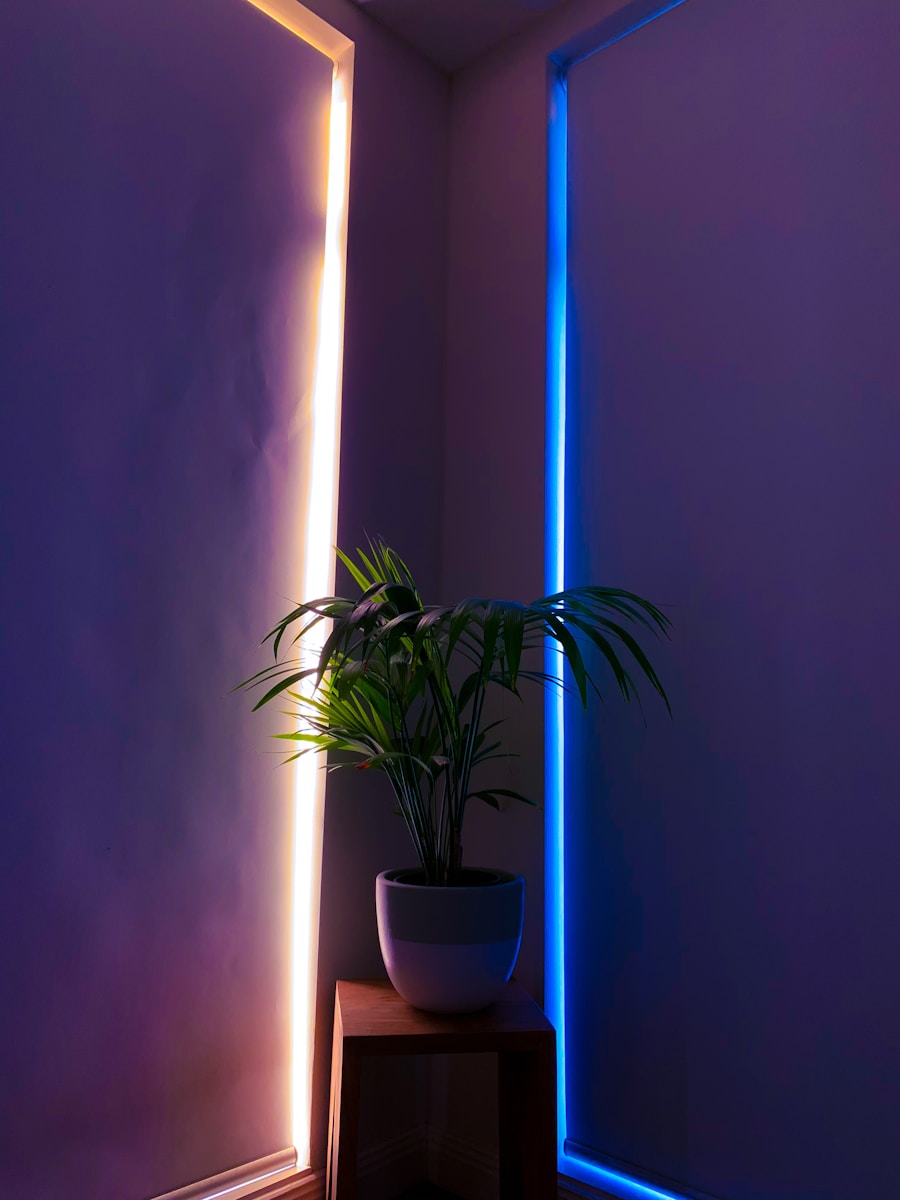
Effective planning is crucial when it comes to the layout and placement of LED strip lighting in your basement. Start by assessing the space and identifying key areas that require illumination. Consider the function of each section—whether it’s a recreational area, storage space, or a home office—and plan accordingly.
For instance, if you have a bar area or a game room, placing LED strips along shelves or under cabinets can create an inviting glow that enhances the overall aesthetic while providing necessary light. In addition to functional considerations, think about the visual impact of your lighting layout. Strategically placing LED strips can highlight architectural features such as beams or columns, adding depth and interest to your basement design.
For example, installing strips along the edges of a dropped ceiling can create a dramatic effect that draws the eye upward, making the space feel larger and more open. Similarly, using LED strips to outline doorways or windows can provide a soft transition between different areas while ensuring that each section is well-lit.
Incorporating LED Strip Lighting into Different Areas of Your Basement
The versatility of LED strip lighting allows for creative incorporation into various areas of your basement. In recreational spaces like home theaters or game rooms, consider installing LED strips behind screens or under furniture to create an immersive experience.
In utility areas such as laundry rooms or workshops, LED strips can serve a practical purpose by illuminating work surfaces and storage spaces. Installing them under cabinets or along shelves ensures that you have adequate light for tasks like folding laundry or working on projects. Additionally, using waterproof LED strips in areas prone to moisture can prevent damage and ensure longevity.
This adaptability makes LED strip lighting an excellent choice for basements where functionality and aesthetics must coexist.
Creating Ambiance and Atmosphere with LED Strip Lighting
Creating ambiance in your basement is all about how you use light to evoke certain feelings or moods. LED strip lighting offers an array of options for achieving this effect. By utilizing dimmable strips or smart lighting systems that allow for color changes, you can easily adjust the atmosphere based on the occasion.
For instance, hosting a movie night might call for soft, warm lighting that creates a cozy environment, while a party could benefit from vibrant colors that energize the space. Layering your lighting is another effective strategy for enhancing ambiance. Combining LED strip lights with other light sources—such as floor lamps or wall sconces—can create depth and dimension within your basement.
For example, using warm white LED strips along the perimeter of a room while incorporating accent lamps can produce a balanced lighting scheme that feels both inviting and dynamic. This layered approach not only enhances visual interest but also allows for greater control over how light interacts with different surfaces and textures in your basement.
Incorporating LED Strip Lighting with Other Design Elements

Integrating LED strip lighting with other design elements in your basement can elevate the overall aesthetic and functionality of the space. One popular method is to use LED strips in conjunction with furniture design. For instance, placing strips under floating shelves or along the edges of a bar counter can create a modern look while providing practical illumination for those areas.
This technique not only highlights your furniture but also adds an element of sophistication that can transform an ordinary basement into a stylish retreat. Moreover, consider how LED strip lighting interacts with color schemes and materials within your basement. If you have exposed brick walls or wooden beams, strategically placed LED strips can accentuate these features by casting light in ways that enhance their texture and character.
For example, using warm white LEDs against cool-toned materials can create a striking contrast that draws attention to architectural details while maintaining a cohesive look throughout the space.
Installation and Maintenance Tips for LED Strip Lighting
Installing LED strip lighting in your Brooklyn basement can be a straightforward process if approached methodically. Begin by measuring the areas where you plan to install the strips to ensure you purchase the correct lengths. Most LED strips come with adhesive backing for easy application; however, for added security—especially in high-traffic areas—consider using mounting clips or brackets to hold them in place.
Before installation, ensure that surfaces are clean and dry to promote better adhesion. Maintenance of LED strip lighting is relatively low-effort compared to traditional lighting options. Regularly check connections and power sources to ensure everything is functioning correctly.
Dusting off the strips occasionally will help maintain their brightness and prevent any buildup that could affect performance over time. If you notice any sections flickering or dimming, it may indicate a need for replacement or repair; many LED strips are designed to be cut and reconnected easily if necessary.
Troubleshooting Common Issues with LED Strip Lighting in Your Brooklyn Basement
Despite their reliability, issues can occasionally arise with LED strip lighting installations in basements. One common problem is flickering lights, which may be caused by poor connections or incompatible dimmers. To troubleshoot this issue, first check all connections to ensure they are secure and properly aligned.
If you are using a dimmer switch, verify that it is compatible with LED technology; not all dimmers work well with LEDs and may cause flickering. Another issue homeowners may encounter is uneven brightness along the length of the strip.
To resolve this issue, consider using additional power supplies or dividing longer runs into shorter segments connected to separate power sources. Additionally, ensure that you are using high-quality LED strips designed for longer lengths; cheaper options may not provide consistent brightness throughout their length. By understanding these aspects of LED strip lighting—from benefits and selection to installation and troubleshooting—homeowners can effectively enhance their Brooklyn basements with stylish and functional illumination tailored to their unique needs and preferences.
If you’re looking for more tips on how to upgrade your basement on a budget, check out this article on affordable home updates. It offers great ideas for renovating your space without breaking the bank, including cost-effective solutions for lighting and other design elements.
FAQs
What are the benefits of incorporating LED strip lighting into a Brooklyn basement design?
LED strip lighting is energy-efficient, long-lasting, and versatile, making it an ideal choice for illuminating a basement space. It can also be used to create different moods and ambiance, and can be easily installed in various locations within the basement.
How can LED strip lighting be incorporated into a Brooklyn basement design?
LED strip lighting can be used to highlight architectural features, illuminate work or entertainment areas, and create ambient lighting. It can be installed under cabinets, along shelves, or around the perimeter of the room to add a modern and stylish touch to the basement design.
What are some considerations to keep in mind when incorporating LED strip lighting into a Brooklyn basement design?
When incorporating LED strip lighting into a Brooklyn basement design, it’s important to consider the color temperature, brightness, and placement of the lights to ensure they complement the overall design and serve their intended purpose. Additionally, it’s important to choose high-quality LED strip lighting to ensure longevity and performance.
Are there any safety considerations when using LED strip lighting in a Brooklyn basement design?
When using LED strip lighting in a basement design, it’s important to ensure that the lights are installed according to manufacturer’s guidelines and local building codes to prevent any safety hazards. It’s also important to use proper insulation and protection for the wiring to avoid any potential fire hazards.