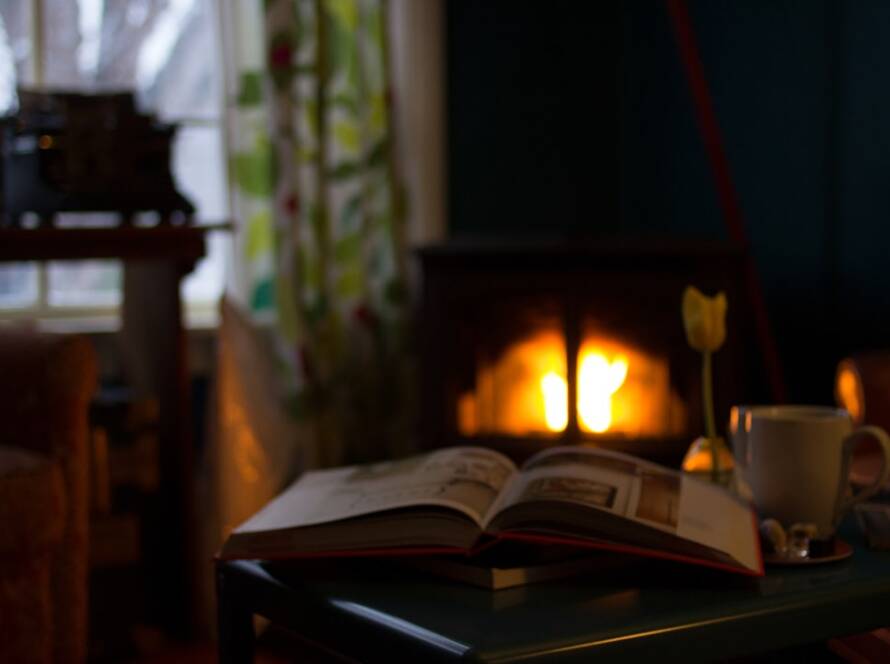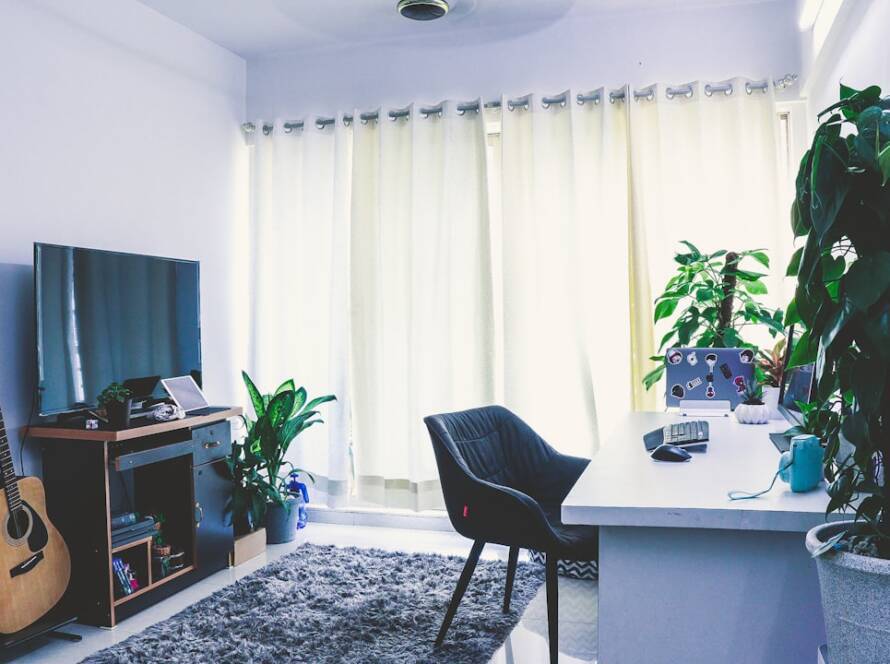
Natural light is a fundamental element in any space, influencing not only the aesthetic appeal but also the mood and functionality of a room. When assessing natural light, one must consider the orientation of windows, the size of openings, and the surrounding environment. For instance, south-facing windows typically receive the most sunlight throughout the day, making them ideal for spaces intended for relaxation or creativity, such as living rooms or studios.
Conversely, north-facing windows provide softer, diffused light that can be perfect for areas where glare is a concern, such as offices or reading nooks. The time of year also plays a crucial role; during winter months, the sun’s angle changes, affecting how light enters a space. In addition to window orientation, the presence of trees, buildings, or other structures can significantly impact the amount of natural light that enters a room.
For example, a home surrounded by tall trees may experience reduced sunlight, necessitating a thoughtful approach to artificial lighting to compensate for this lack. Furthermore, the color and reflectivity of walls and furnishings can enhance or diminish the effects of natural light. Light-colored walls can amplify sunlight, creating a brighter atmosphere, while darker hues may absorb light and create a cozier, more intimate setting.
Understanding these dynamics is essential for creating a well-lit environment that harmonizes with both natural and artificial lighting.
Key Takeaways
- Assess natural light to determine how much additional lighting is needed
- Consider layout and functionality when planning lighting placement
- Choose fixtures that complement the overall design and style of the space
- Select bulbs that provide the right level of brightness and color temperature
- Incorporate task lighting in areas where specific activities take place
Considering the Layout and Functionality
The layout of a space is intrinsically linked to its functionality and how lighting can enhance or detract from its purpose. In open-concept designs, where multiple areas flow into one another, it is vital to create a cohesive lighting plan that addresses each zone’s specific needs. For instance, a kitchen area may require bright, focused lighting for food preparation, while an adjacent dining area benefits from softer, ambient lighting that fosters conversation and relaxation.
The strategic placement of fixtures can delineate these spaces without the need for physical barriers. Moreover, the arrangement of furniture plays a significant role in how light interacts with a room. For example, placing a sofa away from windows may create shadows that make the space feel darker and less inviting.
In contrast, positioning seating areas to take advantage of natural light can enhance comfort and encourage social interaction. Additionally, considering how people move through a space is crucial; pathways should be well-lit to ensure safety and ease of navigation.
Choosing the Right Fixtures
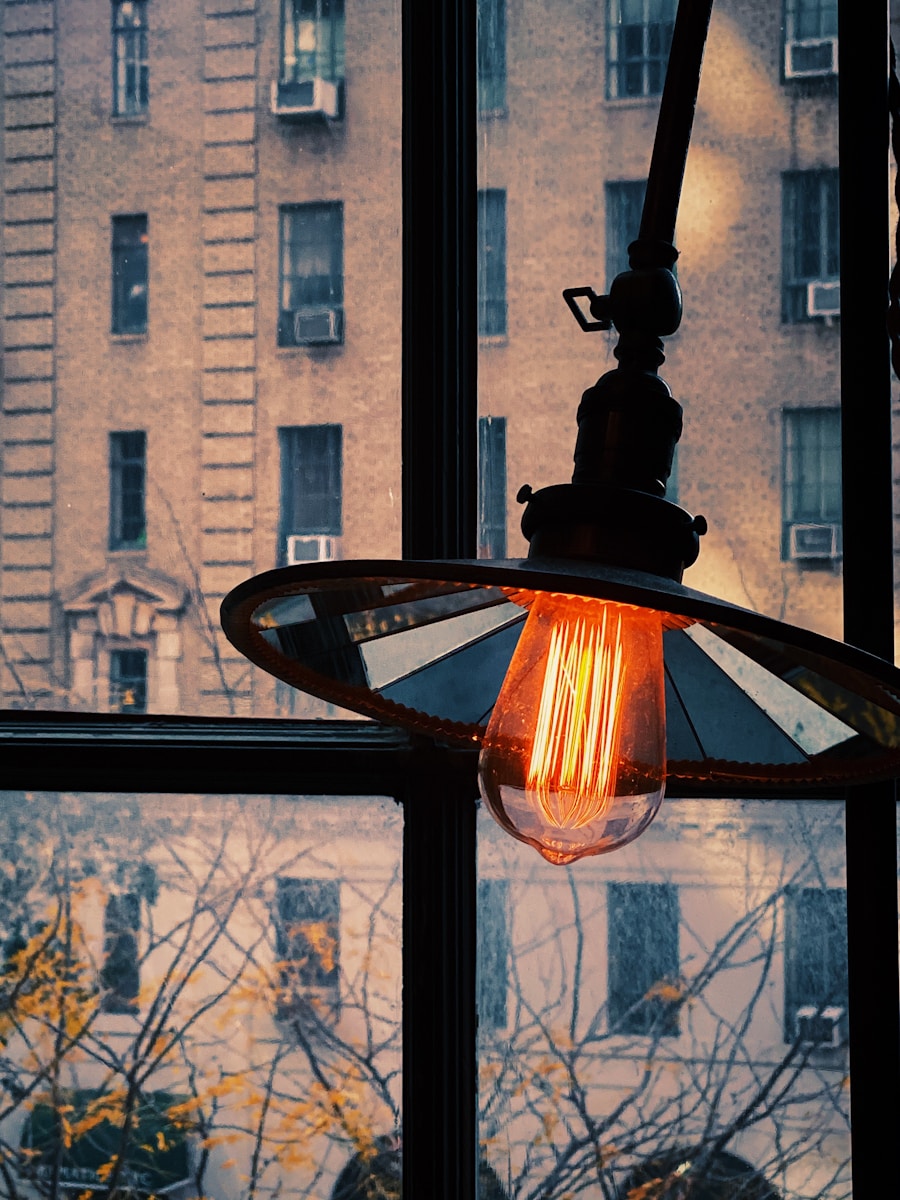
Selecting appropriate lighting fixtures is essential for achieving both aesthetic appeal and functional effectiveness. The variety of fixtures available today ranges from sleek modern designs to ornate traditional styles, allowing homeowners to express their personal taste while meeting practical needs. Ceiling-mounted fixtures, such as chandeliers or flush mounts, can serve as focal points in a room while providing general illumination.
Pendant lights are particularly effective in areas like kitchens or dining rooms, where they can offer both task lighting and decorative flair. In addition to style considerations, it is important to evaluate the scale of fixtures in relation to the space they occupy. A large chandelier may overwhelm a small dining area, while tiny pendant lights might get lost in a grand foyer.
Furthermore, adjustable fixtures such as track lighting or wall sconces provide versatility by allowing users to direct light where it is needed most. This adaptability is particularly beneficial in multi-functional spaces where activities may vary throughout the day. Ultimately, choosing the right fixtures involves balancing aesthetics with practicality to create an inviting and well-lit environment.
Selecting the Right Bulbs
The choice of light bulbs is another critical aspect of effective lighting design. With advancements in technology, consumers now have access to a wide range of options including incandescent, fluorescent, halogen, and LED bulbs. Each type has its own characteristics that can influence both energy consumption and light quality.
For instance, LED bulbs are known for their energy efficiency and longevity, making them an excellent choice for those looking to reduce their carbon footprint while maintaining high-quality illumination. Color temperature is another important factor when selecting bulbs. Measured in Kelvin (K), this metric indicates whether a bulb emits warm or cool light.
Warm white bulbs (around 2700K) create a cozy atmosphere ideal for living spaces and bedrooms, while cooler white bulbs (above 4000K) are better suited for task-oriented areas like kitchens or home offices where clarity and focus are paramount. Additionally, dimmable bulbs offer flexibility by allowing users to adjust brightness levels according to their needs or mood. By carefully considering bulb types and characteristics, one can significantly enhance the overall lighting experience in any space.
Incorporating Task Lighting
Task lighting is essential for areas where specific activities require focused illumination. This type of lighting is designed to provide adequate brightness for tasks such as reading, cooking, or working on hobbies without causing eye strain or discomfort. Desk lamps are a common example of task lighting; they can be adjusted to direct light precisely where it is needed most.
In kitchens, under-cabinet lighting serves as an effective solution by illuminating countertops and workspaces without casting shadows. Incorporating task lighting into a design scheme requires careful consideration of placement and intensity. For instance, in a home office setting, positioning a desk lamp at an angle that minimizes glare on screens can enhance productivity while reducing eye fatigue.
Similarly, adjustable wall sconces can provide targeted light for reading areas or artwork displays. The key is to ensure that task lighting complements ambient lighting without overwhelming it; achieving this balance allows for both functionality and comfort within the space.
Creating Ambiance with Accent Lighting
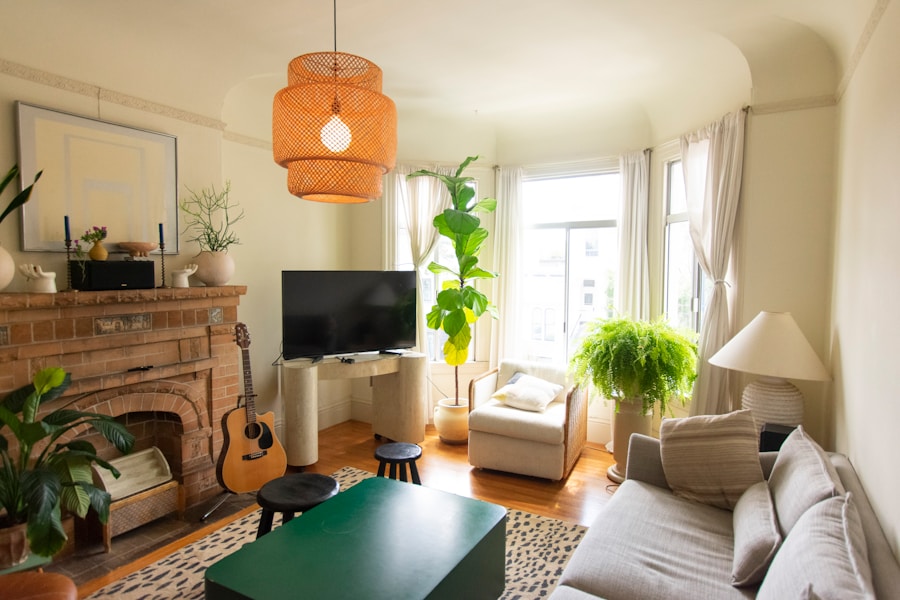
Creating Visual Interest
By drawing attention to these focal points, accent lighting adds depth and dimension while creating visual interest. For example, strategically placed spotlights can illuminate a painting on the wall or highlight textured surfaces like brick or stone.
Controlling the Intensity
The effectiveness of accent lighting lies in its ability to create contrast with ambient lighting. By using dimmer switches or adjustable fixtures, homeowners can control the intensity of accent lights to achieve the desired effect.
Layering Lighting for a Dynamic Environment
Warm-toned accent lights can evoke feelings of warmth and intimacy in living areas or bedrooms, while cooler tones may lend themselves better to modern spaces or art galleries. Additionally, layering different types of lighting—ambient, task, and accent—can create a dynamic environment that adapts to various activities and moods throughout the day.
Maximizing Space with Vertical Lighting
Vertical lighting is an innovative approach that utilizes upward-facing fixtures to enhance spatial perception and create an illusion of height within a room. This technique is particularly beneficial in spaces with low ceilings or limited square footage. By directing light upwards onto walls or ceilings, vertical lighting draws the eye upward, making the room feel more expansive and open.
Wall-mounted sconces or floor lamps with upward-facing shades are excellent choices for achieving this effect. In addition to creating an illusion of height, vertical lighting can also highlight architectural features such as crown molding or textured wall finishes. This not only adds visual interest but also enhances the overall design aesthetic of the space.
Moreover, vertical lighting can be used strategically in narrow hallways or staircases to improve safety while simultaneously adding character to these often-overlooked areas. By incorporating vertical lighting techniques into a design plan, one can maximize spatial potential while creating an inviting atmosphere.
Incorporating Smart Lighting Solutions
The advent of smart technology has revolutionized how we approach lighting design in our homes. Smart lighting solutions offer unparalleled convenience and flexibility by allowing users to control their lights remotely through smartphones or voice-activated devices. This technology enables homeowners to customize their lighting experiences based on personal preferences or specific activities throughout the day.
For instance, one could program lights to gradually brighten in the morning as part of a wake-up routine or set them to dim during movie nights for an immersive experience. Additionally, smart lighting systems often include features such as color-changing capabilities and scheduling options that enhance ambiance and functionality further. Homeowners can choose from millions of colors to create different moods or themes for various occasions—whether it’s hosting a dinner party or enjoying a quiet evening at home.
Furthermore, integrating smart sensors can optimize energy efficiency by automatically adjusting brightness based on natural light levels or occupancy within a room. As technology continues to evolve, incorporating smart lighting solutions into home design not only enhances convenience but also contributes to sustainable living practices by reducing energy consumption.
This article on expanding spaces for a modern feel provides valuable insights on how to achieve a more spacious and contemporary look in your living area. By incorporating open concept design principles, you can maximize natural light and create a seamless flow between different areas of your basement apartment.
FAQs
What are the key factors to consider when choosing lighting for a Brooklyn basement apartment?
When choosing lighting for a Brooklyn basement apartment, it’s important to consider the natural light available, the size and layout of the space, the function of each area, and the overall design aesthetic.
What are the different types of lighting options suitable for a basement apartment?
Suitable lighting options for a basement apartment include recessed lighting, track lighting, wall sconces, floor lamps, and table lamps. Each type of lighting serves a different purpose and can be used to create a well-lit and inviting space.
How can I maximize natural light in a basement apartment?
To maximize natural light in a basement apartment, consider using light-colored paint on the walls, strategically placing mirrors to reflect light, and keeping window treatments minimal to allow as much natural light in as possible.
What are some tips for creating a well-lit and inviting atmosphere in a basement apartment?
To create a well-lit and inviting atmosphere in a basement apartment, consider layering different types of lighting, using dimmer switches to control the intensity of the light, and incorporating task lighting in areas where specific activities take place.
Are there any specific lighting considerations for a basement apartment in Brooklyn?
In a basement apartment in Brooklyn, it’s important to consider the unique layout and design of the space, as well as any building code requirements for lighting. Additionally, incorporating energy-efficient lighting options can help reduce electricity costs.