Accent lighting serves as a crucial element in interior design, particularly in spaces where ambiance and aesthetics are paramount. Unlike general lighting, which provides overall illumination, accent lighting is specifically designed to highlight certain features or areas within a room. This type of lighting can create visual interest, draw attention to architectural details, or enhance the beauty of artwork and decor.
The key to effective accent lighting lies in its ability to create contrast and depth, allowing specific elements to stand out against the backdrop of a space. In the context of a Brooklyn basement, accent lighting can transform an often overlooked area into a vibrant and inviting environment. Basements typically lack natural light, making them prime candidates for creative lighting solutions.
By strategically placing accent lights, homeowners can not only illuminate dark corners but also create a sense of warmth and intimacy. Understanding the fundamentals of accent lighting—such as the types of fixtures available, the importance of light intensity, and the color temperature—can empower homeowners to make informed decisions that enhance their basement’s overall aesthetic.
Key Takeaways
- Accent lighting is used to highlight specific features or areas in a room, creating depth and visual interest.
- When choosing fixtures for your Brooklyn basement, consider the size and style of the space, as well as the function of the accent lighting.
- Accent lighting can be used to draw attention to architectural elements such as columns, arches, or textured walls in your basement.
- By using dimmers and different types of bulbs, accent lighting can help create different moods and ambiance in your basement.
- Accent lighting can be used to showcase artwork, decor, or focal points in your Brooklyn basement, adding a layer of sophistication to the space.
Choosing the Right Fixtures for Your Brooklyn Basement
Recessed Lighting: A Popular Choice
Recessed lighting is a popular choice for basements, as it provides a sleek and unobtrusive way to highlight specific areas without taking up valuable space. These fixtures can be installed in ceilings or walls, allowing for flexibility in design.
Another option is track lighting, which offers versatility and adjustability. Track systems allow homeowners to position multiple light sources along a single track, making it easy to change the focus of the lighting as needed.
Complementing the Design Theme
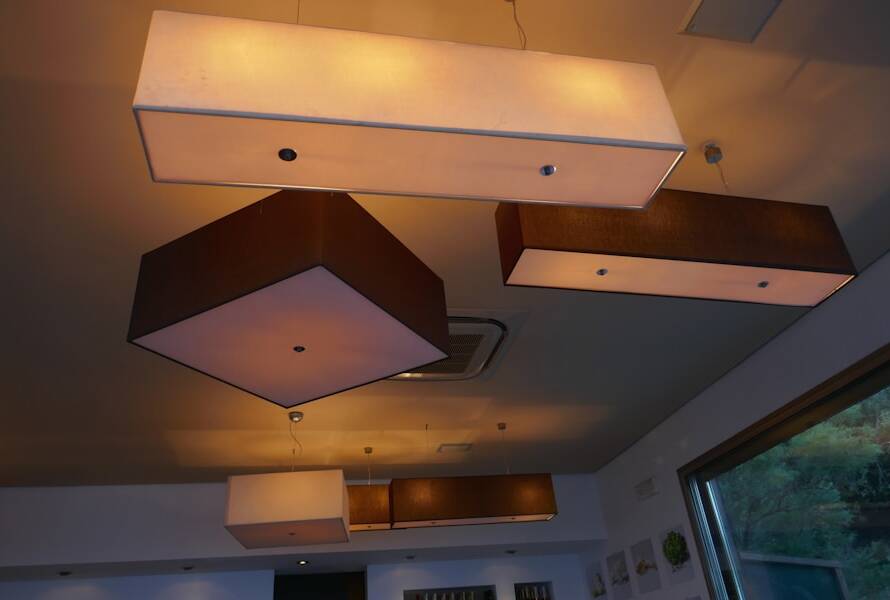
This is particularly useful in basements that serve multiple purposes, such as a home theater or recreational area. Pendant lights can also be an excellent choice for accent lighting, especially when hung over specific areas like a bar or game table. The style of the fixtures should complement the overall design theme of the basement, whether it leans toward industrial chic, modern minimalism, or cozy rusticity.
Highlighting Architectural Features with Accent Lighting
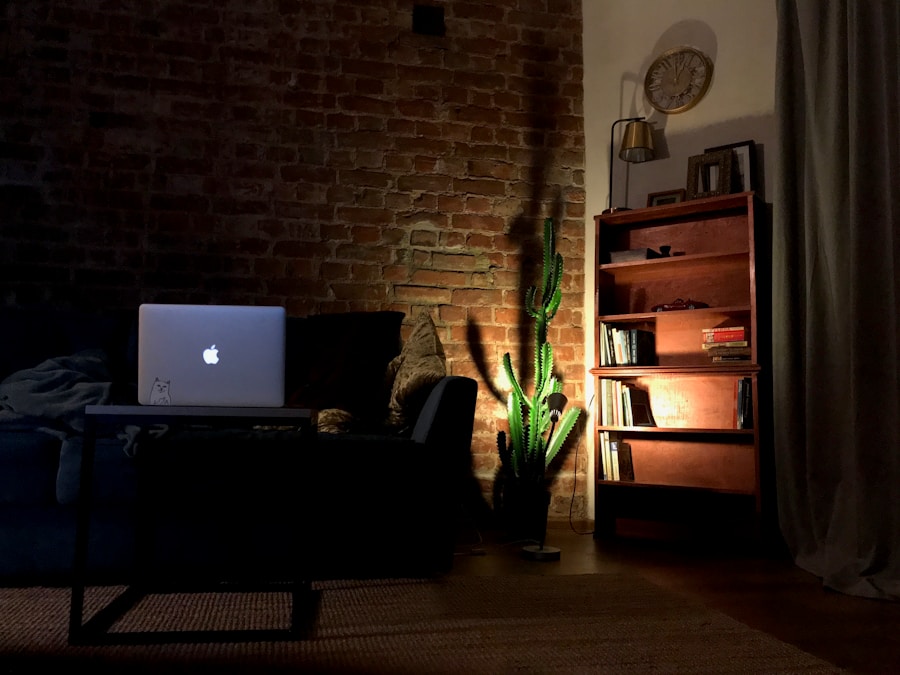
Basements often possess unique architectural features that can be enhanced through thoughtful accent lighting. Exposed beams, brick walls, and archways are just a few elements that can benefit from targeted illumination. For example, installing wall sconces along a brick wall can create a warm glow that emphasizes the texture and character of the material.
This not only adds visual interest but also creates a cozy atmosphere that invites relaxation. In addition to wall-mounted fixtures, using spotlights to highlight architectural details can be particularly effective. Spotlights can be directed at specific features such as columns or niches, creating dramatic shadows and enhancing the three-dimensionality of the space.
This technique is especially useful in basements with high ceilings, where vertical elements can be accentuated to draw the eye upward. By carefully considering which features to highlight and how to illuminate them, homeowners can create a dynamic interplay of light and shadow that adds depth to their basement.
Creating Mood and Ambiance with Accent Lighting
The mood of a space is significantly influenced by its lighting design. Accent lighting plays a pivotal role in establishing ambiance, allowing homeowners to tailor their basements to suit various activities or occasions. For instance, warm white lights can create an inviting atmosphere for social gatherings, while cooler tones may be more appropriate for focused activities like reading or working on hobbies.
Dimming capabilities are an essential feature to consider when designing accent lighting for mood creation. Dimmable fixtures allow for greater control over light intensity, enabling homeowners to adjust the brightness according to their needs. For example, during a movie night in a basement home theater, dimming the lights can enhance the cinematic experience by reducing glare and creating an immersive environment.
Conversely, brighter settings may be desired during game nights or family gatherings when visibility is key. By incorporating dimmable accent lighting into their design, homeowners can easily shift the mood of their basement space.
Showcasing Artwork and Decor with Accent Lighting
Art and decor are often focal points in any interior space, and accent lighting provides an effective means of showcasing these elements in a Brooklyn basement. Properly positioned lights can enhance the colors and textures of artwork while also drawing attention to decorative items such as sculptures or unique furniture pieces. For instance, using picture lights above framed artwork can illuminate the piece without causing glare or distortion.
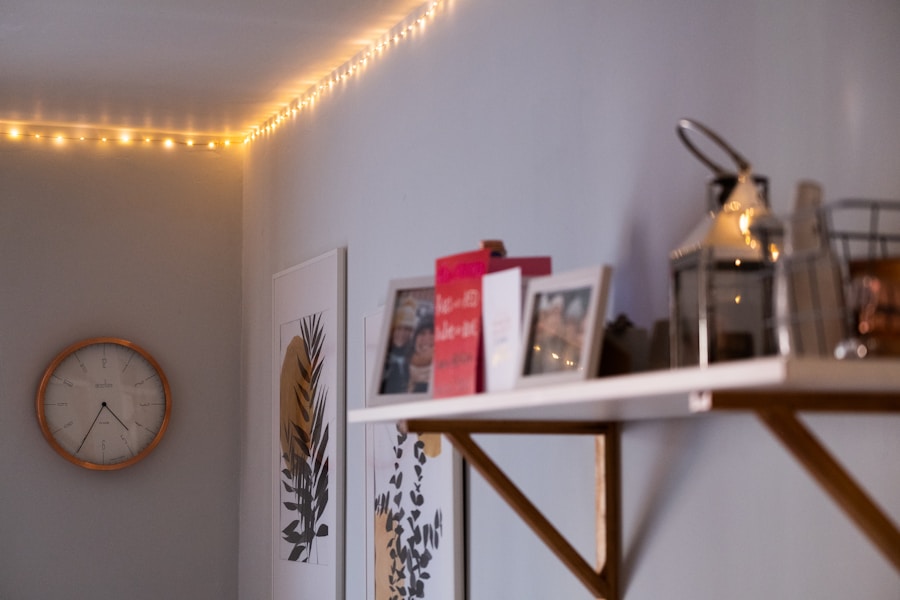
In addition to picture lights, LED strip lights can be employed to highlight shelves or display cases containing collectibles or decorative objects. These flexible strips can be installed along the edges of shelves or inside cabinets to create a soft glow that enhances visibility while adding an element of sophistication. The choice of color temperature is also important; warmer tones tend to create a more inviting atmosphere, while cooler tones can lend a modern edge to contemporary art pieces.
By thoughtfully integrating accent lighting into their design scheme, homeowners can elevate their artwork and decor from mere background elements to captivating focal points.
Using Accent Lighting to Define Different Areas in Your Basement
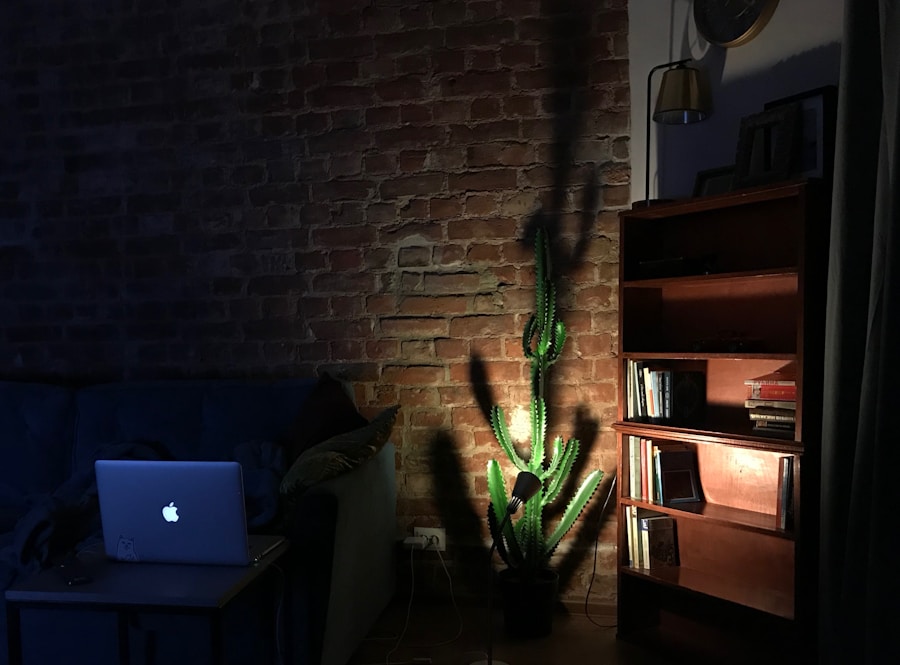
Defining Spaces with Light
For example, pendant lights over a seating area can establish a cozy nook for relaxation, while brighter task lighting in a game area ensures visibility during play.
Color Temperature and Intensity
Color temperature and intensity play significant roles in defining these areas as well. Warmer lights may be used in social spaces to foster conversation and comfort, while cooler lights might be more suitable for workstations or exercise areas where focus and energy are required. Additionally, using different styles of fixtures—such as floor lamps in one area and wall-mounted sconces in another—can further enhance the sense of separation between zones.
A Cohesive Design
This thoughtful approach not only improves functionality but also contributes to an overall cohesive design.
Incorporating Accent Lighting into Your Brooklyn Basement’s Design
When integrating accent lighting into a Brooklyn basement’s design, it is essential to consider how it complements existing elements within the space. The overall aesthetic should guide fixture selection and placement; for instance, if the basement features industrial-style decor with exposed pipes and concrete floors, choosing fixtures with metal finishes may enhance this theme. Conversely, if the design leans toward a more traditional look with warm wood tones and soft fabrics, selecting fixtures with softer lines and finishes will create harmony.
Moreover, layering different types of lighting—such as combining ambient, task, and accent lighting—can create a well-rounded illumination scheme that enhances both functionality and aesthetics. For example, using recessed lights for general illumination while incorporating accent lights to highlight specific features creates depth and interest throughout the space. Homeowners should also consider how natural light interacts with their chosen fixtures; even though basements typically lack windows, any available light sources should be factored into the overall design strategy.
Tips for Installing and Maintaining Accent Lighting in Your Basement
Proper installation and maintenance of accent lighting are crucial for ensuring longevity and optimal performance. When installing fixtures in a basement setting, it is essential to consider factors such as ceiling height and layout. For recessed lights, ensuring proper spacing between fixtures will prevent uneven illumination and shadows that could detract from the desired effect.
Additionally, consulting with an electrician may be necessary for complex installations or when working with existing electrical systems. Maintenance is equally important; regularly cleaning fixtures will help maintain their brightness and effectiveness over time. Dust accumulation can significantly diminish light output, so periodic cleaning with appropriate materials is recommended.
Furthermore, homeowners should periodically check bulbs for burnout or flickering issues and replace them promptly to ensure consistent performance. By taking these steps, homeowners can enjoy their accent lighting’s benefits while preserving its aesthetic appeal for years to come.
If you’re looking to enhance the overall design of your Brooklyn basement, you may want to consider checking out Clever Architectural Solutions for Compact Homes. This article provides valuable insights on how to maximize space and create a functional layout in smaller living areas, which can be especially helpful when working with basement renovations. By incorporating smart design techniques, you can make the most of your basement’s best features and create a stylish and inviting space for your home.
FAQs
What is accent lighting?
Accent lighting is a type of lighting that is used to highlight specific features or areas within a space. It is often used to create visual interest and draw attention to certain elements of a room, such as artwork, architectural details, or decorative objects.
What are the benefits of using accent lighting in a basement?
Using accent lighting in a basement can help to create a more inviting and visually appealing space. It can also help to highlight the best features of the basement, such as exposed brick walls, unique architectural details, or a cozy seating area.
What are some common types of accent lighting?
Common types of accent lighting include track lighting, wall sconces, recessed lighting, and picture lights. Each type of accent lighting has its own unique benefits and can be used to highlight different features within a space.
How can accent lighting be used to highlight the best features of a Brooklyn basement?
Accent lighting can be used to highlight the best features of a Brooklyn basement by strategically placing lights to draw attention to specific elements, such as a beautiful exposed brick wall, a unique piece of artwork, or a cozy reading nook. By using accent lighting in this way, you can create a more visually interesting and inviting space.
What are some tips for using accent lighting in a basement?
When using accent lighting in a basement, it’s important to consider the overall design and layout of the space. It’s also important to think about the specific features or areas that you want to highlight, and to choose the right type of accent lighting to achieve the desired effect. Additionally, it’s important to consider the placement of the lights and the type of bulbs used to ensure that the lighting is both functional and visually appealing.