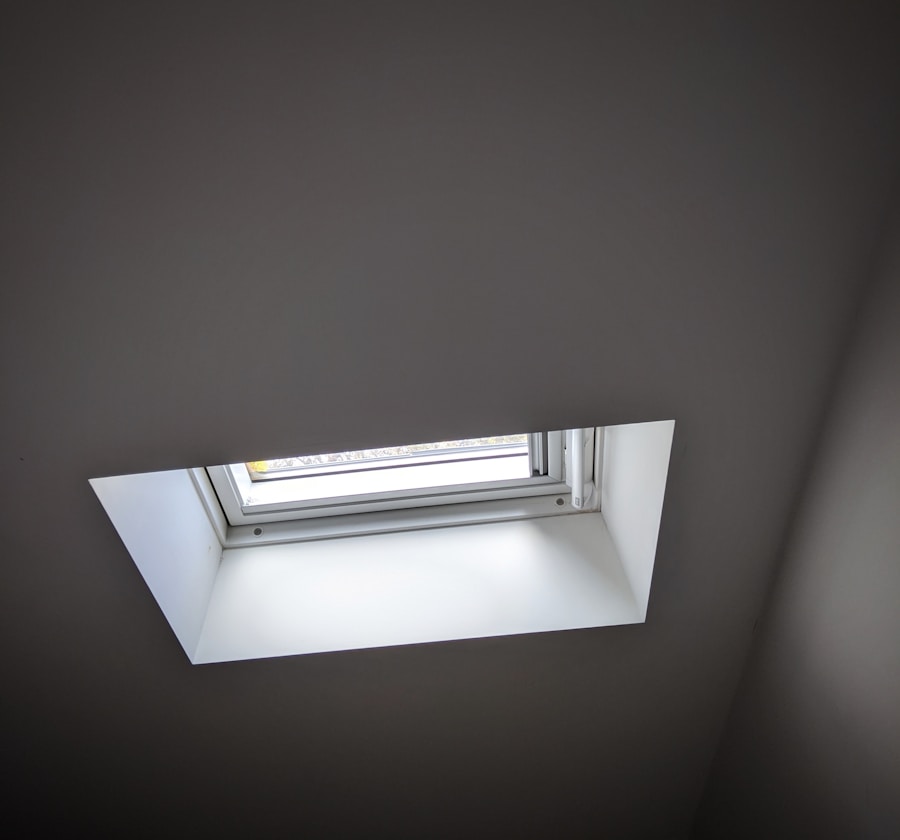
Skylights have long been celebrated for their ability to transform spaces by introducing natural light, and this is particularly true for basements, which often suffer from a lack of sunlight. The benefits of installing skylights in a basement extend beyond mere illumination; they can significantly enhance the overall ambiance and functionality of the space. Natural light has been shown to improve mood and productivity, making a basement feel more inviting and less like an afterthought.
By allowing sunlight to flood in, skylights can create a warm and welcoming environment, turning what is typically a dark and dreary area into a vibrant living space. Moreover, skylights can also improve ventilation in a basement. Many modern skylight designs come equipped with operable features that allow homeowners to open them for fresh air circulation.
This is particularly beneficial in basements, where humidity can accumulate and lead to mold growth or unpleasant odors. By strategically placing skylights that can be opened, homeowners can not only brighten their basements but also promote better air quality, making the space healthier and more comfortable for daily use. The dual benefits of light and ventilation make skylights an attractive option for anyone looking to enhance their basement.
Key Takeaways
- Skylights in a basement can bring in natural light, improve air circulation, and create a more inviting space.
- When choosing a skylight design for your Brooklyn basement, consider the size, shape, and material to complement the overall aesthetic.
- Proper placement of skylights is crucial for maximizing natural lighting and minimizing shadows in the basement.
- Energy efficiency and insulation should be considered when selecting skylights to minimize heat loss and reduce energy costs.
- Additional lighting options such as LED lights or track lighting can complement skylights and provide flexibility in lighting control.
Choosing the Right Skylight Design for Your Brooklyn Basement
Skylight Type: Fixed, Vented, or Tubular
The type of skylight is a primary consideration. Fixed skylights are perfect for maximizing natural light without ventilation, while vented skylights provide airflow. Tubular skylights are an excellent choice for smaller basements, channeling light from the roof down into the space through reflective tubes, providing bright illumination without taking up much room.
Skylight Style: Complementing the Basement Design
The skylight style should complement the basement design. For instance, sleek, flat-glass skylights offer a minimalist look, while domed or arched skylights add character to traditional spaces.
Size and Material Considerations
The size of the skylight is crucial, as larger skylights may require additional structural support. Homeowners should also consider the frame material, including wood, aluminum, and vinyl, each offering different levels of durability and insulation properties. Ultimately, the right design will harmonize with the existing architecture while fulfilling practical lighting needs.
Proper Placement of Skylights for Maximum Lighting
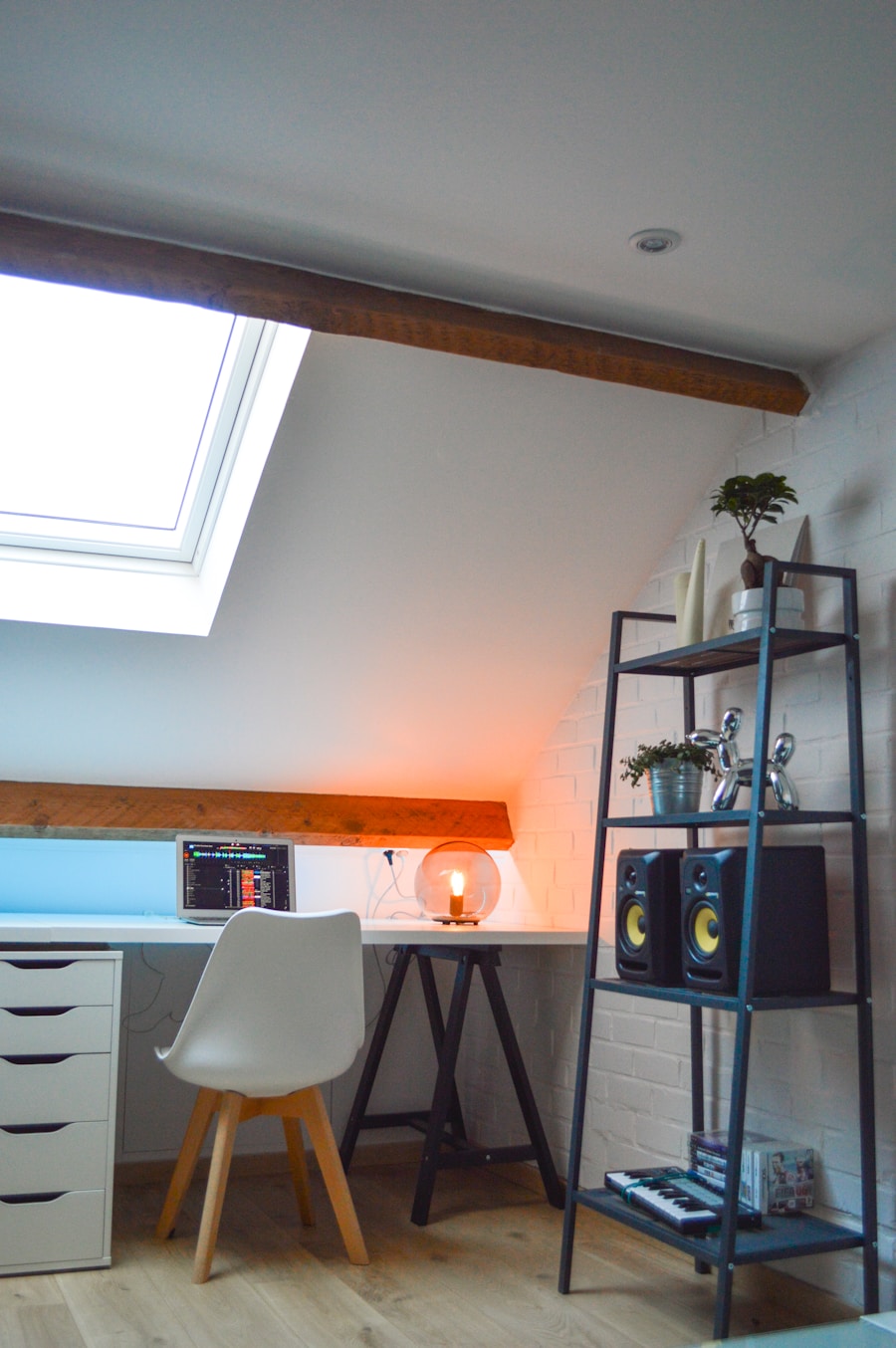
The placement of skylights is critical in maximizing their effectiveness in illuminating a basement. Ideally, skylights should be positioned where they can capture the most sunlight throughout the day. In Brooklyn, this often means placing them on the south or west-facing sides of the roof, as these orientations receive the most direct sunlight.
However, it’s essential to consider any obstructions such as trees or neighboring buildings that may cast shadows on the skylight during certain times of the day. Conducting a sun path analysis can help determine the best locations for installation. In addition to orientation, the height at which skylights are installed can also impact their performance.
Higher placements can allow for more light to enter but may require ladders or scaffolding for maintenance. Conversely, lower placements may be easier to access but could limit light penetration. Homeowners should also consider how the angle of the roof affects light entry; a steeper pitch can enhance light capture but may complicate installation.
By carefully evaluating these factors, homeowners can ensure that their skylights provide optimal lighting throughout the year.
Considering Energy Efficiency and Insulation with Skylights
While skylights offer numerous benefits, it is essential to consider their impact on energy efficiency and insulation when planning an installation in a Brooklyn basement. Poorly insulated skylights can lead to significant heat loss during winter months and excessive heat gain in summer, resulting in higher energy bills and discomfort. To mitigate these issues, homeowners should look for skylights with high energy efficiency ratings, which often include double or triple glazing and low-emissivity (Low-E) coatings that reflect heat while allowing natural light to pass through.
Gaps or leaks around the skylight frame can lead to drafts and moisture intrusion, undermining insulation efforts. Using insulated curbs and flashing during installation can help create a tight seal that prevents air leakage.
Homeowners may also consider adding shades or blinds to their skylights to control heat gain during peak sunlight hours while still enjoying natural light when desired. By prioritizing energy efficiency in their skylight choices and installation methods, homeowners can enjoy a comfortable basement environment year-round.
Incorporating Additional Lighting Options with Skylights
While skylights are an excellent source of natural light, they should not be the sole lighting solution in a basement. Incorporating additional lighting options can enhance functionality and aesthetics while ensuring that the space remains well-lit during evening hours or on cloudy days. Recessed lighting is a popular choice for basements as it provides ambient illumination without taking up valuable floor space.
These fixtures can be strategically placed around the perimeter of the room or focused on specific areas such as seating arrangements or workspaces. Another effective option is to use wall sconces or pendant lights that complement the design of the basement while providing targeted lighting where needed. For instance, if a basement is used as a home office or study area, task lighting such as desk lamps or adjustable wall-mounted fixtures can help reduce eye strain during work hours.
Additionally, dimmable LED lights can offer flexibility in adjusting brightness levels based on activities or moods. By combining various lighting sources with skylights, homeowners can create a layered lighting scheme that enhances both functionality and ambiance.
Maintaining Skylights for Long-Term Lighting Solutions
To ensure that skylights continue to provide optimal lighting over time, regular maintenance is essential. One of the primary concerns with skylights is debris accumulation on the glass surface, which can obstruct light entry and lead to water pooling if not addressed promptly. Homeowners should establish a routine cleaning schedule to remove dirt, leaves, and other debris from both the interior and exterior surfaces of the skylight.
Using a soft cloth and mild detergent can help maintain clarity without scratching the glass. In addition to cleaning, it’s important to inspect seals and flashing around the skylight regularly for signs of wear or damage. Over time, weather conditions can cause seals to deteriorate, leading to leaks that compromise insulation and air quality in the basement.
If any issues are detected, homeowners should address them immediately—either by resealing or replacing components—to prevent further damage. Regular maintenance not only extends the lifespan of skylights but also ensures they continue to function effectively as a source of natural light.
Enhancing the Aesthetics of Your Brooklyn Basement with Skylights
Skylights do more than just illuminate; they also serve as architectural features that can enhance the overall aesthetics of a Brooklyn basement. The introduction of natural light creates an inviting atmosphere that can make even small spaces feel larger and more open.
Furthermore, decorative elements such as trim or framing around the skylight can add character and style to the installation. For instance, wooden frames may evoke warmth and coziness in a traditional setting, while sleek metal frames might suit a contemporary aesthetic better. Additionally, incorporating plants near skylights can enhance both aesthetics and air quality; plants thrive in natural light and add a touch of greenery that livens up any space.
By thoughtfully considering how skylights fit into their overall design vision, homeowners can create a basement that is not only functional but also visually appealing.
Working with a Professional to Install Skylights in Your Basement
Installing skylights in a basement is not merely a DIY project; it requires careful planning and expertise to ensure proper installation and functionality. Working with a professional contractor who specializes in skylight installations is crucial for several reasons. First and foremost, professionals have experience assessing structural integrity and determining whether additional support is needed for larger skylight installations.
They are also familiar with local building codes and regulations that must be adhered to during installation. Moreover, professionals can provide valuable insights into selecting the right type of skylight based on individual needs and preferences. They can recommend specific products that offer optimal energy efficiency and durability while ensuring that aesthetic considerations are met.
Additionally, hiring an expert ensures that installation is performed correctly from the outset—reducing the risk of leaks or other issues down the line. By collaborating with professionals throughout the process, homeowners can achieve a successful skylight installation that enhances their basement’s functionality and beauty for years to come.
If you are looking to transform your basement into a more functional and inviting space, you may want to consider checking out the article on Innovative Home Solutions for a Modern Lifestyle. This article provides valuable insights and tips on how to incorporate modern design elements and innovative solutions into your basement remodeling project. By combining the information from this article with the tips on maximizing lighting with skylights, you can create a truly exceptional living space in your Brooklyn basement. And if you need help with your basement renovation project, you can always visit basementremodelingesg.com to find the tools and materials you need or request a quote at basementremodelingesg.com.
FAQs
What are the benefits of installing skylights in a basement?
Skylights in a basement can bring in natural light, improve ventilation, and make the space feel more open and inviting. They can also help reduce the need for artificial lighting during the day, saving on energy costs.
What are the different types of skylights available for basements?
There are several types of skylights available for basements, including fixed skylights, venting skylights, tubular skylights, and custom skylights. Each type has its own advantages and can be chosen based on the specific needs of the basement.
What factors should be considered when installing skylights in a basement?
When installing skylights in a basement, it’s important to consider the size and placement of the skylights, the angle of the roof, the potential for water leakage, and the overall design and aesthetics of the space.
Are there any potential drawbacks to installing skylights in a basement?
While skylights can bring in natural light and improve the overall ambiance of a basement, they can also be expensive to install and may require ongoing maintenance to prevent issues such as leaks or condensation.
How can I maximize the lighting in my Brooklyn basement with skylights?
To maximize the lighting in a Brooklyn basement with skylights, consider installing multiple skylights to ensure even distribution of light, choosing the right size and type of skylights for the space, and using reflective surfaces to bounce light around the room.