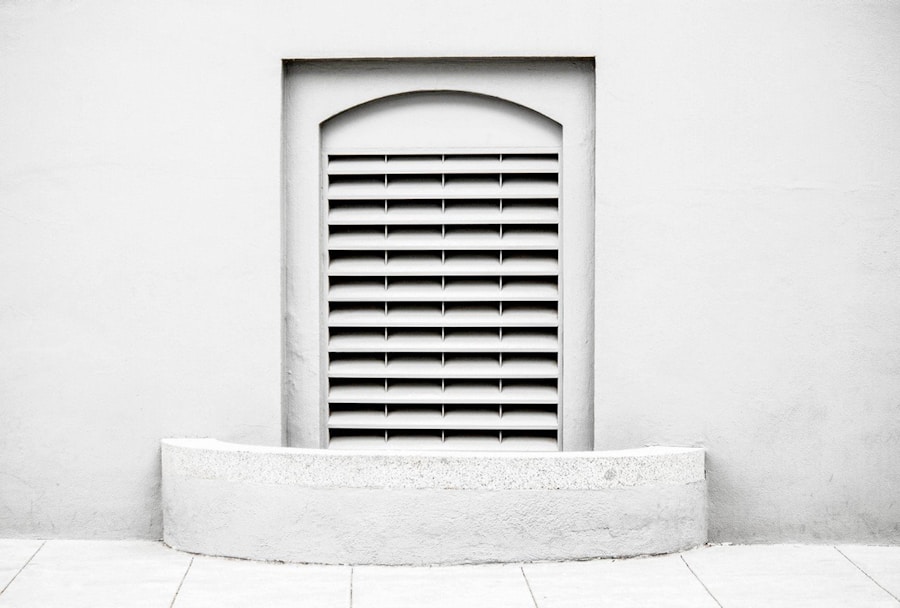
Proper ventilation in a finished basement is crucial for several reasons, primarily concerning air quality, moisture control, and overall comfort. Basements are often prone to dampness and humidity due to their location below ground level, which can lead to the accumulation of stale air and the proliferation of mold and mildew. These conditions not only create an unpleasant environment but can also pose significant health risks to occupants.
Poor air quality can exacerbate respiratory issues, trigger allergies, and contribute to other health problems. Therefore, ensuring adequate ventilation is essential for maintaining a safe and healthy living space. Moreover, proper ventilation plays a vital role in regulating temperature and preventing the buildup of harmful gases such as carbon dioxide and radon.
In a finished basement, where people may spend considerable time, it is important to maintain a comfortable atmosphere. Without sufficient airflow, the basement can become uncomfortably warm or cold, depending on the season. Additionally, stagnant air can lead to unpleasant odors that detract from the enjoyment of the space.
By implementing effective ventilation strategies, homeowners can create a more inviting environment that enhances the usability of their finished basements.
Key Takeaways
- Proper ventilation in a finished basement is crucial for maintaining air quality and preventing moisture buildup.
- Different types of ventilation systems include natural ventilation, mechanical ventilation, and combination systems.
- When choosing a ventilation system for your basement, consider factors such as the size of the space, existing moisture levels, and budget.
- Installing and maintaining ventilation systems requires careful planning and regular upkeep to ensure optimal performance.
- Improving airflow and circulation in your basement can be achieved through simple measures such as using fans, dehumidifiers, and keeping the space clean and clutter-free.
Understanding the Different Types of Ventilation Systems
Ventilation systems can be broadly categorized into three main types: natural ventilation, mechanical ventilation, and hybrid systems. Natural ventilation relies on passive airflow through windows, doors, vents, and other openings. This method takes advantage of wind pressure and temperature differences to facilitate air exchange.
While natural ventilation is energy-efficient and cost-effective, it may not always provide adequate airflow in a finished basement, especially if the space lacks windows or is situated in a climate with limited outdoor air movement. Mechanical ventilation systems, on the other hand, utilize fans and ductwork to actively circulate air within the basement. These systems can be further divided into exhaust ventilation, supply ventilation, and balanced ventilation.
Exhaust ventilation systems remove stale air from the basement while drawing fresh air from other parts of the home. Supply ventilation systems introduce fresh air into the basement while allowing stale air to escape through existing openings. Balanced ventilation systems combine both exhaust and supply methods to ensure a consistent flow of fresh air.
Mechanical systems are particularly beneficial in finished basements where natural ventilation is insufficient or impractical. Hybrid systems combine elements of both natural and mechanical ventilation to optimize airflow. For instance, a hybrid system may use mechanical fans to enhance natural airflow during peak usage times while allowing for passive ventilation during off-peak hours.
This approach can provide flexibility and efficiency, making it an attractive option for homeowners looking to improve their basement’s air quality without incurring excessive energy costs.
Choosing the Right Ventilation System for Your Basement
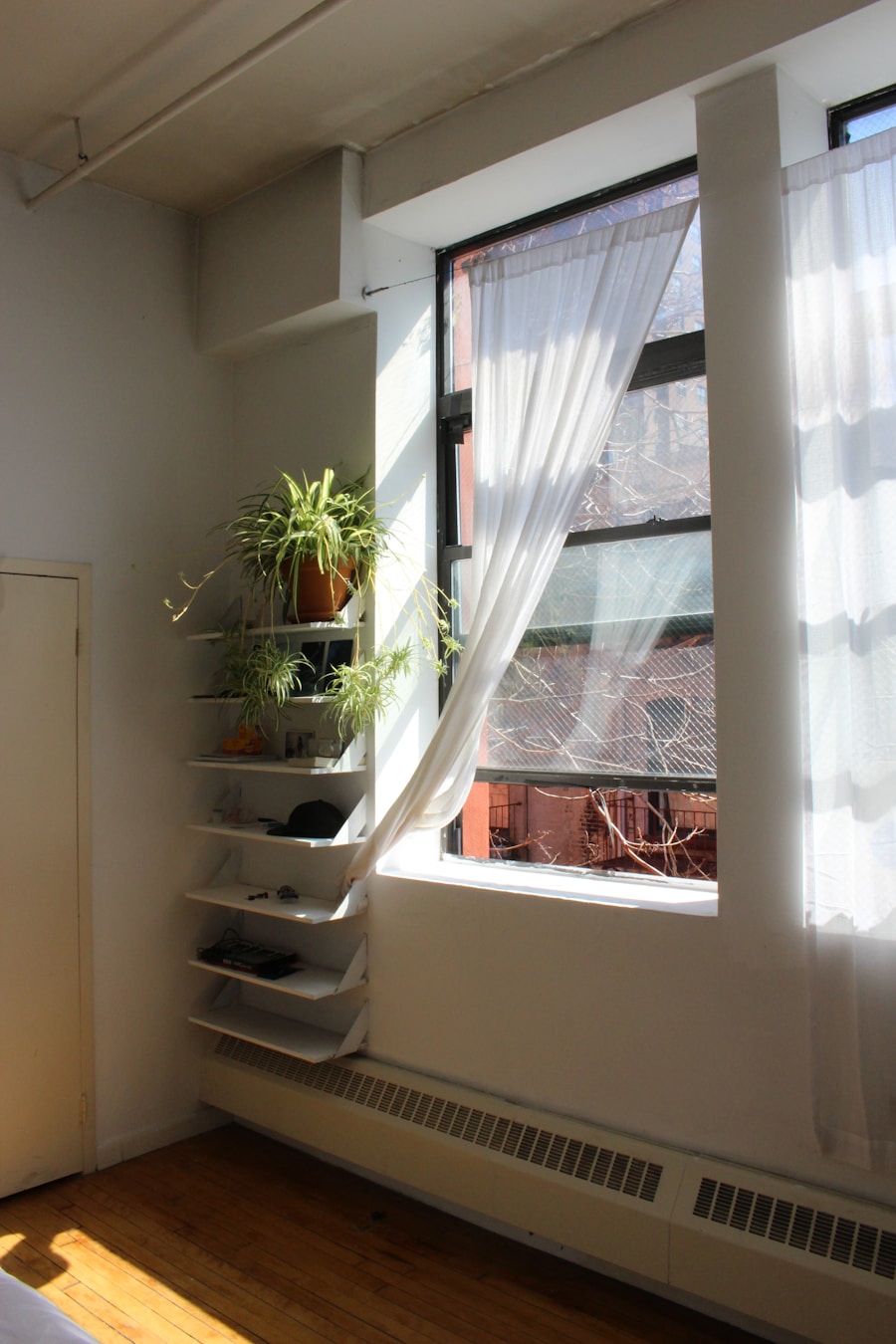
Selecting the appropriate ventilation system for a finished basement involves several considerations, including the size of the space, local climate conditions, and specific usage requirements. Homeowners should first assess the existing conditions of their basements, such as humidity levels and airflow patterns. For instance, if a basement is frequently damp or musty, a mechanical ventilation system may be necessary to effectively manage moisture levels and improve air quality.
Another critical factor is the local climate. In humid regions, where moisture control is paramount, a dehumidification system may be integrated with mechanical ventilation to ensure optimal conditions. Conversely, in drier climates, natural ventilation may suffice if there are adequate openings for airflow.
Additionally, homeowners should consider how they plan to use the basement—whether as a living area, home office, or recreational space—as this will influence the required level of ventilation. Budget constraints also play a significant role in determining the right system. Mechanical systems can be more expensive to install and operate than natural ventilation methods; however, they often provide more reliable performance in terms of air quality and comfort.
Homeowners should weigh the long-term benefits of improved air quality against initial installation costs when making their decision.
Installing and Maintaining Ventilation Systems
The installation of a ventilation system in a finished basement requires careful planning and execution to ensure optimal performance. For mechanical systems, it is essential to follow manufacturer guidelines and local building codes to avoid potential issues down the line. This process often involves assessing the layout of the basement to determine the best locations for ductwork and vents.
Proper sizing of fans and ducts is also critical; undersized components can lead to inadequate airflow while oversized ones may result in excessive energy consumption. Maintenance is equally important for ensuring the longevity and efficiency of any ventilation system. Regular inspections should be conducted to check for blockages in ducts or vents, as well as to clean or replace filters as needed.
Homeowners should also monitor humidity levels in their basements using hygrometers; if humidity consistently exceeds recommended levels (generally above 60%), additional measures such as dehumidifiers may be necessary. In addition to routine maintenance tasks, homeowners should remain vigilant for signs of poor ventilation, such as persistent odors or visible mold growth.
Addressing these issues promptly can prevent more significant problems from developing and ensure that the basement remains a safe and comfortable space.
Tips for Improving Airflow and Circulation in Your Basement
Improving airflow and circulation in a finished basement can significantly enhance comfort levels and indoor air quality. One effective strategy is to strategically place fans throughout the space to promote air movement. Ceiling fans can help circulate warm air during colder months while portable fans can be positioned near windows or vents to facilitate cross-ventilation on warmer days.
Another practical approach is to keep doors open between rooms whenever possible to encourage airflow throughout the entire basement area. This practice allows fresh air from other parts of the home to flow into the basement while enabling stale air to escape more easily. Additionally, homeowners should consider installing vents or grilles in interior walls to facilitate better air exchange between rooms.
Incorporating plants into the basement can also contribute positively to indoor air quality by naturally filtering pollutants and increasing oxygen levels. Certain plants are particularly effective at improving air quality; for example, spider plants and peace lilies are known for their ability to absorb toxins from the air. However, it is essential to ensure that any plants chosen are suitable for low-light conditions typically found in basements.
Addressing Common Ventilation Issues in Finished Basements
Several common issues can arise concerning ventilation in finished basements that homeowners should be aware of. One prevalent problem is inadequate airflow due to blocked vents or ducts. Over time, dust, debris, or even furniture placement can obstruct airflow pathways, leading to stagnant air pockets that contribute to poor indoor air quality.
Regular inspections and cleaning are essential for preventing this issue from becoming a significant concern. Another common issue is excessive humidity levels that can lead to mold growth and structural damage over time. Homeowners should monitor humidity levels closely using hygrometers and take action if readings consistently exceed recommended levels.
Installing a dehumidifier can help mitigate moisture issues; however, it is crucial to ensure that any dehumidification efforts are complemented by adequate ventilation to promote overall air circulation. Temperature imbalances within the basement can also indicate ventilation problems.
In such cases, adjusting fan speeds or repositioning vents may help achieve a more balanced temperature throughout the basement.
Ensuring Proper Ventilation for Health and Safety
The health implications of inadequate ventilation cannot be overstated; poor indoor air quality can lead to various health issues ranging from respiratory problems to chronic fatigue syndrome. In finished basements where people may spend extended periods of time, ensuring proper ventilation becomes even more critical. Stale air can harbor allergens such as dust mites and mold spores that trigger allergic reactions or exacerbate asthma symptoms.
Furthermore, certain gases like radon—a naturally occurring radioactive gas—can accumulate in basements if proper ventilation measures are not implemented. Radon exposure has been linked to an increased risk of lung cancer; therefore, testing for radon levels should be part of any comprehensive basement safety assessment. If elevated radon levels are detected, installing a radon mitigation system alongside proper ventilation can significantly reduce health risks.
In addition to addressing airborne pollutants, proper ventilation helps regulate temperature and humidity levels within the basement environment. Maintaining comfortable conditions not only enhances livability but also protects against structural damage caused by excessive moisture or temperature fluctuations.
Consulting a Professional for Ventilation Solutions in Your Basement
While many homeowners may feel comfortable tackling basic ventilation improvements on their own, consulting a professional can provide invaluable insights into more complex issues or installations. HVAC specialists possess expertise in assessing existing systems and recommending tailored solutions based on specific needs and conditions within the basement. A professional evaluation often includes comprehensive assessments of airflow patterns, humidity levels, and potential sources of contamination within the space.
They can recommend appropriate mechanical systems or modifications that align with local building codes while ensuring optimal performance tailored to individual requirements. Additionally, professionals can assist with installation processes that require specialized knowledge or equipment—ensuring that all components are correctly sized and positioned for maximum efficiency. This expertise not only saves time but also minimizes potential errors that could lead to costly repairs down the line.
In conclusion, investing in proper ventilation solutions for a finished basement is essential for maintaining a healthy living environment while enhancing comfort levels within this often-overlooked space in homes.
If you are looking to transform your basement into a functional and stylish space, you may want to check out this article on transformative remodels from drab to fab. This article provides inspiration and ideas for turning your basement into a beautiful and practical living area. By incorporating proper ventilation techniques, as discussed in the article on how to use proper ventilation in your finished Brooklyn basement, you can ensure that your newly renovated space is comfortable and healthy for you and your family.
FAQs
What are the benefits of proper ventilation in a finished basement?
Proper ventilation in a finished basement helps to prevent moisture buildup, reduce the risk of mold and mildew growth, improve air quality, and create a more comfortable living space.
What are some common ventilation options for a finished basement?
Common ventilation options for a finished basement include installing exhaust fans, dehumidifiers, and air purifiers, as well as ensuring proper air circulation through windows and doors.
How can I improve ventilation in my finished basement?
To improve ventilation in a finished basement, consider installing vents or ductwork to allow for better air flow, using ceiling fans to circulate air, and keeping windows and doors open when weather permits.
What are some signs that my finished basement may have poor ventilation?
Signs of poor ventilation in a finished basement may include musty odors, condensation on windows or walls, visible mold or mildew growth, and a feeling of stuffiness or humidity in the air.
Are there any building codes or regulations regarding ventilation in finished basements in Brooklyn?
It is important to check with local building codes and regulations to ensure that any ventilation improvements or installations in a finished basement comply with the requirements in Brooklyn.