Water damage in basements is a pervasive issue that can lead to significant structural problems and costly repairs. Understanding the potential sources of this damage is crucial for homeowners. One of the primary culprits is groundwater, which can seep into basements through cracks in the foundation or porous building materials.
This pressure can force water through even the smallest fissures, leading to dampness and mold growth. Additionally, plumbing leaks from pipes or appliances located in or near the basement can introduce unwanted moisture, compounding the risk of water damage.
Another significant source of water intrusion is surface water runoff. When rain falls, it can accumulate around the foundation if proper drainage systems are not in place. This accumulation can lead to pooling water that seeps into the basement.
Furthermore, improper grading of the landscape can exacerbate this issue, directing water toward rather than away from the home. Homeowners must also be vigilant about their gutters and downspouts; if these systems are clogged or improperly installed, they can overflow and contribute to water pooling near the foundation. Identifying these potential sources of water damage is the first step in implementing effective prevention strategies.
Key Takeaways
- Understanding the Risks: Identify potential sources of water damage in your basement, such as leaks, cracks, and poor drainage.
- Proper Drainage: Ensure your basement is equipped with adequate gutters and downspouts to direct water away from your home’s foundation.
- Sealing Cracks and Gaps: Prevent water infiltration through walls and floors by sealing any cracks and gaps with waterproof materials.
- Installing a Sump Pump: Keep your basement dry during heavy rains by installing a sump pump to remove excess water.
- Elevating Belongings: Protect your valuables from potential water damage by elevating them off the basement floor.
Proper Drainage: Ensuring Your Basement is Equipped with Adequate Gutters and Downspouts
Proper Gutter Maintenance
Regular cleaning and maintenance of gutters are essential to ensure they remain clear and functional. Downspouts should extend at least five to ten feet away from the foundation to effectively divert water away from the home.
Additional Measures
In some cases, homeowners may need to install extensions or splash blocks to achieve this distance. Additionally, it’s important to ensure that the ground slopes away from the foundation. A slope of at least six inches over the first ten feet can help direct water away from the house, reducing the likelihood of water pooling near the basement walls.
Reducing Water Damage Risk
By ensuring that gutters and downspouts are properly installed and maintained, homeowners can significantly mitigate the risk of water damage in their basements.
Sealing Cracks and Gaps: Preventing Water Infiltration Through Walls and Floors
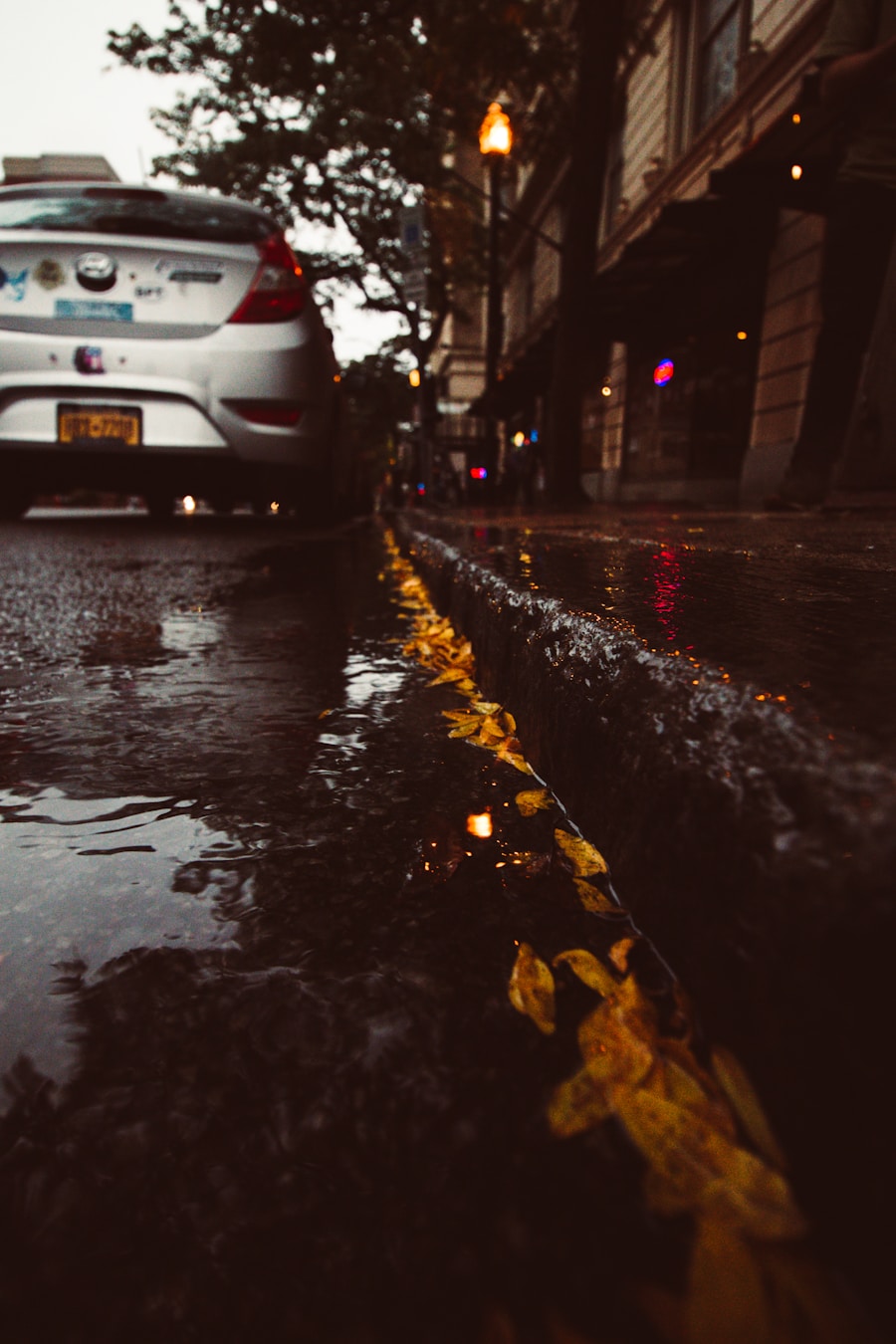
Sealing cracks and gaps in basement walls and floors is a vital step in preventing water infiltration. Over time, concrete can develop small cracks due to settling or temperature fluctuations. These cracks may seem insignificant but can allow moisture to seep into the basement, especially during heavy rains or when the ground is saturated.
Homeowners should conduct regular inspections of their basement walls and floors to identify any signs of cracking or deterioration. To effectively seal these cracks, various products are available on the market, including hydraulic cement, epoxy injections, and polyurethane sealants. Hydraulic cement expands as it cures, making it particularly effective for filling larger cracks and preventing water from passing through.
For smaller cracks, epoxy injections can provide a strong bond that not only seals but also reinforces the structural integrity of the wall. Additionally, applying a waterproof sealant to the interior walls can create an extra barrier against moisture infiltration. By proactively sealing cracks and gaps, homeowners can significantly reduce their risk of experiencing water damage in their basements.
Installing a Sump Pump: Keeping Your Basement Dry During Heavy Rains
A sump pump is an essential tool for homeowners looking to keep their basements dry during heavy rainfall or flooding events. This device works by collecting excess water that accumulates in a sump basin, typically located at the lowest point of the basement. When water levels rise above a certain threshold, the sump pump activates and pumps the water out of the basin and away from the home’s foundation.
This proactive measure can prevent significant water damage and mold growth. When selecting a sump pump, homeowners should consider factors such as capacity, power source, and type (submersible or pedestal). Submersible pumps are designed to be placed within the sump basin and are often quieter and more efficient than pedestal pumps, which sit above ground level.
Additionally, it’s wise to invest in a battery backup system for the sump pump to ensure it continues to operate during power outages—a common occurrence during severe storms. Regular maintenance checks are also crucial; homeowners should inspect their sump pumps periodically to ensure they are functioning correctly and free from debris that could impede performance.
Elevating Belongings: Protecting Your Valuables from Potential Water Damage
In addition to implementing structural measures to prevent water damage, homeowners should take steps to protect their belongings stored in the basement. Elevating valuable items off the floor is a practical strategy that can minimize potential losses in case of flooding or water intrusion. Using shelving units or plastic storage bins with lids can help keep items dry and organized while also allowing for better airflow around stored goods.
For particularly valuable items such as electronics, important documents, or family heirlooms, consider relocating them to higher ground within the home or using waterproof containers designed specifically for storage in damp environments. Additionally, creating an inventory of items stored in the basement can be beneficial for insurance purposes; should damage occur, having a detailed list will facilitate claims processing and recovery efforts.
Regular Maintenance: Inspecting and Maintaining Your Basement to Prevent Water Intrusion
Regular maintenance is key to preventing water intrusion in basements. Homeowners should establish a routine inspection schedule to identify any signs of moisture or damage early on. This includes checking for visible signs of leaks, such as water stains on walls or ceilings, musty odors indicative of mold growth, or condensation on windows and pipes.
Addressing these issues promptly can prevent more extensive damage down the line. In addition to visual inspections, homeowners should also pay attention to their home’s drainage systems. This includes ensuring that gutters are clean and functional, downspouts are directing water away from the foundation, and grading around the home is adequate.
It’s also wise to inspect any window wells for debris that could trap water against basement windows. By maintaining these systems and conducting regular inspections, homeowners can significantly reduce their risk of experiencing water damage in their basements.
Landscaping Considerations: Managing Runoff and Directing Water Away from Your Home
Landscaping plays a crucial role in managing runoff and directing water away from a home’s foundation. The way a yard is graded can either exacerbate or alleviate water issues in a basement. Ideally, landscaping should slope away from the house at a gradient of at least 2% over a distance of 10 feet.
This ensures that rainwater flows away from the foundation rather than pooling around it. Incorporating features such as French drains or dry wells can further enhance drainage capabilities. French drains consist of perforated pipes buried in gravel that collect excess surface water and redirect it away from the home.
Dry wells serve as underground reservoirs that temporarily hold excess rainwater until it can percolate into the surrounding soil. Additionally, planting vegetation with deep root systems can help absorb excess moisture from the soil around the foundation. By thoughtfully considering landscaping elements, homeowners can create an environment that minimizes runoff and protects their basements from potential water damage.
Professional Help: Knowing When to Seek Assistance from Waterproofing Experts
While many preventive measures can be taken by homeowners themselves, there are times when professional assistance is necessary for effective waterproofing solutions. If a homeowner notices persistent moisture issues despite implementing preventive measures or if they encounter significant structural concerns such as large cracks in foundation walls or bowing walls, it may be time to consult with waterproofing experts. These professionals have specialized knowledge and tools to assess complex issues that may not be apparent to an untrained eye.
They can conduct thorough inspections using moisture meters and thermal imaging technology to identify hidden sources of moisture intrusion. Furthermore, they can recommend tailored solutions such as interior drainage systems, exterior waterproofing membranes, or advanced sump pump installations based on specific needs. Engaging with professionals not only provides peace of mind but also ensures that any underlying issues are addressed comprehensively, safeguarding your home against future water damage risks.
If you’re looking to prevent water damage in your Brooklyn basement during heavy rains, you may also be interested in learning about custom home builds tailored to architectural solutions. This this link to learn more about the latest advancements in hardware technology for home protection.
FAQs
What are the common causes of water damage in a Brooklyn basement during heavy rains?
Common causes of water damage in a Brooklyn basement during heavy rains include poor drainage, cracks in the foundation, malfunctioning sump pumps, and clogged gutters.
How can I prevent water damage in my Brooklyn basement during heavy rains?
To prevent water damage in your Brooklyn basement during heavy rains, you can take steps such as installing a sump pump, maintaining proper drainage, sealing cracks in the foundation, and ensuring that gutters and downspouts are clear of debris.
Why is it important to prevent water damage in a Brooklyn basement?
Preventing water damage in a Brooklyn basement is important because it can lead to structural damage, mold growth, and potential health hazards. It can also decrease the value of your property and lead to costly repairs.
What are the signs of water damage in a Brooklyn basement?
Signs of water damage in a Brooklyn basement include musty odors, damp or wet walls and floors, peeling paint or wallpaper, and visible mold growth. It’s important to address these signs promptly to prevent further damage.
Should I consider waterproofing my Brooklyn basement?
Yes, waterproofing your Brooklyn basement can be a proactive measure to prevent water damage during heavy rains. This can include installing a waterproofing membrane, sealing cracks, and ensuring proper drainage. Consulting with a professional can help determine the best waterproofing solution for your specific situation.