


Brooklyn’s climate is characterized by a humid subtropical climate, which means it experiences hot summers and cold winters. The average temperature in July can reach up to 84°F (29°C), while January temperatures can drop to around 26°F (-3°C). This significant temperature variation throughout the year necessitates a robust insulation strategy for homes and buildings.
The proximity to the Atlantic Ocean also influences the weather patterns, leading to increased humidity levels in the summer and occasional nor’easters in the winter, which can bring heavy snowfall and strong winds. Understanding these climatic conditions is crucial for homeowners and builders alike, as they directly impact energy consumption and comfort levels within a property. For instance, during the sweltering summer months, inadequate insulation can lead to excessive heat gain, making air conditioning systems work harder and increasing energy bills.
Conversely, during the frigid winter months, poorly insulated homes can suffer from heat loss, resulting in uncomfortable living conditions and higher heating costs. Therefore, a comprehensive understanding of Brooklyn’s climate is essential for selecting the right insulation materials and strategies to ensure year-round comfort and efficiency.
Key Takeaways
- Brooklyn experiences a wide range of temperatures throughout the year, from cold winters to hot summers, making insulation crucial for maintaining a comfortable indoor environment.
- There are various types of insulation materials available, including fiberglass, cellulose, foam, and more, each with their own unique properties and benefits.
- When insulating for winter in Brooklyn, it’s important to focus on preventing heat loss and ensuring proper ventilation to avoid moisture buildup.
- Insulation considerations for summer in Brooklyn should prioritize blocking out heat and maintaining a cool indoor environment, while also addressing potential moisture and mold issues.
- Energy efficiency and cost considerations play a significant role in choosing the right insulation materials and installation methods for long-term savings and environmental impact.
Different Types of Insulation Materials
When it comes to insulation materials, there is a wide array of options available, each with its unique properties and applications. Fiberglass insulation is one of the most commonly used types due to its affordability and effectiveness. It consists of tiny glass fibers that trap air, providing excellent thermal resistance.
Fiberglass batts or rolls are often used in walls, attics, and floors, making them a versatile choice for many homeowners. However, it is essential to handle fiberglass with care, as the tiny glass particles can irritate the skin and lungs if proper precautions are not taken. Another popular option is spray foam insulation, which expands upon application to fill gaps and cracks effectively.
This type of insulation provides an airtight seal, making it particularly effective in preventing air leaks. Closed-cell spray foam is denser and offers higher R-values per inch compared to open-cell foam, making it suitable for areas where space is limited. Additionally, spray foam insulation can also act as a moisture barrier, which is beneficial in Brooklyn’s humid climate.
However, it typically requires professional installation due to its complex application process and the need for specialized equipment. Other insulation materials include cellulose, which is made from recycled paper products and treated with fire retardants; mineral wool, known for its fire-resistant properties; and rigid foam boards that provide high insulation values in a thin profile. Each material has its advantages and disadvantages, making it essential for homeowners to consider their specific needs, budget, and environmental impact when selecting insulation.
Insulation Considerations for Winter in Brooklyn

During the winter months in Brooklyn, effective insulation becomes paramount to maintaining a comfortable indoor environment. One of the primary considerations is ensuring that attics and roofs are adequately insulated. Heat rises, and without proper insulation in these areas, warm air can escape, leading to increased heating costs and potential ice dam formation on roofs.
Ice dams occur when snow melts on the roof due to heat escaping from the home and then refreezes at the eaves, causing water to back up under shingles and potentially leading to leaks. In addition to attic insulation, homeowners should also focus on insulating exterior walls and basements. In older homes, gaps around windows and doors can lead to significant heat loss.
Weatherstripping and caulking can help seal these gaps effectively. Furthermore, insulating basement walls can prevent cold air from seeping into living spaces above while also protecting against moisture issues that can arise from cold surfaces meeting warm air. Another critical aspect of winter insulation is ensuring that the materials used have appropriate R-values for the climate zone.
In Brooklyn, an R-value of at least R-38 is recommended for attics and R-13 to R-21 for walls. Homeowners should also consider using vapor barriers in areas prone to moisture accumulation to prevent condensation issues that could lead to mold growth.
Insulation Considerations for Summer in Brooklyn
As temperatures rise during the summer months in Brooklyn, insulation plays a vital role in keeping homes cool and comfortable. One of the key considerations is preventing heat gain from outside sources. Properly installed insulation in attics can significantly reduce the amount of heat that enters a home.
In addition to attic insulation, homeowners should also pay attention to wall insulation. Insulating exterior walls with materials that have high R-values can help maintain cooler indoor temperatures by reducing heat transfer from outside.
This is especially important during heat waves when outdoor temperatures can soar above 90°F (32°C). Another consideration for summer insulation is ventilation. While insulation helps keep heat out, proper ventilation allows hot air to escape from attics and other enclosed spaces.
Ridge vents, soffit vents, and gable vents can work together to create a natural airflow that helps reduce indoor temperatures without relying solely on air conditioning systems. This combination of effective insulation and ventilation can lead to significant energy savings during the hot summer months.
Energy Efficiency and Cost Considerations
Investing in quality insulation not only enhances comfort but also contributes significantly to energy efficiency in homes throughout Brooklyn. The initial cost of purchasing and installing insulation may seem daunting; however, the long-term savings on energy bills often outweigh these upfront expenses. According to the U.S. Department of Energy, homeowners can save an average of 15% on heating and cooling costs by properly insulating their homes. When considering energy efficiency, it’s essential to evaluate the overall R-value of the insulation materials chosen. Higher R-values indicate better thermal resistance, which translates into reduced energy consumption for heating and cooling systems. Additionally, energy-efficient homes may qualify for various rebates or tax incentives offered by local or state programs aimed at promoting energy conservation. Homeowners should also consider the potential return on investment (ROI) when upgrading insulation. In many cases, improved insulation can increase property value by enhancing energy efficiency ratings. Prospective buyers are often willing to pay a premium for homes that promise lower utility costs due to effective insulation strategies. Therefore, investing in quality insulation not only benefits current homeowners but also serves as a strategic move for future resale value.
Moisture and Mold Prevention
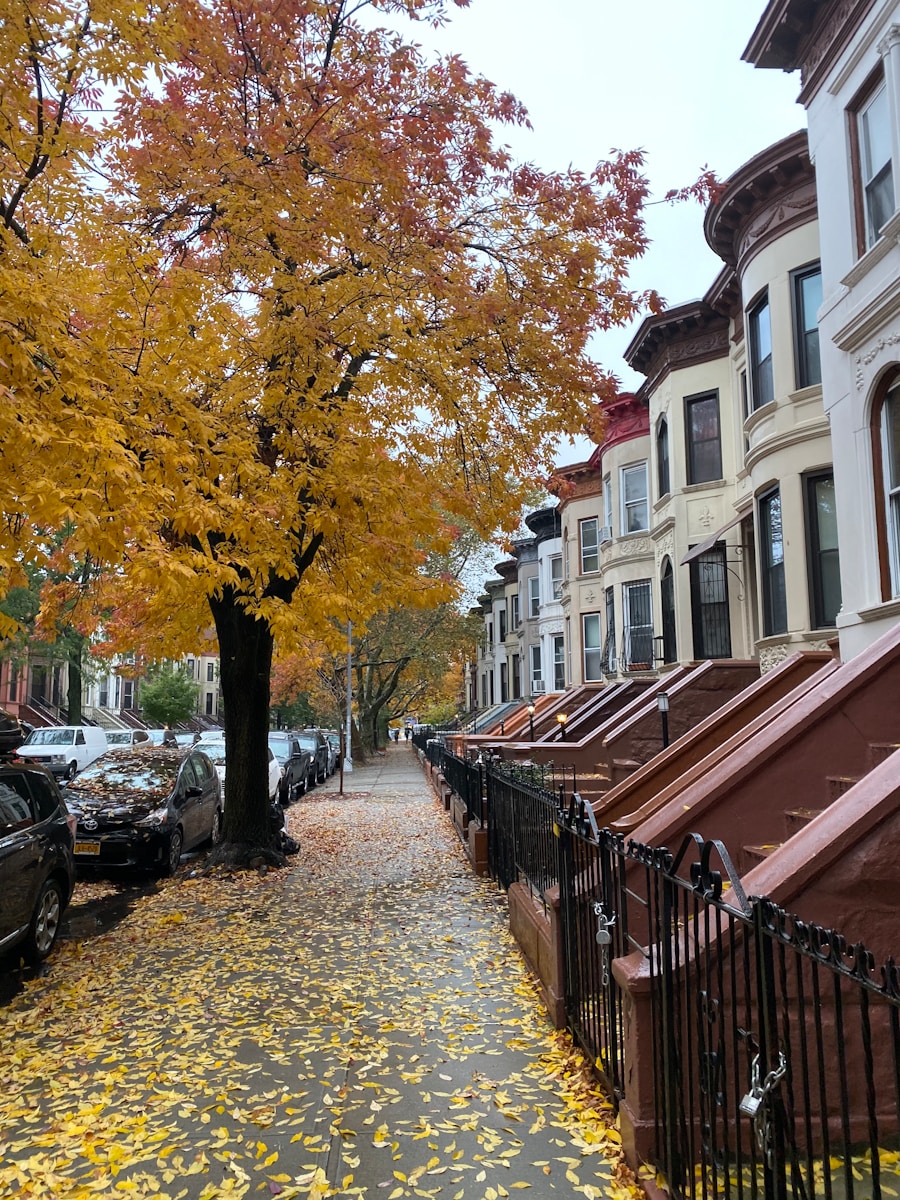
Moisture control is a critical aspect of effective insulation strategies in Brooklyn’s humid climate. Without proper moisture management, even the best insulation materials can become compromised by mold growth or structural damage due to water infiltration. One of the primary methods for preventing moisture issues is through the use of vapor barriers.
These barriers are typically installed on the warm side of insulated walls or ceilings to prevent warm air from condensing on cooler surfaces. In addition to vapor barriers, ensuring proper drainage around the foundation of a home is essential for preventing moisture accumulation in basements or crawl spaces. Gutters should be regularly cleaned and maintained to direct water away from the foundation effectively.
Furthermore, landscaping should slope away from the house to minimize water pooling near the foundation. Regular inspections of insulation materials are also crucial for identifying any signs of moisture damage early on. Homeowners should look for discoloration or dampness in insulated areas, particularly in basements or attics where humidity levels may be higher.
If mold growth is detected, it’s essential to address both the mold issue and the underlying moisture problem promptly to prevent further damage.
DIY vs Professional Installation
When it comes to installing insulation in Brooklyn homes, homeowners often face the decision between tackling the project themselves or hiring professionals. DIY installation can be appealing due to potential cost savings; however, it requires a certain level of skill and knowledge about building codes and safety practices. For example, installing fiberglass batts may seem straightforward; however, improper installation can lead to gaps that compromise thermal performance.
On the other hand, professional installation offers several advantages that may justify the additional expense. Experienced contractors are familiar with local building codes and regulations, ensuring that installations meet safety standards. They also have access to specialized tools and equipment necessary for certain types of insulation, such as spray foam or blown-in cellulose.
Moreover, professional installers often provide warranties on their work, offering peace of mind that any issues arising from improper installation will be addressed without additional costs. For complex projects or those involving hazardous materials like asbestos removal or extensive air sealing work, hiring professionals is typically recommended for safety reasons.
Maintenance and Upkeep for Long-Term Insulation Effectiveness
To ensure long-term effectiveness of insulation in Brooklyn homes, regular maintenance and upkeep are essential components of an effective home management strategy. Homeowners should periodically inspect their insulation materials for signs of wear or damage caused by pests or moisture infiltration. Attics should be checked for any signs of sagging or compression in fiberglass batts or cellulose that could reduce their insulating properties.
Additionally, maintaining proper ventilation systems is crucial for preventing moisture buildup that could compromise insulation effectiveness over time. Homeowners should ensure that vents are not blocked by debris or insulation material itself; this will help maintain airflow throughout attics and crawl spaces. Another important aspect of maintenance involves monitoring energy bills for any sudden increases that could indicate issues with insulation performance or air leaks elsewhere in the home.
If energy costs rise unexpectedly despite consistent usage patterns, it may be time to reassess insulation effectiveness or consider additional upgrades. By prioritizing regular inspections and maintenance practices alongside effective installation strategies tailored specifically for Brooklyn’s climate conditions, homeowners can maximize their investment in insulation while ensuring comfort year-round.
When considering how to choose the right basement insulation for different seasons in Brooklyn, it’s important to also think about the overall renovation of your home. Elevating your home with thoughtful renovations can not only improve the aesthetic appeal but also increase the value of your property. For a quote on basement remodeling services in Brooklyn, visit here.
FAQs
What are the different types of insulation for basements?
There are several types of insulation commonly used in basements, including fiberglass, foam board, spray foam, and rigid foam. Each type has its own advantages and disadvantages, so it’s important to consider the specific needs of your basement before choosing the right insulation.
How does the choice of insulation affect the temperature in the basement during different seasons?
The choice of insulation can have a significant impact on the temperature in the basement during different seasons. For example, in the winter, proper insulation can help keep the basement warm and prevent heat loss, while in the summer, it can help keep the basement cool and reduce humidity.
What factors should be considered when choosing the right insulation for a basement in Brooklyn?
When choosing the right insulation for a basement in Brooklyn, it’s important to consider factors such as the climate, the specific needs of the basement (e.g., moisture control), and the budget. Additionally, it’s important to comply with local building codes and regulations.
How can insulation help with moisture control in the basement?
Proper insulation can help with moisture control in the basement by preventing condensation and reducing the risk of mold and mildew growth. Certain types of insulation, such as closed-cell spray foam, can also act as a vapor barrier, further helping to control moisture.
What are some common mistakes to avoid when insulating a basement in Brooklyn?
Some common mistakes to avoid when insulating a basement in Brooklyn include using the wrong type of insulation for the specific needs of the basement, not properly sealing air leaks, and not addressing moisture issues before insulating. It’s important to consult with a professional to ensure the insulation is installed correctly.

