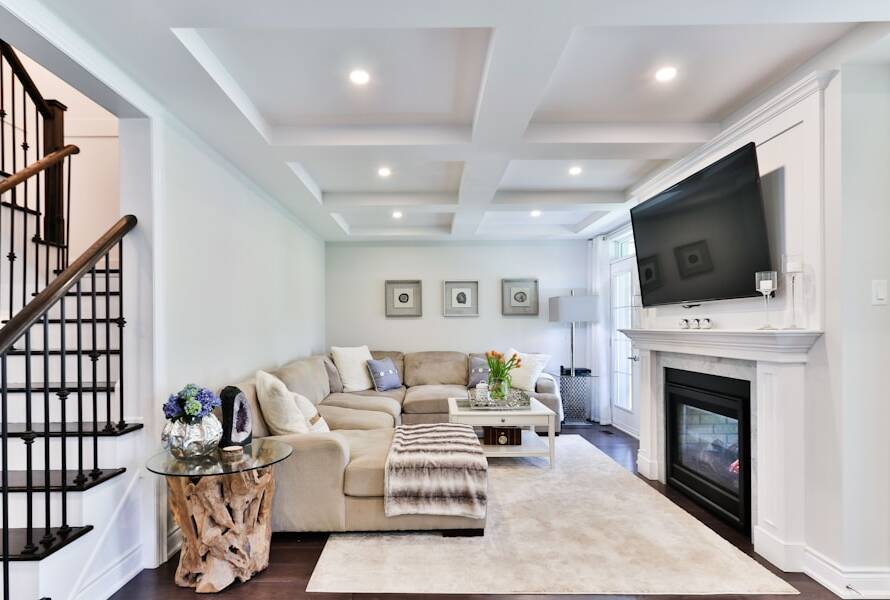
Before embarking on the journey of creating a home audio system, it is crucial to conduct a thorough assessment of your space and specific needs. The dimensions of your room play a significant role in determining the type of audio equipment that will work best for you. For instance, a small basement may not require the same power or speaker size as a larger, open-concept area.
Measure the length, width, and height of your space, and take note of any architectural features such as windows, doors, and built-in shelving that could affect sound distribution. Understanding these elements will help you make informed decisions about speaker placement and the overall design of your audio system. In addition to physical dimensions, consider how you plan to use your audio system.
Are you an avid movie watcher who craves immersive soundscapes, or do you primarily listen to music? Perhaps you enjoy gaming and want a system that enhances the experience with rich audio effects. Identifying your primary use cases will guide your choices in terms of audio components and configurations.
Furthermore, think about the number of people who will typically use the space. If you frequently host gatherings, a more powerful system with multiple speakers may be necessary to fill the room with sound effectively. By assessing both the physical characteristics of your space and your personal audio needs, you can lay a solid foundation for building a tailored audio experience.
Key Takeaways
- Assess your space and needs before setting up your audio system to ensure it meets your requirements and fits the available space.
- Choose the right audio components that match your space and needs, including speakers, amplifiers, and audio sources.
- Consider acoustic treatment for your basement to improve sound quality and reduce echoes and reverberations.
- Set up your audio system properly by positioning speakers, connecting components, and organizing cables for optimal performance.
- Calibrate your audio system to ensure balanced sound levels and accurate audio reproduction.
Choosing the Right Audio Components
Speakers: Choosing the Right Type
When it comes to speakers, there are various types to consider: floor-standing speakers, bookshelf speakers, and satellite speakers, each offering different advantages depending on your room size and listening preferences. Floor-standing speakers are ideal for larger spaces as they can produce deeper bass and fill the room with sound more effectively. Conversely, bookshelf speakers are more compact and can be placed on shelves or stands, making them suitable for smaller areas.
Amplifiers: Powering Your Speakers
Amplifiers are equally important as they power your speakers and influence sound quality. A good amplifier should match the power requirements of your speakers while providing clean, distortion-free sound. Pay attention to specifications such as wattage and impedance to ensure compatibility.
Receivers: Handling Multiple Input Sources
Additionally, consider investing in a quality receiver that can handle multiple input sources, such as Blu-ray players, gaming consoles, and streaming devices. This versatility allows you to switch between different media seamlessly while maintaining high audio fidelity.
Acoustic Treatment for Your Basement
Acoustic treatment is often an overlooked aspect of setting up an audio system, yet it can significantly enhance sound quality. Basements typically have unique acoustic challenges due to their construction materials and layout. Hard surfaces like concrete walls and floors can create unwanted reflections and echoes, leading to muddied sound.
To combat this, consider incorporating acoustic panels or foam tiles on walls to absorb sound waves and reduce reverberation. These treatments can be strategically placed at first reflection points—areas where sound bounces off surfaces before reaching your ears—to optimize clarity. In addition to wall treatments, consider adding rugs or carpets to absorb sound on the floor.
This is particularly important in basements where hard surfaces dominate. Soft furnishings like curtains or upholstered furniture can also contribute to better acoustics by breaking up sound waves and minimizing reflections. If your basement has low ceilings, be mindful of how this affects sound propagation; low ceilings can create a more confined soundstage.
By thoughtfully implementing acoustic treatments, you can create an environment that enhances the performance of your audio system and provides a more enjoyable listening experience.
Setting Up Your Audio System
With your components selected and acoustic treatments in place, it’s time to set up your audio system. Begin by positioning your speakers according to the layout of your room and the type of audio experience you desire. For stereo setups, speakers should be placed at ear level when seated and positioned in an equilateral triangle formation with the listening position at one point of the triangle.
This arrangement allows for optimal stereo imaging and soundstage depth. In surround sound configurations, the placement becomes more complex; front speakers should be positioned at ear level while surround speakers are typically mounted higher on the walls or placed behind the listening area. Wiring is another critical aspect of setup that should not be overlooked.
Use high-quality speaker cables to connect your components, ensuring that they are long enough to reach without tension but not excessively long to avoid signal loss. Pay attention to cable management; keeping wires organized not only improves aesthetics but also prevents interference that could degrade sound quality. Once everything is connected, take a moment to double-check all connections before powering on your system.
Calibrating Your Audio System
Calibration is essential for achieving optimal performance from your audio system. Many modern receivers come equipped with automatic calibration systems that use built-in microphones to analyze room acoustics and adjust settings accordingly. However, manual calibration can often yield even better results if you have a good understanding of audio principles.
Start by adjusting speaker levels to ensure that all channels are balanced; this is particularly important in surround sound setups where discrepancies can lead to an uneven listening experience. Next, consider adjusting crossover settings for subwoofers if applicable. The crossover frequency determines how low-frequency sounds are distributed between the subwoofer and main speakers.
Setting this frequency correctly ensures that bass sounds are delivered seamlessly without overwhelming other frequencies. Additionally, take time to adjust equalization settings based on your personal preferences or specific room characteristics. Some receivers offer preset EQ modes tailored for different types of content—such as movies or music—which can serve as a useful starting point for further fine-tuning.
Adding Surround Sound

Understanding Surround Sound
A typical surround sound setup includes five or more channels: left, center, right, left surround, right surround, and often a subwoofer for low-frequency effects. This configuration creates an immersive environment where sounds can come from multiple directions, enhancing the realism of movies and games.
Optimizing Speaker Placement
When adding surround sound speakers, consider their placement carefully. The left and right surround speakers should be positioned slightly behind the listening area at ear level or higher for optimal effect. The center channel speaker is crucial for dialogue clarity in films; it should be placed directly above or below the screen for best results.
Alternative Options for Space-Constrained Spaces
If you have space constraints or prefer a more minimalist approach, consider investing in soundbars that offer virtual surround sound technology—these devices simulate multi-channel audio using advanced processing algorithms.
Integrating Streaming and Smart Home Technology
In today’s digital age, integrating streaming services and smart home technology into your audio system is almost essential for a modern entertainment experience. Many receivers now come equipped with built-in Wi-Fi capabilities that allow you to stream music directly from platforms like Spotify, Apple Music, or Tidal without needing additional devices. This convenience not only simplifies playback but also enhances accessibility; you can control playback from your smartphone or tablet using dedicated apps.
Smart home integration takes this a step further by allowing voice control through devices like Amazon Alexa or Google Assistant. Imagine being able to adjust volume levels or switch between sources simply by speaking commands—this level of convenience adds a new dimension to how you interact with your audio system. Additionally, consider using multi-room audio systems that enable you to play music throughout different areas of your home simultaneously, creating a cohesive auditory environment.
Enjoying Your Theater-Quality Audio System
After investing time and resources into creating a theater-quality audio system, it’s time to sit back and enjoy the fruits of your labor. Whether you’re watching an action-packed blockbuster or listening to your favorite album, the immersive experience provided by a well-calibrated audio setup can transport you into another world. Take advantage of various content types—movies often feature dynamic soundtracks designed to showcase surround sound capabilities, while music can reveal nuances in recordings that may have gone unnoticed before.
To fully appreciate your system’s capabilities, consider hosting listening parties or movie nights with friends and family. Sharing this experience not only enhances enjoyment but also allows you to showcase the quality of your setup. As technology continues to evolve, stay informed about new advancements in audio equipment and streaming services that could further enhance your experience over time.
Embrace the journey of discovery as you explore different genres and formats; each session offers an opportunity to deepen your appreciation for high-fidelity sound in the comfort of your own home.
If you’re looking to enhance the overall ambiance of your Brooklyn basement theater with the right lighting, check out this article on Additionally, if you’re considering a complete renovation of your basement space, you may find inspiration and guidance in this article on our step-by-step basement remodeling process. The key components of a theater-quality audio system include a high-quality receiver, speakers, subwoofer, and audio source such as a Blu-ray player or streaming device. For a theater-quality audio system, it is recommended to use a combination of floor-standing speakers, bookshelf speakers, and a center channel speaker to create a surround sound experience. The receiver is a crucial component of a theater-quality audio system as it acts as the central hub for connecting and controlling all the audio sources and speakers. It also decodes audio signals and distributes them to the appropriate speakers. A subwoofer is essential for a theater-quality audio system as it reproduces low-frequency sound effects and adds depth and realism to the overall audio experience. To optimize the audio system in a basement space, it is important to consider acoustics, speaker placement, and sound isolation. Using acoustic treatments, strategically placing speakers, and soundproofing the space can greatly enhance the audio experience.FAQs
What are the key components of a theater-quality audio system?
What type of speakers are best for a theater-quality audio system?
How important is the receiver in a theater-quality audio system?
What role does a subwoofer play in a theater-quality audio system?
What are some tips for optimizing the audio system in a basement space?