Before embarking on any lighting project, it is crucial to conduct a thorough assessment of your basement space. This initial evaluation will help you understand the unique characteristics of the area, including its size, shape, and existing features. Basements often present challenges such as low ceilings, limited windows, and a lack of natural light, which can make them feel cramped or uninviting.
By taking stock of these elements, you can develop a lighting plan that enhances the space rather than detracts from it. Consider the layout of your basement and how you intend to use it. Is it a recreational area, a home office, or perhaps a guest suite?
Each function will require different lighting solutions. For instance, a home theater may benefit from dimmable lights that can create an immersive experience, while a workspace will need bright, focused lighting to facilitate productivity. Additionally, take note of any architectural features such as beams, columns, or alcoves that could influence your lighting choices.
Understanding these aspects will allow you to create a cohesive design that maximizes both functionality and aesthetics.
Key Takeaways
- Assess your basement space to determine the layout and areas that need lighting
- Choose the right lighting fixtures that complement the style and function of your basement
- Incorporate natural light through windows, skylights, or light wells to brighten up the space
- Create a focal point with statement lighting to add visual interest and personality to the room
- Use mirrors strategically to reflect light and make the space feel larger and brighter
- Add task lighting in work or activity areas for functionality and convenience
- Utilize LED lights for energy efficiency and long-lasting illumination
- Incorporate ambient lighting to create a cozy and inviting atmosphere in your basement
Choosing the Right Lighting Fixtures
Understanding Ceiling-Mounted Fixtures
Once you’ve assessed your basement space, the next step is to choose the right lighting fixtures. With so many options available, it can be overwhelming, but understanding the different types of fixtures and their applications can make the decision-making process easier. Ceiling-mounted fixtures, such as flush mounts or chandeliers, can provide general illumination and set the tone for the entire room.
Considering Wall Sconces and Track Lighting
For basements with lower ceilings, flush mounts are particularly advantageous as they don’t protrude too far into the space. In addition to ceiling fixtures, consider incorporating wall sconces or track lighting to add layers to your lighting scheme. Wall sconces can provide accent lighting and enhance the overall ambiance, while track lighting offers flexibility in directing light where it’s needed most.
Creating a Well-Rounded Lighting Design
If your basement has specific areas that require focused illumination, such as a reading nook or a workbench, adjustable fixtures can be particularly beneficial. By combining various types of fixtures, you can create a well-rounded lighting design that caters to the diverse needs of your basement.
Incorporating Natural Light

While basements are often associated with limited natural light, there are creative ways to enhance this aspect and bring in more daylight. If your basement has windows, consider how you can maximize their potential. Use light-colored window treatments that allow sunlight to filter through while maintaining privacy.
Sheer curtains or blinds can soften harsh sunlight without completely blocking it out, creating a warm and inviting atmosphere. If your basement lacks windows altogether, consider alternative methods to simulate natural light. Installing light tubes or skylights can be an effective solution for bringing daylight into subterranean spaces.
These innovative systems capture sunlight from the roof and channel it down into the basement through reflective tubes. Additionally, using light-colored paint on walls and ceilings can help reflect any available light, making the space feel brighter and more open. By prioritizing natural light in your design, you can create a more uplifting environment that counters the typical darkness associated with basements.
Creating a Focal Point with Statement Lighting
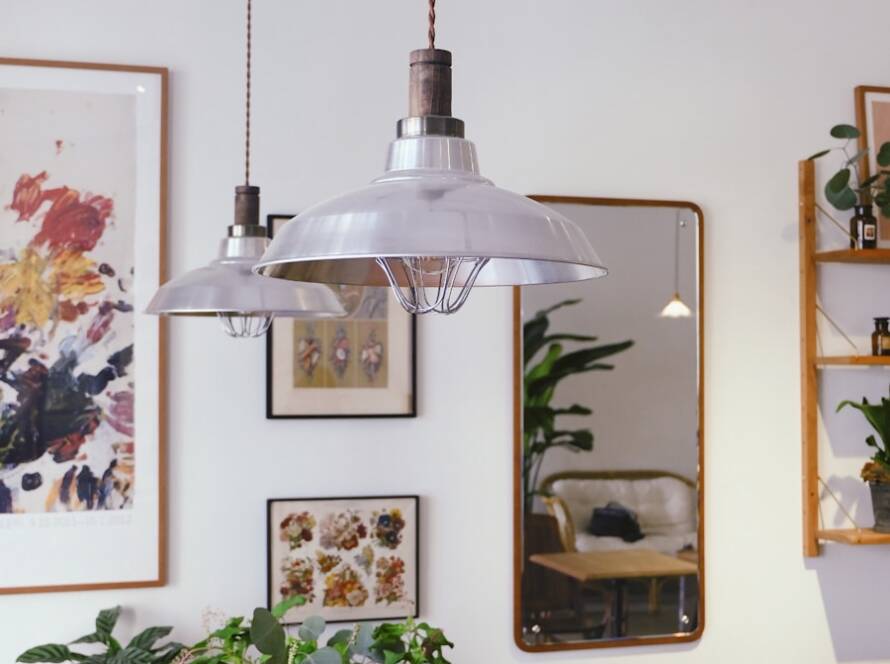
In any room, creating a focal point is essential for drawing the eye and establishing a sense of balance. In a basement setting, statement lighting fixtures can serve as striking centerpieces that elevate the overall design. A bold chandelier or an oversized pendant light can become a conversation starter while providing ample illumination for the space.
In addition to chandeliers and pendants, consider using sculptural floor lamps or unique table lamps to create visual interest at different levels within the room. These pieces not only provide functional lighting but also contribute to the overall decor.
Positioning these fixtures strategically can help define different areas within an open basement layout, such as separating a lounge area from a game zone. By thoughtfully incorporating statement lighting into your design, you can transform your basement into an inviting and stylish retreat.
Using Mirrors to Reflect Light
Mirrors are powerful tools in interior design, particularly in spaces like basements where natural light may be scarce. By strategically placing mirrors throughout the room, you can create an illusion of depth and brightness. When positioned opposite windows or light sources, mirrors reflect light back into the room, enhancing its overall luminosity.
This technique not only makes the space feel larger but also helps distribute light more evenly across the area. In addition to their functional benefits, mirrors can also serve as decorative elements that enhance your basement’s aesthetic appeal. Consider using oversized mirrors as statement pieces on walls or incorporating mirrored furniture for added glamour.
Decorative mirror arrangements can also create visual interest and serve as focal points in their own right. By leveraging mirrors effectively, you can maximize both light and style in your basement design.
Adding Task Lighting for Functionality

While ambient lighting sets the mood in a space, task lighting is essential for specific activities that require focused illumination. In a basement setting, task lighting is particularly important in areas designated for work or hobbies. For example, if you have a craft corner or a home office setup in your basement, desk lamps with adjustable arms can provide direct light where it’s needed most without causing glare on screens or work surfaces.
In addition to desk lamps, consider under-cabinet lighting in areas like kitchens or wet bars within your basement. This type of task lighting illuminates countertops and workspaces effectively while adding an element of sophistication to the design. Similarly, adjustable floor lamps can be placed next to seating areas for reading or other activities that require concentrated light.
By incorporating task lighting into your basement design, you ensure that each area is not only visually appealing but also functional for its intended use.
Utilizing LED Lights for Energy Efficiency
In today’s environmentally conscious world, energy efficiency is a significant consideration when selecting lighting options for any space, including basements. LED lights have emerged as one of the most energy-efficient choices available on the market today. They consume significantly less energy than traditional incandescent bulbs while providing the same level of brightness.
This efficiency translates into lower electricity bills and a reduced carbon footprint over time. Moreover, LED lights come in various styles and color temperatures, allowing you to customize the ambiance of your basement according to your preferences. Whether you prefer warm white tones for a cozy feel or cooler shades for a more modern look, there’s an LED option to suit every aesthetic.
Additionally, LEDs have a longer lifespan compared to traditional bulbs, meaning less frequent replacements and less waste over time. By choosing LED lighting solutions for your basement, you not only enhance its appearance but also contribute positively to energy conservation efforts.
Incorporating Ambient Lighting for a Cozy Atmosphere
Creating a cozy atmosphere in your basement is essential for making it feel like an inviting retreat rather than just an extension of your home’s lower level. Ambient lighting plays a crucial role in achieving this warmth and comfort. Soft, diffused lighting can help set the mood for relaxation and leisure activities.
Consider using dimmable fixtures that allow you to adjust the brightness according to different times of day or occasions. Layering ambient lighting with other types of illumination—such as task and accent lighting—can further enhance the cozy feel of your basement. For instance, wall sconces with warm-toned bulbs can provide gentle illumination along pathways or around seating areas without overwhelming brightness.
Additionally, incorporating floor lamps with soft shades can create pockets of warmth throughout the space. By thoughtfully integrating ambient lighting into your basement design, you cultivate an environment that encourages relaxation and enjoyment for family and guests alike.
If you’re looking to brighten your Brooklyn basement with creative lighting ideas, you may also want to consider the importance of choosing the perfect screws or bolts for your project. This article on Fasteners 101: Choosing the Perfect Screw or Bolt provides valuable information on selecting the right fasteners to ensure your lighting fixtures are securely installed. Additionally, exploring the top architectural trends in design can inspire you to create a cohesive and stylish basement space. Check out Top Architectural Trends to Inspire Your Next Project for some fresh ideas.
FAQs
What are some creative lighting ideas for brightening a Brooklyn basement?
Some creative lighting ideas for brightening a Brooklyn basement include using pendant lights, track lighting, wall sconces, floor lamps, and LED strip lights. Additionally, incorporating mirrors and light-colored paint can help reflect and amplify the light in the space.
How can pendant lights be used to brighten a Brooklyn basement?
Pendant lights can be used to brighten a Brooklyn basement by hanging them from the ceiling to provide focused light in specific areas. They come in a variety of styles and can be used to add a decorative touch to the space while also providing ample illumination.
What is track lighting and how can it be used in a Brooklyn basement?
Track lighting is a lighting system where light fixtures are attached to a continuous track. It can be used in a Brooklyn basement to provide adjustable and directional lighting, making it ideal for highlighting specific areas or artwork in the space.
How can wall sconces enhance the lighting in a Brooklyn basement?
Wall sconces can enhance the lighting in a Brooklyn basement by adding ambient or accent lighting to the space. They can be mounted on the walls to provide a warm and inviting glow, and they come in various styles to complement the decor of the basement.
What are some benefits of using LED strip lights in a Brooklyn basement?
LED strip lights are energy-efficient, versatile, and easy to install, making them a great option for brightening a Brooklyn basement. They can be used to add a modern and stylish touch to the space, and they come in various colors and brightness levels to suit different lighting needs.