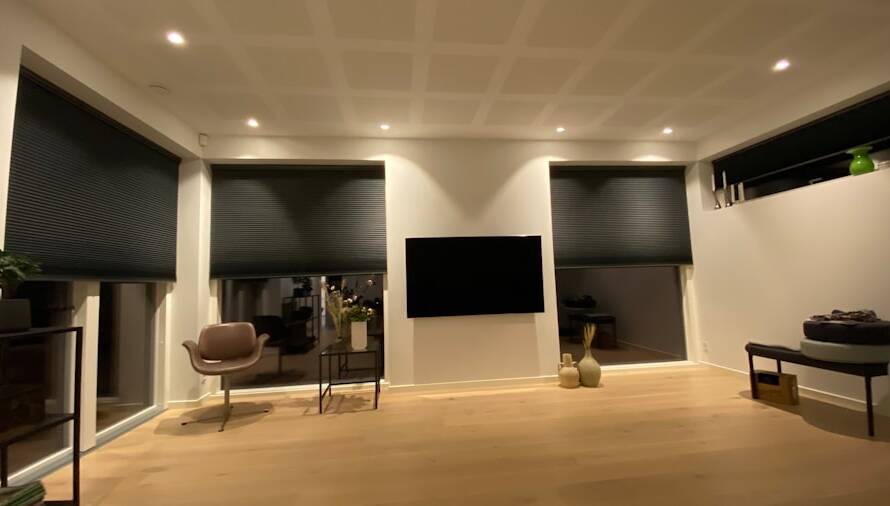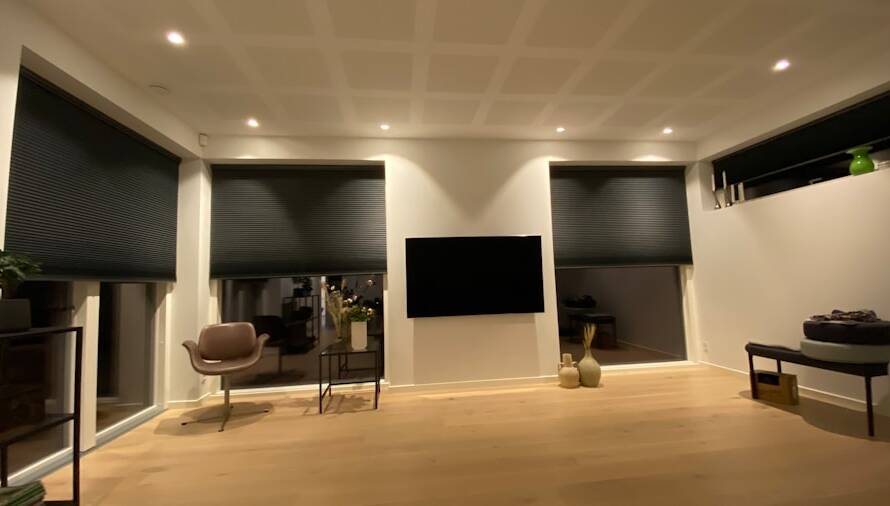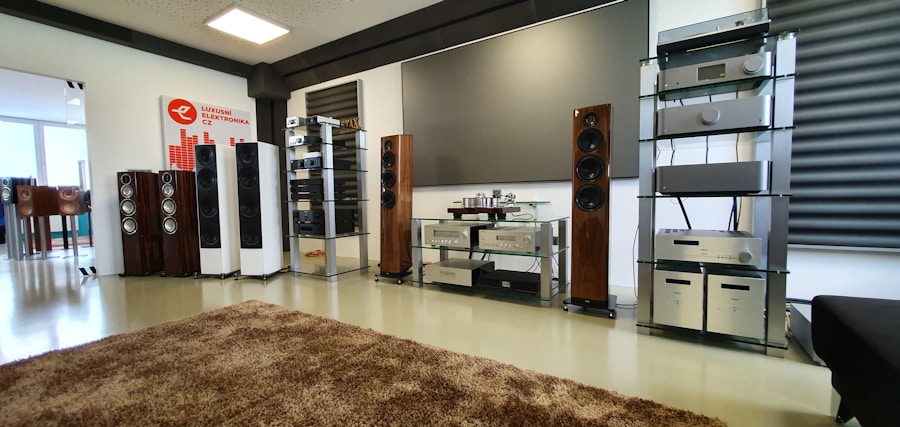
When embarking on the journey to create a home theater in your basement, the first step is to thoroughly understand the space you have available. Basements often present unique challenges and opportunities due to their layout, size, and inherent characteristics such as lighting and acoustics. For instance, many basements are characterized by lower ceilings and concrete walls, which can affect sound quality and overall ambiance.
It’s essential to take precise measurements of the area, noting any obstructions like support beams or ductwork that could impact seating arrangements or screen placement. Additionally, consider the natural light that enters the basement. Many basements are dimly lit, which can be advantageous for a home theater setup, as it allows for a more immersive viewing experience.
However, if your basement has windows, you may need to invest in blackout curtains or shades to control light levels during daytime viewing. The flooring material is another critical aspect; carpet can help absorb sound and reduce echo, while tile or concrete may require additional acoustic treatments to enhance sound quality. Understanding these elements will help you design a space that maximizes both comfort and performance.
Key Takeaways
- Understanding your basement space is crucial for determining the size and layout of your home theater system.
- When determining your audio and video needs, consider the size of the room, the number of speakers, and the type of screen you want.
- Researching receiver options is important to find the right one that meets your specific audio and video needs.
- Consider connectivity and compatibility when choosing a receiver to ensure it works with all of your devices and components.
- Evaluate power and performance to ensure your receiver can deliver the sound and video quality you desire for your home theater system.
Determining Your Audio and Video Needs
Assessing Your Home Theater Usage
Once you have a clear understanding of your basement space, the next step is to determine your audio and video needs. This involves assessing how you plan to use your home theater. Are you primarily interested in watching movies, gaming, or perhaps streaming live sports?
Different Activities, Different Setups
Each of these activities may require different audio and video setups. For instance, if you’re a cinephile who enjoys high-definition films, investing in a 4K projector or a large-screen OLED TV would be essential for an immersive viewing experience. Conversely, gamers might prioritize low input lag and high refresh rates, making certain display technologies more appealing.
A surround sound system can enhance the cinematic experience by providing directional audio that immerses viewers in the action. If you enjoy hosting movie nights with friends or family, consider a multi-channel audio setup that can fill the room with sound. Alternatively, if you prefer a more minimalist approach, soundbars have become increasingly sophisticated and can deliver impressive audio quality without the need for multiple speakers scattered throughout the room. Understanding your specific needs will guide you in selecting the right equipment that aligns with your entertainment habits.
Researching Receiver Options
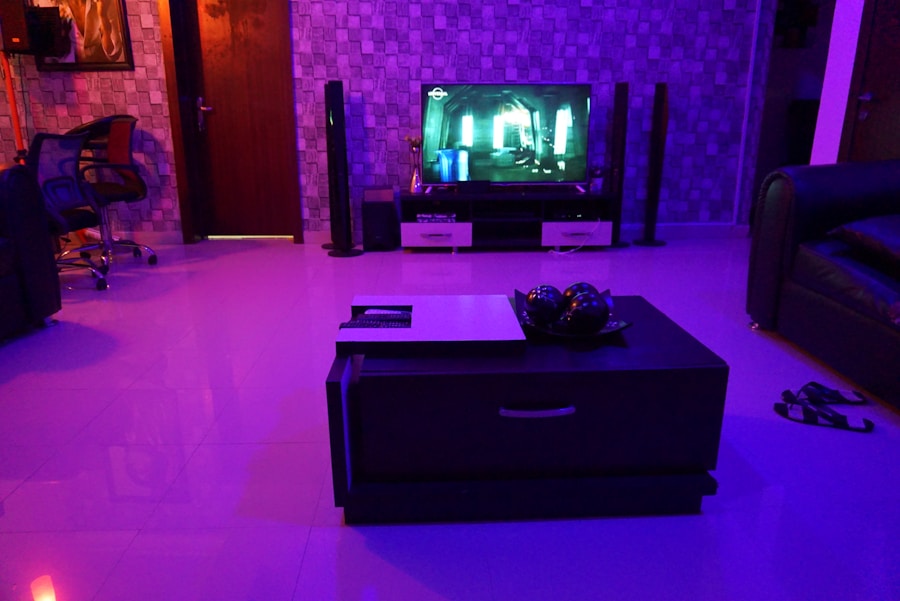
With a clear vision of your audio and video needs established, it’s time to delve into researching receiver options. The receiver is often considered the heart of a home theater system, serving as the central hub that connects all your devices—such as Blu-ray players, gaming consoles, and streaming devices—to your display and speakers. When exploring different models, it’s crucial to consider factors such as power output, number of channels, and supported audio formats.
For example, if you’re aiming for a 7.1 surround sound setup, ensure that the receiver can accommodate that configuration. Another important aspect to investigate is the receiver’s compatibility with various audio formats like Dolby Atmos or DTS:
These formats provide an immersive audio experience by adding height channels to traditional surround sound setups. Additionally, look for receivers that offer features like room calibration technology, which can automatically adjust settings based on your room’s acoustics for optimal sound quality. Reading reviews and comparing specifications across different brands will help you identify models that meet your requirements while also fitting within your budget.
Considering Connectivity and Compatibility
In today’s digital age, connectivity is a vital consideration when selecting a home theater receiver. The number and types of inputs available on the receiver will determine how many devices you can connect simultaneously without needing to swap cables frequently. HDMI ports are particularly important; look for receivers that offer multiple HDMI inputs with support for HDMI 2.1 if you plan to use next-generation gaming consoles or 4K HDR content.
Additionally, consider whether the receiver supports features like eARC (Enhanced Audio Return Channel), which allows for high-quality audio transmission from your TV back to the receiver. Compatibility with streaming services is another factor worth considering. Many modern receivers come equipped with built-in Wi-Fi or Bluetooth capabilities, enabling seamless streaming from devices like smartphones or tablets.
Some models even offer support for popular streaming platforms such as Spotify or Tidal directly through the receiver interface. This feature can enhance convenience and accessibility, allowing you to enjoy music or podcasts without needing additional equipment. Ensuring that your receiver can connect easily with all your devices will streamline your home theater experience.
Evaluating Power and Performance
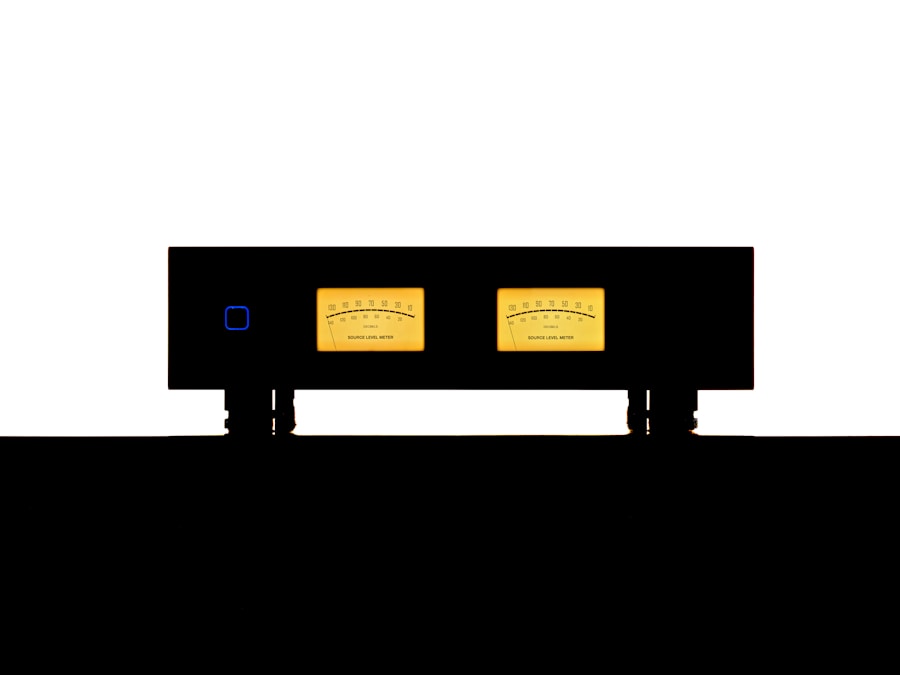
Power and performance are critical elements when selecting a home theater receiver, as they directly impact sound quality and overall system efficiency. The power output of a receiver is typically measured in watts per channel; higher wattage generally translates to better performance, especially in larger rooms where more power is needed to fill the space with sound. However, it’s essential to match the receiver’s power output with the specifications of your speakers to avoid potential damage or suboptimal performance.
Performance also encompasses factors such as distortion levels and dynamic range. A high-quality receiver should deliver clear audio without distortion at higher volumes, ensuring that dialogue remains intelligible even during action-packed scenes. Look for receivers that have been tested for their performance metrics in real-world scenarios rather than just relying on manufacturer specifications.
Additionally, consider how well the receiver handles different audio formats; some models excel in processing surround sound formats while others may struggle with complex audio tracks.
Budgeting for Your Home Theater Receiver
Budgeting is an integral part of any home theater project, and selecting a receiver is no exception. Home theater receivers can range significantly in price, from entry-level models that offer basic functionality to high-end units packed with advanced features and capabilities. Establishing a clear budget will help narrow down your options and prevent overspending on features you may not need.
It’s important to remember that while it may be tempting to opt for the cheapest option available, investing in a quality receiver can enhance your overall viewing experience and provide longevity. When budgeting, consider not only the cost of the receiver itself but also any additional expenses associated with setting up your home theater system. This may include speaker purchases, cables, mounting hardware, or even professional installation services if needed.
It’s wise to allocate funds for these ancillary costs upfront to avoid surprises later on. Additionally, keep an eye out for seasonal sales or promotions that may allow you to purchase higher-end models at discounted prices.
Seeking Expert Advice and Reviews
As you navigate the myriad of options available for home theater receivers, seeking expert advice and reading reviews can provide invaluable insights into which models may best suit your needs. Online forums dedicated to home theater enthusiasts often feature discussions about specific receivers, allowing users to share their experiences and recommendations based on real-world usage. Websites that specialize in audio and video equipment frequently publish detailed reviews that assess performance metrics, usability, and overall value.
Visiting local electronics stores can also be beneficial; knowledgeable staff can offer guidance based on their expertise and firsthand experience with various products. Many stores have demo setups where you can listen to different receivers paired with various speakers, giving you a tangible sense of how each model performs in practice. Engaging with both online communities and local experts will help you make an informed decision based on comprehensive feedback from multiple sources.
Making the Final Decision
After conducting thorough research and gathering insights from various sources, it’s time to make your final decision regarding your home theater receiver. This process should involve weighing all the information you’ve collected against your initial requirements and budget constraints. Consider creating a pros and cons list for each model you’re considering; this can help clarify which features are most important to you and which compromises you’re willing to make.
Once you’ve narrowed down your options, take some time to reflect on how each receiver aligns with your long-term goals for your home theater system. Will it accommodate future upgrades? Does it offer enough flexibility for different types of media?
Making a well-informed decision now can save you from potential regrets down the line as technology continues to evolve rapidly in the audio-visual landscape. Ultimately, choosing the right home theater receiver will enhance your entertainment experience for years to come, transforming your basement into a cinematic haven tailored to your preferences.
If you are considering remodeling your Brooklyn basement to create the perfect home theater space, you may want to check out this article on basementremodelingesg.com that provides tips on the construction process. Understanding the construction aspects of your basement can help you make informed decisions when choosing the best home theater receiver for your space.
FAQs
What factors should I consider when choosing a home theater receiver for my Brooklyn basement?
When choosing a home theater receiver for your Brooklyn basement, consider factors such as the size of the room, the number of speakers you plan to use, the types of audio and video inputs you need, and any specific features you desire, such as wireless connectivity or streaming capabilities.
What are the important features to look for in a home theater receiver for a Brooklyn basement?
Important features to look for in a home theater receiver for a Brooklyn basement include compatibility with the latest audio and video formats, sufficient power output for your speakers, support for multiple audio channels, and connectivity options such as HDMI, Bluetooth, and Wi-Fi.
How can I ensure that the home theater receiver fits in with the decor of my Brooklyn basement?
To ensure that the home theater receiver fits in with the decor of your Brooklyn basement, consider the size and design of the receiver, as well as any available color options. Some receivers also offer the option to hide or disguise the unit within a cabinet or entertainment center.
What are some popular home theater receiver brands known for quality and performance?
Some popular home theater receiver brands known for quality and performance include Denon, Yamaha, Onkyo, Sony, Marantz, and Pioneer. These brands offer a range of models with various features and price points to suit different needs and budgets.
Are there any specific considerations for setting up a home theater receiver in a Brooklyn basement?
When setting up a home theater receiver in a Brooklyn basement, consider factors such as the layout of the room, the placement of the speakers, and any potential issues with acoustics or sound isolation. It may also be important to consider the electrical and wiring requirements for the receiver and associated components.