


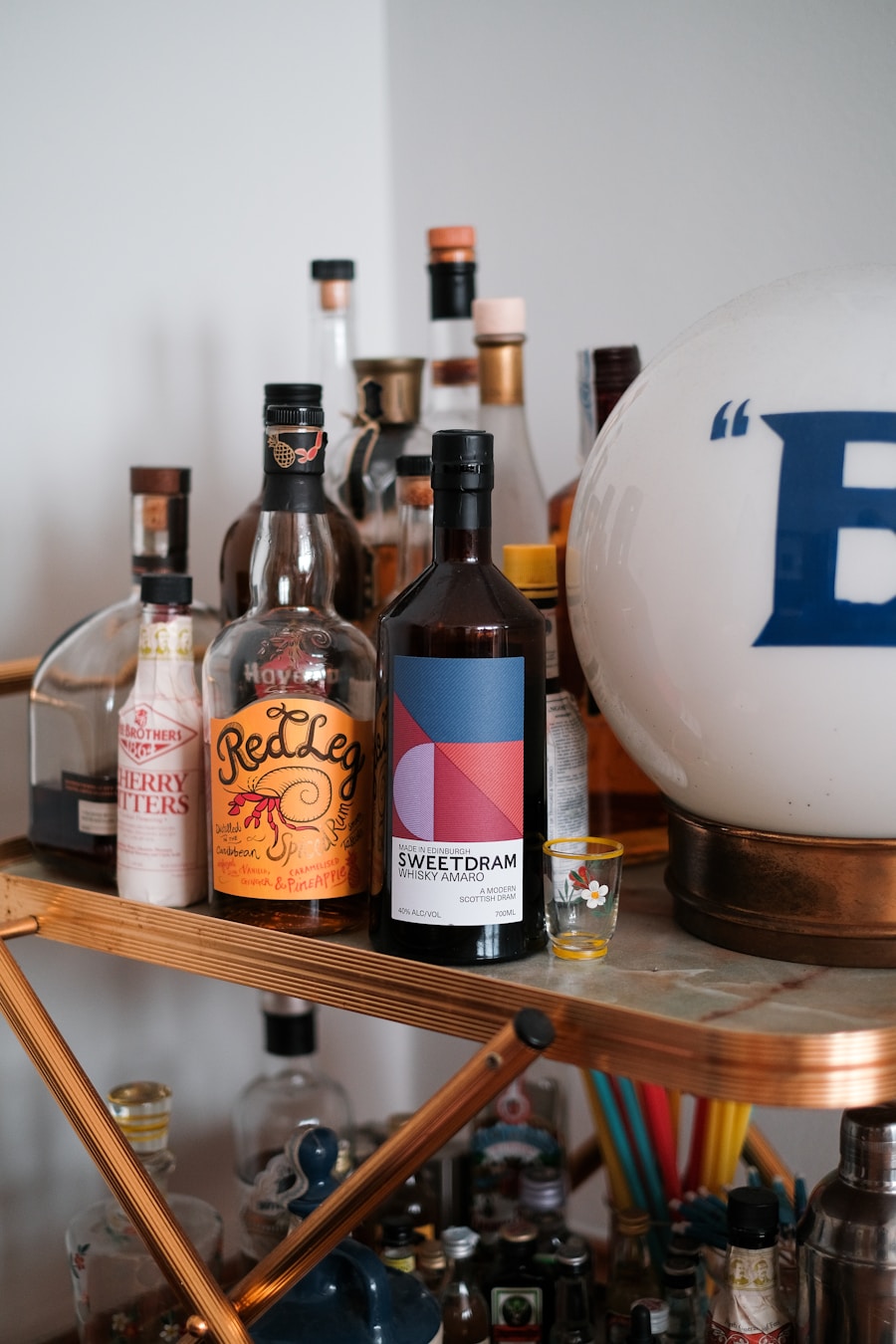
Before embarking on the journey of designing a home bar, the first step is to thoroughly assess the available space. This involves not only measuring the dimensions of the area but also considering its overall layout and how it integrates with the rest of the home.
For instance, a small nook might benefit from a compact bar cart, while a larger area could accommodate a full wet bar with ample seating. In addition to physical dimensions, it’s essential to evaluate the existing decor and architectural features of the space. Elements such as windows, doors, and built-in shelving can influence the design choices.
Natural light can enhance the ambiance of a bar area, making it feel more inviting. Conversely, if the space is dimly lit or lacks windows, incorporating additional lighting solutions will be necessary to create an appealing environment. Furthermore, considering the flow of movement within the space is vital; ensuring that guests can navigate comfortably around the bar without obstruction will enhance the overall experience.
Key Takeaways
- Assess the available space and consider the layout and flow for the bar area
- Choose a bar design that complements the overall aesthetic and theme of the space
- Maximize storage options with shelves, cabinets, and under-counter storage solutions
- Select bar furniture that is both functional and stylish, such as comfortable bar stools and a durable bar top
- Incorporate lighting and decor elements to create a welcoming and inviting atmosphere
Choosing the Right Bar Design
The design of the bar itself is a pivotal aspect that sets the tone for the entire space. There are various styles to consider, each with its unique characteristics and appeal. A classic wet bar, complete with a sink and storage for glassware and bottles, offers functionality and elegance.
This design often features rich wood finishes and traditional detailing, making it suitable for more formal settings. On the other hand, a minimalist bar design may focus on clean lines and modern materials such as stainless steel or glass, appealing to those who prefer a contemporary aesthetic. Another popular option is the home cocktail bar, which emphasizes creativity and mixology.
Incorporating a chalkboard or menu board can add a playful touch, allowing hosts to showcase their drink specials or seasonal offerings. Ultimately, the choice of bar design should reflect personal style while also considering how it will function within the space.
A well-thought-out design not only enhances usability but also serves as a focal point that draws guests in.
Maximizing Storage Options
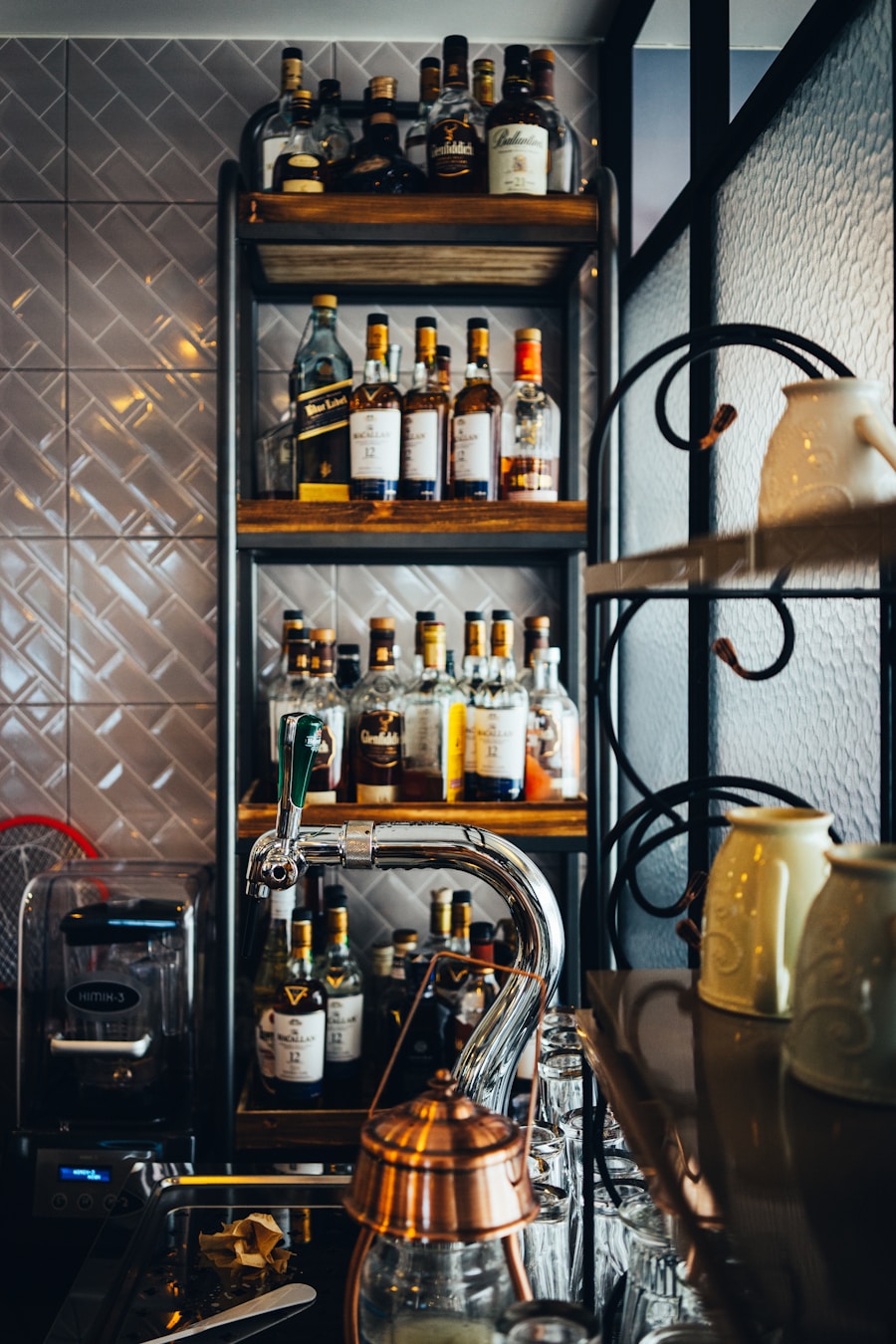
Effective storage solutions are essential for maintaining an organized and functional home bar. The right storage options can help keep bottles, glassware, and bar tools easily accessible while minimizing clutter. One popular approach is to utilize shelving units that can be customized to fit the available space.
Open shelving allows for easy visibility of items and can be styled with decorative elements such as plants or framed photos to enhance the overall aesthetic. In addition to open shelving, incorporating cabinets or drawers can provide concealed storage for less visually appealing items. For instance, a cabinet can house mixers, garnishes, and other supplies that may not be as attractive when displayed openly.
Additionally, utilizing vertical space by installing wall-mounted racks for wine glasses or hanging wine bottles can free up counter space while adding an artistic element to the design. Creative storage solutions not only improve functionality but also contribute to a polished and sophisticated look.
Selecting the Perfect Bar Furniture
Choosing the right furniture for a home bar is crucial in creating a comfortable and inviting environment. Bar stools are often a focal point in this regard; they should be both stylish and functional. When selecting bar stools, consider factors such as height, material, and comfort level.
For instance, stools with adjustable heights can accommodate different counter heights and user preferences. Upholstered stools may offer added comfort for longer gatherings, while metal or wooden stools can provide a more industrial or rustic feel. In addition to seating, incorporating tables into the bar area can enhance its functionality.
A small bistro table can create an intimate setting for two, while a larger communal table encourages social interaction among guests. The choice of table should complement the overall design theme of the bar; for example, a reclaimed wood table can add warmth to a rustic-themed bar, while a sleek glass table may suit a modern aesthetic. Ultimately, selecting furniture that balances style with comfort will ensure that guests feel welcome and relaxed.
Incorporating Lighting and Decor
Lighting plays a pivotal role in establishing the mood of a home bar. The right lighting can transform an ordinary space into an extraordinary one by creating an inviting atmosphere that encourages socializing. Layered lighting is often the most effective approach; combining ambient lighting with task and accent lighting can provide both functionality and visual interest.
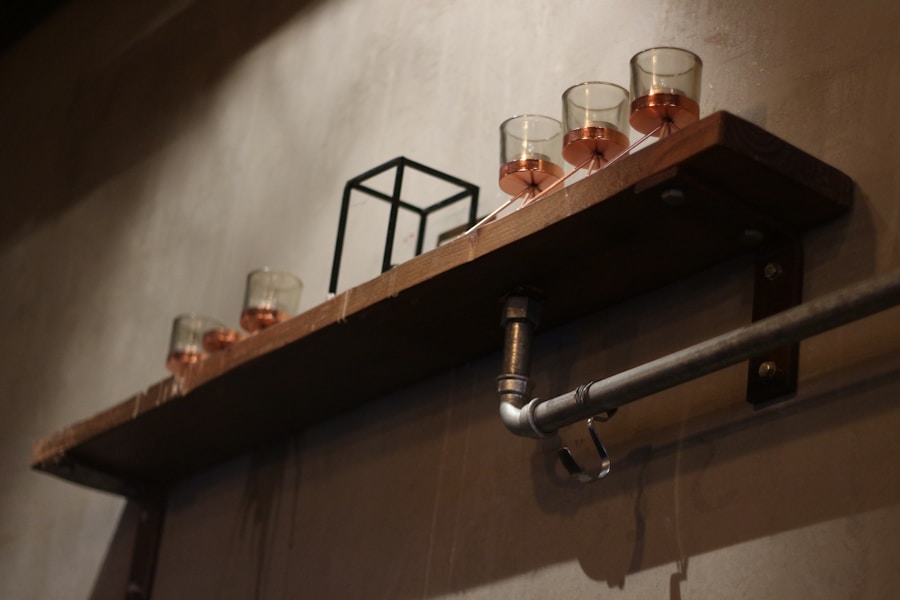
For instance, pendant lights above the bar counter can serve as both task lighting for mixing drinks and decorative elements that enhance the overall design. Decorative elements also contribute significantly to the ambiance of a home bar. Artwork, mirrors, and decorative bottles can add personality and flair to the space.
A well-placed mirror not only creates an illusion of depth but also reflects light, making the area feel more open and airy. Additionally, incorporating themed decor—such as vintage cocktail posters or unique glassware—can personalize the space and spark conversation among guests. Thoughtful decor choices elevate the overall experience by creating an environment that feels curated and intentional.
Adding Entertainment Features
Setting the Mood with Music
One popular addition is a sound system; integrating speakers or a Bluetooth setup allows for music to flow throughout the space, setting an enjoyable backdrop for gatherings.
Visual Entertainment Options
Another entertaining feature could be a television or projector setup for sports events or movie nights. Positioning a screen within view of the bar area ensures that guests can enjoy their favorite shows while sipping cocktails or enjoying snacks.
Interactive Fun
Additionally, games such as darts or poker tables can provide interactive entertainment options that encourage friendly competition among guests. By thoughtfully integrating entertainment features into the design, hosts can create an engaging atmosphere that keeps guests entertained throughout their visit.
Utilizing Multi-functional Furniture
In smaller spaces or when aiming for versatility, multi-functional furniture becomes invaluable in maximizing utility without sacrificing style. For instance, a bar cart can serve as both a mobile serving station and additional storage for bottles and glassware. This flexibility allows hosts to easily rearrange their setup based on the occasion or number of guests.
Another example is using ottomans or benches that double as storage units; these pieces can provide extra seating while discreetly housing items like blankets or board games for added entertainment options. Folding tables are also excellent choices for those who may need extra surface area during larger gatherings but want to maintain an open feel when not in use. By selecting multi-functional furniture pieces, homeowners can create adaptable spaces that cater to various needs without overwhelming their design.
Creating a Cozy and Inviting Atmosphere
The ultimate goal of any home bar is to create an inviting atmosphere where friends and family feel comfortable gathering together. Achieving this involves careful consideration of various elements that contribute to warmth and coziness. Textiles play an essential role; incorporating soft cushions on seating or plush throws can make the space feel more welcoming while encouraging guests to linger longer.
Additionally, incorporating natural elements such as plants or wood accents can enhance the overall ambiance by adding warmth and texture. Plants not only improve air quality but also bring life into the space; choosing low-maintenance varieties ensures that upkeep remains manageable. Furthermore, personal touches—such as family photos or travel souvenirs—can make the bar feel like an extension of one’s home rather than just another room.
Ultimately, creating a cozy atmosphere involves balancing aesthetics with comfort; thoughtful design choices combined with personal touches will ensure that guests feel at ease in this social hub of the home. By focusing on these elements during the design process, homeowners can cultivate an inviting environment that fosters connection and enjoyment among friends and family alike.
If you’re looking for more home improvement ideas beyond just designing a basement bar, check out this article on basementremodelingesg.com. They offer a variety of tips and tricks for transforming your space into something truly special. Whether you’re looking to update your basement bar or tackle a larger renovation project, this site has you covered.
FAQs
What are the key considerations when designing a basement bar for a small space in Brooklyn?
When designing a basement bar for a small space in Brooklyn, it’s important to consider the available space, the layout, the style and aesthetic, as well as any necessary permits and regulations.
What are some space-saving design ideas for a small basement bar in Brooklyn?
Some space-saving design ideas for a small basement bar in Brooklyn include utilizing wall-mounted shelves, opting for a compact bar counter, incorporating multifunctional furniture, and maximizing vertical space for storage.
What are some popular styles for basement bars in Brooklyn?
Some popular styles for basement bars in Brooklyn include industrial chic, rustic farmhouse, modern minimalist, and vintage speakeasy. These styles often reflect the unique character and history of Brooklyn.
Are there any specific regulations or permits required for building a basement bar in Brooklyn?
Yes, there are specific regulations and permits required for building a basement bar in Brooklyn. These may include obtaining a liquor license, adhering to building codes, and ensuring compliance with zoning regulations.
What are some tips for maximizing the functionality of a small basement bar in Brooklyn?
Some tips for maximizing the functionality of a small basement bar in Brooklyn include investing in efficient storage solutions, incorporating versatile seating options, and carefully planning the layout to optimize the use of space.

