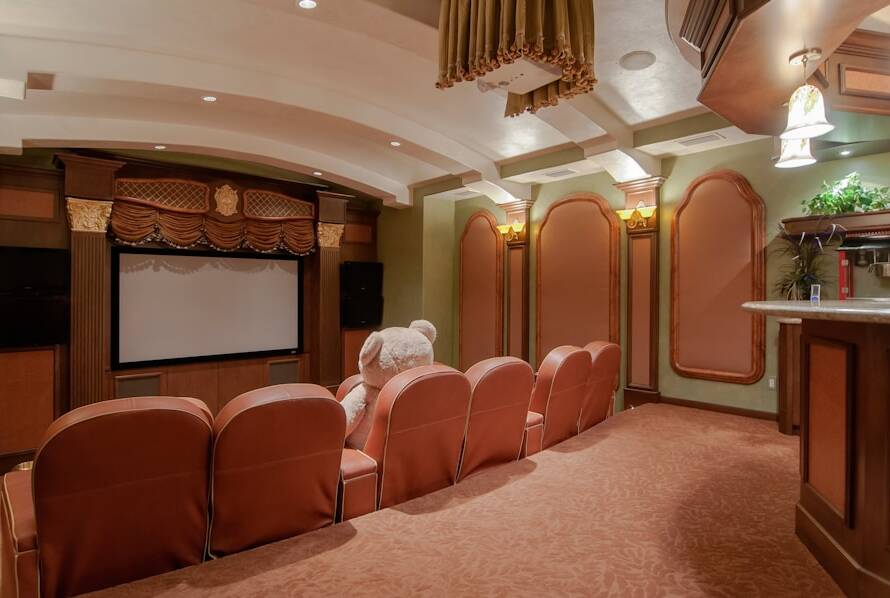
When it comes to creating the ultimate home theater experience, the choice between a projector and a TV screen is often one of the first decisions to make. Each option has its own set of advantages and disadvantages that can significantly impact the viewing experience. A projector, for instance, can create a larger-than-life image that can fill an entire wall, providing an immersive experience akin to that of a commercial cinema.
Modern projectors can deliver stunning 4K resolution and high dynamic range (HDR), which enhances color accuracy and contrast. This makes them particularly appealing for movie enthusiasts who crave a cinematic feel in their own homes. On the other hand, a TV screen offers its own unique benefits.
With advancements in technology, large flat-screen TVs now boast incredible picture quality, vibrant colors, and deep blacks, thanks to OLED and QLED technologies. They also come with the advantage of being easier to set up and maintain compared to projectors, which often require careful calibration and regular bulb replacements. Additionally, TVs are less affected by ambient light, making them a more practical choice for rooms that cannot be completely darkened.
Ultimately, the decision between a projector and a TV screen will depend on personal preferences, room size, and the desired viewing experience.
Key Takeaways
- Projector screens provide a larger and more immersive viewing experience compared to TV screens
- Surround sound systems enhance the audio experience and create a more realistic atmosphere
- Comfortable seating is essential for long movie or gaming sessions
- Blackout curtains help create a dark environment for better viewing and gaming experiences
- A media console or entertainment center keeps all your devices and media organized and easily accessible
- Gaming consoles add an extra layer of entertainment to your home theater setup
- Soundproofing materials help minimize sound leakage and create a more private and immersive experience
- A snack and drink area ensures that refreshments are easily accessible during movie or gaming sessions
Surround Sound System
A high-quality surround sound system is essential for any home theater setup, as it transforms the auditory experience and immerses viewers in the action on screen. A typical surround sound system consists of multiple speakers strategically placed around the room to create a three-dimensional sound environment. This setup usually includes a center channel speaker for dialogue clarity, front left and right speakers for music and sound effects, and rear speakers to provide ambient sounds that enhance realism.
Subwoofers are also crucial for delivering deep bass, adding impact to explosions or musical scores. When selecting a surround sound system, it’s important to consider factors such as room size and speaker placement. For larger rooms, a 7.1 or even 9.1 system may be appropriate, while smaller spaces might only require a 5.1 setup.
Wireless options are increasingly popular as they eliminate the need for cumbersome wiring, allowing for more flexible speaker placement without compromising sound quality. Additionally, many modern systems come equipped with advanced features like Dolby Atmos, which adds height channels for an even more immersive experience. Investing in a quality surround sound system can elevate movie nights and gaming sessions to new heights, making them truly unforgettable.
Comfortable Seating
Comfortable seating is a cornerstone of any home theater design, as it directly affects how long viewers can enjoy their favorite films or games without discomfort.
For instance, dedicated home theater seating often features built-in cup holders, adjustable headrests, and even massage functions to enhance relaxation during long viewing sessions.
These seats are designed with ergonomics in mind, ensuring that viewers maintain proper posture while being fully supported. In addition to individual seating options, the arrangement of seats plays a crucial role in the overall experience. A tiered seating layout can help ensure that everyone has an unobstructed view of the screen while also enhancing acoustics within the room.
Some homeowners opt for modular seating arrangements that can be reconfigured based on the number of guests or the type of event being hosted. Furthermore, incorporating soft textiles and plush cushions can add an extra layer of comfort while also contributing to the room’s aesthetic appeal. Ultimately, investing in comfortable seating is essential for creating an inviting atmosphere where family and friends can gather to enjoy entertainment together.
Blackout Curtains
To achieve the best possible viewing experience in a home theater, controlling ambient light is paramount. Blackout curtains serve as an effective solution for minimizing light intrusion from outside sources, such as streetlights or sunlight during the day. These specially designed curtains are made from thick, opaque materials that block out nearly all light when drawn closed.
This not only enhances picture quality by preventing glare but also creates a more immersive environment that allows viewers to become fully engrossed in the film or game. In addition to their functional benefits, blackout curtains can also contribute to the overall aesthetic of the home theater. They come in various styles, colors, and patterns, allowing homeowners to choose options that complement their decor while still serving their primary purpose.
Some curtains even come with thermal insulation properties, helping to regulate room temperature by keeping heat out during summer months and retaining warmth during winter. By investing in high-quality blackout curtains, homeowners can ensure that their home theater remains a comfortable and visually appealing space for all types of entertainment.
Media Console or Entertainment Center
A well-designed media console or entertainment center is essential for organizing all components of a home theater system while also enhancing its visual appeal. These pieces of furniture serve as the central hub for all media devices, including gaming consoles, Blu-ray players, streaming devices, and cable boxes. A good media console should provide ample storage space for these devices while also accommodating any additional accessories such as remote controls or gaming controllers.
When selecting a media console, it’s important to consider both functionality and style. Many modern consoles feature cable management systems that help keep wires organized and out of sight, contributing to a clean and uncluttered look. Additionally, some consoles come with built-in LED lighting or glass doors that allow users to showcase their devices while protecting them from dust.
The choice of materials—whether wood, metal, or glass—can also impact the overall aesthetic of the home theater. By carefully selecting a media console that meets both practical needs and design preferences, homeowners can create a cohesive look that enhances their entertainment space.
Gaming Console

For many home theater enthusiasts, gaming is an integral part of the overall experience. A gaming console not only provides access to a vast library of games but also serves as a multimedia hub for streaming services and online content. The latest generation of consoles—such as the PlayStation 5 and Xbox Series X—offers stunning graphics capabilities and fast load times that can elevate gaming sessions to new heights.
With support for 4K resolution and high frame rates, these consoles can deliver an immersive experience that rivals traditional gaming setups.
Many gamers also invest in high-quality gaming chairs designed specifically for long sessions of play, providing comfort and support during intense gameplay.
Furthermore, integrating gaming consoles into a surround sound system can create an unparalleled audio experience that brings games to life with rich soundscapes and dynamic effects. By incorporating a gaming console into their home theater setup, enthusiasts can enjoy not only movies but also interactive entertainment that engages them on multiple levels.
Soundproofing Materials
To create an optimal home theater environment, soundproofing materials are essential for minimizing noise pollution from outside sources while also preventing sound leakage from within the room. This is particularly important in multi-use spaces where family members may be engaged in different activities simultaneously. Soundproofing can be achieved through various methods such as adding acoustic panels to walls or ceilings, using soundproofing insulation within wall cavities, or installing specialized doors designed to block sound transmission.
Acoustic panels are particularly effective at absorbing sound waves and reducing echo within the room. These panels come in various designs and colors, allowing homeowners to choose options that fit their aesthetic preferences while still serving their functional purpose. Additionally, carpets or rugs can help dampen sound reflections from hard surfaces like tile or hardwood floors.
For those looking for more advanced solutions, mass-loaded vinyl barriers can be installed behind drywall to significantly reduce noise transfer between rooms. By investing in soundproofing materials, homeowners can create a dedicated space where they can enjoy movies and music without disturbing others or being disturbed themselves.
Snack and Drink Area
No home theater experience is complete without a designated snack and drink area that caters to cravings during movie nights or gaming marathons. This area can range from a simple cart stocked with popcorn and beverages to a fully equipped mini-bar complete with refrigerators and snack dispensers. The key is to create an inviting space where guests can easily access refreshments without interrupting the flow of entertainment.
Incorporating elements like popcorn machines or candy dispensers can add a fun touch while also providing classic movie snacks that enhance the viewing experience. For those who prefer healthier options, including fresh fruit or veggie trays can cater to diverse tastes while still keeping things convenient. Additionally, having a variety of drink options—ranging from soft drinks to adult beverages—can elevate gatherings with friends or family members.
By thoughtfully designing a snack and drink area within the home theater space, homeowners can ensure that everyone has what they need to enjoy their time together fully.
If you’re looking to design, renovate, and revitalize your home, you may want to check out this article on basementremodelingesg.com. It offers tips and ideas for transforming your space into a functional and stylish area. Whether you’re interested in creating a basement bar lounge or setting up a home theater, this article can provide valuable insights to help you achieve your goals.
FAQs
What are the essential equipment for a Brooklyn basement home theater setup?
The essential equipment for a Brooklyn basement home theater setup includes a high-definition projector, a projector screen, surround sound speakers, a receiver, streaming device or Blu-ray player, and comfortable seating.
What type of projector is recommended for a Brooklyn basement home theater setup?
A high-definition projector with at least 1080p resolution is recommended for a Brooklyn basement home theater setup to ensure a clear and crisp picture quality.
What size of projector screen is ideal for a Brooklyn basement home theater setup?
The size of the projector screen for a Brooklyn basement home theater setup depends on the available space, but a screen size of at least 100 inches is recommended for an immersive viewing experience.
What type of surround sound speakers are suitable for a Brooklyn basement home theater setup?
A 5.1 or 7.1 surround sound speaker system with a subwoofer is suitable for a Brooklyn basement home theater setup to create a cinematic audio experience.
What kind of receiver is necessary for a Brooklyn basement home theater setup?
A high-quality AV receiver with multiple HDMI inputs, 4K passthrough, and Dolby Atmos or DTS:X support is necessary for a Brooklyn basement home theater setup to connect and control all audio and video components.
What streaming device or Blu-ray player is recommended for a Brooklyn basement home theater setup?
A streaming device such as a Roku, Apple TV, or Amazon Fire TV, or a 4K Ultra HD Blu-ray player is recommended for a Brooklyn basement home theater setup to access a wide range of content in high definition.
What type of seating is ideal for a Brooklyn basement home theater setup?
Comfortable and reclining seating such as home theater recliners or sectional sofas with built-in recliners is ideal for a Brooklyn basement home theater setup to provide a cozy and enjoyable viewing experience.