Before embarking on the journey of installing a draft beer system, it is crucial to conduct a thorough assessment of your space and specific needs. The first step in this process involves evaluating the area where the draft system will be installed.
For instance, if you are planning to set up a draft beer system in a home bar, you will need to measure the available counter space, ensuring that there is enough room for the kegerator or tap tower, as well as any additional equipment like a CO2 tank or beer lines. In addition to physical space, it is essential to consider your consumption habits and the preferences of your guests. Are you a casual drinker who enjoys a variety of styles, or do you have a penchant for specific craft beers?
Understanding your drinking patterns will help you determine how many taps you need and what types of beer you want to serve. If you frequently host gatherings, you might want a multi-tap system that allows for a diverse selection, catering to different tastes. Conversely, if your consumption is more personal, a single-tap system may suffice.
Key Takeaways
- Assess your space and needs to determine the best location and size for your draft beer system
- Choose the right draft beer system based on factors such as space, budget, and desired beer selection
- Plan the installation process carefully to ensure proper setup and functionality of your draft beer system
- Select the best beer brands and styles to offer a diverse and appealing selection to your guests
- Maintain and clean your draft beer system regularly to ensure the quality and taste of your beer
- Understand local regulations and permits to ensure compliance with laws and regulations
- Create a comfortable and inviting atmosphere to enhance the enjoyment of your draft beer
- Enjoy and share your draft beer with friends and family to create memorable experiences and moments
Choosing the Right Draft Beer System
Selecting the Right Draft Beer System for Your Needs
Once you have assessed your space and needs, the next step is selecting the right draft beer system that aligns with your requirements. There are several types of draft systems available, each with its own advantages and disadvantages.
### Kegerators: A Great Option for Home Use
For instance, a kegerator is an excellent choice for home use, as it combines refrigeration with a draft system in a compact unit. Kegerators are available in various sizes and can accommodate different keg types, making them versatile for personal use.
### Direct Draw Systems: Ideal for Commercial Settings and Short Distances
On the other hand, if you are looking to serve beer in a commercial setting or at larger gatherings, a more robust system may be necessary. A direct draw system, which connects kegs directly to the tap lines, is ideal for short distances and can maintain optimal beer temperature and carbonation levels.
### Remote Draw Systems: Suitable for Larger Venues
Alternatively, a remote draw system allows for longer distances between the keg and tap, which can be beneficial in larger venues but requires additional considerations for insulation and temperature control. Understanding these options will help you make an informed decision that best suits your needs.
Planning the Installation Process

Planning the installation process is a critical step that requires careful consideration of various factors. First and foremost, it is essential to create a detailed layout of your draft beer system. This includes determining where each component will be placed, such as the kegerator or keg cooler, CO2 tank, and tap tower.
A well-thought-out layout not only ensures efficient use of space but also facilitates easy access for maintenance and cleaning. Additionally, consider the plumbing and electrical requirements for your draft beer system. If you are installing a kegerator, ensure that there is an electrical outlet nearby to power the unit.
For more complex systems, such as those requiring refrigeration or glycol cooling, you may need to consult with a professional plumber or electrician to ensure that all installations comply with local codes and regulations. Planning these aspects in advance will help streamline the installation process and prevent potential issues down the line.
Selecting the Best Beer Brands and Styles
With your draft beer system in place, it’s time to focus on selecting the best beer brands and styles to serve. The world of craft beer is vast and diverse, offering an array of flavors, aromas, and styles that can cater to any palate. When curating your selection, consider including a mix of popular styles such as IPAs, stouts, lagers, and sours to provide variety for your guests.
Moreover, sourcing local breweries can enhance your offerings while supporting your community. Many regions boast unique craft breweries that produce limited-edition beers or seasonal brews that can add an exciting twist to your draft lineup. For example, if you live in an area known for its hoppy IPAs, consider featuring a few standout options from local breweries alongside classic styles from well-known brands.
This approach not only showcases regional talent but also creates an engaging experience for those who appreciate local flavors.
Maintaining and Cleaning Your Draft Beer System
Maintaining and cleaning your draft beer system is paramount to ensuring optimal performance and quality of the beer served. Regular maintenance helps prevent issues such as foaming or off-flavors that can arise from dirty lines or improperly maintained equipment. A good rule of thumb is to clean your draft lines every two weeks if you are serving high volumes of beer or at least once a month for lighter usage.
The cleaning process typically involves using a specialized cleaning solution designed for draft systems. Disconnecting the beer lines from the taps and running the cleaning solution through them will help remove any buildup of yeast or bacteria that can affect taste. Additionally, it’s important to regularly check components such as CO2 tanks for leaks and ensure that all connections are secure.
By establishing a routine maintenance schedule, you can prolong the life of your equipment while ensuring that every pour is fresh and flavorful.
Understanding Local Regulations and Permits
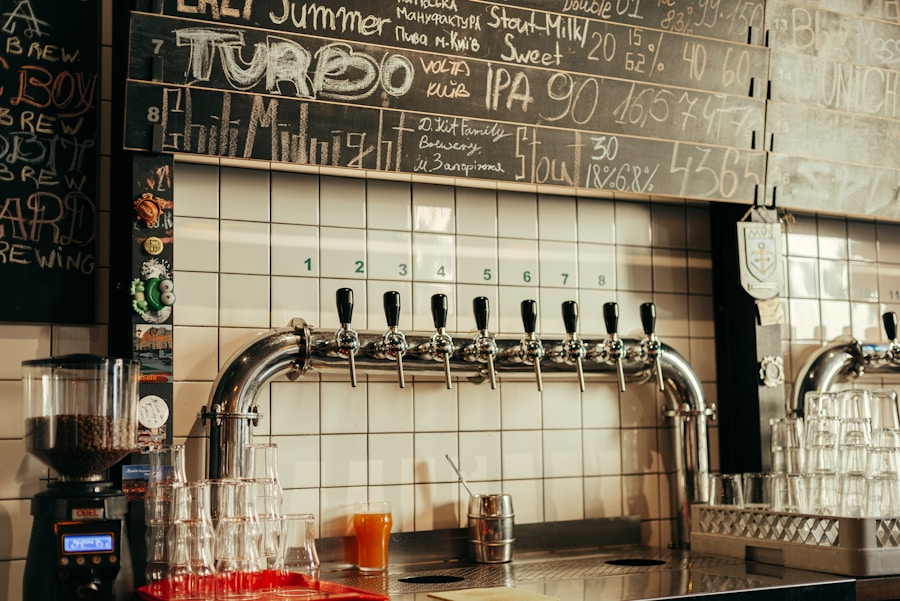
Before setting up your draft beer system, it is essential to familiarize yourself with local regulations and permits related to alcohol service. Depending on your location, there may be specific laws governing the sale and distribution of alcohol that you must adhere to. For instance, if you plan to serve beer at public events or in a commercial setting, obtaining the necessary licenses from local authorities is crucial.
In many jurisdictions, there are different types of permits based on whether you are serving alcohol on-premises or off-premises. On-premises permits typically apply to bars and restaurants where customers consume alcohol on-site, while off-premises permits are required for retail establishments selling packaged alcohol for consumption elsewhere. Understanding these distinctions will help ensure compliance with local laws and avoid potential fines or legal issues.
Creating a Comfortable and Inviting Atmosphere
Creating a comfortable and inviting atmosphere is key to enhancing the overall experience of enjoying draft beer with friends and family. The ambiance of your space can significantly influence how guests perceive their drinking experience. Consider elements such as lighting, seating arrangements, and decor when designing your space.
Soft lighting can create a warm and welcoming environment, while comfortable seating encourages guests to linger longer over their drinks. Incorporating elements like bar stools or lounge chairs can enhance comfort levels while also providing an aesthetic appeal. Additionally, consider adding personal touches such as artwork or memorabilia related to beer culture or local breweries to create a unique atmosphere that reflects your personality.
Enjoying and Sharing Your Draft Beer with Friends and Family
The ultimate goal of installing a draft beer system is to enjoy and share quality brews with friends and family. Hosting gatherings centered around beer tasting can be an enjoyable way to introduce guests to new flavors while fostering camaraderie among attendees. Consider organizing themed events where guests can sample different styles or participate in blind tastings to guess flavors.
Moreover, sharing knowledge about the beers being served can enhance the experience for everyone involved. Discussing flavor profiles, brewing techniques, or even stories behind local breweries can spark engaging conversations among guests. By creating an inviting environment where people feel comfortable exploring new tastes together, you not only elevate their experience but also cultivate lasting memories centered around good company and great beer.
If you’re looking to renovate your basement bar in Brooklyn, you may want to consider checking out Innovative Home Solutions for a Modern Lifestyle. This article offers creative ideas and solutions for updating your home to fit a more contemporary aesthetic, which could be helpful when adding a draft beer system to your basement bar. By incorporating modern design elements and innovative solutions, you can create a stylish and functional space for entertaining guests.
FAQs
What are the benefits of adding a draft beer system to a basement bar?
Adding a draft beer system to a basement bar allows for a more professional and convenient way to serve beer to guests. It also provides a wider variety of beer options and can save money in the long run compared to buying individual bottles or cans.
What equipment is needed to install a draft beer system in a basement bar?
The basic equipment needed for a draft beer system includes a kegerator or keezer, CO2 tank, beer lines, faucets, and keg couplers. Additional accessories such as drip trays, cleaning kits, and keg storage may also be necessary.
What are the steps to install a draft beer system in a basement bar?
The steps to install a draft beer system in a basement bar include choosing the location for the kegerator, setting up the CO2 tank and regulator, connecting the beer lines and faucets, and testing the system for leaks and proper functionality.
How do you maintain a draft beer system in a basement bar?
Maintaining a draft beer system involves regular cleaning of the beer lines, faucets, and kegerator to prevent buildup of bacteria and mold. It also includes monitoring CO2 levels and ensuring proper storage and handling of kegs.
What are some common issues that can arise with a draft beer system in a basement bar?
Common issues with a draft beer system include foamy beer, off-flavors, leaks in the system, and inconsistent pouring. These issues can often be resolved through proper cleaning and maintenance, as well as adjusting CO2 levels and temperature settings.