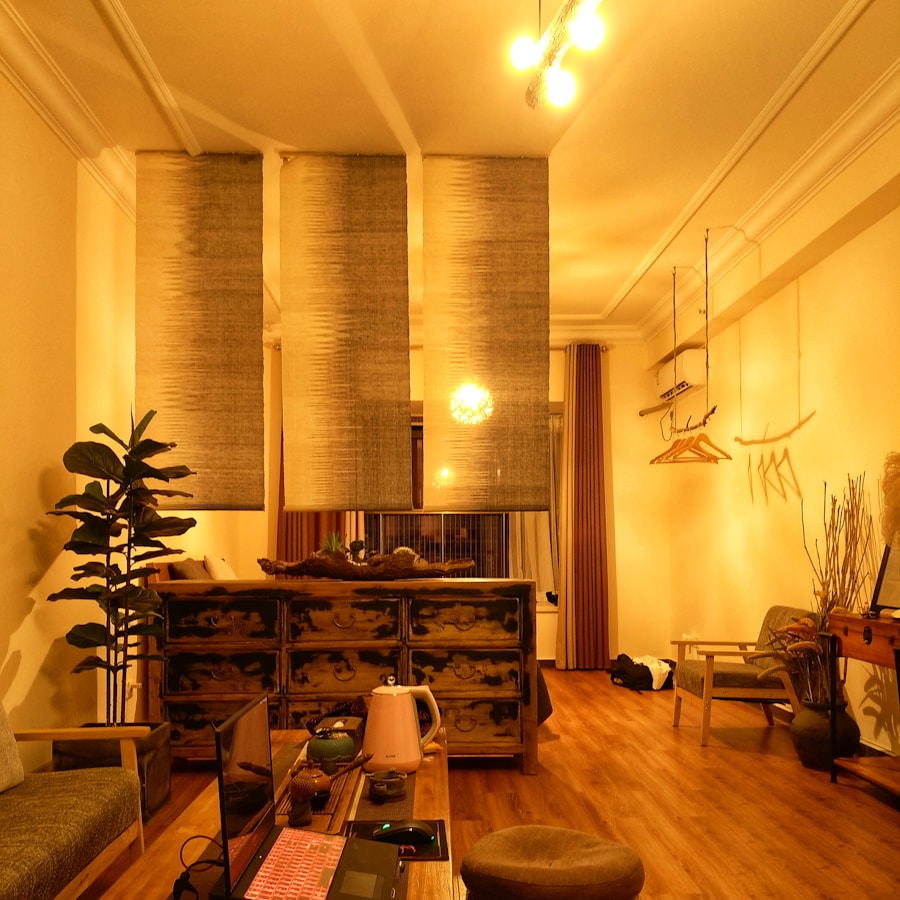
When embarking on a basement renovation or design project, the first step is to thoroughly assess the size and layout of the space. Basements often come with unique architectural features, such as low ceilings, support beams, and irregular shapes, which can influence how the area is utilized. Measuring the dimensions of the basement is crucial; this includes not only the length and width but also the height of the ceilings.
Understanding these measurements allows for a more informed approach to design, ensuring that any furniture or fixtures selected will fit comfortably within the space. In addition to measuring, it’s essential to consider the existing layout and how it can be optimized. For instance, if there are windows or bulkheads, these elements can dictate where furniture should be placed or how lighting can be arranged.
A well-thought-out floor plan can enhance the flow of movement within the basement, making it feel more spacious and functional. It may be beneficial to sketch out different configurations or use design software to visualize how various layouts will work in practice. This initial assessment sets the foundation for a successful transformation, allowing homeowners to make informed decisions that align with their vision for the space.
Key Takeaways
- Assess the size and layout of your basement to understand the space you have to work with.
- Create a cozy and inviting atmosphere with the right lighting and color scheme.
- Maximize space and comfort with the right furniture and layout.
- Make the most of limited space by incorporating storage solutions.
- Infuse your personality into the design by adding personal touches to the basement.
Lighting and Color Scheme: Creating a Cozy and Inviting Atmosphere
Lighting plays a pivotal role in establishing the ambiance of a basement. Given that many basements lack natural light, it becomes imperative to incorporate various lighting sources to create a warm and inviting atmosphere. Layered lighting is an effective strategy; this involves combining ambient lighting, task lighting, and accent lighting.
For example, recessed lighting can provide general illumination, while floor lamps or table lamps can offer softer, localized light for reading or relaxing. Additionally, strategically placed wall sconces can add character and depth to the space. The color scheme chosen for a basement can significantly impact its overall feel.
Lighter colors tend to make a space feel larger and more open, while darker hues can create a cozy, intimate environment. Soft neutrals like beige or light gray can serve as a perfect backdrop, allowing for colorful accents through furniture or decor. Alternatively, deeper shades such as navy blue or forest green can evoke a sense of sophistication and warmth when paired with appropriate lighting.
It’s essential to consider how colors interact with the available light sources; testing paint samples in different areas of the basement at various times of day can help determine which shades will work best.
Furniture and Layout: Maximizing Space and Comfort
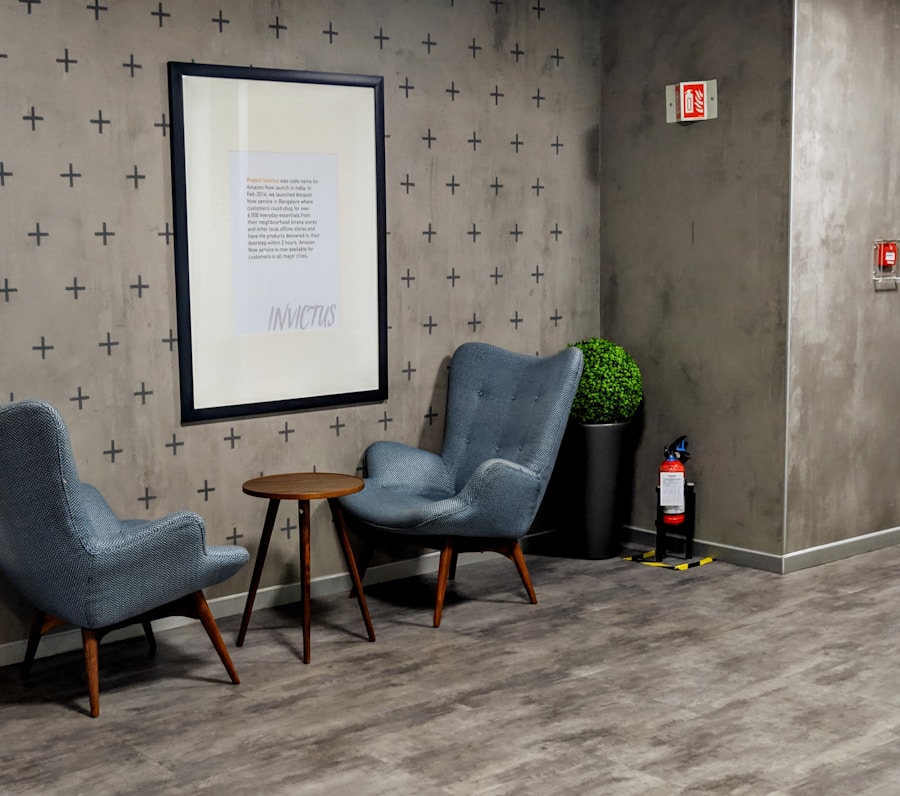
Selecting the right furniture is crucial for maximizing both space and comfort in a basement. Given that basements often have limited square footage, opting for multi-functional pieces can be particularly advantageous. For instance, a sofa bed can serve as both seating during the day and a sleeping area for guests at night.
Similarly, ottomans with hidden storage can provide extra seating while also keeping clutter at bay. When choosing furniture, it’s important to consider scale; oversized pieces can overwhelm a small basement, while appropriately sized items will create a more balanced look. The layout of furniture should promote easy movement throughout the space while also creating distinct areas for different activities.
For example, if the basement is intended to serve as both a lounge area and a game room, arranging seating in a way that encourages conversation while leaving ample room for gaming activities is essential. Using area rugs can help define these spaces visually without the need for physical barriers.
Incorporating Storage Solutions: Making the Most of Limited Space
Basements often serve as catch-all spaces for items that don’t have a designated home elsewhere in the house. Therefore, incorporating effective storage solutions is vital for maintaining organization and maximizing functionality. Built-in shelving units can be an excellent way to utilize vertical space while providing ample room for books, decorative items, or storage bins.
Custom cabinetry can also be designed to fit snugly into corners or under stairs, making use of otherwise wasted areas. In addition to built-in options, utilizing furniture with built-in storage capabilities can further enhance organization. Coffee tables with drawers or benches that open up for storage are practical choices that blend seamlessly into the design of the room.
Labeling storage bins and boxes can also help keep items organized and easily accessible.
Adding Personal Touches: Infusing Your Personality into the Design
A basement should reflect the personality and interests of its inhabitants, making it essential to incorporate personal touches into the design. This could include displaying artwork that resonates with you or showcasing collections that tell your story. For instance, if you’re an avid traveler, consider creating a gallery wall featuring photographs from your adventures or maps of places you’ve visited.
Such elements not only personalize the space but also serve as conversation starters when entertaining guests. Textiles also play a significant role in adding warmth and character to a basement. Throw pillows, blankets, and area rugs in colors or patterns that resonate with your style can enhance comfort while contributing to the overall aesthetic.
Additionally, incorporating plants or greenery can breathe life into the space; even low-light indoor plants like snake plants or pothos thrive in basement conditions. By thoughtfully curating these personal touches, you create an environment that feels uniquely yours.
Choosing the Right Flooring: Durable and Stylish Options for Basements
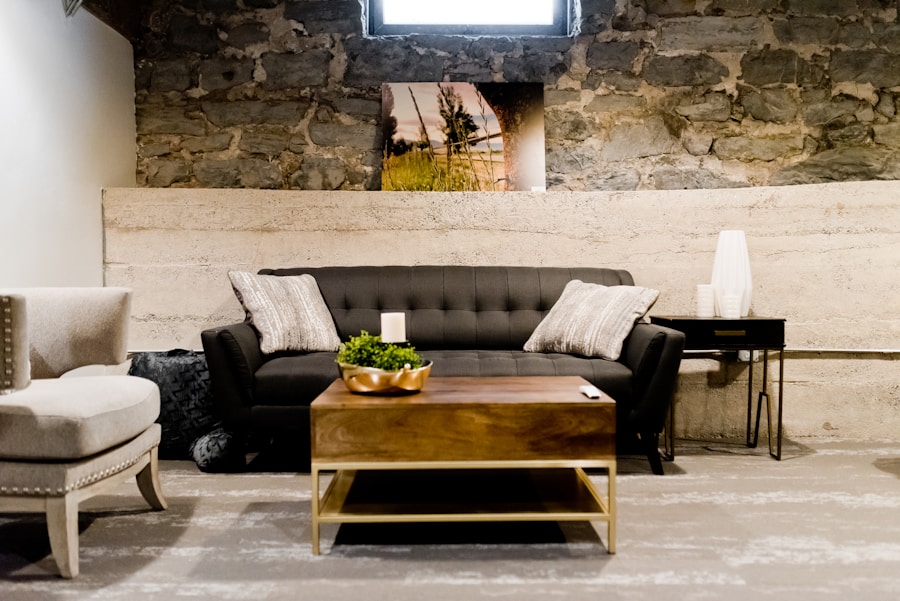
Water-Resistant Options
Luxury vinyl plank (LVP) has become a popular choice for basement flooring due to its water-resistant properties and ability to mimic hardwood flooring without the associated maintenance concerns. It is available in various styles and colors, allowing homeowners to achieve their desired look while ensuring longevity.
Tile Flooring: A Sleek and Contemporary Option
Tile flooring is another great option for basements, as it is inherently moisture-resistant and comes in an array of designs, from classic ceramic tiles to modern porcelain options. Tiles can create a sleek and contemporary look while being easy to clean and maintain.
Adding Warmth with Area Rugs
For those who prefer warmth underfoot, consider using area rugs over hard surfaces. This not only adds comfort but also allows for easy updates as trends change over time.
Considering Soundproofing: Minimizing Noise for a Relaxing Environment
Basements often serve as entertainment spaces or quiet retreats; therefore, soundproofing should be a key consideration in their design. The inherent structure of basements—often surrounded by concrete—can amplify sound rather than dampen it. To create a more peaceful environment, various soundproofing techniques can be employed.
One effective method is to use acoustic panels on walls; these panels absorb sound waves and reduce echo within the space. Additionally, insulating walls with soundproofing materials during renovations can significantly minimize noise transfer from other areas of the home or outside sources. Carpeting or area rugs also contribute to sound absorption by reducing footfall noise and creating a softer atmosphere overall.
By prioritizing soundproofing measures, homeowners can ensure their basements remain tranquil spaces conducive to relaxation or entertainment.
Creating a Functional Entertainment Area: Setting Up a Home Theater or Game Room
Transforming part of your basement into an entertainment area can greatly enhance its functionality and enjoyment factor. Whether you envision a cozy home theater or an engaging game room, careful planning is essential to create an inviting atmosphere that caters to your entertainment needs. For a home theater setup, consider investing in comfortable seating options such as recliners or sectional sofas arranged for optimal viewing angles toward a large screen or projector setup.
Incorporating blackout curtains can also enhance the viewing experience by minimizing glare from any windows. For those leaning towards a game room concept, versatility is key; including various gaming options—such as pool tables, arcade machines, or board game stations—can cater to different interests and age groups. Ensuring there’s adequate lighting for each activity area will enhance usability while maintaining an inviting ambiance throughout the space.
Additionally, integrating technology such as surround sound systems or smart home features can elevate the entertainment experience further, making your basement a go-to destination for family gatherings or movie nights with friends.
If you’re looking to transform your basement into a stylish lounge in Brooklyn, you may want to consider checking out the services offered by Basement Remodeling ESG. They have a shop where you can find all the necessary materials and furniture to create the perfect space. Additionally, you can request a quote for your project on their website to get an idea of the cost involved. For more information on how to get started on your basement renovation, visit Basement Remodeling ESG.
FAQs
What are some essential tips for designing a basement lounge in Brooklyn?
Some essential tips for designing a basement lounge in Brooklyn include maximizing natural light, choosing the right flooring, creating a cozy atmosphere, and incorporating storage solutions.
How can I maximize natural light in a basement lounge?
To maximize natural light in a basement lounge, consider installing larger windows or adding a window well to bring in more sunlight. Additionally, using light-colored paint and strategically placing mirrors can help reflect light and make the space feel brighter.
What type of flooring is best for a basement lounge in Brooklyn?
For a basement lounge in Brooklyn, it’s best to choose moisture-resistant flooring such as vinyl, laminate, or engineered hardwood. These options are durable and can withstand the humidity often found in basements.
How can I create a cozy atmosphere in a basement lounge?
To create a cozy atmosphere in a basement lounge, consider adding plush seating, soft lighting, and warm, inviting colors. Incorporating area rugs, throw pillows, and blankets can also help make the space feel cozy and inviting.
What are some storage solutions for a basement lounge in Brooklyn?
Some storage solutions for a basement lounge in Brooklyn include built-in shelving, under-stair storage, and multi-functional furniture such as ottomans or coffee tables with hidden storage compartments. These options can help maximize space and keep the lounge organized.