


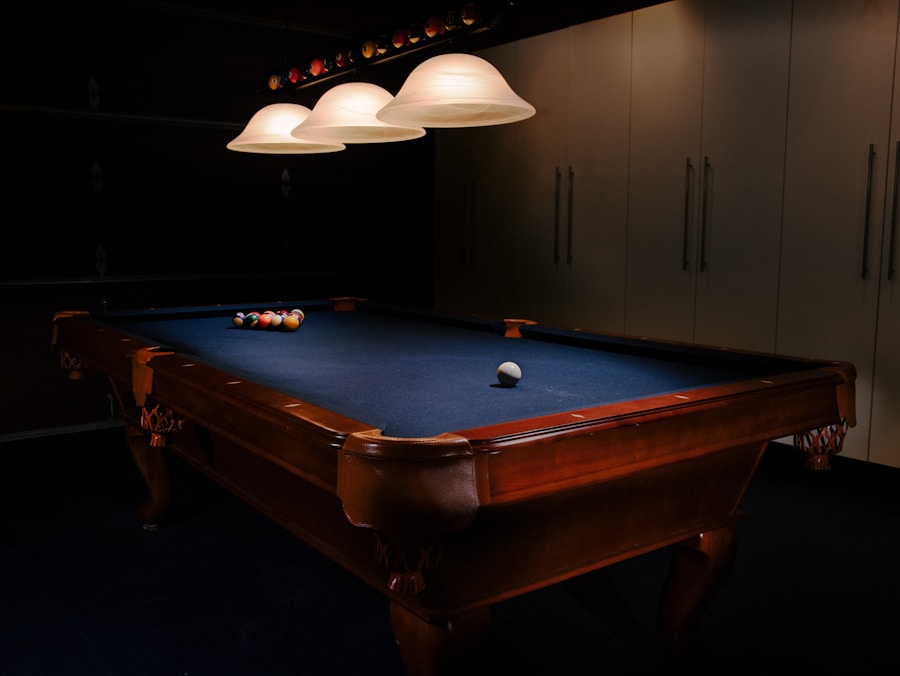
Before embarking on the journey of transforming a basement into a game room, the first step is to thoroughly assess the available space. This involves not only measuring the dimensions of the area but also considering factors such as ceiling height, natural light sources, and existing structural elements. A basement often presents unique challenges, such as low ceilings or support beams that can obstruct movement.
Therefore, it is crucial to take precise measurements of the length, width, and height of the room to ensure that any furniture or equipment fits comfortably without making the space feel cramped. Additionally, evaluating the overall condition of the basement is essential. Check for any signs of moisture or water damage, as these issues can lead to mold growth and compromise the integrity of your game room.
If necessary, invest in waterproofing solutions or dehumidifiers to create a dry and inviting environment. Consider the flooring as well; if it’s concrete, you might want to add rugs or carpeting for warmth and comfort. The goal is to create a welcoming atmosphere that encourages relaxation and enjoyment, so take the time to envision how the space will function and flow once it is fully furnished.
Key Takeaways
- Assess the available space in your basement to determine the best location for your game room
- Consider the size and style of pool table that will fit comfortably in your space and complement your design aesthetic
- Plan the layout of your game room to ensure there is enough space for players to move around the pool table
- Choose appropriate lighting and decor to create a welcoming and functional game room atmosphere
- Select comfortable seating options for players and spectators to enjoy the game room experience
Choosing the Right Pool Table:
Size Matters
The most common sizes are 7-foot, 8-foot, and 9-foot tables, with 8-foot tables being the most popular for home use due to their balance between playability and space requirements. When choosing a size, consider how much room you have for cueing; ideally, you should have at least five feet of clearance around the table to allow for comfortable shot-making.
Style and Aesthetics
Beyond size, the style of the pool table should complement the overall design of your game room. Traditional tables often feature ornate woodwork and classic felt colors, while modern designs may incorporate sleek lines and contemporary materials.
Quality and Performance
Additionally, consider the playing surface; professional-grade tables typically use slate for a smooth playing experience, while less expensive options may use MDF or particle board. Investing in a high-quality table can enhance gameplay and longevity, making it a worthwhile consideration for avid players.
Designing the Layout:
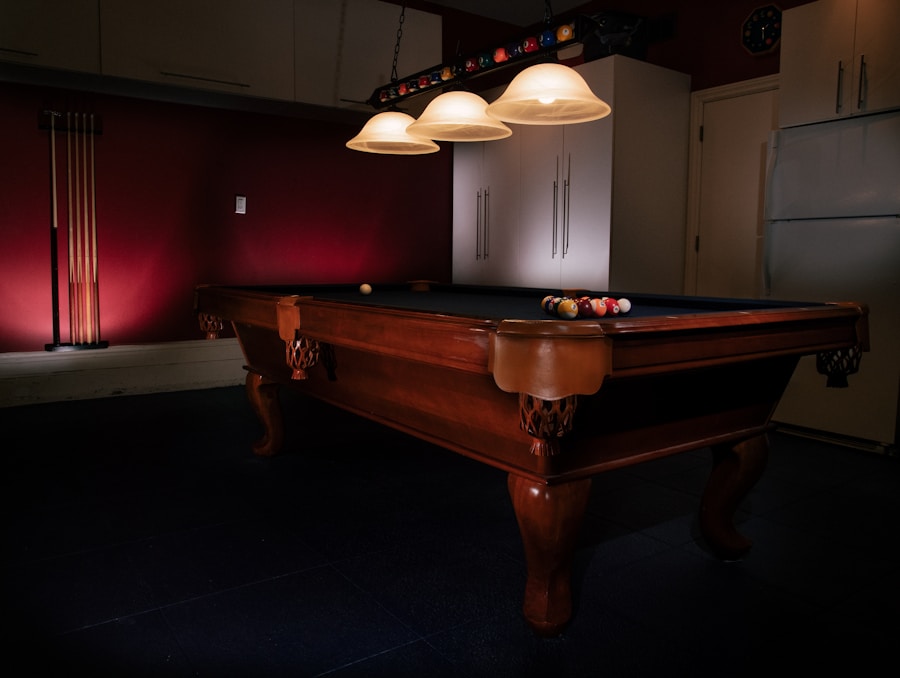
Once you have assessed your space and chosen a pool table, the next step is to design an effective layout for your game room. The arrangement of furniture and equipment can significantly impact both functionality and aesthetics. Start by placing the pool table in a central location where it can be easily accessed from all sides.
In addition to the pool table, consider incorporating other gaming elements such as a dartboard, foosball table, or arcade games. These can be positioned along walls or in corners to maximize space utilization.
It’s also important to think about traffic flow; pathways should be clear to avoid congestion during gameplay. Creating distinct zones within the room can enhance its functionality; for example, designate one area for billiards and another for lounging or socializing. This thoughtful layout will not only improve gameplay but also create an inviting atmosphere for gatherings.
Lighting and Decor:
Lighting plays a crucial role in setting the mood and functionality of your game room. A well-lit space enhances visibility for gameplay while also creating an inviting ambiance for socializing. Consider installing overhead lighting specifically designed for pool tables; these fixtures often feature shades that direct light onto the playing surface while minimizing glare.
Pendant lights or chandeliers can add a touch of elegance and style, but ensure they are hung at an appropriate height to avoid interference with gameplay. In addition to functional lighting, decorative elements can significantly enhance the overall aesthetic of your game room. Wall art featuring vintage pool posters or framed photographs of famous players can add character and personality to the space.
Incorporating a color scheme that complements your pool table and furniture can create a cohesive look. Accessories such as cue racks, chalk holders, and even themed decor can further personalize your game room, making it a reflection of your interests and style.
Creating a Comfortable Seating Area:
A comfortable seating area is essential for any game room, providing a space for players and spectators to relax between games or socialize during gatherings. When selecting seating options, prioritize comfort and style; plush sofas or lounge chairs can create an inviting atmosphere while also accommodating larger groups. Consider modular seating arrangements that can be easily reconfigured based on the number of guests or activities taking place.
Incorporating side tables or coffee tables into your seating area can enhance functionality by providing surfaces for drinks and snacks. If space allows, consider adding bar stools around a small bar or counter area where guests can enjoy refreshments while watching games in progress. Additionally, think about incorporating soft textiles such as throw pillows or blankets to add warmth and comfort to the seating area.
This thoughtful approach will ensure that your game room is not only functional but also a cozy retreat for friends and family.
Setting Up the Game Room:

With all elements in place, it’s time to set up your game room for optimal enjoyment. Begin by arranging all gaming equipment according to your previously designed layout. Ensure that everything is easily accessible and organized; this includes cue sticks, balls, chalk, and any other accessories needed for gameplay.
Consider investing in storage solutions such as cabinets or shelves to keep everything tidy and within reach. Once everything is set up, take a moment to test out the space. Play a few games with friends or family to see how well everything flows together.
Pay attention to any potential issues such as lighting glare on the pool table or seating arrangements that may hinder movement. This trial run will allow you to make any necessary adjustments before fully committing to your design choices. The goal is to create an environment that fosters enjoyment and camaraderie among players.
Maintaining the Pool Table:
Maintaining your pool table is essential for ensuring its longevity and optimal performance. Regular upkeep not only preserves its appearance but also enhances gameplay quality over time. Start by keeping the playing surface clean; use a soft brush or cloth to remove dust and debris after each use.
Avoid using harsh chemicals that could damage the felt; instead, opt for specialized cleaners designed for pool tables. Additionally, pay attention to the condition of the felt itself; if it becomes worn or damaged over time, consider re-felting it to maintain smooth gameplay. Inspect the cushions around the table regularly; they should be firm and responsive to ensure accurate ball rebound.
Finally, check the level of the table periodically; an uneven surface can lead to frustrating gameplay experiences. By investing time in maintenance, you’ll ensure that your pool table remains a centerpiece of enjoyment in your game room for years to come.
Enjoying Your New Basement Lounge:
With everything set up and maintained, it’s time to fully enjoy your new basement lounge. Invite friends over for game nights filled with friendly competition and laughter.
The versatility of your game room allows it to serve as both a recreational area and a social hub where memories are made. As you spend time in your newly created lounge, take note of how it evolves with your lifestyle. You may find yourself hosting more gatherings or simply enjoying quiet evenings with family over a game of pool.
The ambiance you’ve crafted will foster connections and create lasting memories within this unique space in your home. Embrace every moment spent in your basement lounge; it’s not just about playing games but also about building relationships and enjoying life’s simple pleasures together.
If you’re looking to add a pool table to your Brooklyn basement lounge, you may also be interested in learning more about expert basement finishing services. This article from basementremodelingesg.com provides valuable information on how to transform your basement into a functional and stylish living space. By incorporating retro styles into modern homes, you can create a unique and inviting atmosphere for your pool table and other entertainment features. Check out basementremodelingesg.com for more inspiration on designing your Brooklyn basement lounge.
FAQs
What are the standard dimensions of a pool table?
The standard dimensions of a pool table are 7 feet, 8 feet, and 9 feet in length, with a width of approximately half the length.
What are the space requirements for a pool table in a basement lounge?
To ensure comfortable play, it is recommended to have a minimum of 5 feet of clearance around the pool table. This means that for a standard 7-foot pool table, the room should be at least 17 feet long and 13 feet wide.
What are the different types of pool tables available?
There are three main types of pool tables: slate, non-slate, and outdoor. Slate tables are considered the best for serious players due to their durability and consistent playing surface.
How much does it cost to add a pool table to a basement lounge?
The cost of adding a pool table to a basement lounge can vary depending on the quality and type of table, as well as any additional accessories or installation costs. On average, a good quality pool table can range from $1,000 to $3,000.
What are some tips for maintaining a pool table in a basement lounge?
To maintain a pool table in a basement lounge, it is important to regularly brush the felt, keep the table covered when not in use, and ensure the room has proper humidity and temperature control to prevent warping of the table surface. Regularly inspecting and maintaining the table’s pockets, rails, and leveling is also important.

