Selecting the appropriate flooring for a basement in Brooklyn is a decision that carries significant weight, as it can influence not only the aesthetic appeal of the space but also its functionality and longevity. Basements are often subject to unique challenges, including moisture, temperature fluctuations, and potential flooding. Therefore, the flooring material must be resilient enough to withstand these conditions while also providing comfort and style.
A well-chosen floor can transform a dark, damp area into a vibrant living space, whether it’s a family room, home office, or recreational area. Moreover, the right flooring can enhance the overall value of a property. In a competitive real estate market like Brooklyn, where buyers are increasingly looking for usable square footage, a finished basement with attractive flooring can be a significant selling point.
It not only adds to the livable area but also reflects the homeowner’s attention to detail and commitment to quality. Thus, investing time and resources into selecting the right flooring is not merely a matter of personal preference; it is a strategic decision that can yield long-term benefits.
Key Takeaways
- The right flooring for your Brooklyn basement is important for creating a functional and comfortable space.
- Considerations for selecting basement flooring include moisture resistance, durability, and insulation.
- Top flooring options for Brooklyn basements include vinyl, ceramic tile, and engineered wood.
- Pros and cons of different flooring materials should be carefully weighed before making a decision.
- Choosing the best flooring for your basement involves considering your budget, lifestyle, and maintenance preferences.
Considerations for Selecting Basement Flooring
Moisture Resistance: A Top Priority
Basements are notorious for being damp due to their below-ground location, which can lead to mold growth and structural damage if not properly addressed. Therefore, choosing materials that are inherently resistant to moisture or can be treated to withstand it is essential. For instance, vinyl and tile are often recommended for their water-resistant properties, making them suitable choices for environments prone to humidity.
Insulation and Comfort: Key Considerations
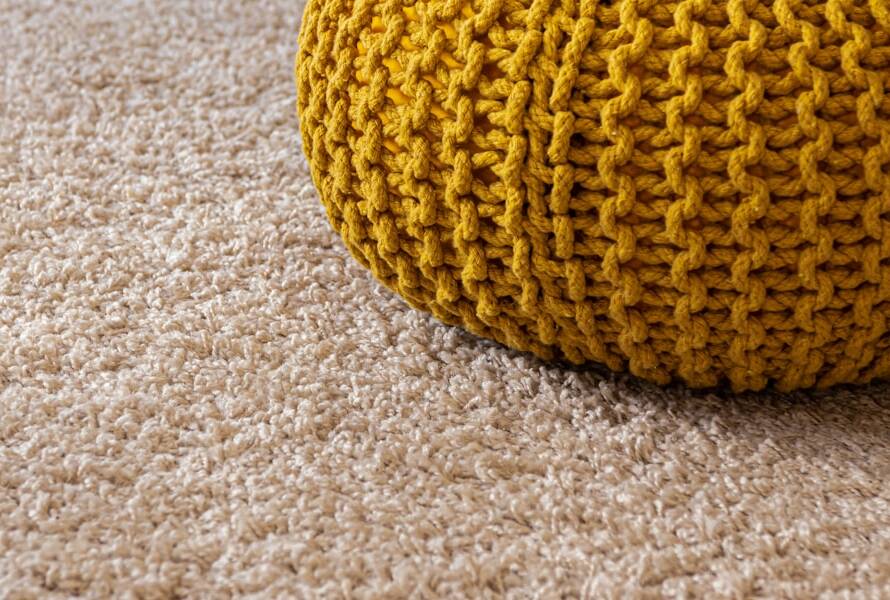
Basements can be chilly, especially during the winter months, so selecting flooring that provides some level of thermal insulation can enhance comfort levels. Carpeting, for example, offers warmth underfoot and can help maintain a cozy atmosphere. However, it’s crucial to ensure that any carpet used is specifically designed for basement environments to prevent mold and mildew issues.
By considering these factors, homeowners can select the perfect flooring for their Brooklyn basement, ensuring a comfortable, functional, and beautiful space.
Top Flooring Options for Brooklyn Basements
Several flooring options stand out as particularly suitable for Brooklyn basements, each offering unique benefits tailored to various needs and preferences. One popular choice is luxury vinyl plank (LVP), which mimics the appearance of hardwood while providing excellent water resistance. LVP is not only durable but also easy to install and maintain, making it an attractive option for homeowners looking to enhance their basements without extensive renovations.
Another viable option is ceramic or porcelain tile. These materials are impervious to water and come in a wide array of styles and colors, allowing homeowners to customize their basements according to their aesthetic preferences. Tiles are also easy to clean and maintain, making them ideal for high-traffic areas or spaces that may see spills or messes.
Additionally, radiant heating systems can be installed beneath tile floors, providing warmth during colder months. For those seeking a more traditional look, engineered hardwood is an excellent alternative. Unlike solid hardwood, engineered hardwood is constructed with layers that provide stability and resistance to moisture fluctuations.
This makes it suitable for basement environments where humidity levels may vary. The natural beauty of wood adds warmth and character to any space, making it an appealing choice for homeowners looking to create an inviting atmosphere.
Pros and Cons of Different Flooring Materials
Each flooring material comes with its own set of advantages and disadvantages that should be carefully weighed before making a decision. Luxury vinyl plank (LVP) is celebrated for its affordability and versatility; however, while it is resistant to moisture, it may not have the same longevity as more traditional materials like tile or hardwood. Additionally, some homeowners may find that LVP lacks the authentic feel of natural materials.
Ceramic and porcelain tiles are lauded for their durability and water resistance; they are virtually impervious to moisture and can withstand heavy foot traffic without showing signs of wear. However, they can be cold underfoot and may require additional heating solutions in colder months. Furthermore, installation can be labor-intensive and may necessitate professional assistance if not done correctly.
Engineered hardwood offers the aesthetic appeal of natural wood while being more stable in fluctuating humidity levels compared to solid hardwood. However, it may still be susceptible to water damage if not properly sealed or maintained. Additionally, while engineered hardwood can be refinished, it typically has a shorter lifespan than solid hardwood options.
How to Choose the Best Flooring for Your Basement
Choosing the best flooring for your basement involves a careful evaluation of your specific needs and circumstances. Start by assessing the primary function of the space; will it serve as a family room, home office, or recreational area? Understanding how you plan to use the basement will guide your selection process significantly.
For instance, if you envision hosting gatherings or family movie nights, comfort and aesthetics may take precedence over durability. Next, consider your budget. Flooring options vary widely in price, so establishing a budget early on will help narrow down your choices.
It’s essential to factor in not only the cost of materials but also installation expenses and potential long-term maintenance costs. For example, while LVP may have a lower upfront cost compared to tile or hardwood, its longevity could make it more economical in the long run. Additionally, think about the climate in Brooklyn and how it affects your basement environment.
If your basement tends to be humid or prone to flooding, prioritize moisture-resistant materials like vinyl or tile over more susceptible options like carpet or solid hardwood. Finally, don’t hesitate to seek advice from professionals or visit showrooms to see samples in person; this tactile experience can significantly influence your decision-making process.
Tips for Maintaining Basement Flooring
Once you’ve selected the ideal flooring for your Brooklyn basement, proper maintenance becomes crucial in ensuring its longevity and appearance. Regular cleaning is essential; depending on the material chosen, this may involve sweeping or vacuuming to remove dirt and debris followed by mopping with appropriate cleaners. For instance, vinyl floors can typically be cleaned with mild soap and water, while tile may require specialized cleaners that won’t damage the grout.
In addition to routine cleaning, it’s vital to monitor humidity levels in your basement. Using dehumidifiers can help control moisture levels and prevent mold growth that could damage flooring materials over time. If you notice any signs of water intrusion or leaks, address them immediately to prevent further damage.
For carpets specifically, consider professional cleaning every few years to maintain their appearance and hygiene. Seasonal inspections are also beneficial; check for any signs of wear or damage after extreme weather events or seasonal changes. This proactive approach allows you to address minor issues before they escalate into costly repairs or replacements.
Hiring a Professional for Basement Flooring Installation
While some homeowners may feel confident tackling flooring installation as a DIY project, hiring a professional can often save time and ensure quality results. Professionals bring expertise that can be invaluable when dealing with the unique challenges presented by basement environments. They understand how to properly prepare surfaces, manage moisture issues, and select appropriate underlayment materials that contribute to the overall performance of the flooring.
Moreover, professional installers often have access to better tools and techniques that can lead to a more polished finish than what might be achievable through DIY methods. This is particularly important with materials like tile or hardwood that require precise cutting and fitting for optimal results. Additionally, many professionals offer warranties on their work, providing peace of mind that any potential issues will be addressed without incurring additional costs.
When selecting an installer, it’s wise to research local contractors in Brooklyn who specialize in basement flooring projects. Look for reviews and testimonials from previous clients to gauge their reliability and quality of work. Obtaining multiple quotes can also help ensure you receive fair pricing while allowing you to compare services offered by different contractors.
Making the Best Choice for Your Brooklyn Basement
In summary, choosing the right flooring for your Brooklyn basement is a multifaceted decision that requires careful consideration of various factors including moisture resistance, comfort, aesthetics, budgetary constraints, and intended use of the space. With numerous options available—from luxury vinyl plank to ceramic tile—homeowners have the opportunity to create functional yet stylish environments that enhance their living experience.
Ultimately, investing in quality flooring will not only improve your basement’s usability but also contribute positively to your home’s overall value in an ever-evolving real estate market.
If you are looking for innovative home solutions for a modern lifestyle, you may want to check out this article on Basement Remodeling ESG. It offers great ideas on how to update your home to fit your contemporary needs. Additionally, if you are creating a wishlist for your basement renovation project, you can find some inspiration in this article. And if you are interested in maximizing space and utilizing clever remodeling techniques, be sure to read this article for some helpful tips.
FAQs
What are the best flooring options for a finished Brooklyn basement?
The best flooring options for a finished Brooklyn basement include engineered hardwood, luxury vinyl planks, and ceramic tile.
Why is engineered hardwood a good choice for a finished basement in Brooklyn?
Engineered hardwood is a good choice for a finished basement in Brooklyn because it is durable, resistant to moisture, and provides a warm and natural look.
What are the benefits of luxury vinyl planks for a finished basement in Brooklyn?
Luxury vinyl planks are a popular choice for finished basements in Brooklyn because they are waterproof, easy to maintain, and come in a wide variety of styles and colors.
Why is ceramic tile a suitable option for a finished basement in Brooklyn?
Ceramic tile is a suitable option for a finished basement in Brooklyn because it is moisture-resistant, durable, and can withstand heavy foot traffic.
What factors should be considered when choosing flooring for a finished basement in Brooklyn?
When choosing flooring for a finished basement in Brooklyn, factors to consider include moisture resistance, durability, ease of maintenance, and the overall aesthetic of the space.