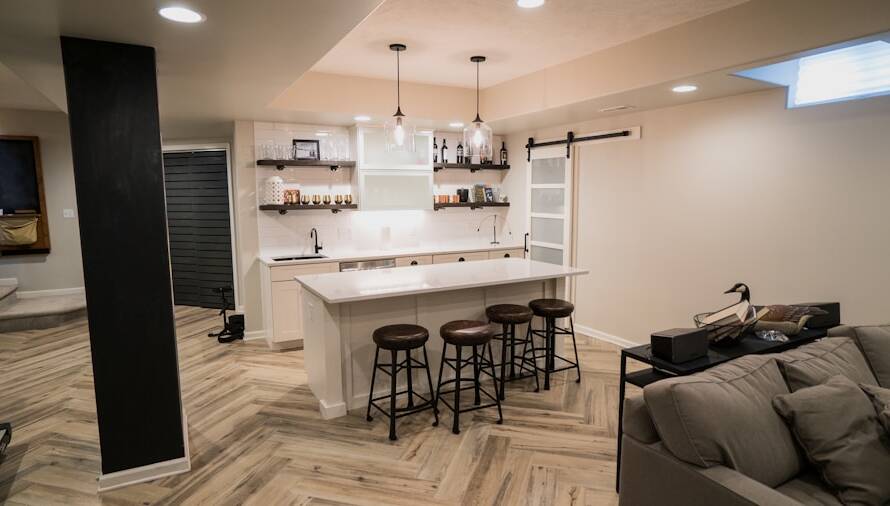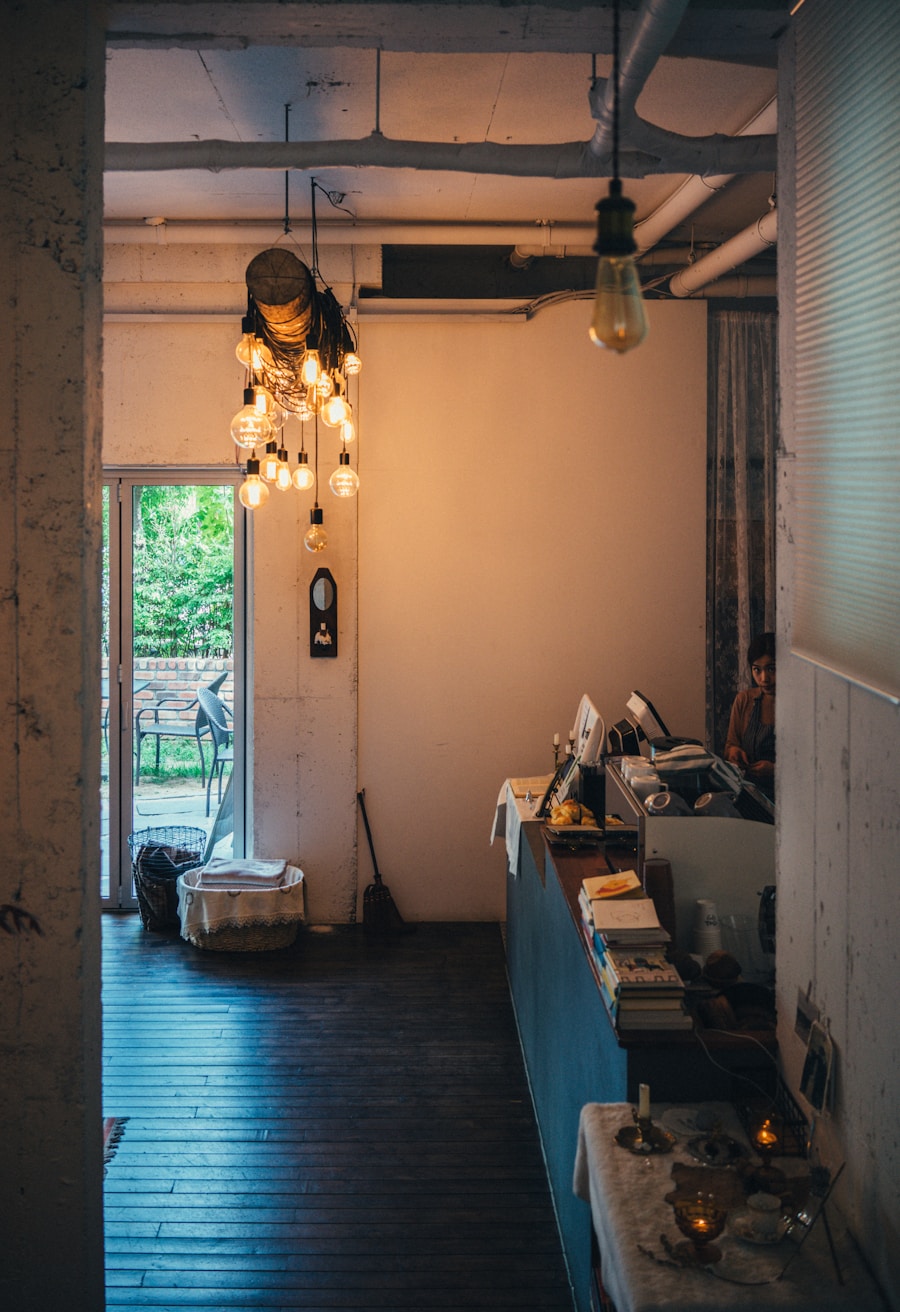
Smart lighting systems have revolutionized the way we illuminate our spaces, particularly in areas like a basement office where natural light may be limited. One of the primary benefits of smart lighting is its ability to enhance productivity. In a basement office, where the environment can often feel isolated or dim, smart lighting can be tailored to mimic natural daylight, which has been shown to improve mood and focus.
For instance, using tunable white LED bulbs allows you to adjust the color temperature throughout the day, promoting alertness during work hours and relaxation during breaks. This adaptability can lead to a more conducive work environment, ultimately boosting efficiency and creativity. Moreover, smart lighting offers unparalleled convenience and control.
With the integration of smart home technology, you can manage your lighting through voice commands or mobile applications. Imagine walking into your basement office and having the lights automatically adjust to your preferred brightness and color temperature based on the time of day or your specific tasks. This level of customization not only enhances comfort but also reduces the time spent fiddling with switches or remotes.
Additionally, many smart lighting systems come equipped with scheduling features, allowing you to set routines that align with your work habits, ensuring that your space is always optimally lit when you need it.
Key Takeaways
- Smart lighting in your basement office can improve productivity, mood, and energy efficiency.
- Consider factors such as compatibility, control options, and budget when choosing a smart lighting system.
- Proper positioning and installation of smart lighting fixtures is crucial for optimal functionality and aesthetics.
- Customizing smart lighting settings can help create a productive and comfortable work environment.
- Integrating smart lighting with other smart home devices can enhance convenience and efficiency.
Choosing the Right Smart Lighting System for Your Space
Selecting the appropriate smart lighting system for your basement office involves considering several factors, including the size of the space, the existing electrical infrastructure, and your specific lighting needs. One popular option is LED smart bulbs, which can be easily installed in existing fixtures and offer a wide range of colors and brightness levels. Brands like Philips Hue and LIFX provide extensive ecosystems that allow for seamless integration with other smart devices.
When choosing bulbs, it’s essential to look for those that offer features such as dimming capabilities and compatibility with various smart home platforms like Amazon Alexa or Google Assistant. Another consideration is the type of fixtures you want to incorporate into your basement office. Recessed lighting can provide a clean, modern look while ensuring even illumination throughout the space.
Alternatively, floor lamps or desk lamps equipped with smart bulbs can add a layer of flexibility, allowing you to direct light where it’s needed most. If your basement office has low ceilings or limited natural light, consider fixtures that can be adjusted in height or direction to maximize light distribution.
Positioning and Installing Smart Lighting Fixtures in Your Basement Office

The positioning of smart lighting fixtures is crucial for creating an effective workspace in your basement office. Start by assessing the layout of your room and identifying areas that require focused lighting, such as your desk or reading nook. Task lighting is essential for activities that require concentration, so consider placing adjustable desk lamps or wall-mounted fixtures near these areas.
Additionally, ambient lighting should be strategically placed to eliminate shadows and create a warm atmosphere. For instance, installing recessed lights around the perimeter of the room can provide a soft glow that enhances overall visibility without being harsh. Installation of smart lighting fixtures can vary based on the type of system you choose.
For those opting for smart bulbs in existing fixtures, the process is straightforward—simply replace standard bulbs with smart ones and follow the manufacturer’s instructions for connecting them to your home network. However, if you’re considering more complex installations like recessed lighting or smart switches, it may be beneficial to consult with a professional electrician. They can ensure that your wiring is up to code and that your fixtures are installed safely and effectively.
Proper installation not only enhances functionality but also contributes to the longevity of your smart lighting system.
Programming and Customizing Smart Lighting Settings for Productivity
Once your smart lighting system is installed, programming and customizing settings becomes essential for maximizing productivity in your basement office. Most smart lighting systems come with user-friendly apps that allow you to create specific lighting scenes tailored to different tasks. For example, you might set a bright, cool white light for focused work sessions and a warmer hue for brainstorming or creative tasks.
This ability to switch between different settings can help signal to your brain when it’s time to concentrate versus when it’s time to relax. Additionally, consider utilizing automation features that adjust lighting based on your daily schedule. Many systems allow you to set routines that automatically change the lighting at specific times—brightening in the morning to help wake you up and dimming in the evening to signal the end of the workday.
Some advanced systems even use sensors to detect when you enter or leave a room, adjusting the lights accordingly. This level of customization not only enhances productivity but also contributes to a healthier work-life balance by creating clear boundaries between work and personal time.
Integrating Smart Lighting with Other Smart Home Devices
The true power of smart lighting is realized when it is integrated with other smart home devices. For instance, connecting your smart lights with a smart thermostat can create an environment that adjusts not only in terms of illumination but also temperature based on your preferences throughout the day. Imagine entering your basement office on a chilly morning to find both the lights and heating system activated automatically—this seamless integration enhances comfort and efficiency.
Moreover, integrating smart lighting with security systems can provide added peace of mind. For example, you can program your lights to simulate occupancy when you’re away from home by setting them to turn on and off at random intervals. This feature can deter potential intruders while also ensuring that you return to a well-lit space.
Additionally, voice-activated assistants like Amazon Alexa or Google Assistant can control multiple devices simultaneously; simply saying “I’m home” could trigger lights, adjust the thermostat, and even play your favorite music—all contributing to a welcoming atmosphere in your basement office.
Utilizing Smart Lighting for Energy Efficiency and Cost Savings
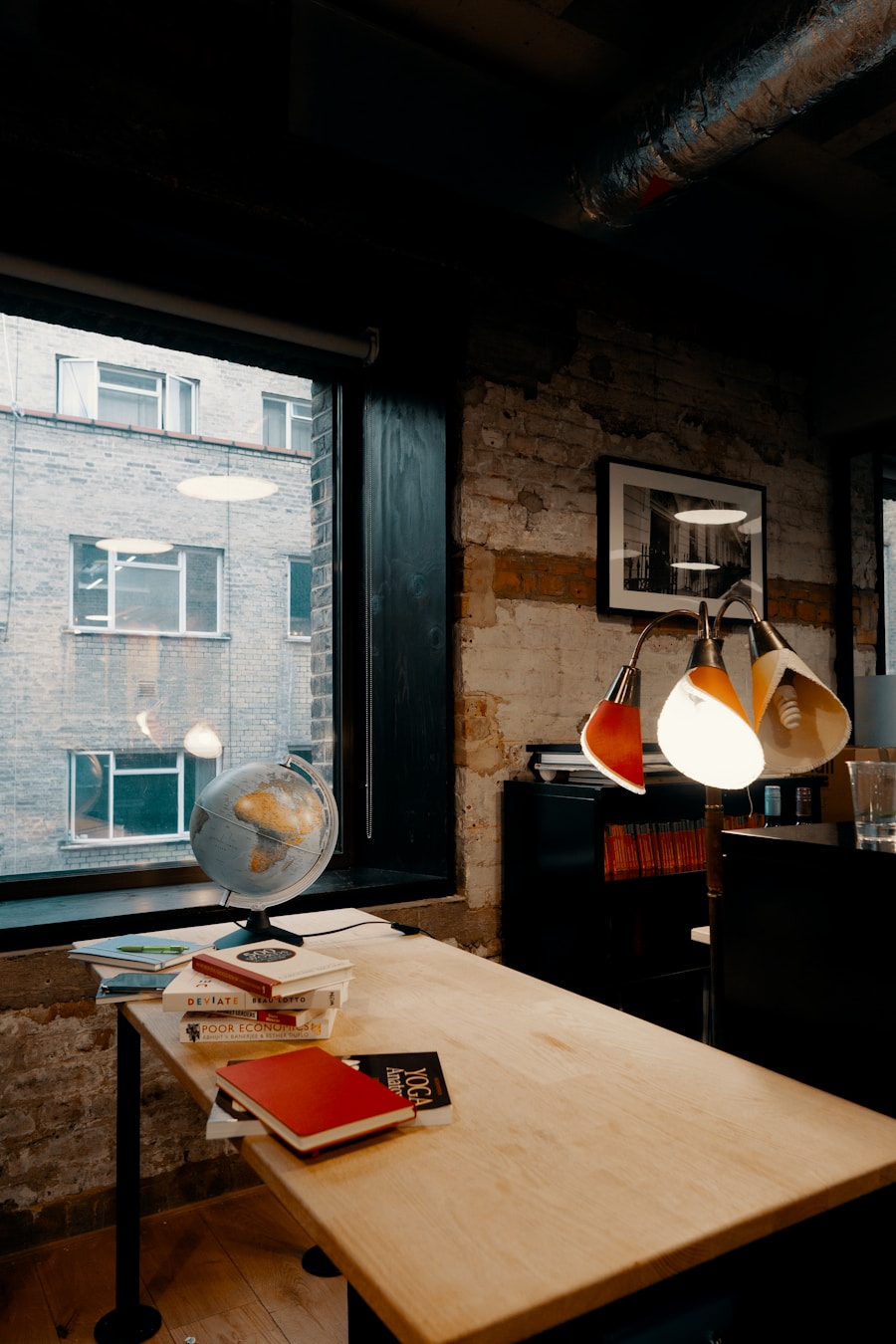
One of the most compelling reasons to invest in smart lighting is its potential for energy efficiency and cost savings. Traditional incandescent bulbs consume significantly more energy than their LED counterparts, which are often used in smart lighting systems. By switching to LED smart bulbs, you can reduce energy consumption by up to 80%, leading to lower electricity bills over time.
Furthermore, many smart lighting systems allow you to monitor energy usage through their apps, providing insights into how much energy each fixture consumes. In addition to using energy-efficient bulbs, programming your lights to turn off automatically when not in use can further enhance savings. Many smart systems include motion sensors that detect occupancy; if no one is present in the room for a specified period, the lights will turn off automatically.
This feature not only conserves energy but also extends the lifespan of your bulbs, reducing replacement costs over time. By adopting these practices, you can create an environmentally friendly workspace while also enjoying significant financial benefits.
Enhancing the Aesthetic Appeal of Your Basement Office with Smart Lighting
Smart lighting offers an incredible opportunity to enhance the aesthetic appeal of your basement office beyond mere functionality. The ability to change colors and brightness levels allows you to create an atmosphere that reflects your personal style or aligns with specific tasks. For instance, using cooler tones during work hours can promote focus and clarity, while warmer hues in the evening can create a cozy ambiance conducive to relaxation or creative thinking.
Incorporating accent lighting is another way to elevate the visual appeal of your space. Smart LED strips can be placed along shelves or behind furniture to create a soft glow that adds depth and dimension to your office. Additionally, using colored lights strategically can highlight artwork or architectural features within the room, transforming an otherwise utilitarian space into an inspiring environment.
The versatility of smart lighting enables you to experiment with different setups until you find the perfect balance between aesthetics and functionality.
Troubleshooting and Maintaining Your Smart Lighting System
Maintaining a smart lighting system is essential for ensuring its longevity and optimal performance. Regularly checking for software updates is crucial; manufacturers often release updates that enhance functionality or fix bugs within their systems. Keeping your app updated ensures that you have access to the latest features and improvements.
If you encounter issues such as connectivity problems or unresponsive lights, troubleshooting steps can often resolve these concerns quickly.
If lights are not responding as expected, resetting them according to manufacturer instructions may help restore normal operation.
Additionally, consulting online forums or customer support can provide valuable insights from other users who may have experienced similar issues. In conclusion, embracing smart lighting in your basement office not only enhances productivity but also transforms the space into a more inviting and efficient environment. By understanding its benefits, choosing the right system, positioning fixtures thoughtfully, programming settings effectively, integrating with other devices, focusing on energy efficiency, enhancing aesthetics, and maintaining the system properly, you can create an ideal workspace tailored specifically to your needs.
If you’re looking to transform your basement office into a stylish and functional space, you may want to consider incorporating smart lighting. Smart lighting can enhance the ambiance of your workspace and improve productivity. For more ideas on how to elevate your basement office design, check out this article on stylish makeovers that elevate interior design. This article offers tips and inspiration for creating a chic and modern workspace that will inspire creativity and productivity.
FAQs
What is smart lighting?
Smart lighting refers to lighting systems that can be controlled remotely through a smartphone, tablet, or smart home device. These systems often include features such as dimming, color changing, and scheduling.
What are the benefits of incorporating smart lighting in a basement office?
Incorporating smart lighting in a basement office can improve energy efficiency, enhance productivity, and create a more comfortable and customizable work environment. Smart lighting can also add a modern and sophisticated touch to the space.
What are some popular smart lighting products for a basement office?
Popular smart lighting products for a basement office include Philips Hue, LIFX, and Nanoleaf. These products offer a range of features such as color changing bulbs, smart switches, and motion sensors.
How can smart lighting be integrated into a basement office?
Smart lighting can be integrated into a basement office by replacing existing light fixtures with smart bulbs or switches, setting up smart lighting schedules, and connecting the lighting system to a smart home hub or device.
Are there any considerations to keep in mind when incorporating smart lighting in a basement office?
When incorporating smart lighting in a basement office, it’s important to consider factors such as the layout of the space, the desired lighting effects, and the compatibility of the smart lighting products with existing technology. It’s also important to ensure that the lighting system meets any local building codes and regulations.