


Basement waterproofing is a critical aspect of home maintenance that often goes overlooked until significant issues arise. A well-waterproofed basement not only protects the structural integrity of a home but also enhances its overall value. Water intrusion can lead to a myriad of problems, including mold growth, wood rot, and damage to personal belongings.
Moreover, the importance of basement waterproofing extends beyond mere protection against water damage. It plays a vital role in maintaining indoor air quality.
Basements are often the most humid areas of a home, and without adequate waterproofing, moisture can seep into the air, leading to respiratory issues and other health concerns for the inhabitants. Additionally, a dry basement can be transformed into usable living space, such as a home office, gym, or entertainment area, thereby increasing the functional square footage of the home.
Key Takeaways
- Basement waterproofing is important to protect your home from water damage and mold growth.
- Signs of water damage in your basement include musty odors, mold growth, and water stains on walls or floors.
- Common causes of basement leaks and flooding include poor drainage, cracks in the foundation, and heavy rainfall.
- Different basement waterproofing methods include interior and exterior waterproofing, sump pump installation, and French drain systems.
- Hiring a professional basement waterproofing company can ensure the job is done correctly and efficiently.
- The cost of basement waterproofing varies depending on the size of the basement and the chosen waterproofing method.
- Maintaining your basement waterproofing system is important to ensure its effectiveness over time.
- Benefits of basement waterproofing for your home include increased property value, improved air quality, and protection against costly water damage.
Signs of Water Damage in Your Basement
Identifying water damage in your basement early can save homeowners from costly repairs and extensive renovations. One of the most obvious signs is the presence of water stains on walls or floors. These stains often appear as dark patches or streaks and can indicate that water has penetrated the walls or foundation.
Homeowners should also be vigilant for peeling paint or wallpaper, which can be a direct result of moisture buildup behind these surfaces. Another telltale sign of water damage is the presence of mold or mildew. These fungi thrive in damp environments and can quickly spread if not addressed promptly.
Homeowners may notice a musty odor emanating from the basement, which is often a precursor to mold growth. Additionally, if you find efflorescence—white, powdery deposits on concrete walls—this indicates that moisture is seeping through the foundation and evaporating, leaving behind mineral deposits. Recognizing these signs early can help mitigate further damage and protect the home’s structural integrity.
Common Causes of Basement Leaks and Flooding
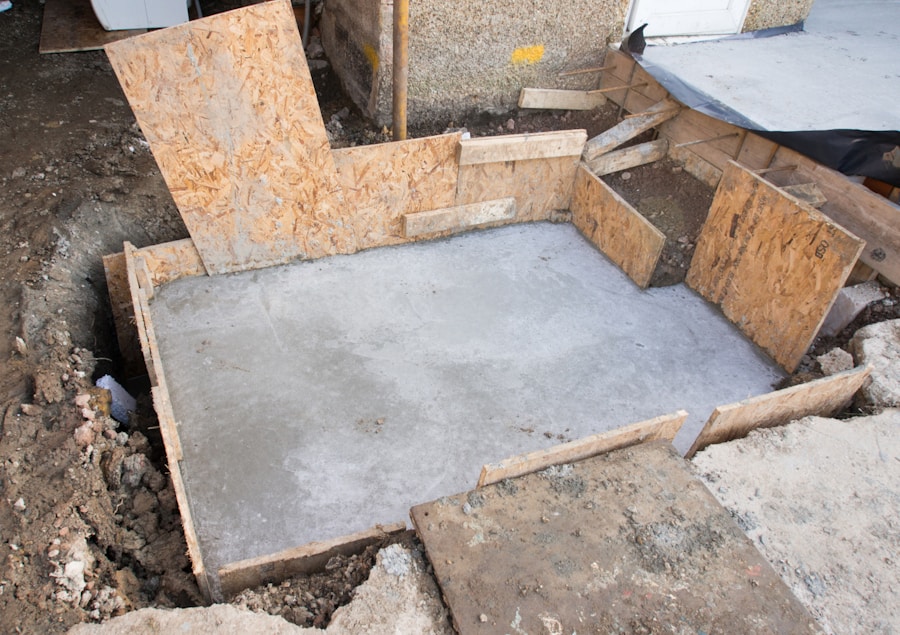
Understanding the common causes of basement leaks and flooding is essential for effective prevention and remediation. One primary culprit is poor drainage around the foundation of the home. If gutters are clogged or downspouts are not directing water away from the foundation, rainwater can pool around the base of the house, leading to leaks.
Additionally, improper grading of the landscape can exacerbate this issue by directing water toward rather than away from the foundation. Another significant cause of basement flooding is hydrostatic pressure. This occurs when groundwater accumulates around the foundation walls due to heavy rainfall or melting snow.
As the water level rises, it exerts pressure on the walls, which can lead to cracks and leaks. Furthermore, aging or damaged foundation walls can also contribute to water intrusion. Over time, concrete can develop cracks due to settling or temperature fluctuations, allowing water to seep through.
Identifying these causes is crucial for implementing effective waterproofing solutions.
Different Basement Waterproofing Methods and Techniques
There are several methods and techniques available for waterproofing basements, each suited to different situations and levels of water intrusion. One common approach is interior waterproofing, which involves applying sealants to walls and floors to prevent moisture from penetrating the living space. This method is often less expensive and easier to implement than exterior solutions but may not be sufficient for severe water issues.
This method provides a robust barrier against water intrusion but requires significant labor and investment. Additionally, installing drainage systems such as French drains can help redirect water away from the foundation, reducing hydrostatic pressure and preventing leaks.
In some cases, homeowners may opt for sump pump installation as part of their waterproofing strategy. Sump pumps are designed to collect excess water that accumulates in a sump basin and pump it away from the home. This solution is particularly useful in areas prone to flooding or where groundwater levels are high.
Each method has its advantages and disadvantages, making it essential for homeowners to assess their specific needs before deciding on a waterproofing strategy.
Hiring a Professional Basement Waterproofing Company
When it comes to basement waterproofing, hiring a professional company can make a significant difference in the effectiveness of the solution implemented. Professionals bring expertise and experience that can help identify underlying issues that may not be immediately apparent to homeowners. They can conduct thorough inspections and recommend tailored solutions based on the specific conditions of the basement.
Moreover, professional waterproofing companies often have access to advanced technology and materials that may not be available to DIY enthusiasts. This includes specialized sealants, drainage systems, and sump pumps designed for optimal performance. Additionally, many reputable companies offer warranties on their work, providing homeowners with peace of mind that their investment is protected against future issues.
Choosing a qualified professional ensures that the job is done correctly and efficiently, ultimately saving time and money in the long run.
The Cost of Basement Waterproofing
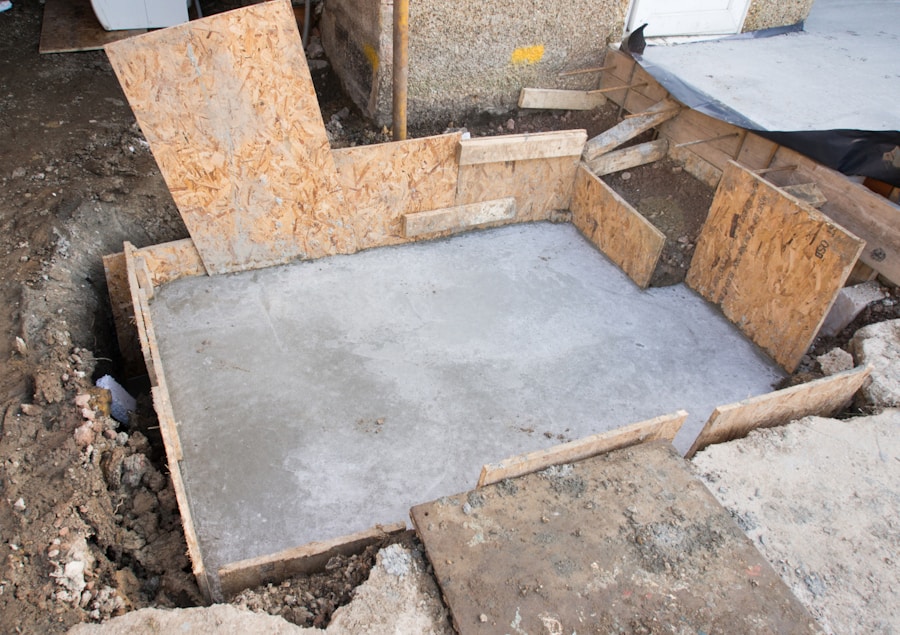
The cost of basement waterproofing can vary widely depending on several factors, including the size of the basement, the severity of water intrusion, and the methods employed. On average, homeowners can expect to pay anywhere from $1,500 to $5,000 for basic interior waterproofing solutions. More extensive exterior waterproofing projects can range from $5,000 to $15,000 or more, particularly if excavation is required.
It’s important for homeowners to consider not only the initial costs but also the long-term savings associated with waterproofing their basements. By preventing water damage and mold growth, homeowners can avoid costly repairs down the line. Additionally, a well-waterproofed basement can enhance property value and appeal to potential buyers should they decide to sell their home in the future.
Maintaining Your Basement Waterproofing System
Once a basement waterproofing system has been installed, regular maintenance is crucial to ensure its continued effectiveness. Homeowners should routinely inspect their basements for any signs of moisture or damage, paying close attention to areas where water may enter. This includes checking gutters and downspouts for clogs and ensuring that they are directing water away from the foundation.
Additionally, sump pumps should be tested periodically to ensure they are functioning correctly. Homeowners should also consider scheduling professional inspections every few years to assess the condition of their waterproofing system and make any necessary repairs or upgrades. By staying proactive about maintenance, homeowners can extend the lifespan of their waterproofing solutions and protect their basements from future water damage.
Benefits of Basement Waterproofing for Your Home
The benefits of basement waterproofing extend far beyond simply preventing water damage; they encompass a range of advantages that contribute to overall home health and value. One significant benefit is improved indoor air quality. By reducing humidity levels in the basement, homeowners can minimize mold growth and allergens that can negatively impact respiratory health.
Additionally, waterproofing enhances the usability of basement spaces. A dry basement can be transformed into functional areas such as additional living space or storage without fear of damage from moisture. This added square footage can significantly increase a home’s market value and appeal to potential buyers.
Furthermore, effective waterproofing contributes to energy efficiency by preventing drafts and maintaining consistent temperatures throughout the home. This can lead to lower heating and cooling costs over time. Ultimately, investing in basement waterproofing is an investment in both immediate protection against water damage and long-term benefits for your home’s health and value.
If you’re interested in creating a more eco-friendly home, you may want to check out this article on green architecture ideas for eco-friendly homes. This article provides tips and inspiration for incorporating sustainable design elements into your home, which can also be beneficial when considering basement waterproofing options. By combining both eco-friendly practices and waterproofing solutions, you can create a more resilient and environmentally conscious living space.
FAQs
What is basement waterproofing?
Basement waterproofing is the process of preventing water from entering a basement area of a building. This can involve various techniques and materials to keep the basement dry and prevent water damage.
Why is basement waterproofing important for Brooklyn homeowners?
Basement waterproofing is important for Brooklyn homeowners because the area is prone to heavy rainfall and flooding. Waterproofing helps protect the home from water damage, mold, and structural issues.
What are the common causes of basement water issues in Brooklyn?
Common causes of basement water issues in Brooklyn include heavy rainfall, poor drainage, high water tables, and aging infrastructure. These factors can lead to water seepage, leaks, and flooding in basements.
What are the signs that a basement may need waterproofing?
Signs that a basement may need waterproofing include damp or musty odors, water stains on walls or floors, mold growth, and visible cracks in the foundation. These signs indicate potential water intrusion issues.
What are the different methods of basement waterproofing?
Basement waterproofing methods include exterior waterproofing, interior waterproofing, sump pump installation, French drain installation, and the use of waterproofing membranes and sealants. Each method addresses specific water intrusion issues.
How can homeowners find a reputable basement waterproofing contractor in Brooklyn?
Homeowners can find a reputable basement waterproofing contractor in Brooklyn by asking for referrals from friends and neighbors, researching online reviews, checking for proper licensing and insurance, and obtaining multiple quotes before making a decision. It’s important to choose a contractor with experience in waterproofing basements in the Brooklyn area.

