When embarking on the journey of creating a home theater, the first step is to assess the available space meticulously. The dimensions of the room play a crucial role in determining how the layout will be structured. A larger room may allow for a more expansive seating arrangement, while a smaller space might necessitate a more intimate setup.
It is essential to measure the length, width, and height of the room, taking note of any architectural features such as windows, doors, and built-in shelving that could influence the design. For instance, a room with high ceilings can enhance sound quality and provide a more immersive experience, while a room with low ceilings may require careful consideration of speaker placement to avoid sound distortion. Once the dimensions are established, the next step is to visualize the layout.
This involves considering the placement of the screen, seating, and audio equipment. A common approach is to position the screen at eye level when seated, which typically means mounting it on a wall or using a stand that elevates it appropriately. The distance from the seating area to the screen is also critical; a general rule of thumb is to sit at a distance that is 1.5 to 2.5 times the diagonal size of the screen for optimal viewing.
Additionally, it’s important to account for pathways and accessibility, ensuring that there is enough space for movement without obstructing sightlines or creating a cramped environment.
Key Takeaways
- Assess the space: Measure the layout and size to determine the best placement for your home theater setup.
- Choose the right audio and visual equipment: Consider the size of the room and your personal preferences when selecting speakers, screens, and projectors.
- Design the aesthetic: Select furniture and decor that complements the overall theme and style of your home theater.
- Create the perfect lighting atmosphere: Install dimmable lights and consider using LED strips to enhance the viewing experience.
- Soundproofing and acoustic considerations: Invest in soundproofing materials and acoustic panels to minimize sound distortion and outside noise.
Choosing the Right Audio and Visual Equipment
Selecting the appropriate audio and visual equipment is paramount in creating an immersive home theater experience. The centerpiece of any home theater is undoubtedly the display screen, which can range from high-definition televisions to projectors paired with large screens. When choosing between these options, one must consider factors such as room size, ambient light conditions, and personal preferences regarding image quality.
For instance, projectors can create a cinematic feel with larger images but may require a darkened room for optimal viewing. Conversely, high-definition TVs offer vibrant colors and clarity even in well-lit spaces. Audio equipment is equally important in achieving an authentic theater experience.
A surround sound system can significantly enhance the auditory experience by enveloping viewers in sound from multiple directions. This can be achieved through various configurations, such as 5.1 or 7.1 systems, which denote the number of speakers and subwoofers used.
Additionally, incorporating a soundbar can be an effective solution for those seeking simplicity without sacrificing audio quality.
Designing the Aesthetic: Selecting Furniture and Decor
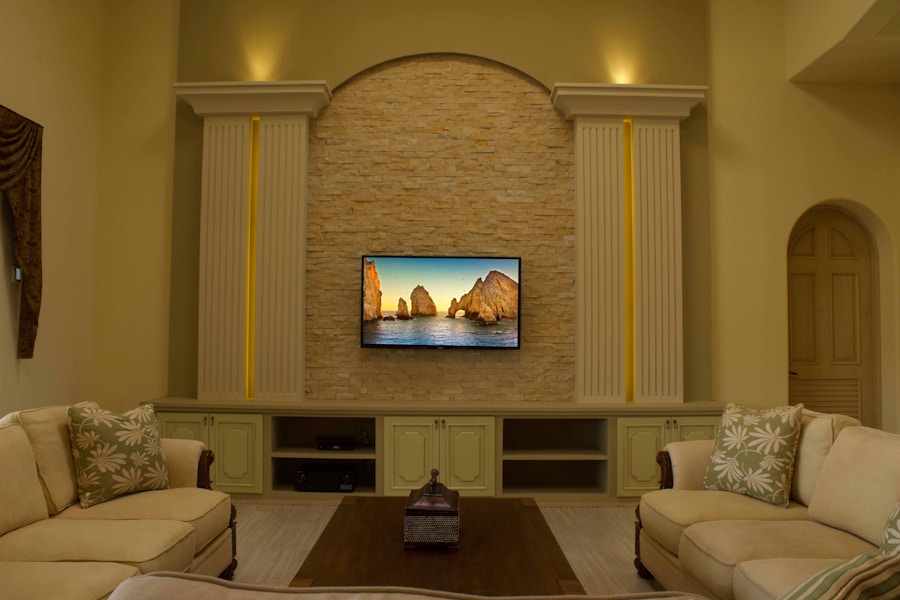
The aesthetic design of a home theater is crucial in creating an inviting and comfortable atmosphere. Furniture selection plays a significant role in this process, as it not only affects comfort but also influences the overall look of the space. Reclining chairs or plush sofas are popular choices for home theaters, providing comfort during long movie marathons.
It’s essential to choose seating that complements the room’s layout; for instance, tiered seating can enhance sightlines in larger spaces, while modular seating arrangements can be adapted to fit various group sizes. Decor elements should also reflect personal style while enhancing the cinematic experience. Darker color palettes are often favored in home theaters as they minimize light reflection and create a more immersive environment.
Wall treatments such as acoustic panels or fabric wall coverings can add both aesthetic appeal and functional benefits by improving sound quality. Additionally, incorporating themed decor—such as movie posters or memorabilia—can personalize the space and create a unique ambiance that resonates with family members and guests alike.
Creating the Perfect Lighting Atmosphere
Lighting is a critical component in establishing the right atmosphere for a home theater. The goal is to create a space that can transition seamlessly from bright and functional during daytime use to dark and immersive during movie nights. This can be achieved through a combination of ambient, task, and accent lighting.
Ambient lighting provides overall illumination and can be adjusted with dimmers to suit different activities.
Task lighting is essential for activities such as reading or navigating the space before settling in for a film.
Adjustable floor lamps or wall-mounted reading lights can provide focused light without overwhelming the room’s overall ambiance. Accent lighting can highlight architectural features or decor elements, adding depth and interest to the space. For instance, LED strip lights behind the screen or along shelves can create a dramatic effect while also serving as low-level lighting during movie playback.
Soundproofing and Acoustic Considerations
To achieve an optimal audio experience in a home theater, soundproofing and acoustic considerations must be addressed. Soundproofing involves minimizing sound leakage both into and out of the theater room, ensuring that external noise does not disrupt viewing experiences while also preventing sound from disturbing other areas of the home. This can be accomplished through various methods such as adding insulation to walls, using soundproof doors, or installing acoustic panels that absorb sound waves.
Acoustic treatment goes hand-in-hand with soundproofing but focuses more on enhancing sound quality within the room itself. The placement of furniture and decor can significantly impact acoustics; for example, soft furnishings like carpets and curtains can help absorb sound reflections that might otherwise create echoes or muddiness in audio playback. Additionally, strategically placing bass traps in corners can help manage low-frequency sounds, ensuring that bass notes are clear and well-defined rather than overwhelming or boomy.
Incorporating Smart Home Technology
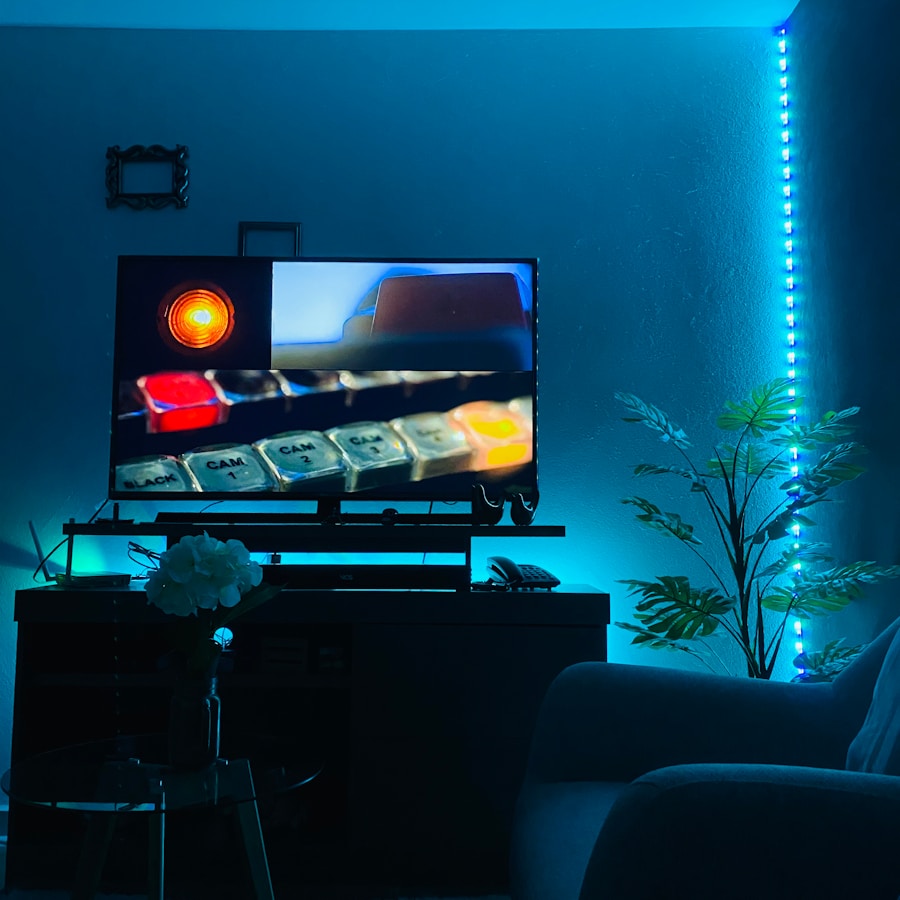
In today’s digital age, incorporating smart home technology into a home theater setup can greatly enhance convenience and functionality. Smart systems allow users to control various aspects of their theater environment through mobile devices or voice commands, streamlining operations and creating a more user-friendly experience. For instance, smart lighting systems can be programmed to adjust automatically when a movie starts, dimming lights gradually to create an immersive atmosphere without manual intervention.
Moreover, integrating smart audio-visual equipment can simplify device management. Universal remotes or smart home hubs can consolidate control over multiple devices—such as TVs, projectors, sound systems, and streaming services—into one interface. This eliminates the need for multiple remotes cluttering up coffee tables and enhances ease of use for all family members.
Additionally, smart speakers equipped with virtual assistants can provide voice control over playback options or even suggest movies based on user preferences.
Adding Comfort and Convenience with Home Theater Accessories
To elevate the home theater experience further, various accessories can be incorporated to enhance comfort and convenience. One popular addition is a dedicated snack bar or mini-fridge stocked with favorite treats and beverages, allowing viewers to enjoy refreshments without leaving their seats during films. This not only adds convenience but also contributes to an authentic cinema experience reminiscent of traditional theaters.
Another accessory worth considering is a universal remote control or mobile app that consolidates all devices into one interface for easy access. This allows users to switch between streaming services or adjust settings without fumbling with multiple remotes. Additionally, incorporating cozy blankets or throw pillows can enhance comfort during long viewing sessions, making it easy for everyone to settle in for an enjoyable movie night.
Final Touches: Personalizing the Space with Art and Memorabilia
The final touches in designing a home theater involve personalizing the space with art and memorabilia that reflect individual tastes and interests. This could include framed posters of favorite films or artwork inspired by cinematic themes that resonate with family members. Displaying collectibles such as action figures or vintage movie memorabilia can add character to the room while sparking conversations among guests.
Incorporating personal touches not only enhances the aesthetic appeal but also creates an emotional connection to the space. Family photos taken during memorable movie nights or themed events can serve as cherished reminders of shared experiences within the home theater. By curating these elements thoughtfully, homeowners can transform their theater into a unique sanctuary that embodies their passion for film while providing an inviting atmosphere for family gatherings and entertainment.
If you’re considering transforming your Brooklyn basement into a cozy and stylish home theater, you may want to check out this article on the pros and cons of DIY vs professional basement remodeling. It can help you decide whether to tackle the project yourself or hire a professional to ensure your home theater turns out just the way you envision.
FAQs
What are the key elements to consider when building a home theater in a basement?
Key elements to consider when building a home theater in a basement include soundproofing, lighting, seating, and audio-visual equipment.
What are some tips for creating a cozy and stylish atmosphere in a home theater?
Some tips for creating a cozy and stylish atmosphere in a home theater include using plush seating, incorporating warm lighting, adding decorative elements such as curtains and rugs, and choosing a color scheme that promotes relaxation.
What are the benefits of soundproofing a home theater in a basement?
Soundproofing a home theater in a basement helps to minimize sound transmission to other parts of the house, enhances the overall audio experience, and creates a more immersive viewing environment.
What are some popular audio-visual equipment options for a home theater?
Popular audio-visual equipment options for a home theater include high-definition projectors, surround sound systems, streaming devices, and comfortable seating with built-in speakers.
How can I maximize the use of space in a basement home theater?
To maximize the use of space in a basement home theater, consider using wall-mounted or built-in storage for audio-visual equipment, opting for space-saving seating options such as recliners or sectional sofas, and utilizing multi-functional furniture pieces.