Moisture in basements is a common issue that can lead to a myriad of problems if not addressed promptly. Basements are inherently prone to dampness due to their location below ground level, where they are more susceptible to groundwater seepage and humidity. The impact of moisture can manifest in various ways, from minor inconveniences to significant structural and health-related issues.
Understanding the sources of moisture is crucial for homeowners, particularly in areas like Brooklyn, where the climate can exacerbate these problems. Factors such as heavy rainfall, melting snow, and high humidity levels can contribute to increased moisture levels in basements. Moreover, the construction and design of a home can influence how moisture accumulates in the basement.
For instance, poorly designed drainage systems or inadequate grading around the foundation can lead to water pooling near the base of the house. Additionally, older homes may lack modern waterproofing techniques, making them more vulnerable to moisture intrusion. Recognizing these factors is essential for homeowners to take proactive measures in managing moisture levels effectively.
Ignoring the signs of moisture can lead to a cascade of issues that affect not only the basement but also the overall integrity of the home.
Key Takeaways
- Excess moisture in basements can lead to health risks such as mold and mildew growth, which can cause respiratory issues and allergies.
- Moisture in basements can cause structural damage to the foundation, walls, and floors of a building, leading to costly repairs.
- Controlling moisture in your Brooklyn basement can be achieved through proper ventilation, dehumidifiers, and sealing cracks and leaks.
- Proper ventilation is crucial in preventing moisture buildup in basements and promoting air circulation to prevent mold and mildew growth.
- Waterproofing solutions such as sealants, drainage systems, and sump pumps can effectively prevent moisture from entering your Brooklyn basement and protect it from water damage.
- Seeking professional help for moisture control in your basement can ensure that the issue is properly diagnosed and addressed, leading to long-term benefits such as a healthier and more structurally sound living space.
Health Risks Associated with Excess Moisture in Basements
Excess moisture in basements poses significant health risks that should not be overlooked. One of the most concerning consequences is the proliferation of mold and mildew, which thrive in damp environments. Mold spores can become airborne and circulate throughout the home, leading to respiratory issues, allergic reactions, and other health complications.
Individuals with pre-existing conditions such as asthma or allergies may experience exacerbated symptoms when exposed to mold. The presence of mold can also lead to chronic health issues, making it imperative for homeowners to address moisture problems promptly. In addition to mold, excess moisture can create an environment conducive to pests such as rodents and insects.
These pests not only pose health risks through potential disease transmission but can also cause further damage to the home by gnawing on wires, insulation, and structural components.
Therefore, addressing moisture in basements is not just about maintaining property value; it is also about safeguarding the health and well-being of all occupants.
Structural Damage Caused by Moisture in Basements
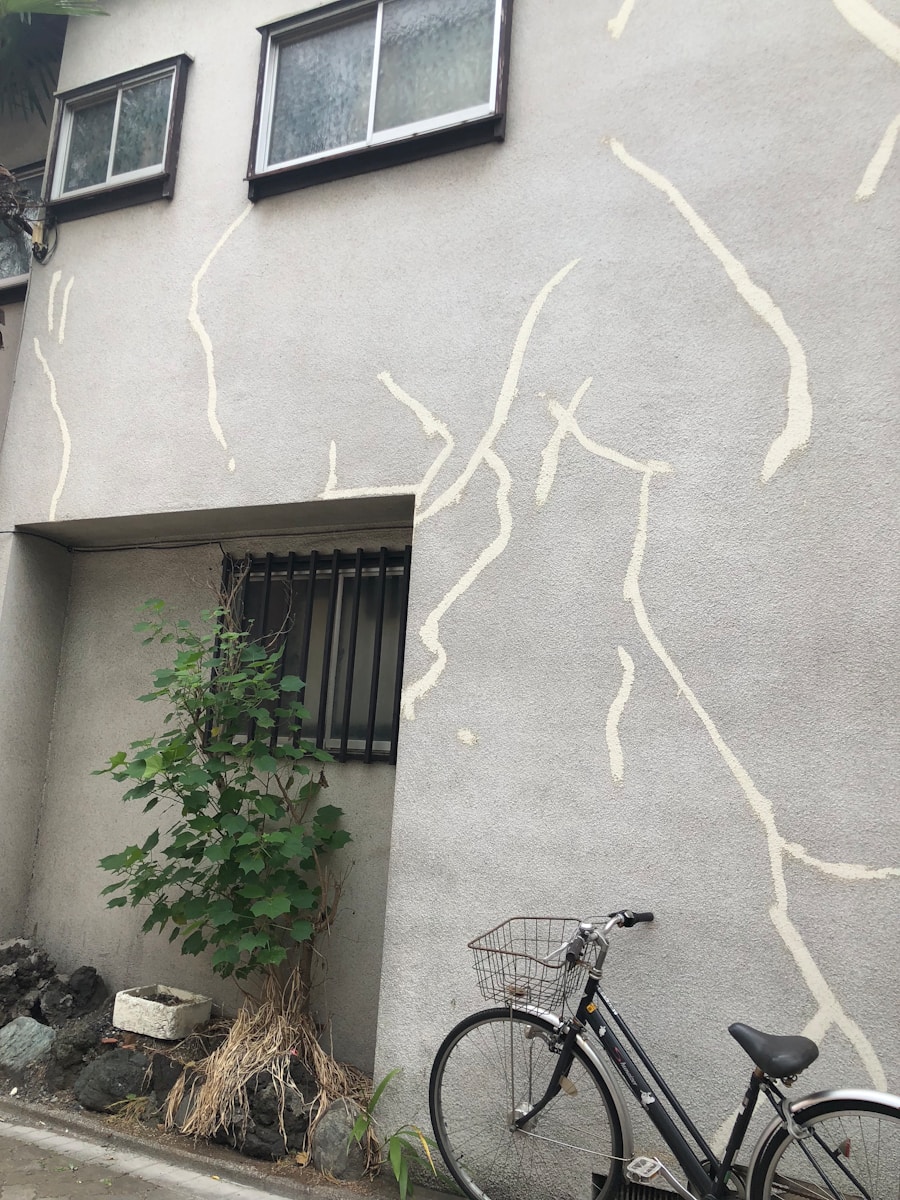
The structural integrity of a home can be severely compromised by excess moisture in the basement. Over time, water intrusion can lead to foundational issues such as cracks in the walls and floors, which may allow further water penetration. These cracks can expand due to freeze-thaw cycles, where water seeps into the cracks, freezes, and then expands, causing more damage.
This cycle can weaken the foundation and lead to costly repairs if not addressed early on. In Brooklyn, where many homes are older and may have settled over time, these issues can be particularly pronounced. Additionally, moisture can lead to wood rot in structural components such as beams and joists.
When wood becomes saturated with water, it loses its strength and can become a breeding ground for fungi that further deteriorate its integrity. This deterioration can compromise the entire structure of the home, leading to sagging floors or even collapse in extreme cases. Homeowners must recognize that moisture control is not merely a cosmetic concern; it is essential for maintaining the safety and longevity of their property.
Ways to Control Moisture in Your Brooklyn Basement
Controlling moisture in a Brooklyn basement requires a multifaceted approach that addresses both immediate concerns and long-term solutions. One effective method is to ensure proper drainage around the foundation of the home. This can involve installing gutters and downspouts that direct water away from the foundation, as well as ensuring that the grading around the house slopes away from it.
Additionally, homeowners may consider installing a French drain system that collects groundwater and directs it away from the basement. Another important aspect of moisture control is managing humidity levels within the basement itself. Dehumidifiers can be an effective tool for reducing humidity, especially during warmer months when moisture levels tend to rise.
Regularly checking for leaks in plumbing fixtures and repairing any that are found is also crucial in preventing excess moisture accumulation. Homeowners should also be vigilant about sealing any cracks or gaps in walls and floors with appropriate sealants to prevent water intrusion.
Importance of Proper Ventilation in Basements
Proper ventilation plays a critical role in controlling moisture levels in basements. Without adequate airflow, humidity can build up quickly, creating an environment ripe for mold growth and other moisture-related issues. Ventilation systems can help circulate air and reduce humidity levels by allowing moist air to escape while bringing in drier air from outside.
In some cases, installing vents or windows that can be opened during dry weather can significantly improve air circulation. Moreover, mechanical ventilation systems such as exhaust fans or whole-house ventilation systems can provide consistent airflow throughout the basement. These systems are particularly beneficial in areas with high humidity or where basements are frequently used for laundry or other activities that generate moisture.
By ensuring that air is continuously exchanged, homeowners can maintain a healthier environment that minimizes the risks associated with excess moisture.
Waterproofing Solutions for Brooklyn Basements
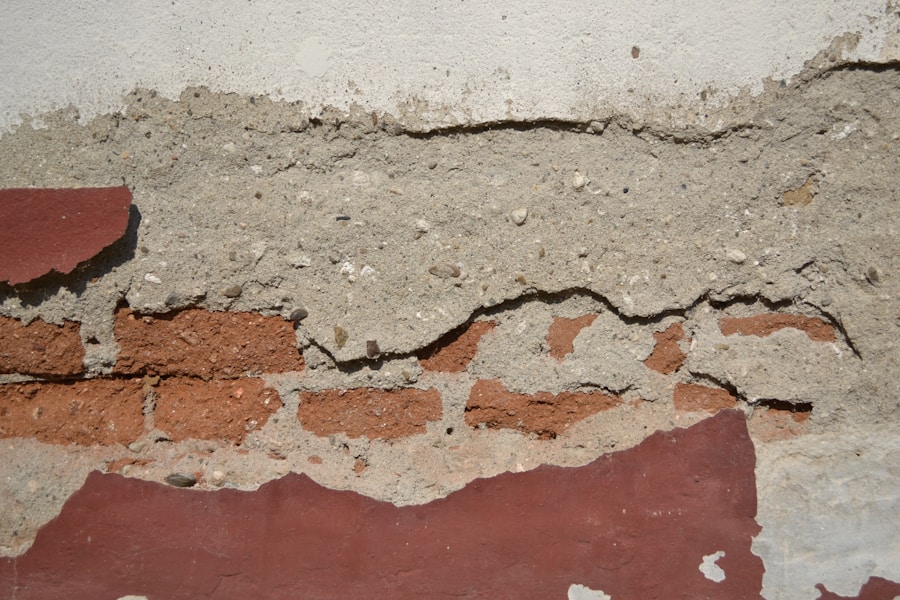
Waterproofing is an essential strategy for protecting basements from moisture intrusion. There are several methods available, each with its own advantages depending on the specific needs of a home. One common approach is exterior waterproofing, which involves excavating around the foundation and applying a waterproof membrane to prevent water from seeping through the walls.
This method is particularly effective for homes with significant water intrusion issues. Interior waterproofing solutions are also available and often involve installing drainage systems within the basement itself. This may include sump pumps that collect water and pump it out of the basement or interior French drains that channel water away from walls.
Additionally, applying waterproof coatings to walls and floors can provide an extra layer of protection against moisture penetration. Homeowners should consult with professionals to determine which waterproofing solutions are best suited for their specific circumstances.
Professional Help for Moisture Control in Your Basement
While some homeowners may attempt DIY solutions for moisture control, enlisting professional help is often advisable for more complex issues. Professionals specializing in basement waterproofing and moisture control have the expertise and tools necessary to assess the situation accurately and recommend appropriate solutions. They can conduct thorough inspections to identify potential sources of moisture intrusion that may not be immediately visible to homeowners.
Moreover, professionals can provide tailored solutions based on the unique characteristics of a home’s foundation and surrounding landscape. They are also equipped to handle any necessary repairs or installations safely and effectively, ensuring that all work meets local building codes and standards. By investing in professional services, homeowners can save time and money in the long run by addressing moisture issues before they escalate into more significant problems.
Long-Term Benefits of Moisture Control in Your Brooklyn Basement
Implementing effective moisture control measures in a Brooklyn basement offers numerous long-term benefits that extend beyond immediate comfort and safety concerns. One significant advantage is increased property value; homes with dry basements are generally more attractive to potential buyers and may command higher prices on the market. A well-maintained basement can serve as valuable living space or storage area, enhancing the overall functionality of a home.
Additionally, controlling moisture contributes to improved indoor air quality, which is essential for maintaining a healthy living environment. By reducing mold growth and preventing pest infestations, homeowners can create a safer atmosphere for their families. Furthermore, addressing moisture issues proactively helps prevent costly repairs associated with structural damage over time.
Ultimately, investing in moisture control not only protects a home’s physical structure but also enhances its overall livability and value for years to come.
If you are considering remodeling your basement in Brooklyn, you may also be interested in creating an outdoor oasis in your backyard.