In Brooklyn, where the climate can fluctuate dramatically, basements often face unique challenges, particularly concerning moisture and water intrusion. The importance of waterproof flooring in these subterranean spaces cannot be overstated. Basements are typically more susceptible to dampness due to their location below ground level, which can lead to a host of problems, including mold growth, structural damage, and unpleasant odors.
Waterproof flooring serves as a critical barrier against these issues, ensuring that your basement remains a safe and usable space. Moreover, the implications of neglecting waterproof flooring can extend beyond mere aesthetics. Water damage can compromise the integrity of your home, leading to costly repairs and potential health risks associated with mold and mildew.
By investing in waterproof flooring, homeowners in Brooklyn can protect their property while also enhancing the functionality of their basements. This is particularly relevant for those looking to convert their basements into livable spaces, such as home offices, gyms, or entertainment areas. A well-chosen waterproof flooring solution not only safeguards against moisture but also contributes to the overall comfort and usability of the basement.
Key Takeaways
- Waterproof flooring is crucial for basements in Brooklyn to prevent water damage and mold growth.
- There are various types of waterproof flooring options available, including vinyl, ceramic tile, and concrete.
- When comparing durability and maintenance, vinyl and ceramic tile are low-maintenance and highly durable options.
- Aesthetic appeal is an important factor to consider, with options like luxury vinyl plank and decorative concrete offering stylish looks.
- Budget-friendly options like laminate and sheet vinyl provide cost-effective waterproof flooring solutions for Brooklyn basements.
Exploring Different Types of Waterproof Flooring Options
Luxury Vinyl Plank: A Durable and Aesthetically Pleasing Option
One popular choice is luxury vinyl plank (LVP), which mimics the appearance of hardwood while offering superior water resistance. LVP is not only aesthetically pleasing but also durable and easy to install, making it an ideal option for homeowners looking for a quick and effective solution. Its resilience against scratches and dents further enhances its appeal, especially in high-traffic areas.
Ceramic or Porcelain Tile: A Waterproof and Customizable Option
Another noteworthy option is ceramic or porcelain tile. These materials are inherently waterproof and come in a vast array of designs and colors, allowing homeowners to customize their basements according to personal taste. Tiles are also exceptionally durable and can withstand heavy foot traffic without showing signs of wear.
Considerations for Installation and Comfort
However, the installation process for tiles can be more labor-intensive compared to LVP, often requiring professional assistance. Additionally, while tiles are resistant to moisture, they can be cold underfoot, which may necessitate the addition of area rugs or radiant heating systems for comfort.
Comparing the Durability and Maintenance of Waterproof Flooring Solutions
Durability is a crucial factor when selecting waterproof flooring for your basement, as it directly impacts the longevity and performance of the material. Luxury vinyl plank flooring is known for its resilience; it can withstand heavy loads and resist scratches, making it suitable for active households. Its maintenance is relatively straightforward—regular sweeping and occasional mopping with a gentle cleaner are usually sufficient to keep it looking pristine.
However, it’s essential to avoid harsh chemicals that could damage the surface. On the other hand, ceramic and porcelain tiles boast exceptional durability as well. They are resistant to stains and moisture, making them an excellent choice for basements prone to spills or humidity.
Maintenance involves similar practices—regular cleaning with a damp mop and periodic sealing of grout lines to prevent discoloration. While both options offer durability, tiles may require more effort in terms of maintenance due to grout upkeep. Ultimately, the choice between these materials may come down to personal preference regarding aesthetics and comfort.
Considering the Aesthetic Appeal of Waterproof Flooring for Your Basement
Aesthetics play a significant role in choosing flooring for any space, including basements. Homeowners often desire a look that complements their overall home design while also providing functionality. Luxury vinyl plank flooring excels in this regard; it comes in various styles that replicate natural materials like wood or stone.
This versatility allows homeowners to achieve a high-end look without the associated costs or maintenance challenges of real wood or stone. Ceramic and porcelain tiles also offer extensive design possibilities. With countless colors, patterns, and textures available, these tiles can be arranged in creative layouts that enhance the visual appeal of a basement.
For instance, large-format tiles can create an illusion of space, while mosaic designs can add character and charm. The ability to mix and match different tile styles further allows for personalized designs that reflect individual tastes. Ultimately, both luxury vinyl and tile options provide ample opportunities for aesthetic enhancement while ensuring that the basement remains functional and waterproof.
Budget-Friendly Waterproof Flooring Solutions for Your Brooklyn Basement
Budget considerations are often paramount when selecting flooring solutions for any home improvement project. Fortunately, there are several budget-friendly waterproof flooring options available for Brooklyn homeowners looking to enhance their basements without breaking the bank. One of the most economical choices is sheet vinyl flooring.
This material is not only affordable but also offers excellent water resistance and ease of installation. Sheet vinyl comes in large rolls that can cover expansive areas with minimal seams, reducing the risk of water penetration. Another cost-effective option is laminate flooring designed specifically for moisture resistance.
While traditional laminate may not hold up well in damp environments, newer products on the market feature enhanced water-resistant properties that make them suitable for basements. Laminate flooring is generally less expensive than hardwood or tile options while still providing a stylish appearance. Homeowners can find laminate that mimics various wood species or even stone finishes at a fraction of the cost of genuine materials.
Installation and Maintenance Tips for Waterproof Flooring in Basements
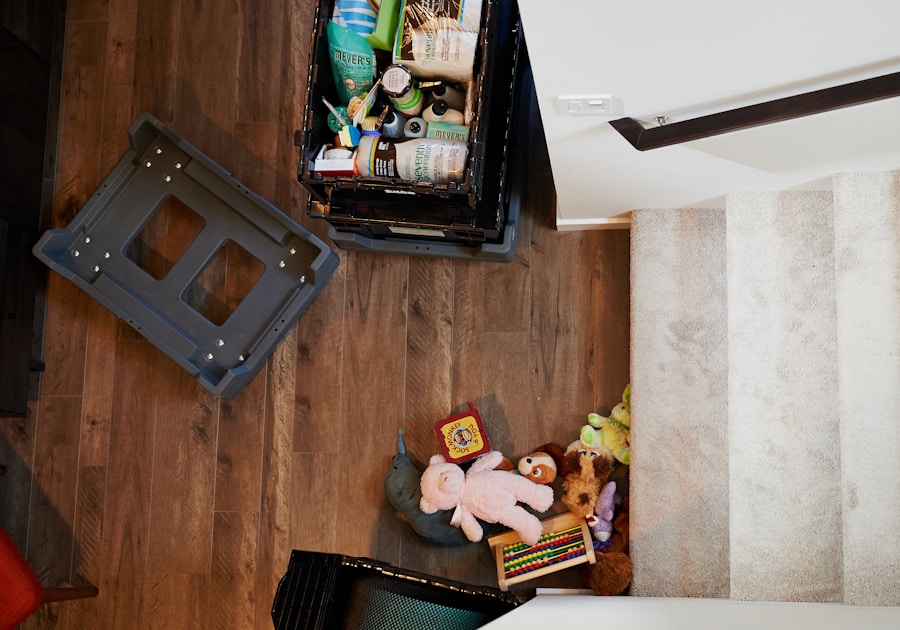
Proper installation is crucial for ensuring the effectiveness of waterproof flooring in basements. Before installation begins, it’s essential to prepare the subfloor adequately by ensuring it is clean, dry, and level. Any existing moisture issues should be addressed prior to laying down new flooring; this may involve applying a moisture barrier or using dehumidifiers to reduce humidity levels in the space.
For luxury vinyl plank or laminate flooring, following manufacturer guidelines during installation will help prevent future problems related to expansion or contraction due to temperature changes. Maintenance practices will vary depending on the type of flooring chosen but generally involve regular cleaning routines to keep surfaces free from dirt and debris. For vinyl plank flooring, sweeping or vacuuming followed by damp mopping with a mild cleaner will suffice.
In contrast, ceramic tiles may require more attention to grout lines; using a specialized grout cleaner periodically can help maintain their appearance over time. Regardless of the material selected, establishing a routine maintenance schedule will prolong the life of your waterproof flooring and keep your basement looking its best.
Addressing Common Concerns and Misconceptions About Waterproof Flooring
Despite the clear benefits of waterproof flooring solutions, several misconceptions persist that may deter homeowners from making informed decisions. One common concern is that waterproof flooring lacks comfort underfoot compared to traditional materials like carpet or hardwood. While it’s true that some waterproof options can feel colder or harder than soft surfaces, many manufacturers now offer products designed with added cushioning or insulation features that enhance comfort without sacrificing water resistance.
Another misconception revolves around the belief that all waterproof flooring is created equal in terms of durability and performance.
For instance, while some luxury vinyl planks may be labeled as waterproof, they might not withstand prolonged exposure to standing water as effectively as others designed specifically for high-moisture environments.
Educating oneself about product specifications and seeking advice from professionals can help dispel these myths and lead to better purchasing decisions.
Choosing the Right Waterproof Flooring Solution for Your Specific Basement Needs
Selecting the right waterproof flooring solution for your Brooklyn basement requires careful consideration of various factors unique to your space. Begin by assessing your basement’s specific conditions—consider factors such as humidity levels, potential water intrusion points, and how you plan to use the space. If you anticipate heavy foot traffic or plan to use the area as a recreational space for children or pets, durability should be a top priority in your decision-making process.
Additionally, think about your aesthetic preferences and budget constraints when exploring options. If you desire a high-end look without significant investment, luxury vinyl plank may be an ideal choice due to its versatility and affordability. Conversely, if you prefer a classic tile appearance with extensive design options, ceramic or porcelain tiles could be more suitable despite potentially higher installation costs.
Ultimately, taking the time to evaluate your specific needs will lead you toward a waterproof flooring solution that not only protects your basement but also enhances its overall appeal and functionality.
If you are considering waterproof flooring solutions for your Brooklyn basement, you may also be interested in exploring the stylish makeovers that can elevate your interior design. Check out this article for inspiration on how to transform your space into a beautiful and functional area. Whether you are looking to update your basement with custom home builds or simply want to enhance the overall aesthetic, there are endless possibilities to consider. Contact Basement Remodeling ESG today for a quote and start creating the basement of your dreams.
FAQs
What are the best waterproof flooring solutions for a Brooklyn basement?
The best waterproof flooring solutions for a Brooklyn basement include luxury vinyl planks, ceramic or porcelain tile, and concrete flooring with a waterproof sealant.
Why is waterproof flooring important for a basement in Brooklyn?
Waterproof flooring is important for a basement in Brooklyn because the area is prone to high humidity levels and potential flooding due to its proximity to bodies of water and the risk of heavy rainfall.
How can waterproof flooring benefit a Brooklyn basement?
Waterproof flooring can benefit a Brooklyn basement by providing protection against water damage, mold, and mildew, as well as offering durability and easy maintenance in a high-moisture environment.
What are the key factors to consider when choosing waterproof flooring for a Brooklyn basement?
Key factors to consider when choosing waterproof flooring for a Brooklyn basement include the material’s resistance to water, durability, ease of installation, and the overall aesthetic appeal that complements the basement space.
Are there any specific installation or maintenance considerations for waterproof flooring in a Brooklyn basement?
When installing waterproof flooring in a Brooklyn basement, it’s important to ensure proper subfloor preparation and to follow manufacturer’s guidelines for installation. Additionally, regular cleaning and inspection for any signs of water intrusion are important for maintaining the integrity of the waterproof flooring.