Living in a basement apartment in Brooklyn can be a unique experience, offering a blend of urban convenience and a sense of seclusion. However, one of the most significant challenges faced by residents in these spaces is noise. The very nature of basement living often means being closer to the ground, where sounds from the street, neighboring units, and even plumbing systems can create a cacophony that disrupts daily life.
The proximity to busy streets, coupled with the structural characteristics of older buildings, can amplify sound, making it difficult to find peace and quiet. Moreover, the construction materials commonly used in Brooklyn’s older buildings often lack modern soundproofing technologies. Thin walls, single-pane windows, and inadequate insulation can all contribute to a noisy environment.
Residents may find themselves contending with everything from the rumble of passing cars to the chatter of neighbors above or beside them. Understanding these challenges is the first step toward creating a more serene living space. By recognizing the sources of noise and their impact on daily life, residents can take proactive measures to mitigate these disturbances.
Key Takeaways
- Understanding the importance of addressing noise challenges in Brooklyn basement apartments
- Choosing the right soundproofing materials is crucial for effective noise reduction
- Sealing cracks and gaps is essential to prevent sound leakage in basement apartments
- Installing soundproofing insulation in walls and ceilings can significantly reduce noise transmission
- Adding acoustic panels can help absorb and dampen sound in basement apartments
Choosing the Right Soundproofing Materials for Your Basement Apartment
Mass-Loaded Vinyl: A Popular Choice
Mass-loaded vinyl (MLV) is a popular choice due to its density and flexibility. It can be applied to walls, ceilings, and floors to effectively block sound transmission. MLV is particularly effective in urban environments like Brooklyn, where external noise can be pervasive.
Acoustic Foam: Absorbing Sound
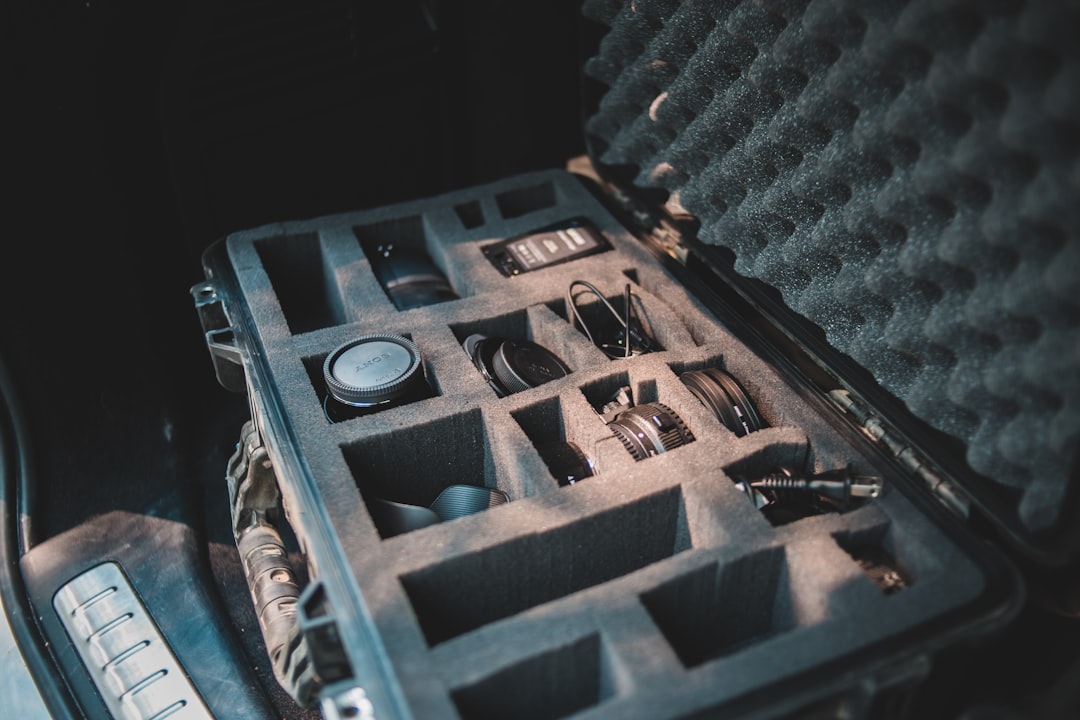
Another effective material is acoustic foam, which is designed to absorb sound rather than block it. This type of foam can be particularly useful in reducing echo and reverberation within a room. When strategically placed on walls or ceilings, acoustic foam panels can significantly improve the overall sound quality in a basement apartment.
Resilient Channels and Decoupling
Additionally, resilient channels are another option that can be installed between drywall layers to create a decoupling effect, further reducing sound transmission. By carefully considering the specific noise challenges faced in a basement apartment, residents can choose materials that best suit their needs.
Sealing Cracks and Gaps to Prevent Sound Leakage

One of the most straightforward yet often overlooked methods of soundproofing is sealing cracks and gaps throughout the apartment. Sound can easily travel through even the smallest openings, making it essential to identify and address these vulnerabilities. Common areas where sound leakage occurs include around windows, doors, electrical outlets, and baseboards.
Using acoustical caulk or weatherstripping can effectively seal these gaps, creating a more soundproof environment. In addition to sealing visible cracks, it’s important to consider less obvious areas where sound may seep through. For example, plumbing pipes that run through walls can create pathways for noise.
Insulating these pipes with foam sleeves or wrapping them in soundproofing material can help minimize this issue. By taking the time to thoroughly inspect the apartment for potential sound leaks and addressing them promptly, residents can significantly reduce unwanted noise intrusion.
Installing Soundproofing Insulation in the Walls and Ceilings
For those looking to take more extensive measures against noise pollution, installing soundproofing insulation in the walls and ceilings is an effective strategy. Traditional fiberglass insulation is often used for thermal purposes but does not provide adequate soundproofing on its own. Instead, materials specifically designed for sound absorption should be considered.
Rockwool insulation, for example, is denser than fiberglass and offers superior sound-dampening properties. When installing soundproofing insulation, it’s essential to focus on both interior walls and ceilings. In many cases, basement apartments share walls with neighboring units, making it crucial to insulate these areas effectively.
The installation process typically involves removing drywall and placing insulation between wall studs before re-drywalling. This method not only enhances soundproofing but also improves energy efficiency by providing better thermal insulation. By investing in quality soundproofing insulation, residents can create a quieter living environment that enhances their overall quality of life.
Adding Acoustic Panels to Absorb and Dampen Sound
Acoustic panels are another valuable tool for those seeking to improve sound quality within their basement apartments. These panels are designed to absorb sound waves, reducing echo and reverberation that can make spaces feel noisy and chaotic. Available in various styles and colors, acoustic panels can also serve as decorative elements while enhancing functionality.
When selecting acoustic panels, it’s important to consider their placement within the apartment. High-traffic areas or rooms where noise tends to bounce off hard surfaces—such as kitchens or living rooms—are ideal locations for installation. By strategically placing panels on walls or ceilings, residents can create a more balanced acoustic environment that minimizes disruptive sounds.
Additionally, combining acoustic panels with other soundproofing measures can yield even greater results, leading to a more peaceful living space.
Using Heavy Curtains and Drapes to Block Out Noise

Another effective method for reducing noise in a basement apartment is the use of heavy curtains or drapes. These window treatments not only provide privacy but also serve as an additional barrier against external sounds. Thick fabrics such as velvet or specially designed acoustic curtains can significantly dampen noise from outside sources like traffic or construction.
When selecting curtains for soundproofing purposes, it’s essential to ensure they are long enough to cover the entire window area and extend beyond the edges to minimize sound leakage. Additionally, using curtain rods that allow for easy opening and closing will enable residents to adjust their window treatments based on their needs throughout the day. By incorporating heavy curtains into their decor, residents can enhance both the aesthetic appeal of their space and its overall soundproofing capabilities.
Upgrading Windows and Doors for Better Sound Insulation
Windows and doors are often significant contributors to noise infiltration in basement apartments. Upgrading these features can lead to substantial improvements in sound insulation. Double-glazed windows are an excellent option for those looking to reduce noise levels; they consist of two panes of glass separated by an air gap that acts as an effective barrier against sound transmission.
In addition to upgrading windows, residents should also consider reinforcing their doors. Solid-core doors provide better sound insulation than hollow-core options due to their density and mass. Installing weatherstripping around doors can further enhance their ability to block out noise by sealing any gaps that may exist around the edges.
By investing in high-quality windows and doors, residents can create a more tranquil living environment that allows them to enjoy their space without constant disturbances from outside.
Creating a Soundproofed Floor with Carpeting or Rugs
The flooring in a basement apartment plays a crucial role in overall acoustics. Hard surfaces such as tile or hardwood can reflect sound waves, leading to increased noise levels within the space. To combat this issue, residents should consider adding carpeting or area rugs as part of their soundproofing strategy.
Carpets are excellent at absorbing sound and reducing impact noise from footsteps or moving furniture. When selecting carpeting or rugs for soundproofing purposes, thicker options tend to provide better results due to their density and ability to absorb vibrations. Additionally, using underlayments specifically designed for sound absorption beneath carpets can further enhance their effectiveness.
By creating a soft flooring surface, residents can significantly reduce noise levels while also adding warmth and comfort to their living spaces.
Addressing Noise from HVAC Systems and Appliances
In many basement apartments, HVAC systems and appliances can contribute significantly to overall noise levels. The hum of air conditioning units or the clanking of pipes can disrupt daily activities and make it challenging to relax at home. To address these issues, residents should consider implementing soundproofing measures specifically tailored for these systems.
One effective approach is to insulate ductwork with acoustic insulation sleeves designed to minimize noise transmission. Additionally, placing rubber mats under appliances such as washing machines or refrigerators can help absorb vibrations that contribute to noise pollution. Regular maintenance of HVAC systems is also essential; ensuring that units are functioning properly can prevent excessive noise caused by mechanical issues or wear and tear.
Soundproofing Tips for Shared Walls in Basement Apartments
Shared walls present unique challenges when it comes to soundproofing in basement apartments. Noise from neighbors can easily penetrate through thin walls, making it essential for residents to take proactive measures to mitigate this issue. One effective strategy is to install additional layers of drywall with soundproofing glue between them; this creates a decoupling effect that reduces sound transmission.
Another option is to use acoustic sealant along shared walls to fill any gaps or cracks that may allow sound leakage. Additionally, hanging heavy tapestries or artwork on shared walls can help absorb some of the noise coming from neighboring units while adding an aesthetic touch to the decor. By focusing on shared walls specifically, residents can create a more peaceful living environment that minimizes disturbances from adjacent apartments.
Maintaining and Updating Your Soundproofing Measures for Long-Term Effectiveness
Soundproofing is not a one-time project; it requires ongoing maintenance and occasional updates to ensure long-term effectiveness. Over time, materials may wear down or become less effective due to changes in the environment or building structure. Regularly inspecting soundproofing measures—such as checking for cracks around windows or doors—can help identify areas that need attention.
Additionally, residents should stay informed about new soundproofing technologies and materials that may become available over time. As advancements are made in building science and acoustics, incorporating new solutions into existing setups can enhance overall performance significantly. By committing to regular maintenance and being open to updates, residents can ensure that their basement apartments remain quiet sanctuaries amidst the bustling urban landscape of Brooklyn.
If you are looking for more information on basement remodeling, check out this helpful article on our step-by-step basement remodeling process. This article provides a detailed guide on how to transform your basement into a functional and stylish living space. By following these steps, you can create a beautiful and comfortable basement apartment that meets your needs and preferences.
FAQs
What are the benefits of soundproofing a basement apartment in Brooklyn?
Soundproofing a basement apartment in Brooklyn can provide a quieter and more peaceful living environment for tenants. It can also help to reduce noise disturbances from neighboring apartments and the street, ultimately improving the overall quality of life for residents.
What are some effective soundproofing methods for basement apartments?
Some effective soundproofing methods for basement apartments include adding insulation to walls and ceilings, installing soundproof windows and doors, using soundproof curtains or acoustic panels, and sealing any gaps or cracks that may allow sound to travel through.
Are there any building regulations or guidelines for soundproofing basement apartments in Brooklyn?
Yes, there are building regulations and guidelines for soundproofing basement apartments in Brooklyn. Landlords and property owners are required to comply with the New York City Noise Control Code, which sets standards for acceptable noise levels and outlines requirements for sound insulation in residential buildings.
Can soundproofing a basement apartment increase property value?
Yes, soundproofing a basement apartment can potentially increase property value. A well-insulated and soundproofed apartment is often more attractive to potential tenants or buyers, as it offers a quieter and more comfortable living space.
How much does it cost to soundproof a basement apartment in Brooklyn?
The cost of soundproofing a basement apartment in Brooklyn can vary depending on the size of the space and the specific soundproofing methods used. It is recommended to consult with a professional contractor to get an accurate estimate for the cost of soundproofing a basement apartment.