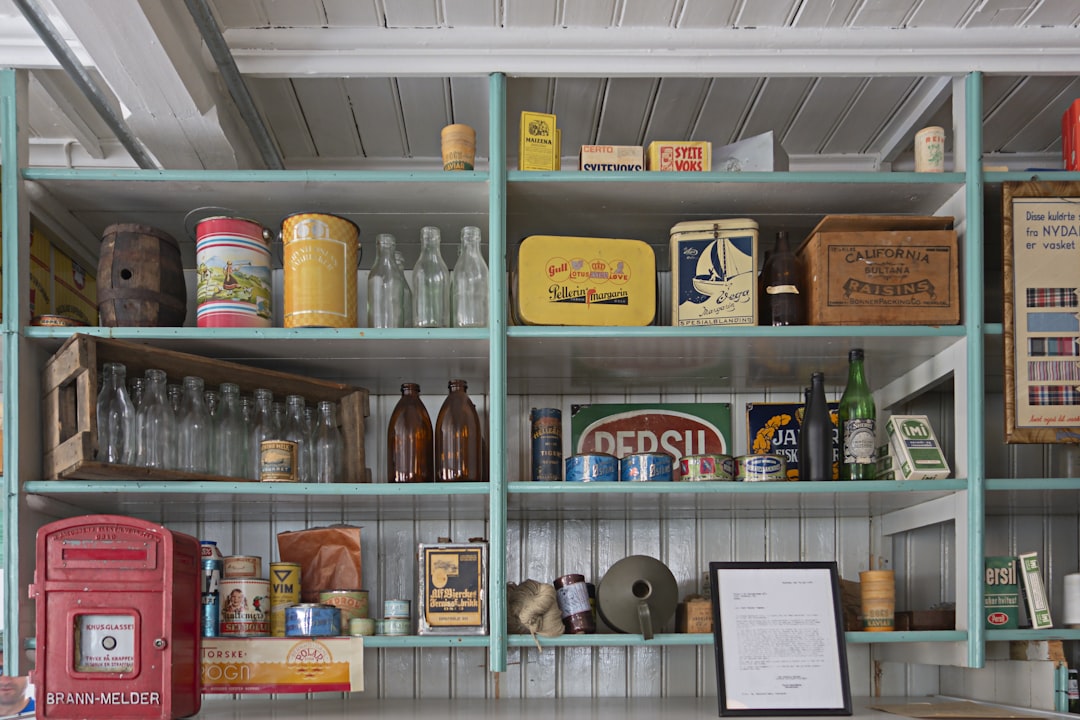
Before embarking on the journey of organizing and decorating your shelves, it is crucial to conduct a thorough assessment of your space.
Consider the height, width, and depth of the available space, as well as the surrounding furniture and decor.
For instance, if you are working with a small living room, you might want to opt for vertical shelving that draws the eye upward, creating an illusion of height and spaciousness. Conversely, in a larger room, you may have the freedom to choose wider, more expansive shelves that can accommodate a variety of items. Additionally, take note of the lighting in the area.
Natural light can dramatically affect how colors and textures appear, so it’s essential to consider this when selecting shelf materials and items to display. If your space is dimly lit, lighter-colored shelves or items can help brighten the area. Furthermore, think about the purpose of the shelves.
Are they primarily for storage, display, or both? Understanding your needs will guide you in making informed decisions about what to place on the shelves and how to arrange them effectively.
Key Takeaways
- Assess your space to determine the size and layout of the shelves needed
- Choose shelves that are sturdy, adjustable, and fit the aesthetic of the room
- Organize items by category and use storage bins or baskets for smaller items
- Maximize functionality by using vertical space and incorporating multi-purpose shelves
- Add personality with decorative items, artwork, and personal touches on the shelves
- Incorporate greenery with potted plants or hanging planters for a touch of nature
- Create a cohesive look by using matching storage containers and arranging items symmetrically
- Maintain and clean shelves regularly to keep them looking neat and organized
Choosing the Right Shelves:
Material Options
Wooden shelves exude warmth and can complement a rustic or traditional decor style, while metal shelves often lend a modern or industrial feel. Glass shelves can create an airy look and are perfect for showcasing decorative items without overwhelming the space.
Functionality and Durability
When choosing shelves, consider not only the aesthetic appeal but also their weight capacity and durability. For example, if you plan to store heavy books or collectibles, sturdy wooden or metal shelves would be more appropriate than lightweight options.
Configuration and Customization
Moreover, think about the configuration of the shelves. Floating shelves can create a minimalist look and are ideal for small spaces where floor area is limited. On the other hand, bookcases or shelving units with multiple tiers provide ample storage and display options. Modular shelving systems offer flexibility, allowing you to customize the arrangement based on your changing needs. When selecting shelves, it’s also wise to consider how they will fit into your existing decor. A cohesive design will enhance the overall aesthetic of your space and create a harmonious environment.
Organizing Your Items:

Once you have chosen the right shelves, the next step is to organize your items effectively. Begin by categorizing your belongings into groups based on their function or type. For instance, you might have a section for books, another for decorative items, and yet another for personal memorabilia.
This categorization not only makes it easier to find what you need but also creates a visually appealing arrangement when displayed on the shelves. Consider using baskets or boxes for smaller items to keep them contained and prevent clutter from accumulating. When arranging items on your shelves, employ the principle of visual balance.
This involves distributing items of varying heights and sizes evenly across the shelves to create an aesthetically pleasing look. For example, place taller books or decorative pieces at the back or center of the shelf while positioning shorter items in front. Additionally, consider using varying orientations; some items can be displayed vertically while others are laid flat.
This mix adds interest and depth to your arrangement. Remember that negative space is just as important as the items themselves; leaving some areas empty can help prevent a crowded appearance and allow each piece to stand out.
Maximizing Functionality:
To ensure that your shelving solution is not only visually appealing but also functional, consider how you can maximize its usability. One effective strategy is to incorporate multi-functional items into your shelving design. For instance, decorative boxes can serve as both storage solutions and design elements, while books can be stacked horizontally to create platforms for smaller decorative objects.
Additionally, think about accessibility; frequently used items should be placed at eye level or within easy reach, while less frequently accessed items can be stored higher up or further back on the shelves. Another way to enhance functionality is by integrating technology into your shelving design. For example, if you have a home office setup, consider installing shelves that accommodate charging stations for devices or built-in lighting for better visibility when working.
By thoughtfully considering how you use your space and what items you need access to regularly, you can create a shelving system that serves both practical and aesthetic purposes.
Adding Personality:
Infusing personality into your shelving design is essential for creating a space that feels uniquely yours. Personal touches can transform a simple shelf into a reflection of your interests and experiences. Start by incorporating items that tell a story—this could be travel souvenirs, family photos in stylish frames, or artwork that resonates with you.
These personal artifacts not only add character but also serve as conversation starters when guests visit your home. In addition to personal items, consider incorporating unique decorative elements that showcase your style. This could include sculptures, vases, or handmade crafts that resonate with your aesthetic preferences.
Mixing textures—such as combining ceramic with wood or metal—can also add depth and interest to your display. Don’t shy away from color; vibrant accents can bring life to neutral spaces and create focal points on your shelves. Ultimately, the goal is to curate a collection of items that not only looks good together but also reflects who you are.
Incorporating Greenery:
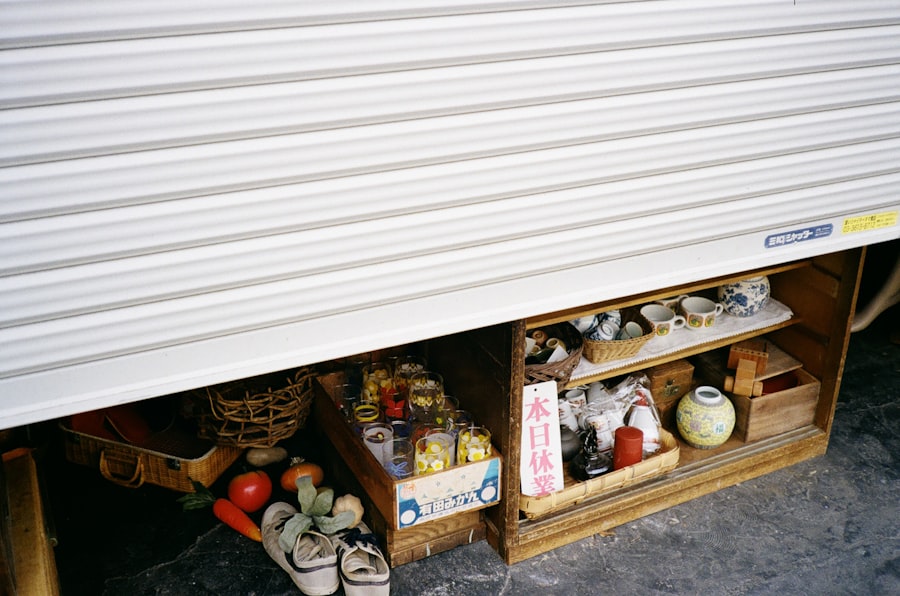
Plants are an excellent way to breathe life into your shelving arrangement while enhancing air quality and adding a touch of nature indoors. When selecting plants for your shelves, consider their light requirements and how they will thrive in your specific environment. Low-maintenance options like succulents or snake plants are perfect for beginners or those with less-than-ideal lighting conditions.
Alternatively, if you have ample natural light, consider incorporating trailing plants like pothos or string of pearls that can cascade beautifully over the edges of your shelves. Incorporating greenery doesn’t have to be limited to traditional pots; think creatively about how you display plants on your shelves. Use hanging planters for a dynamic look or terrariums for a more contained option that adds visual interest without taking up too much space.
Additionally, consider grouping plants with other decorative items to create cohesive vignettes that draw the eye and enhance the overall aesthetic of your shelving unit.
Creating a Cohesive Look:
Achieving a cohesive look across your shelving design is essential for creating an inviting atmosphere in any room. Start by establishing a color palette that complements the existing decor in your space; this could involve selecting items in similar hues or using contrasting colors strategically to create visual interest without overwhelming the eye. For instance, if your room features warm tones like beige and brown, incorporating accessories in soft greens or muted blues can create a harmonious balance.
Another way to ensure cohesion is through consistent styling techniques across all shelves. This might involve using similar materials—such as wood finishes or metal accents—or employing similar shapes throughout your display. For example, if you choose round decorative objects like bowls or globes on one shelf, consider echoing that shape with round frames or mirrors on another shelf.
By maintaining consistency in both color and styling elements, you can create an organized yet visually appealing display that enhances the overall aesthetic of your space.
Maintaining and Cleaning the Shelves:
Once you have successfully organized and styled your shelves, it’s important to establish a routine for maintenance and cleaning to keep them looking their best over time. Dust accumulation can quickly detract from an otherwise polished appearance; therefore, regular dusting should be part of your cleaning regimen. Use a microfiber cloth or duster to gently wipe down surfaces without scratching any delicate items.
In addition to dusting, periodically reassess the organization of your shelves to ensure they continue to meet your needs as they evolve over time. This might involve rotating decorative pieces seasonally or swapping out books based on current interests or reading lists. If you notice any items that no longer resonate with you or fit within your design scheme, don’t hesitate to remove them from the display altogether; this will help maintain a fresh and inviting atmosphere in your space.
By committing to regular upkeep and thoughtful curation of your shelving arrangement, you can enjoy a beautifully organized display that reflects both functionality and personal style for years to come.
If you’re looking to maximize space in your Brooklyn basement apartment, you may also want to consider clever remodeling techniques. This article offers tips and ideas for making the most of your limited square footage. Whether you’re creating a home theater or simply looking to organize your belongings, these techniques can help you make the most of your space. Additionally, if you’re planning on installing open shelving, you may want to brush up on your knowledge of fasteners. This article provides guidance on choosing the right screws or bolts for your project.
FAQs
What are the benefits of using open shelving in a Brooklyn basement apartment?
Open shelving can help maximize space in a small basement apartment, create a more open and airy feel, and provide easy access to everyday items.
What are some tips for organizing items on open shelving in a basement apartment?
Consider using baskets or bins to corral smaller items, group similar items together, and use decorative items to add visual interest to the shelves.
How can I make the most of natural light in a basement apartment with open shelving?
Position open shelving near windows or light sources to maximize natural light, and consider using light-colored shelves to help reflect light around the space.
What are some popular styles of open shelving for a Brooklyn basement apartment?
Some popular styles of open shelving for a basement apartment include industrial pipe shelving, reclaimed wood shelves, and minimalist floating shelves.
Are there any considerations to keep in mind when installing open shelving in a basement apartment?
It’s important to consider the weight capacity of the shelves, the stability of the walls for mounting, and any potential moisture or humidity issues in a basement environment.