Waterproofing is a critical aspect of maintaining the integrity and longevity of a building, particularly in areas prone to moisture and flooding. In urban environments like Brooklyn, where basements are common, the need for effective waterproofing becomes even more pronounced. Water intrusion can lead to a myriad of problems, including structural damage, mold growth, and compromised indoor air quality.
The importance of waterproofing extends beyond mere aesthetics; it is a fundamental component of safeguarding a property’s value and ensuring the health and safety of its occupants. The consequences of neglecting waterproofing can be severe. For instance, water seeping into a basement can weaken the foundation over time, leading to costly repairs and potential safety hazards.
Additionally, damp environments are breeding grounds for mold and mildew, which can trigger allergic reactions and respiratory issues among residents. By investing in proper waterproofing measures, homeowners not only protect their property but also create a healthier living environment. This proactive approach can save significant amounts of money in the long run by preventing extensive damage and the need for major renovations.
Key Takeaways
- Proper waterproofing is essential for protecting your basement from water damage and mold growth.
- Common waterproofing issues in Brooklyn basements include foundation cracks, leaky windows, and poor drainage.
- The right waterproofing method for your basement depends on factors such as the source of water intrusion and the condition of your foundation.
- Hiring a professional waterproofing contractor can ensure that the job is done correctly and efficiently.
- Waterproofing before renovating your basement can prevent future water damage and increase the value of your home.
Common Waterproofing Issues in Brooklyn Basements
High Groundwater Levels and Hydrostatic Pressure
One of the most common problems is the presence of high groundwater levels, particularly during heavy rainfall or snowmelt. This can lead to hydrostatic pressure building up against basement walls, causing water to seep through cracks and joints. As a result, homeowners often find themselves dealing with puddles on the floor or damp walls, which can escalate into more serious issues if not addressed promptly.
Poor Drainage and Water Accumulation
Another frequent issue is poor drainage around the property. Inadequate gutters, downspouts that do not direct water away from the foundation, and improperly graded landscaping can all contribute to water pooling near the basement. This accumulation can exacerbate existing problems or create new ones, such as erosion or foundation settling.
Outdated Waterproofing Systems and the Need for Action
Additionally, older homes in Brooklyn may have outdated waterproofing systems that are no longer effective, making it essential for homeowners to assess their current situation and take appropriate action. By understanding the common waterproofing issues in Brooklyn, homeowners can take proactive steps to protect their properties and prevent costly repairs down the line.
Choosing the Right Waterproofing Method for Your Basement
Selecting the appropriate waterproofing method for a basement is crucial to effectively combat moisture issues. There are several techniques available, each with its own advantages and disadvantages. One common method is interior waterproofing, which involves applying sealants or coatings to walls and floors to prevent water from penetrating the interior space.
This approach is often less expensive and easier to implement than exterior methods but may not address the root cause of water intrusion. Exterior waterproofing, on the other hand, involves excavating around the foundation and applying a waterproof membrane to the exterior walls. This method is more labor-intensive and costly but provides a more comprehensive solution by preventing water from reaching the foundation in the first place.
Additionally, installing a drainage system, such as French drains or sump pumps, can further enhance the effectiveness of either method by directing water away from the foundation. Homeowners should carefully evaluate their specific circumstances, including budget constraints and the severity of their moisture issues, before making a decision.
Hiring a Professional Waterproofing Contractor
When it comes to waterproofing a basement, hiring a professional contractor can make a significant difference in the outcome of the project. Experienced contractors possess the knowledge and skills necessary to accurately assess a property’s unique needs and recommend appropriate solutions. They are familiar with local building codes and regulations, ensuring that any work performed is compliant and up to standard.
Moreover, professional contractors have access to high-quality materials and advanced techniques that may not be available to DIY enthusiasts. This expertise can lead to more effective waterproofing solutions that stand the test of time. When selecting a contractor, it is essential to conduct thorough research, including checking references, reading reviews, and obtaining multiple quotes.
A reputable contractor will provide a detailed estimate and outline the steps involved in the waterproofing process, giving homeowners peace of mind as they invest in their property’s protection.
The Benefits of Waterproofing Before Renovating
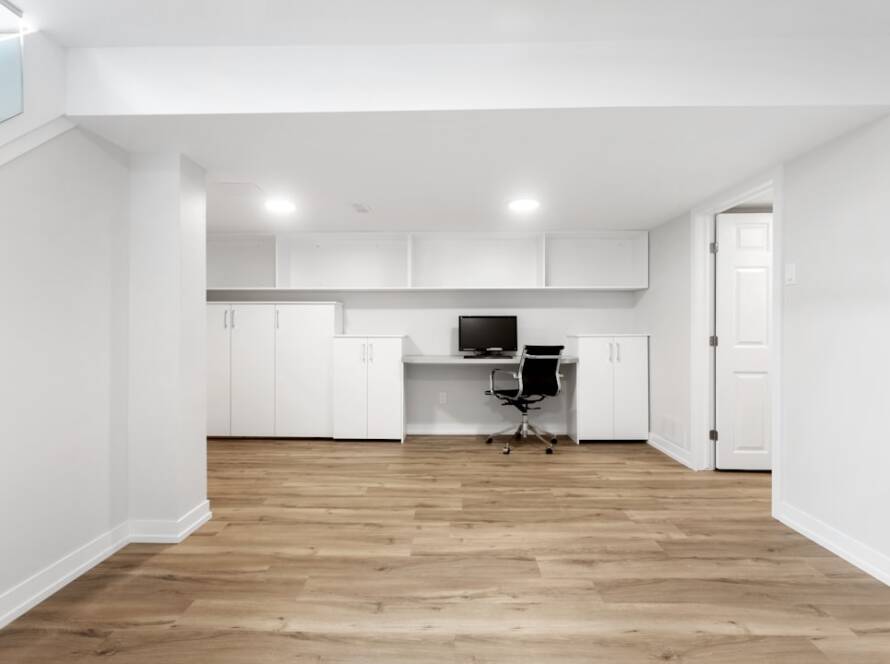
For homeowners considering renovations, waterproofing should be a top priority before any cosmetic changes are made. Renovating a basement without addressing existing moisture issues can lead to significant problems down the line. For example, new flooring or drywall installed over damp surfaces is likely to deteriorate quickly, resulting in wasted time and money.
By prioritizing waterproofing, homeowners can ensure that their renovations are built on a solid foundation. Additionally, waterproofing before renovations can enhance the overall value of a property. A dry, well-maintained basement is an attractive feature for potential buyers and can significantly increase resale value.
Furthermore, addressing moisture issues upfront allows homeowners to create a more functional space that can be used for various purposes, such as additional living areas or rental units. This proactive approach not only protects investments but also maximizes the potential of the property.
Steps to Take Before Waterproofing Your Basement

Before embarking on a waterproofing project, there are several essential steps homeowners should take to prepare their basements effectively. First and foremost, it is crucial to conduct a thorough inspection of the space to identify any visible signs of water damage or moisture intrusion. This includes checking for cracks in walls or floors, damp spots, or mold growth.
Documenting these issues will help inform the chosen waterproofing method. Next, homeowners should assess their drainage systems both inside and outside the home. Ensuring that gutters are clean and functioning properly is vital for directing rainwater away from the foundation.
Additionally, landscaping should be graded away from the house to prevent water pooling near the basement walls. If necessary, consider installing or upgrading drainage systems such as French drains or sump pumps before proceeding with waterproofing efforts.
Waterproofing Materials and Products
The market offers a wide array of waterproofing materials and products designed to address various moisture issues in basements. One popular option is liquid waterproofing membranes, which can be applied directly to walls and floors to create a seamless barrier against water intrusion. These products often come in both solvent-based and water-based formulations, allowing homeowners to choose based on their specific needs and preferences.
Another effective solution is the use of cementitious waterproofing products that bond with concrete surfaces to create a durable barrier against moisture. These materials are particularly useful for older homes with porous concrete walls that may be more susceptible to water penetration. Additionally, specialized sealants designed for cracks and joints can help prevent water from seeping through vulnerable areas.
When selecting materials, it is essential to consider factors such as compatibility with existing surfaces, ease of application, and long-term effectiveness.
The decision between DIY waterproofing and hiring a professional contractor often hinges on several factors, including budget constraints, skill level, and the severity of moisture issues present in the basement. DIY waterproofing can be an appealing option for homeowners looking to save money; however, it requires a certain level of expertise and access to quality materials. Simple tasks such as applying sealants or installing drainage systems may be manageable for some homeowners but could lead to inadequate results if not done correctly.
On the other hand, professional waterproofing services offer peace of mind through their experience and knowledge of best practices in the industry. Professionals are equipped to handle complex situations that may arise during the waterproofing process, such as identifying hidden sources of moisture or implementing advanced drainage solutions. While hiring a contractor may involve higher upfront costs, it often results in more effective long-term solutions that protect against future issues.
Maintaining Your Waterproofed Basement
Once a basement has been successfully waterproofed, ongoing maintenance is essential to ensure its continued effectiveness. Regular inspections should be conducted to check for any signs of wear or damage to waterproofing materials. Homeowners should also monitor drainage systems for clogs or malfunctions that could lead to water accumulation around the foundation.
Additionally, maintaining proper humidity levels within the basement is crucial for preventing mold growth and preserving indoor air quality. Using dehumidifiers can help regulate moisture levels, especially during humid summer months or after heavy rainfall. By staying vigilant about maintenance tasks and addressing any issues promptly, homeowners can extend the life of their waterproofing solutions and protect their investment.
Potential Costs of Waterproofing Your Brooklyn Basement
The costs associated with waterproofing a basement in Brooklyn can vary widely based on several factors, including the size of the space, the severity of moisture issues, and the chosen waterproofing method. On average, homeowners might expect to spend anywhere from $1,500 to $5,000 for basic interior waterproofing solutions such as sealants or coatings. More extensive exterior waterproofing projects that involve excavation and drainage system installation can range from $5,000 to $15,000 or more.
It is important for homeowners to obtain multiple quotes from contractors to ensure they receive competitive pricing while also considering the quality of materials used and the reputation of the contractor. While it may be tempting to opt for lower-cost solutions, investing in high-quality materials and experienced professionals can ultimately save money by preventing future repairs.
Finding the Right Waterproofing Solution for Your Basement
Finding the right waterproofing solution for a basement requires careful consideration of various factors unique to each property. Homeowners should begin by assessing their specific moisture issues through thorough inspections and consultations with professionals if necessary. Understanding whether water intrusion is due to high groundwater levels, poor drainage systems, or structural deficiencies will guide them toward appropriate solutions.
Homeowners should weigh the benefits of different approaches—such as interior versus exterior waterproofing—and consider how each option aligns with their overall vision for their basement space. By taking these steps and seeking expert advice when needed, homeowners can confidently choose an effective waterproofing solution that meets their needs while protecting their investment for years to come.
If you are considering renovating your Brooklyn basement, it is crucial to prioritize waterproofing to prevent any future issues. One helpful resource for basement renovation projects is Basement Remodeling ESG, which offers a variety of services including basement bar and lounge installations. To ensure your basement is properly waterproofed before beginning the renovation process, check out their shop for products and solutions tailored to your needs. For more tips and advice on basement renovations, sign up for their newsletter popups to stay informed on the latest trends and techniques in the industry. Click here to learn more about their services.
FAQs
What are the benefits of waterproofing a basement before renovation?
Waterproofing a basement before renovation can prevent water damage, mold growth, and structural issues. It can also create a healthier and more comfortable living space.
What are the common methods of waterproofing a basement?
Common methods of waterproofing a basement include exterior waterproofing, interior waterproofing, and the installation of a sump pump system. Exterior waterproofing involves excavating around the foundation to apply a waterproof coating, while interior waterproofing involves sealing cracks and installing drainage systems inside the basement.
How can I tell if my basement needs waterproofing?
Signs that your basement may need waterproofing include water stains, musty odors, mold growth, and visible cracks in the foundation. If you notice any of these signs, it’s important to have a professional inspect your basement for potential waterproofing issues.
Can I waterproof my basement myself, or should I hire a professional?
While there are DIY waterproofing products available, it’s generally recommended to hire a professional for basement waterproofing. A professional can assess the specific needs of your basement and ensure that the waterproofing is done correctly to prevent future issues.
How much does basement waterproofing typically cost?
The cost of basement waterproofing can vary depending on the size of the basement, the extent of the waterproofing needed, and the chosen method of waterproofing. It’s best to get a few quotes from reputable waterproofing contractors to determine the cost for your specific situation.