In an era where remote work has become increasingly prevalent, the need for a dedicated workspace at home has never been more critical. A basement office can serve as an ideal solution, providing a separate environment that fosters productivity while also allowing for personal expression. The design of this space is paramount; it must be both functional and stylish to ensure that it meets the demands of daily work while also reflecting the homeowner’s aesthetic preferences.
A well-designed basement office can enhance focus, creativity, and overall job satisfaction, making it a worthwhile investment for anyone working from home. Moreover, the basement often presents unique challenges and opportunities. With its inherent separation from the main living areas, it can offer a quiet retreat away from household distractions.
However, the lack of natural light and potential for dampness or clutter can pose significant hurdles. Therefore, careful planning and thoughtful design are essential to transform a basement into a vibrant and efficient workspace. By considering various styles, lighting options, and storage solutions, homeowners can create a basement office that not only meets their professional needs but also serves as a stylish extension of their home.
Key Takeaways
- Designing a functional and stylish basement office is important for creating a productive and inspiring workspace at home.
- Modern basement office style emphasizes sleek, minimalist design and incorporates tech-savvy elements for a contemporary look.
- Rustic basement office style focuses on creating a cozy and warm atmosphere with timeless design elements.
- When choosing the right style for your Brooklyn home, consider the existing decor and architecture to ensure a cohesive look.
- Incorporating natural light and artificial lighting is essential for brightening up a basement office and creating a comfortable work environment.
Modern Basement Office Style: Sleek, Minimalist, and Tech-Savvy
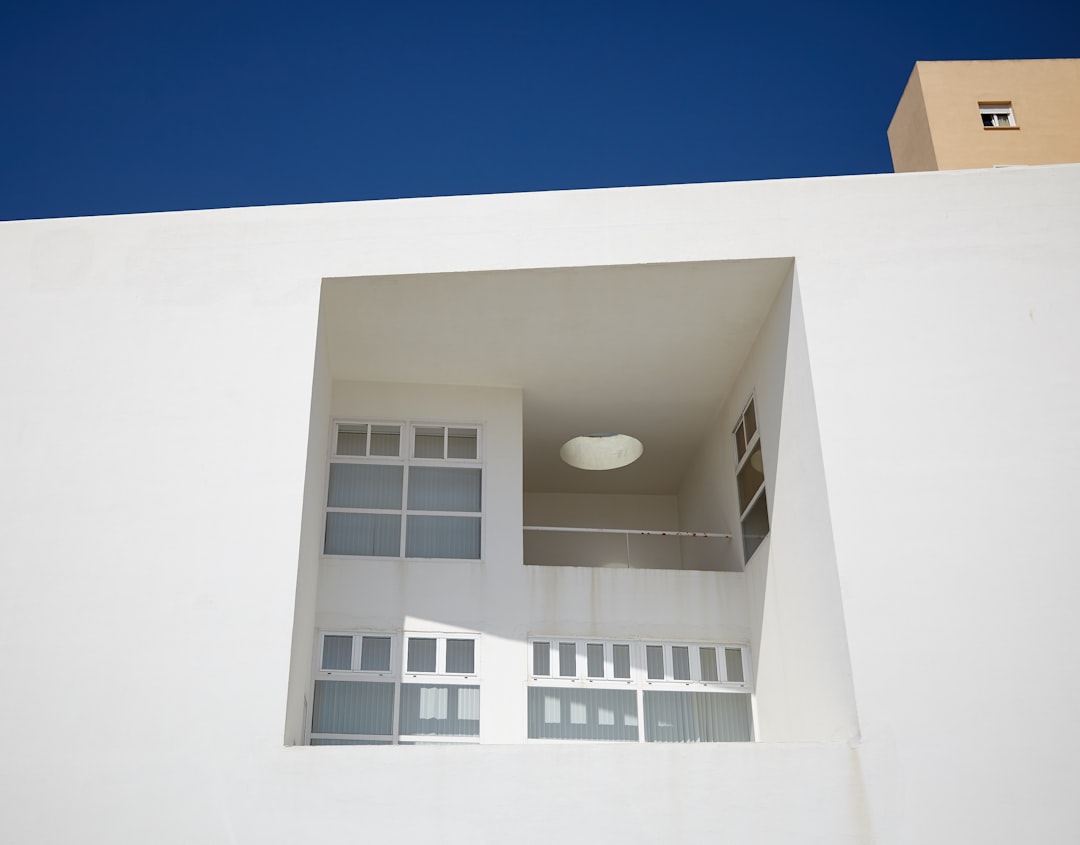
The modern basement office style is characterized by its sleek lines, minimalist approach, and integration of technology. This design philosophy emphasizes functionality without sacrificing aesthetics. Clean, uncluttered spaces are essential in a modern office, where every element serves a purpose.
Neutral color palettes, such as whites, grays, and blacks, dominate this style, creating a serene backdrop that allows for bursts of color through accessories or artwork. The use of high-quality materials like glass, metal, and polished wood can elevate the overall look while ensuring durability. Incorporating technology seamlessly into the design is another hallmark of modern basement offices.
Smart home devices can enhance productivity by allowing for easy control of lighting, temperature, and even sound systems through voice commands or smartphone apps. Ergonomic furniture is also crucial in this setting; adjustable desks and comfortable chairs not only promote good posture but also adapt to the user’s needs throughout the day. For instance, a sit-stand desk can encourage movement and reduce fatigue during long hours of work.
Additionally, modern offices often feature integrated cable management systems to keep cords organized and out of sight, contributing to the clean aesthetic.
Rustic Basement Office Style: Cozy, Warm, and Timeless
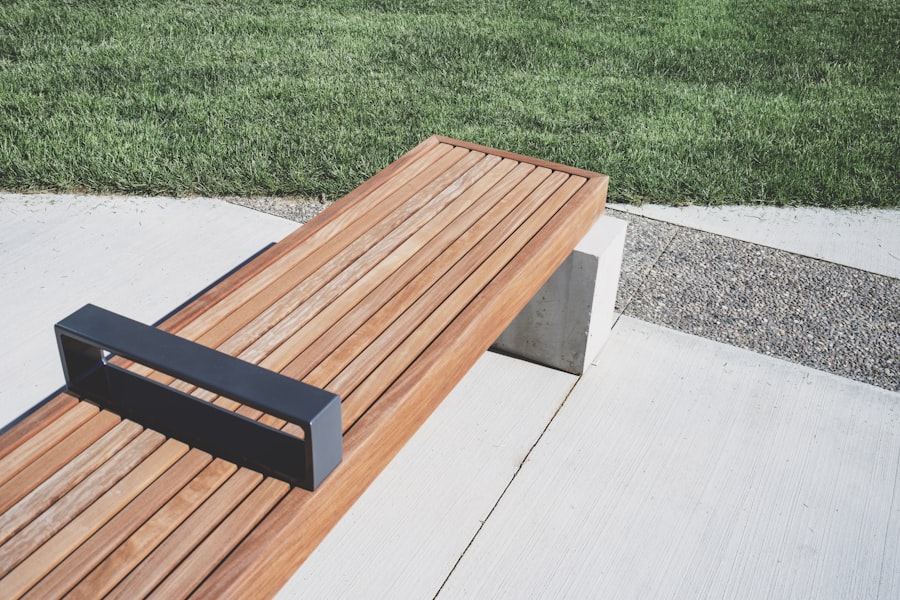
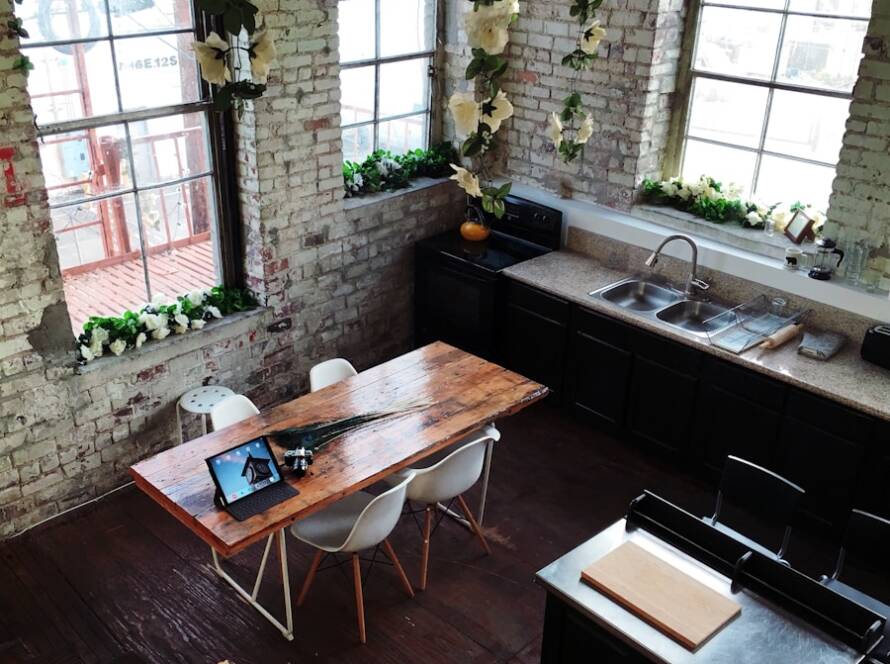
In contrast to the sleekness of modern design, a rustic basement office exudes warmth and comfort. This style draws inspiration from nature and traditional craftsmanship, often incorporating elements like reclaimed wood, stone accents, and vintage furnishings. The rustic aesthetic creates an inviting atmosphere that encourages creativity and relaxation.
Earthy tones such as browns, greens, and deep reds are commonly used to evoke a sense of connection to the outdoors. Textures play a significant role in this style; soft textiles like wool or cotton can be layered through rugs and cushions to enhance comfort. A rustic basement office often features unique decor elements that tell a story or reflect personal interests.
For example, an antique desk or a bookshelf filled with well-loved books can serve as focal points that add character to the space. Natural light is also essential in this style; if possible, homeowners should consider adding windows or light wells to bring in sunlight and create a more open feel. If natural light is limited, warm artificial lighting can mimic the glow of sunlight, enhancing the cozy ambiance.
Incorporating plants can further bridge the gap between indoor and outdoor environments, promoting a sense of tranquility.
Considerations for Choosing the Right Style for Your Brooklyn Home
When selecting a style for a basement office in Brooklyn, several factors come into play. The architectural characteristics of the home should guide the design choices; for instance, a brownstone may lend itself more naturally to rustic elements due to its historical context. Conversely, a modern condo might benefit from sleek lines and contemporary finishes that align with its urban environment.
Homeowners should also consider their personal style preferences and how they want their workspace to reflect their identity.
For those who require a highly functional area for meetings or client interactions, a modern design with clean lines and advanced technology may be more appropriate.
On the other hand, if the office is primarily for creative pursuits or personal projects, a rustic style that fosters comfort and inspiration might be more suitable. Additionally, practical aspects such as budget constraints and available space should influence the decision-making process. Ultimately, the chosen style should harmonize with both the home’s overall aesthetic and the individual’s work habits.
Incorporating Natural Light and Artificial Lighting in a Basement Office
Lighting is one of the most crucial elements in designing a basement office. Natural light can significantly impact mood and productivity; however, basements often lack sufficient windows or direct sunlight exposure. To counteract this limitation, homeowners can explore options such as installing larger windows or light wells that allow daylight to penetrate deeper into the space.
If structural changes are not feasible, strategically placed mirrors can reflect light around the room, creating an illusion of brightness and openness. Artificial lighting plays an equally important role in ensuring that the workspace remains functional during darker hours or in low-light conditions. Layered lighting is an effective strategy; combining ambient lighting with task lighting can create a well-lit environment tailored to various activities.
For instance, overhead fixtures provide general illumination while desk lamps offer focused light for reading or writing tasks. Adjustable LED lights can also be beneficial; they allow users to change brightness levels according to their needs throughout the day. Incorporating smart lighting solutions can further enhance flexibility by enabling users to control lighting through mobile devices or voice commands.
Furniture and Decor Elements for Modern and Rustic Basement Offices
Modern Designs
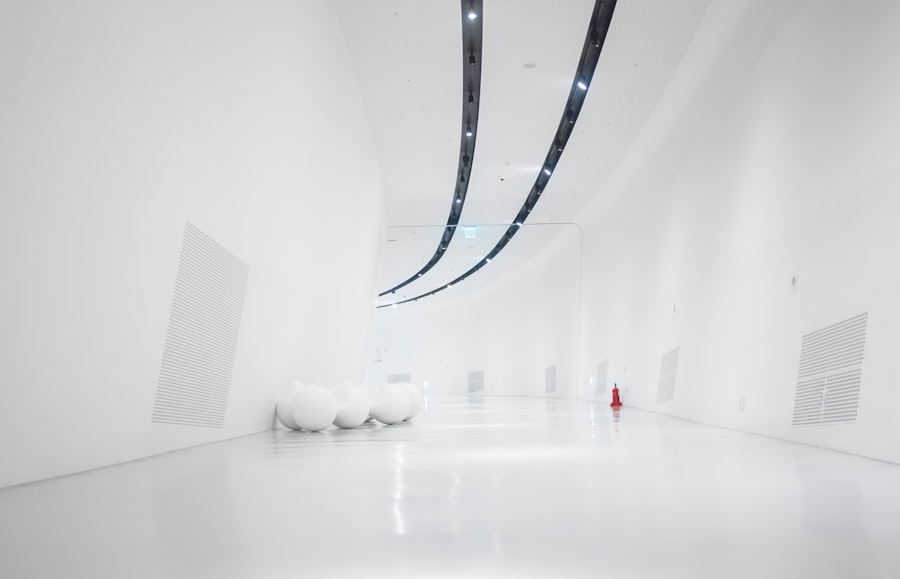
In modern designs, furniture tends to be sleek and minimalistic. Desks with clean lines made from materials like glass or metal can create an airy feel while providing ample workspace. Ergonomic chairs are essential for comfort during long hours of work; options with adjustable features ensure that users maintain proper posture. Storage solutions such as floating shelves or built-in cabinets help keep clutter at bay while maintaining the minimalist aesthetic.
Rustic Charm
A solid wood desk with visible grain patterns can serve as a centerpiece that adds warmth to the space. Vintage or antique chairs can provide both comfort and style while telling a story about their past life.
Personal Touches
Wall art featuring nature scenes or local landscapes can further personalize the space and create an inspiring environment conducive to creativity.
Maximizing Space and Storage in a Basement Office
Maximizing space in a basement office is essential for creating an efficient work environment. Given that basements often have limited square footage compared to other areas of the home, strategic planning is necessary to ensure that every inch is utilized effectively. Multi-functional furniture is an excellent solution; desks with built-in storage compartments or foldable tables can provide flexibility without sacrificing space.
Additionally, vertical storage solutions such as tall bookshelves or wall-mounted cabinets can draw the eye upward while keeping floor space clear. Incorporating organizational tools is another way to enhance functionality in a basement office. Drawer organizers can help keep supplies neatly arranged while minimizing clutter on desks.
Pegboards or wall-mounted organizers can serve as creative storage solutions for frequently used items like pens or notebooks while adding visual interest to the walls. Utilizing under-desk space for filing cabinets or rolling carts can also optimize storage without encroaching on usable workspace. By thoughtfully considering layout and storage options, homeowners can create a basement office that feels spacious and organized.
Final Touches: Adding Personalized and Inspirational Elements to Your Basement Office
The final touches in designing a basement office are what truly make it feel like a personal sanctuary tailored to individual needs and preferences. Personalization can come in many forms; family photos displayed on shelves or artwork created by loved ones can infuse warmth into the space while reminding occupants of cherished memories. Inspirational quotes framed on walls or vision boards filled with goals can serve as daily motivation during work hours.
In addition to personal touches, incorporating elements that reflect one’s interests can enhance creativity within the workspace. For example, if someone enjoys reading, creating a small nook with comfortable seating and bookshelves filled with favorite titles can provide an inviting escape during breaks. Plants not only improve air quality but also add life to the environment; choosing low-maintenance varieties like succulents or snake plants ensures that greenery remains vibrant without requiring excessive care.
Ultimately, these personalized elements transform a functional basement office into an inspiring haven where creativity thrives alongside productivity.
If you’re considering transforming your basement into a stylish office space, you may also want to think about creating an outdoor oasis in your backyard. This article offers some great ideas for turning your outdoor space into a relaxing retreat. And if you need expert help with your basement renovation, be sure to check out the basement finishing services provided by professionals. For more inspiration and tips on home remodeling projects, visit their blog.
FAQs
What are the key differences between a modern and rustic basement office style?
A modern basement office style typically features clean lines, minimalistic furniture, and a sleek color palette. On the other hand, a rustic basement office style often incorporates natural materials, warm tones, and vintage or distressed furniture.
What factors should I consider when choosing between a modern and rustic basement office style?
Consider the overall aesthetic of your home, your personal design preferences, and the functionality of the space. Additionally, think about the existing architectural elements of your basement and how they can complement either style.
How can I incorporate modern elements into a rustic basement office style, and vice versa?
To incorporate modern elements into a rustic basement office style, consider adding sleek lighting fixtures, contemporary artwork, or minimalist shelving. For a modern basement office with rustic touches, incorporate natural wood accents, vintage rugs, or distressed finishes.
What are some popular color schemes for modern and rustic basement office styles?
Popular color schemes for a modern basement office style include neutral tones such as white, gray, and black, as well as bold accent colors like navy blue or emerald green. In contrast, a rustic basement office style often features warm earthy tones such as brown, beige, and olive green, along with pops of rich, deep colors like burgundy or mustard yellow.
How can I maximize natural light in a basement office, regardless of the style chosen?
To maximize natural light in a basement office, consider installing larger windows or adding a window well to bring in more sunlight. Additionally, use light-colored paint on the walls, strategically place mirrors to reflect light, and incorporate task lighting to brighten specific work areas.