In an era where remote work has become increasingly prevalent, the need for a dedicated workspace at home has never been more critical. A basement office can serve as an ideal solution, providing a separate environment that fosters productivity while also allowing for personal expression. However, the challenge lies in transforming this often-overlooked space into a functional and stylish area that meets both professional and aesthetic needs.
The design of a basement office should not only prioritize efficiency but also reflect the personality and style of its occupant. Creating a basement office that is both functional and stylish requires careful consideration of various elements, including layout, design style, lighting, and storage solutions. A well-designed basement office can enhance focus and creativity, making it easier to tackle daily tasks.
Moreover, a thoughtfully curated space can contribute to overall well-being, providing a sanctuary that separates work from home life. As we delve into the various design options available, it becomes clear that a basement office can be a harmonious blend of modern functionality and rustic charm, tailored to the unique characteristics of Brooklyn living.
Key Takeaways
- Designing a functional and stylish basement office is important for creating a productive and inspiring work environment.
- Sleek and minimalist design options offer a modern and clean aesthetic for your basement office.
- Embracing natural materials and cozy aesthetics can create a rustic and inviting atmosphere in your basement office.
- Maximizing limited square footage is crucial for creating a functional workspace in a Brooklyn basement.
- Enhancing the ambiance of your basement office through lighting and a carefully chosen color palette can make the space feel more inviting and productive.
Modern Style: Sleek and Minimalist Design Options for Your Basement Office
Creating an Airy Feel
In a Brooklyn basement, modern elements can create an airy feel, even in confined quarters.
Furniture Selection and Ergonomics
Furniture selection plays a crucial role in achieving a modern aesthetic. Opting for minimalist desks with clean lines and integrated storage can help maintain an uncluttered look. Ergonomic chairs in muted tones provide comfort during long working hours and contribute to the sleek appearance of the office.
Materials and Technology
The use of materials like metal and polished wood can further elevate the modern vibe, creating a sophisticated yet practical workspace. Additionally, incorporating technology seamlessly, such as built-in charging stations or cable management systems, can enhance functionality without compromising style.
Rustic Style: Embracing Natural Materials and Cozy Aesthetics in Your Basement Office
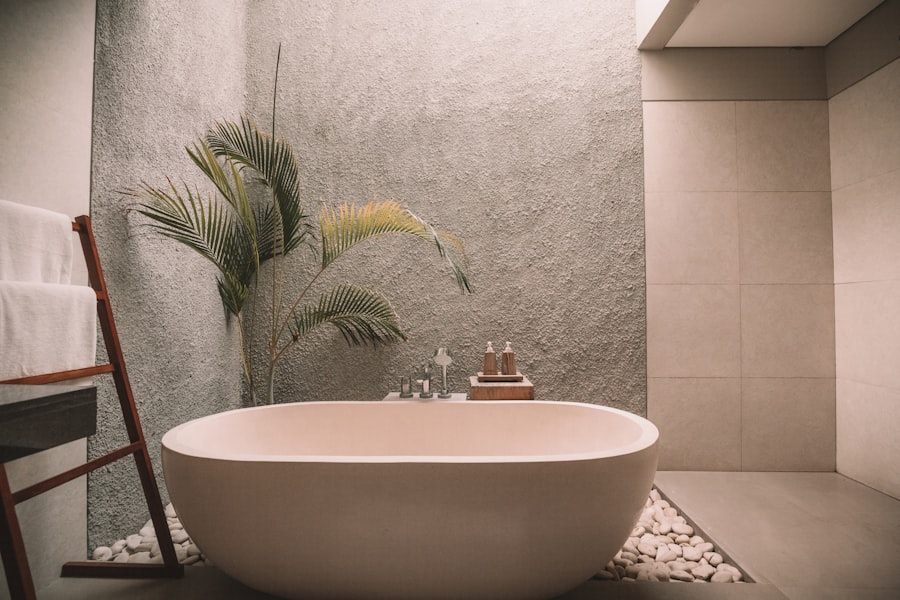
On the other end of the design spectrum lies rustic style, which embraces warmth and natural materials to create an inviting atmosphere. This approach is particularly appealing in a Brooklyn basement, where exposed brick walls and wooden beams can serve as stunning focal points. The rustic aesthetic often incorporates elements like reclaimed wood furniture, vintage decor, and earthy color palettes that evoke a sense of comfort and nostalgia.
To achieve a rustic look in your basement office, consider using reclaimed wood for your desk or shelving units. This not only adds character but also promotes sustainability by repurposing materials. Soft textiles such as wool or cotton can be introduced through throw pillows or area rugs to enhance coziness.
Additionally, incorporating plants can breathe life into the space, providing both aesthetic appeal and improved air quality. The juxtaposition of rustic elements with modern technology—such as sleek monitors or smart lighting—can create a unique blend that reflects both comfort and contemporary living.
Space Considerations: Maximizing Limited Square Footage in a Brooklyn Basement
In Brooklyn, where real estate is at a premium, maximizing limited square footage is essential when designing a basement office. Creative solutions are necessary to ensure that every inch of space is utilized effectively without feeling cramped. One effective strategy is to adopt a multi-functional approach to furniture selection.
For example, a desk that doubles as a storage unit or a foldable table can provide flexibility while maintaining functionality. Vertical space is another critical consideration in small basements. Utilizing wall-mounted shelves or pegboards can help keep the floor clear while providing ample storage for books, supplies, and decorative items.
Additionally, incorporating furniture with built-in storage—such as ottomans or benches—can help reduce clutter while offering extra seating when needed. Mirrors can also be strategically placed to create an illusion of depth and openness, making the space feel larger than it is.
Lighting and Color Palette: Enhancing the Ambiance of Your Basement Office
Lighting plays a pivotal role in setting the mood of any workspace, particularly in a basement where natural light may be limited. A well-thought-out lighting plan can enhance productivity while also contributing to the overall aesthetic of the office. Layering different types of lighting—ambient, task, and accent—can create a balanced environment that caters to various needs throughout the day.
For ambient lighting, consider installing recessed lights or track lighting to provide general illumination without overwhelming the space. Task lighting is equally important; desk lamps with adjustable brightness can help reduce eye strain during long hours of work. Accent lighting, such as wall sconces or decorative fixtures, can add character and warmth to the room.
When it comes to color palettes, opting for lighter shades can help brighten up the space and make it feel more open. Soft whites, pale grays, or muted pastels can create a calming backdrop that allows for personal touches through decor.
Storage Solutions: Organizing Clutter and Utilizing Space Efficiently

Organizing by Function
One approach is to categorize them based on their function—keeping frequently used supplies within easy reach while storing less essential items out of sight.
Modular Storage Solutions
Incorporating modular storage units can provide flexibility as your needs change over time. For instance, stackable bins or drawer systems can be customized to fit your specific requirements while maximizing vertical space. Additionally, utilizing under-desk storage options—such as rolling carts or filing cabinets—can help keep essential documents organized without taking up valuable floor space.
Labeling for Efficiency
Labeling storage containers can further streamline organization, making it easy to locate items when needed.
Personalizing Your Space: Incorporating Personal Touches and Decor to Reflect Your Style
While functionality is paramount in designing a basement office, personal touches are what truly make the space feel like your own. Incorporating decor that reflects your personality and interests can transform an ordinary workspace into an inspiring environment. Artwork, photographs, or even motivational quotes can be displayed on walls or shelves to create an atmosphere that resonates with you.
Consider creating a vision board or inspiration wall where you can pin images or notes that motivate you throughout your workday. This not only adds visual interest but also serves as a reminder of your goals and aspirations. Additionally, integrating personal collections—such as books or travel souvenirs—can infuse character into the space while sparking creativity during moments of inspiration.
Plants are another excellent way to personalize your office; they not only enhance aesthetics but also contribute to improved air quality and overall well-being.
Finding the Perfect Balance of Modern and Rustic Elements for Your Brooklyn Basement Office
Designing a basement office in Brooklyn offers an exciting opportunity to blend modern functionality with rustic charm.
Whether you lean towards sleek minimalism or cozy rustic aesthetics—or perhaps a harmonious combination of both—the key lies in creating an environment that fosters productivity while also providing comfort and inspiration.
As remote work continues to evolve, having a dedicated space that meets your professional needs while also serving as a personal retreat becomes increasingly important. By embracing thoughtful design principles and incorporating elements that resonate with you personally, your basement office can become not just a place to work but a sanctuary that enhances your overall quality of life in the bustling heart of Brooklyn.
When deciding between a modern or rustic style for your basement office in Brooklyn, it’s important to consider your personal preferences and the overall aesthetic of your home. If you’re looking for inspiration on how to incorporate a modern design into your basement office, check out the portfolio of Basement Remodeling ESG. Their portfolio showcases stunning examples of modern basement renovations, including sleek finishes and contemporary furniture choices. For those on a budget, Basement Remodeling ESG also offers affordable home updates that can help you achieve the look you want without breaking the bank. And if you’re in need of expert basement finishing services, look no further than Basement Remodeling ESG for professional assistance in creating the perfect workspace for your Brooklyn home. Check out their portfolio here.
FAQs
What are the key differences between a modern and rustic basement office style?
A modern basement office style typically features clean lines, minimalistic furniture, and a sleek color palette. On the other hand, a rustic basement office style often incorporates natural materials, warm tones, and vintage or distressed furniture.
What factors should I consider when choosing between a modern and rustic basement office style?
Consider the overall aesthetic of your home, your personal design preferences, and the functionality of the space. Additionally, think about the existing architectural elements of your basement and how they can complement either style.
How can I incorporate modern elements into a rustic basement office style, or vice versa?
You can mix and match elements from both styles to create a unique and personalized look. For example, you can incorporate modern lighting fixtures into a rustic space, or add rustic accents such as reclaimed wood furniture to a modern office.
What are some popular color schemes for modern and rustic basement office styles?
Popular color schemes for modern basement offices include neutral tones such as white, gray, and black, often with pops of bold colors. Rustic basement offices often feature warm earthy tones such as browns, greens, and deep reds, along with natural wood finishes.
How can I maximize natural light in a basement office, regardless of the style I choose?
To maximize natural light in a basement office, consider installing larger windows or adding a window well to bring in more sunlight. Additionally, using light-colored paint and strategically placing mirrors can help reflect and amplify natural light.