The real estate landscape in Brooklyn has undergone significant transformations over the past decade, with basement apartment conversions emerging as a viable option for homeowners looking to maximize their property’s potential. The borough’s housing market is characterized by a high demand for rental units, driven by an influx of new residents and a diverse population seeking affordable living spaces. Basement apartments offer a unique solution to this demand, providing additional income streams for homeowners while simultaneously addressing the housing shortage in the area.
The potential for these conversions is not merely financial; they also contribute to the community by increasing the availability of rental units, which can help stabilize neighborhoods and foster a sense of community. Moreover, basement apartments can be tailored to meet various needs, from accommodating young professionals to housing families or even serving as short-term rentals for tourists. The versatility of these spaces allows homeowners to customize their designs and layouts according to their target demographic.
For instance, a basement apartment designed for young professionals might prioritize modern amenities and open layouts, while one aimed at families could focus on creating a more spacious environment with multiple bedrooms. This adaptability makes basement conversions an attractive option for homeowners looking to invest in their properties while also contributing positively to the local housing market.
Key Takeaways
- Basement apartment conversions in Brooklyn have great potential for increasing rental income and property value.
- Legal and zoning requirements must be carefully assessed before starting a basement apartment conversion in Brooklyn.
- Maximizing space and layout is crucial for creating a comfortable and functional basement apartment in Brooklyn.
- Choosing the right materials and finishes is important for durability and aesthetics in a basement apartment conversion in Brooklyn.
- Safety and security concerns should be addressed with proper measures in a basement apartment conversion in Brooklyn.
Assessing the Legal and Zoning Requirements for Basement Apartment Conversions in Brooklyn
Before embarking on a basement apartment conversion project, it is crucial to navigate the complex web of legal and zoning requirements that govern such undertakings in Brooklyn. The New York City Department of Buildings (DOB) has specific regulations regarding the conversion of basements into livable spaces, primarily aimed at ensuring safety and compliance with building codes. Homeowners must first determine whether their property is located in a zoning district that permits residential use of basements.
This involves reviewing local zoning maps and understanding the specific regulations that apply to their neighborhood. In addition to zoning considerations, homeowners must also be aware of the building code requirements that dictate how basement apartments should be constructed. These codes cover various aspects, including ceiling height, egress requirements, and ventilation standards.
For example, the minimum ceiling height for habitable spaces is typically set at 7 feet, while adequate means of egress—such as windows or doors leading directly outside—are essential for safety. Homeowners may need to consult with architects or contractors who are familiar with these regulations to ensure that their plans comply with all necessary legal standards. Failure to adhere to these requirements can result in fines or even the inability to rent out the converted space.
Maximizing Space and Layout for a Basement Apartment in Brooklyn
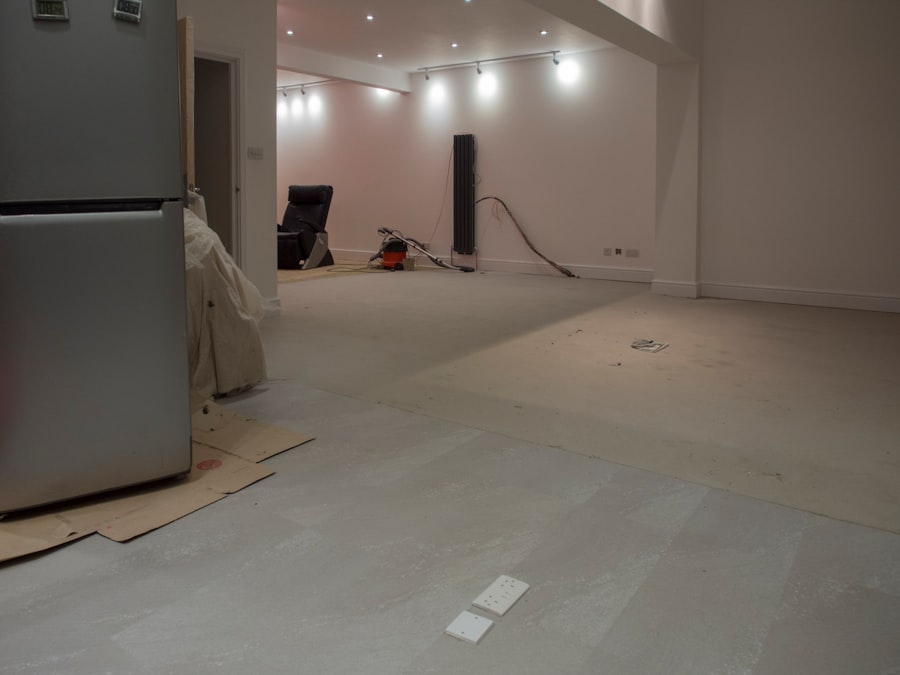
When converting a basement into an apartment, maximizing space and optimizing layout are paramount considerations. Basements often present unique challenges due to their inherent limitations, such as lower ceilings and irregular shapes. However, with thoughtful design strategies, these challenges can be transformed into opportunities for creating functional living spaces.
One effective approach is to employ an open floor plan that minimizes barriers between different areas of the apartment. This can create a sense of spaciousness and allow natural light to flow more freely throughout the space. Incorporating multifunctional furniture is another strategy that can significantly enhance the usability of a basement apartment.
For instance, a sofa bed can serve as both seating during the day and a sleeping area at night, while built-in shelving can provide storage without taking up valuable floor space. Additionally, utilizing vertical space by installing tall cabinets or shelves can help keep the apartment organized and clutter-free. By carefully considering the layout and furniture choices, homeowners can create an inviting and efficient living environment that maximizes every square foot of the basement.
Choosing the Right Materials and Finishes for a Basement Apartment Conversion in Brooklyn
Selecting appropriate materials and finishes is crucial in ensuring that a basement apartment conversion is not only aesthetically pleasing but also durable and functional. Given that basements are often prone to moisture issues, it is essential to choose materials that can withstand potential dampness while maintaining a comfortable living environment. For flooring, options such as vinyl or tile are often preferred due to their water-resistant properties, making them ideal choices for basement settings.
These materials are not only practical but also come in various styles and colors, allowing homeowners to create a visually appealing space. In addition to flooring, wall finishes play a significant role in defining the character of a basement apartment. Homeowners may opt for moisture-resistant paint or paneling that can withstand humidity without peeling or warping.
Furthermore, incorporating insulation into walls can help regulate temperature and improve energy efficiency. When it comes to fixtures and fittings, selecting high-quality materials that complement the overall design theme can elevate the space’s aesthetic appeal. For example, modern light fixtures can add a contemporary touch, while rustic elements like reclaimed wood accents can create warmth and charm.
Addressing Safety and Security Concerns in a Basement Apartment Conversion in Brooklyn
Safety and security are paramount considerations when converting a basement into an apartment. Given that basements are often below ground level, they may present unique challenges regarding safety measures such as fire exits and natural light access. One critical aspect is ensuring that there are adequate means of egress in case of emergencies.
This typically involves installing windows that meet specific size requirements or adding exterior doors that provide direct access to the outside. Homeowners should consult with local building codes to ensure compliance with these safety regulations. In addition to egress considerations, security measures should also be prioritized during the conversion process.
Installing secure locks on doors and windows is essential for protecting tenants’ safety and belongings. Homeowners may also consider adding security features such as motion-sensor lighting around entry points or even surveillance cameras for added peace of mind. By addressing these safety and security concerns proactively, homeowners can create a safe living environment that attracts potential renters while minimizing liability risks.
Utilizing Natural Light and Ventilation in a Basement Apartment Conversion in Brooklyn
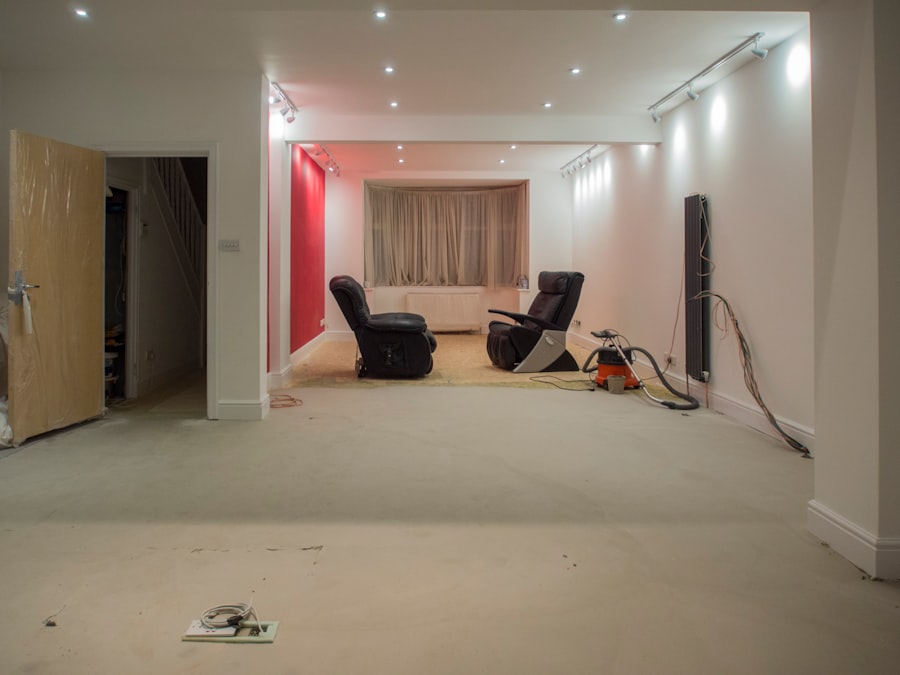
Natural light and ventilation are often limited in basement apartments due to their subterranean nature; however, creative design solutions can help mitigate these challenges. One effective strategy is to incorporate larger windows or even window wells that allow more light into the space while providing necessary ventilation. Installing glass block windows can also be an excellent option as they allow light to filter through while maintaining privacy.
Additionally, strategically placing mirrors throughout the apartment can help reflect light and create an illusion of greater space. Ventilation is equally important in maintaining air quality within a basement apartment. Homeowners should consider installing exhaust fans in areas prone to moisture buildup, such as bathrooms and kitchens, to prevent mold growth and ensure proper airflow.
Incorporating operable windows where possible can also enhance ventilation by allowing fresh air to circulate throughout the space. By prioritizing natural light and ventilation during the design process, homeowners can create a more inviting atmosphere that enhances the overall living experience.
Incorporating Energy-Efficient Features in a Basement Apartment Conversion in Brooklyn
As energy costs continue to rise, incorporating energy-efficient features into a basement apartment conversion has become increasingly important for both environmental sustainability and cost savings. One of the most effective ways to enhance energy efficiency is through proper insulation. Insulating walls, ceilings, and floors can significantly reduce heating and cooling costs by minimizing heat loss during winter months and keeping spaces cooler during summer.
In addition to insulation, selecting energy-efficient appliances is crucial when designing kitchens and bathrooms within basement apartments. Homeowners should look for appliances with Energy Star ratings, which indicate they meet strict energy efficiency guidelines set by the U.S. Environmental Protection Agency (EPA).
Furthermore, installing LED lighting throughout the apartment not only reduces energy consumption but also provides long-lasting illumination compared to traditional incandescent bulbs. By integrating these energy-efficient features into their designs, homeowners can create sustainable living spaces that appeal to environmentally conscious renters.
Creating a Functional and Attractive Kitchen and Bathroom in a Basement Apartment Conversion in Brooklyn
The kitchen and bathroom are two critical areas in any apartment conversion, particularly in basement apartments where space may be limited. Designing these spaces requires careful planning to ensure they are both functional and aesthetically pleasing. In kitchens, maximizing storage is essential; homeowners can achieve this by utilizing vertical cabinetry or incorporating pull-out shelves that make use of otherwise wasted space.
Additionally, choosing compact appliances designed for smaller areas can help maintain functionality without overwhelming the layout. Bathrooms in basement apartments also require thoughtful design considerations due to their size constraints. Opting for space-saving fixtures such as corner sinks or compact toilets can free up valuable square footage while still providing essential amenities.
Furthermore, incorporating bright colors or reflective surfaces can create an illusion of more space, making the bathroom feel larger than it actually is. By focusing on functionality without sacrificing style, homeowners can create inviting kitchen and bathroom spaces that enhance the overall appeal of their basement apartments.
Maximizing Storage and Organization in a Basement Apartment Conversion in Brooklyn
Storage solutions are often at a premium in basement apartments due to their typically smaller size compared to other living spaces. However, with innovative design strategies, homeowners can maximize storage while maintaining an organized environment. One effective approach is to utilize under-stair storage areas by installing built-in shelves or cabinets that make use of this often-overlooked space.
Additionally, incorporating furniture with built-in storage—such as ottomans or beds with drawers—can provide practical solutions without compromising on style. Vertical storage options are another excellent way to optimize space within a basement apartment. Wall-mounted shelves or pegboards can keep items off the floor while providing easy access to frequently used belongings.
Homeowners may also consider using decorative baskets or bins on shelves for added organization; this not only keeps items tidy but also adds visual interest to the decor. By implementing these storage solutions thoughtfully, homeowners can create functional living spaces that cater to renters’ needs while enhancing overall organization.
Marketing and Renting Out a Basement Apartment in Brooklyn
Once the conversion process is complete, effectively marketing the newly created basement apartment becomes essential for attracting potential tenants. Given Brooklyn’s competitive rental market, homeowners must highlight unique features that set their apartments apart from others available for rent. High-quality photographs showcasing well-lit spaces and attractive design elements are crucial for online listings; potential renters are more likely to engage with listings that present visually appealing images.
Additionally, crafting compelling descriptions that emphasize key selling points—such as proximity to public transportation or local amenities—can help draw interest from prospective tenants. Utilizing social media platforms or local rental websites can further expand reach beyond traditional listing services. Hosting open houses or virtual tours allows potential renters to experience the space firsthand while providing an opportunity for homeowners to answer questions directly.
By employing strategic marketing techniques tailored specifically for Brooklyn’s rental market, homeowners can successfully attract tenants who appreciate their newly converted basement apartments.
Maintaining and Managing a Basement Apartment in Brooklyn
Once rented out, maintaining and managing a basement apartment requires ongoing attention to ensure tenant satisfaction and property upkeep. Regular maintenance checks should be scheduled to address any potential issues before they escalate; this includes inspecting plumbing systems for leaks or ensuring proper ventilation remains unobstructed over time. Establishing clear communication channels with tenants allows homeowners to address concerns promptly while fostering positive relationships.
Additionally, understanding local landlord-tenant laws is crucial for effective management practices; this includes being aware of regulations regarding security deposits, lease agreements, and tenant rights within New York City’s jurisdiction. Implementing efficient systems for rent collection—whether through online platforms or traditional methods—can streamline financial management while minimizing potential disputes over payments. By prioritizing maintenance efforts alongside effective management strategies, homeowners can ensure their basement apartments remain desirable living spaces for tenants while protecting their investment over time.