Natural light is one of the most powerful tools in interior design, capable of transforming a space and enhancing its overall ambiance.
This can be achieved through strategic placement of windows, skylights, and glass doors.
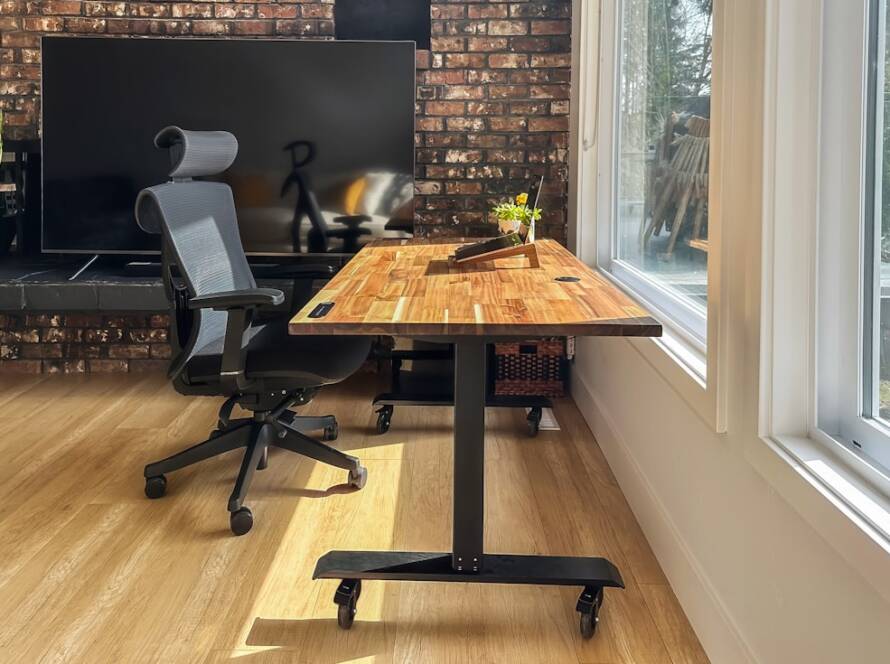
For instance, large floor-to-ceiling windows not only invite ample sunlight but also create a seamless connection between the indoor and outdoor environments. This connection can make a space feel larger and more inviting, as it blurs the boundaries between the interior and the natural world outside. Moreover, the use of reflective surfaces can amplify the effects of natural light.
Mirrors, glossy finishes, and light-colored walls can bounce sunlight around a room, creating a brighter atmosphere. For example, placing a large mirror opposite a window can double the perceived light in the room, making it feel airy and open. Additionally, choosing sheer window treatments allows for privacy while still permitting sunlight to filter through, creating a soft glow that enhances the overall aesthetic.
By thoughtfully considering how natural light interacts with a space, designers can create environments that are not only visually appealing but also uplifting and energizing.
Key Takeaways
- Utilize natural light to create a bright and inviting atmosphere in your space.
- Incorporate color and texture to add visual interest and personality to the room.
- Create a flexible layout that can easily adapt to different needs and activities.
- Personalize the space with meaningful decor and personal touches to make it feel like home.
- Integrate greenery to bring a sense of nature and freshness into the space.
- Consider acoustic solutions to minimize noise and create a more peaceful environment.
- Invest in comfortable furniture to ensure a cozy and inviting space for relaxation and productivity.
- Embrace technology to enhance the functionality and convenience of the space.
Incorporate Color and Texture
Color Palette Considerations
When selecting a color scheme, it’s crucial to consider the purpose of the room. A vibrant, stimulating color scheme may be ideal for a creative workspace, while softer hues might be more suitable for a bedroom designed for relaxation.
The Power of Texture
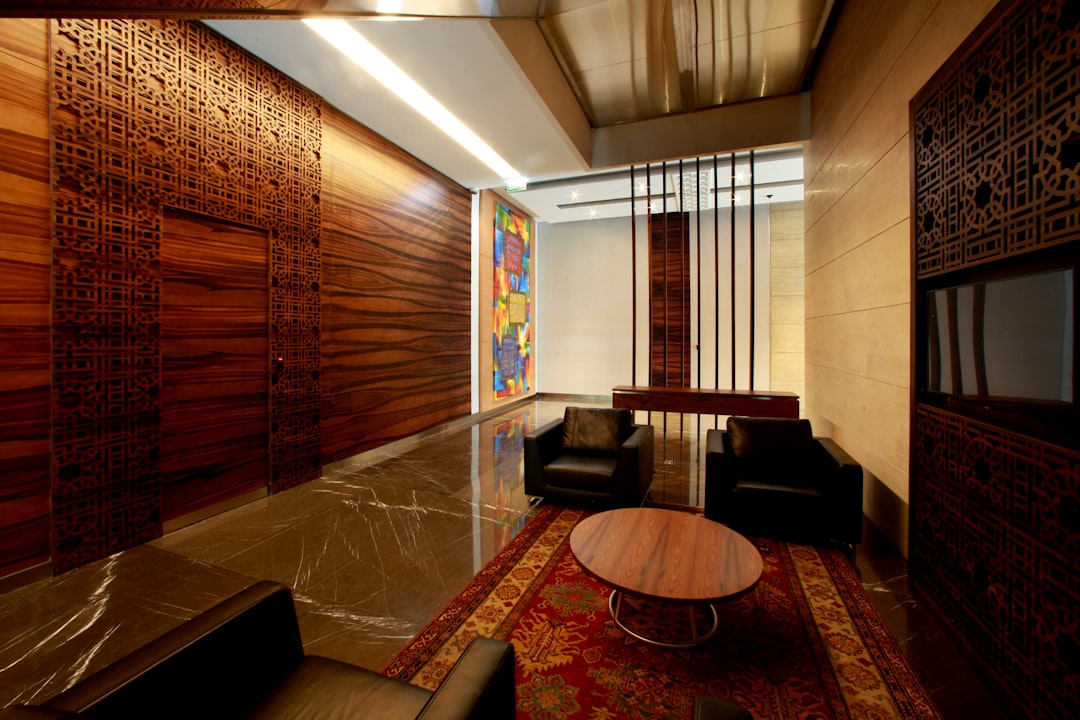
Texture adds depth and interest to a room, making it visually engaging. Combining various materials, such as smooth glass, rough wood, soft textiles, and metallic finishes, can create a rich sensory experience. By layering different textures through throw pillows, rugs, and wall art, a simple space can be transformed into one that feels dynamic and inviting.
By carefully curating these elements, designers can craft spaces that resonate with their intended purpose while reflecting the personality of the inhabitants.
Create a Flexible Layout
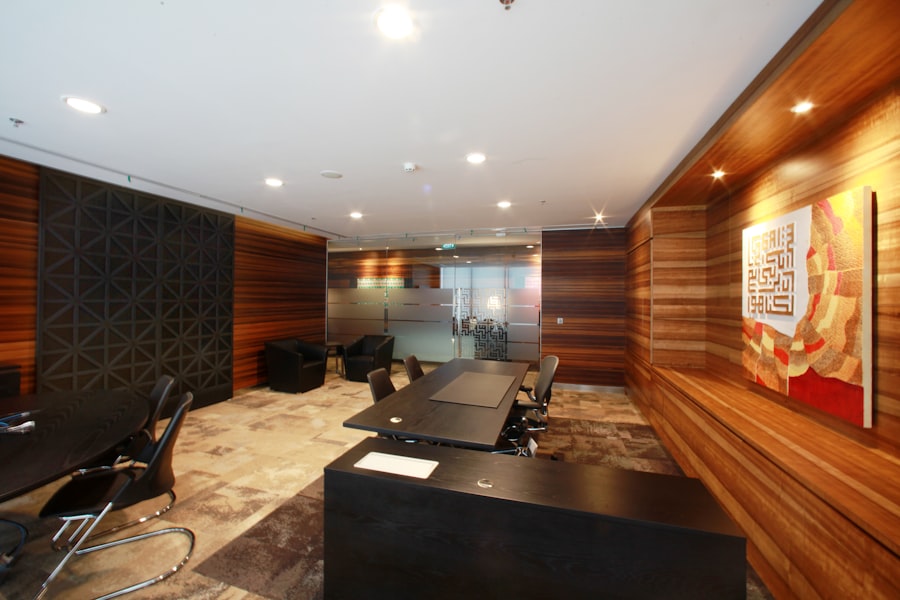
A flexible layout is essential in modern interior design, allowing spaces to adapt to various needs and activities. Open floor plans have gained popularity for their versatility; they enable seamless transitions between different areas of a home or office. For instance, a living room that flows into a dining area can accommodate both intimate gatherings and larger social events without feeling cramped.
This adaptability is particularly valuable in urban settings where space is often limited. Incorporating movable furniture pieces can further enhance flexibility. Modular sofas, extendable dining tables, and stackable chairs allow for easy reconfiguration based on the occasion or number of occupants.
Additionally, using multifunctional furniture—such as ottomans that double as storage or desks that can be folded away—maximizes utility without sacrificing style. By designing spaces with flexibility in mind, individuals can create environments that evolve with their lifestyles, ensuring that every square foot is utilized effectively.
Personalize the Space
Personalization is key to making any space feel like home. Infusing personal touches into interior design not only reflects individual tastes but also fosters a sense of belonging. This can be achieved through various means, such as displaying cherished photographs, artwork created by loved ones, or souvenirs from memorable travels.
These elements tell a story and create emotional connections within the space. In addition to decorative items, personalization can extend to functional aspects of design. Custom-built shelving or cabinetry tailored to specific needs can enhance both aesthetics and practicality.
For example, a reading nook with built-in bookshelves allows for easy access to favorite novels while creating an inviting atmosphere for relaxation. By incorporating personal elements into the design process, individuals can cultivate spaces that resonate with their identities and experiences, making them truly unique.
Integrate Greenery
The integration of greenery into interior spaces has become increasingly popular due to its numerous benefits for both aesthetics and well-being. Plants not only enhance visual appeal but also improve air quality by filtering toxins and releasing oxygen. Incorporating various types of plants—such as succulents, ferns, or flowering species—can add life and vibrancy to any room.
For instance, a large potted plant in a corner can serve as a striking focal point while smaller plants on shelves or windowsills create layers of interest. Beyond traditional houseplants, vertical gardens or living walls are innovative ways to incorporate greenery into interiors without taking up valuable floor space. These installations not only serve as stunning visual features but also contribute to improved acoustics and humidity levels within a room.
Furthermore, engaging with nature through indoor gardening can have therapeutic effects, reducing stress and promoting overall well-being. By thoughtfully integrating greenery into design schemes, individuals can create healthier environments that foster relaxation and rejuvenation.
Consider Acoustic Solutions

Acoustic considerations are often overlooked in interior design but are crucial for creating comfortable living and working environments. Noise pollution can significantly impact productivity and well-being; therefore, addressing sound control should be an integral part of any design strategy. Various materials can be employed to absorb sound and reduce echo within a space.
For example, carpets and rugs can dampen noise in hard-surface areas like kitchens or hallways, while upholstered furniture contributes to sound absorption in living areas. In addition to soft furnishings, acoustic panels can be strategically placed on walls or ceilings to enhance sound quality in larger spaces such as offices or conference rooms. These panels come in various designs and colors, allowing them to blend seamlessly with the overall aesthetic while serving their functional purpose.
Moreover, incorporating plants into the design not only adds visual interest but also helps absorb sound waves due to their porous nature. By prioritizing acoustic solutions in interior design, individuals can create environments that promote focus and tranquility.
Invest in Comfortable Furniture
Comfortable furniture is paramount in creating inviting spaces where individuals can relax and unwind. When selecting furniture pieces, it is essential to prioritize ergonomics alongside aesthetics. For instance, chairs with proper lumbar support encourage good posture while providing comfort during extended periods of use.
Sofas should be designed with high-quality materials that offer both durability and coziness; plush cushions and soft fabrics invite people to settle in for long periods. Additionally, investing in quality furniture often pays off in the long run as it withstands wear and tear better than cheaper alternatives. Brands that focus on craftsmanship typically offer warranties or guarantees that ensure longevity.
Furthermore, customizable options allow individuals to select fabrics and finishes that align with their personal style while ensuring comfort remains at the forefront of their choices. By prioritizing comfort in furniture selection, individuals can create spaces that not only look good but also feel good to inhabit.
Embrace Technology
The integration of technology into interior design has revolutionized how we interact with our living spaces. Smart home devices offer convenience and efficiency by allowing users to control lighting, temperature, security systems, and entertainment options from their smartphones or voice-activated assistants. For example, smart thermostats learn user preferences over time and adjust heating or cooling accordingly, leading to energy savings while maintaining comfort.
Moreover, technology can enhance aesthetics through innovative lighting solutions such as LED strips or smart bulbs that change color based on mood or time of day. Home automation systems enable seamless integration of various devices for an enhanced user experience; for instance, setting up scenes where lights dim and music plays at a specific time creates an inviting atmosphere for entertaining guests or winding down after a long day. By embracing technology within interior design, individuals can create modern spaces that are not only functional but also tailored to their lifestyles and preferences.
If you’re looking to design a basement office that promotes creativity in Brooklyn, you may want to consider checking out Basement Remodeling ESG’s shop for some inspiration and ideas. Their website offers a variety of products and services to help you create the perfect workspace. Additionally, you can also request a quote from them to get a better idea of the cost and timeline for your project. For more tips and tricks on how to design, renovate, and revitalize your home, be sure to visit their article on the subject. Basement Remodeling ESG’s shop, request a quote, design, renovate, and revitalize your home.
FAQs
What are some tips for designing a basement office in Brooklyn?
Some tips for designing a basement office in Brooklyn include maximizing natural light, choosing the right color scheme, incorporating greenery, and creating a functional layout.
How can natural light be maximized in a basement office?
Natural light can be maximized in a basement office by installing larger windows, using light-colored paint on the walls, strategically placing mirrors to reflect light, and utilizing task lighting.
What color scheme is ideal for a basement office in Brooklyn?
An ideal color scheme for a basement office in Brooklyn includes light and neutral colors such as white, beige, and light gray to create a bright and airy atmosphere.
Why is it important to incorporate greenery in a basement office?
Incorporating greenery in a basement office can help improve air quality, reduce stress, and promote a sense of well-being and creativity among the occupants.
How can a functional layout be created in a basement office?
A functional layout in a basement office can be created by carefully planning the placement of furniture, ensuring adequate storage solutions, and considering the workflow and needs of the occupants.