Waterproofing is a critical aspect of home maintenance, particularly for properties located in areas prone to heavy rainfall or high groundwater levels. The primary purpose of waterproofing is to prevent water intrusion, which can lead to a myriad of problems, including structural damage, mold growth, and compromised indoor air quality. In regions like Brooklyn, where the climate can fluctuate dramatically, ensuring that your basement remains dry is essential not only for the integrity of the building but also for the health and safety of its occupants.
The significance of waterproofing extends beyond mere aesthetics; it is a proactive measure that safeguards your investment. A well-waterproofed basement can enhance the overall value of a property, making it more appealing to potential buyers. Furthermore, it can provide additional usable space, whether for storage, a home office, or even a recreational area.
Key Takeaways
- Proper waterproofing is essential for protecting your basement from water damage and mold growth.
- Common basement waterproofing issues in Brooklyn include foundation cracks, leaking windows, and poor drainage.
- The right waterproofing method for your basement depends on the specific issues and the layout of your home.
- Before waterproofing your basement, it’s important to address any existing water damage and ensure proper drainage.
- Hiring a professional waterproofing contractor in Brooklyn can ensure that the job is done correctly and efficiently.
Identifying Common Basement Waterproofing Issues in Brooklyn
Cracks in Foundation Walls: A Common Issue
Homeowners in Brooklyn often face unique challenges when it comes to basement waterproofing. One prevalent issue is the presence of cracks in the foundation walls. These cracks can develop due to settling or shifting soil, and they can serve as entry points for water during heavy rains.
Poor Drainage: A Recipe for Disaster
Identifying these cracks early is crucial; if left unaddressed, they can widen over time and lead to significant water infiltration. Another common problem is poor drainage around the foundation. Inadequate grading or blocked gutters can cause water to pool near the base of the home, increasing the risk of seepage into the basement.
Brooklyn’s Soil Composition: A Contributing Factor
Additionally, Brooklyn’s clay-heavy soil can exacerbate drainage issues, as it retains moisture more than sandy or loamy soils. Homeowners should be vigilant in monitoring their basements for signs of water damage, such as damp spots on walls or floors, musty odors, and visible mold growth. Recognizing these issues early can help mitigate more severe problems in the future.
Choosing the Right Waterproofing Method for Your Basement

Selecting an appropriate waterproofing method is essential for effectively addressing the unique challenges posed by a Brooklyn basement. There are several options available, each with its advantages and disadvantages. Interior waterproofing systems, such as sump pumps and interior drainage systems, are often employed to manage water that has already entered the basement.
Sump pumps work by collecting water in a basin and pumping it out away from the foundation, while interior drainage systems channel water to a sump pump or drain. On the other hand, exterior waterproofing methods focus on preventing water from reaching the foundation in the first place. This can involve excavating around the foundation to apply waterproof coatings or membranes directly to the exterior walls.
Additionally, installing proper drainage systems, such as French drains or surface drains, can help redirect water away from the home. The choice between interior and exterior methods often depends on the severity of the water intrusion problem and the specific characteristics of the property.
Preparing Your Basement for Waterproofing
Before embarking on any waterproofing project, it is crucial to prepare your basement adequately. This preparation involves several steps to ensure that the waterproofing process is effective and long-lasting. First and foremost, homeowners should clear out any items stored in the basement to create a clean working environment.
This not only facilitates access to areas that need treatment but also protects belongings from potential damage during the waterproofing process. Next, it is essential to assess the condition of the basement walls and floors. Look for signs of moisture damage, such as peeling paint or efflorescence (a white powdery substance that forms when water evaporates).
Addressing these issues before applying waterproofing solutions will enhance their effectiveness.
Proper ventilation should also be considered; ensuring adequate airflow can help reduce humidity levels and further protect against mold growth.
Hiring a Professional Waterproofing Contractor in Brooklyn
When it comes to waterproofing your basement, enlisting the help of a professional contractor can make a significant difference in the outcome of the project. A qualified contractor brings expertise and experience to the table, allowing them to assess your specific situation accurately and recommend tailored solutions. In Brooklyn, where local building codes and regulations may apply, hiring a licensed contractor ensures compliance with these standards.
Moreover, professional contractors often have access to advanced tools and materials that may not be readily available to homeowners. They can perform thorough inspections to identify underlying issues that may not be immediately visible, such as hidden leaks or structural weaknesses. When selecting a contractor, it is advisable to seek out reviews and testimonials from previous clients to gauge their reputation and reliability.
Obtaining multiple quotes can also help homeowners make informed decisions based on budget and scope of work.
DIY Basement Waterproofing Tips for Brooklyn Homeowners
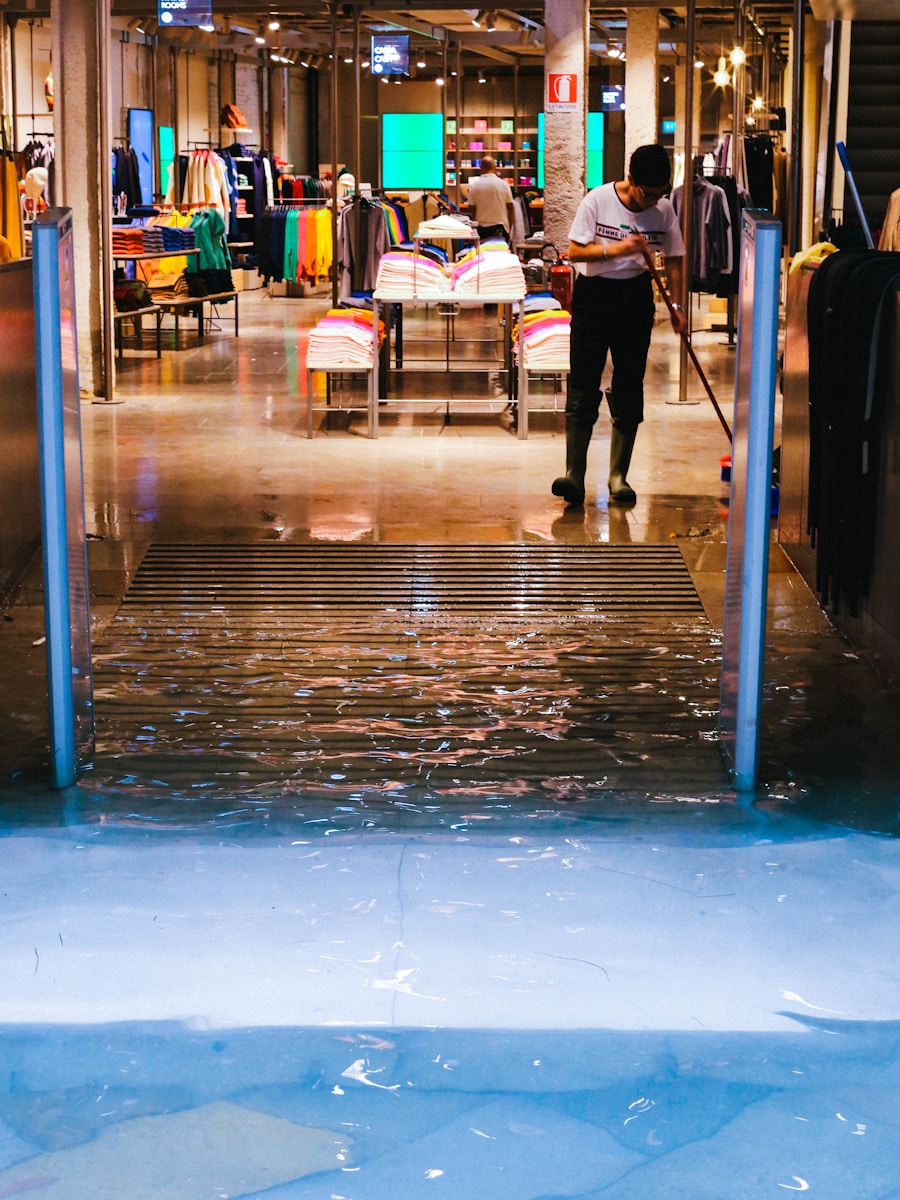
For those who prefer a hands-on approach, there are several DIY waterproofing techniques that Brooklyn homeowners can implement to mitigate water intrusion in their basements. One effective method is applying a waterproof sealant to interior walls and floors. These sealants create a barrier that prevents moisture from penetrating through porous surfaces.
It is essential to choose a high-quality product specifically designed for basement use to ensure optimal results. Another DIY solution involves improving drainage around the home’s exterior. Homeowners can clear gutters and downspouts of debris to ensure proper water flow away from the foundation.
Additionally, grading the landscape around the home to slope away from the foundation can significantly reduce water pooling near the base of the house. Installing window well covers can also prevent rainwater from entering through basement windows. While these DIY methods may not be as comprehensive as professional solutions, they can provide valuable assistance in managing minor water issues.
Maintaining Your Waterproofed Basement in Brooklyn
Once your basement has been successfully waterproofed, ongoing maintenance is crucial to ensure its continued effectiveness. Regular inspections should be conducted to check for any signs of new cracks or leaks that may develop over time. Homeowners should also monitor humidity levels within the basement; using a dehumidifier can help maintain optimal conditions and prevent mold growth.
Additionally, it is important to keep gutters and downspouts clear of debris throughout the year. Seasonal maintenance tasks such as cleaning gutters in fall and spring can prevent blockages that lead to overflow and potential water damage. Checking sump pumps regularly for functionality is also vital; testing them during heavy rain events can ensure they are operating correctly when needed most.
Benefits of Waterproofing Your Brooklyn Basement
The advantages of waterproofing your basement extend far beyond simply keeping it dry. One of the most significant benefits is enhanced property value; prospective buyers are often deterred by homes with a history of water issues. A well-maintained, waterproofed basement signals that a property has been cared for and is less likely to present future problems.
Moreover, waterproofing contributes to improved indoor air quality by reducing humidity levels and preventing mold growth. This is particularly important in urban environments like Brooklyn, where air quality can be compromised by various factors. A dry basement also provides additional usable space for homeowners; whether transformed into a living area or used for storage, this extra square footage can significantly enhance daily living experiences.
Ultimately, investing in basement waterproofing is an investment in both your home’s longevity and your family’s well-being.
If you’re looking for professional basement waterproofing services in Brooklyn, you may want to check out this article from Basement Remodeling ESG. They offer a comprehensive guide on how to waterproof your basement, along with other home improvement services. Their expertise in basement remodeling and waterproofing can help you protect your home from water damage and mold growth. Visit their website to learn more about their services and how they can help you improve your home.
FAQs
What are the common causes of basement water issues in Brooklyn?
Common causes of basement water issues in Brooklyn include heavy rainfall, poor drainage, high water table, cracks in the foundation, and plumbing leaks.
What are the signs that indicate a waterproofing issue in a Brooklyn basement?
Signs of waterproofing issues in a Brooklyn basement include damp or wet walls, musty odors, mold and mildew growth, efflorescence (white, chalky residue on walls), and water seepage or puddles on the floor.
What are the different methods of waterproofing a Brooklyn basement?
The different methods of waterproofing a Brooklyn basement include interior waterproofing (sealants, drainage systems, sump pumps), exterior waterproofing (excavation, waterproof membranes, drainage systems), and solutions for specific issues like foundation cracks or window wells.
How can I find a reliable waterproofing contractor in Brooklyn?
To find a reliable waterproofing contractor in Brooklyn, you can ask for recommendations from friends or family, check online reviews, verify their licensing and insurance, and request quotes from multiple contractors before making a decision.
What are the benefits of waterproofing a Brooklyn basement?
The benefits of waterproofing a Brooklyn basement include preventing water damage to the foundation and belongings, improving indoor air quality by reducing mold and mildew, increasing usable space in the basement, and potentially increasing the property value.