


When embarking on the journey to create a basement home theater, the first and perhaps most critical step is selecting the right space.
A basement is often an excellent choice due to its inherent isolation from the rest of the house, which minimizes external noise and distractions.
However, it is essential to assess the specific characteristics of the basement, such as ceiling height, wall structure, and existing plumbing or electrical systems, as these factors can significantly influence the overall design and functionality of the theater. In addition to physical dimensions, consider the layout of the basement. A rectangular room typically offers better acoustics than a square one, as it helps to reduce sound reflections that can muddle audio quality.
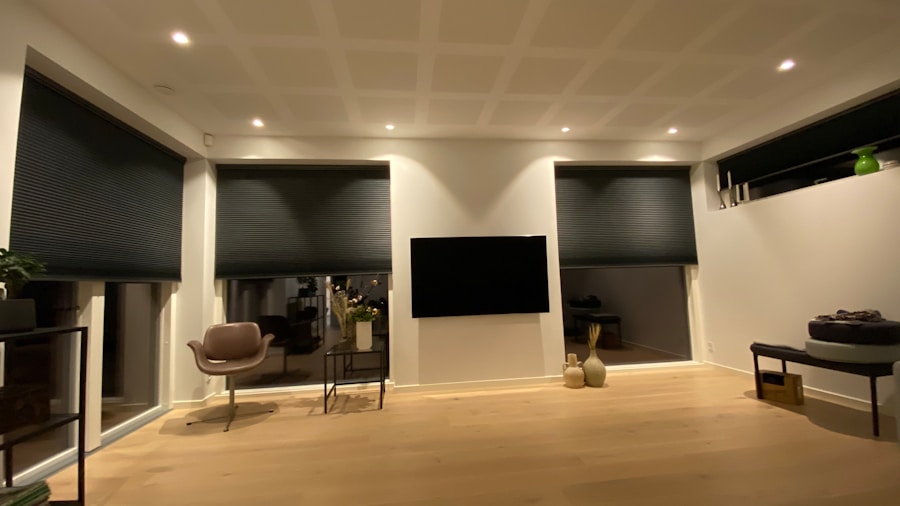
If the basement has windows, think about how they will affect both light levels and sound isolation. Ideally, you want a space that can be darkened completely during movie screenings. If windows are present, investing in blackout curtains or shades can help achieve this goal.
Furthermore, consider accessibility; the location should be easy to reach from other parts of the home, especially if you plan to host gatherings or movie nights with family and friends.
Key Takeaways
- Choose a space with minimal natural light and good sound isolation for the ultimate basement home theater
- Design the layout to optimize viewing angles and seating arrangements for maximum comfort and enjoyment
- Select high-quality audio and visual equipment that suits the size and acoustics of the space
- Invest in soundproofing and acoustic treatment to minimize outside noise and improve sound quality
- Consider adjustable lighting and comfortable seating options to enhance the viewing experience in the basement home theater
Designing the Layout
Creating an Immersive Viewing Experience
Once you’ve chosen the perfect space for your home theater, it’s time to design a layout that balances comfort and functionality. The arrangement of seating, screen placement, and pathways is crucial in creating an immersive viewing experience. A popular approach is to position the screen at one end of the room and arrange seating in a tiered format.
Optimizing Seating Arrangement
This setup ensures that everyone has an unobstructed view and enhances sound distribution throughout the space. When planning the seating arrangement, it’s essential to consider the distance between the screen and the seats. The ideal viewing distance varies based on screen size; for example, a 100-inch screen typically requires a distance of about 10 to 12 feet for optimal viewing.
Adding Professional Touches
Incorporating risers for rear seating can elevate viewers above those seated in front, improving sightlines and adding a professional touch reminiscent of commercial theaters. Additionally, ensure that there is ample space for movement between rows, allowing guests to navigate comfortably without disturbing others.
Selecting the Right Audio and Visual Equipment
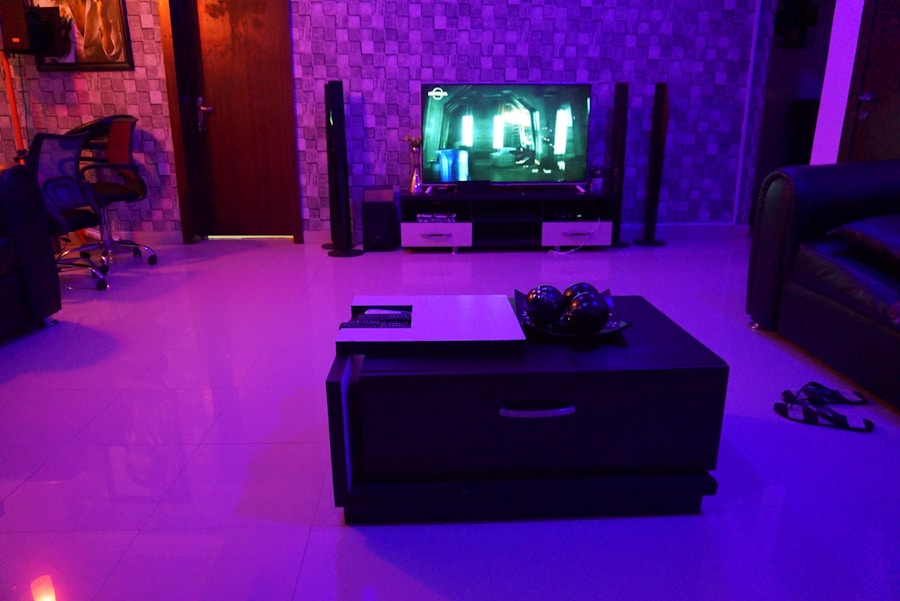
The heart of any home theater lies in its audio and visual equipment. Selecting the right components is essential for creating an immersive cinematic experience. Start with the display; options range from high-definition projectors to large flat-screen televisions.
Projectors can offer a larger image size and are often favored for their cinematic feel, while modern LED or OLED TVs provide stunning picture quality with vibrant colors and deep blacks. When choosing between these options, consider factors such as room size, ambient light levels, and personal preferences regarding image quality. Audio equipment is equally important in achieving a true theater experience.
A surround sound system is typically recommended, as it envelops viewers in sound from multiple directions. A 5.1 or 7.1 channel system is common for home theaters, with five or seven speakers positioned around the room and a subwoofer for deep bass effects. Brands like Klipsch, Bose, and Sonos offer various options that cater to different budgets and preferences.
Additionally, consider investing in an AV receiver that can manage multiple audio and video sources while providing advanced features like Dolby Atmos for enhanced sound immersion.
Soundproofing and Acoustic Treatment
To fully enjoy your home theater experience, soundproofing and acoustic treatment are vital components that should not be overlooked. Soundproofing involves creating barriers that prevent external noise from entering the theater while also minimizing sound leakage from within the room. This can be achieved through various methods such as adding mass-loaded vinyl barriers to walls, using acoustic panels, or installing double-layer drywall with sound-dampening glue between layers.
These techniques help create a more controlled environment where viewers can focus on the film without distractions from outside noise. Acoustic treatment goes hand-in-hand with soundproofing but focuses more on optimizing sound quality within the room itself. Hard surfaces like concrete walls and floors can create echoes and reverberations that distort audio clarity.
To combat this issue, consider installing acoustic panels on walls and ceilings to absorb excess sound waves. Bass traps can also be strategically placed in corners to manage low-frequency sounds that tend to build up in those areas. By carefully treating your space acoustically, you can enhance dialogue clarity and overall sound quality, making every movie night a truly immersive experience.
Lighting and Seating
Lighting plays a crucial role in setting the mood for your basement home theater. The right lighting design can enhance the viewing experience while also providing functionality when transitioning between activities. Ideally, you want to incorporate multiple layers of lighting: ambient lighting for general illumination, task lighting for specific areas like snack stations or entrances, and accent lighting to highlight architectural features or decor elements.
Dimmable LED lights are an excellent choice as they allow you to adjust brightness levels according to your needs. Seating is another critical aspect of your home theater design. Comfort should be prioritized since movie nights can last several hours.
Options range from traditional recliners to luxurious theater-style seating with built-in cup holders and adjustable headrests. When selecting seating, consider not only comfort but also aesthetics; choose fabrics and colors that complement your overall design theme. Additionally, ensure that there is enough space between seats for easy access while maintaining an intimate atmosphere conducive to enjoying films together.
Decorating and Personalizing the Space
Once the functional elements of your home theater are in place, it’s time to focus on decorating and personalizing the space to reflect your style and interests. Wall treatments can significantly impact the overall ambiance; consider using dark colors or themed wallpaper that evokes a cinematic feel. Movie posters framed in stylish ways can add character while showcasing your favorite films or genres.
Additionally, incorporating shelves or display cases for collectibles such as action figures or memorabilia can create a unique focal point within the room. Personal touches extend beyond mere decoration; consider integrating technology that enhances user experience. Smart home systems allow you to control lighting, audio, and video equipment seamlessly through a single interface or mobile app.
This level of integration not only simplifies operation but also adds a modern touch to your home theater setup. Furthermore, think about adding elements like a popcorn machine or mini-fridge stocked with snacks and beverages to elevate movie nights into special events.
Setting Up a Control System
A well-designed control system is essential for managing all aspects of your home theater efficiently.
Many homeowners opt for universal remote controls or smart home hubs that allow them to manage multiple devices from one interface.
These systems often come equipped with programmable settings that enable users to create specific scenes—such as “Movie Night” or “Game Day”—that adjust lighting levels, audio settings, and screen configurations with a single button press. In addition to remote controls, consider integrating voice-activated technology into your setup. Smart assistants like Amazon Alexa or Google Assistant can be programmed to control various devices through voice commands, providing an added layer of convenience when preparing for movie nights or presentations.
This level of automation not only enhances user experience but also showcases modern technology’s capabilities in creating a seamless entertainment environment.
Enjoying the Ultimate Basement Home Theater Experience
With all elements in place—from choosing the right space and designing an effective layout to selecting top-notch equipment and personalizing your decor—you are now ready to enjoy the ultimate basement home theater experience. The culmination of thoughtful planning and execution results in a space where you can escape into cinematic worlds without leaving your home. Whether it’s hosting movie marathons with friends or enjoying quiet evenings with family, your basement theater becomes a hub of entertainment tailored specifically to your preferences.
As you settle into your custom-designed seating with snacks at hand and lights dimmed just right, you’ll appreciate how every detail contributes to an immersive experience that rivals commercial theaters. The combination of high-quality visuals and surround sound envelops you in storytelling like never before, making each viewing memorable. Ultimately, your basement home theater stands as a testament to creativity and passion for film—a personal sanctuary where every movie night transforms into an extraordinary event filled with laughter, excitement, and shared moments that linger long after the credits roll.
If you’re looking to create the ultimate basement home theater in Brooklyn, you may also want to consider checking out the FAQ section on basementremodelingesg.com. This resource can provide valuable information on common questions and concerns related to basement remodeling projects. Additionally, if you’re concerned about potential water damage in your basement, you may want to explore the basement waterproofing services offered by basementremodelingesg.com. Ensuring your basement is properly waterproofed is essential for protecting your investment in a home theater. And if you’re in need of construction services for your basement renovation project, basementremodelingesg.com can help you bring your vision to life.
FAQs
What are the benefits of creating a basement home theater?
Creating a basement home theater provides a dedicated space for entertainment, allows for better control of lighting and sound, and can increase the value of your home.
What are the key components needed for a basement home theater?
Key components for a basement home theater include a large screen or projector, comfortable seating, surround sound speakers, and proper lighting.
How can I optimize the layout of my basement home theater?
To optimize the layout of your basement home theater, consider the placement of the screen or projector, seating arrangement, and the location of speakers for optimal sound quality.
What are some important considerations for soundproofing a basement home theater?
Important considerations for soundproofing a basement home theater include using acoustic panels, soundproofing insulation, and carpeting to reduce sound transmission.
What are some popular design themes for basement home theaters?
Popular design themes for basement home theaters include classic movie theater, modern minimalist, and themed designs based on favorite movies or genres.
What are some tips for choosing the right audio and visual equipment for a basement home theater?
When choosing audio and visual equipment for a basement home theater, consider factors such as room size, viewing distance, and budget to ensure the best quality and experience.